
Шеснаесет приведени за едно деноноќие, сите за дрога: МВР работи, но од каде толку луѓе за апсење?
20.09.2026


20.09.2026

20.09.2026
20.09.2026
20.09.2026

20.09.2026

20.09.2026

20.09.2026
19.09.2026

18.09.2026

20.09.2026

20.09.2026

19.09.2026

20.09.2026

20.09.2026

20.09.2026

20.09.2026

19.09.2026

18.09.2026

20.09.2026

20.09.2026

20.09.2026

20.09.2026

20.09.2026

20.09.2026

09.03.2026

27.02.2026

19.02.2026

19.09.2026

18.09.2026

17.09.2026

23.04.2026

23.04.2026

12.04.2026

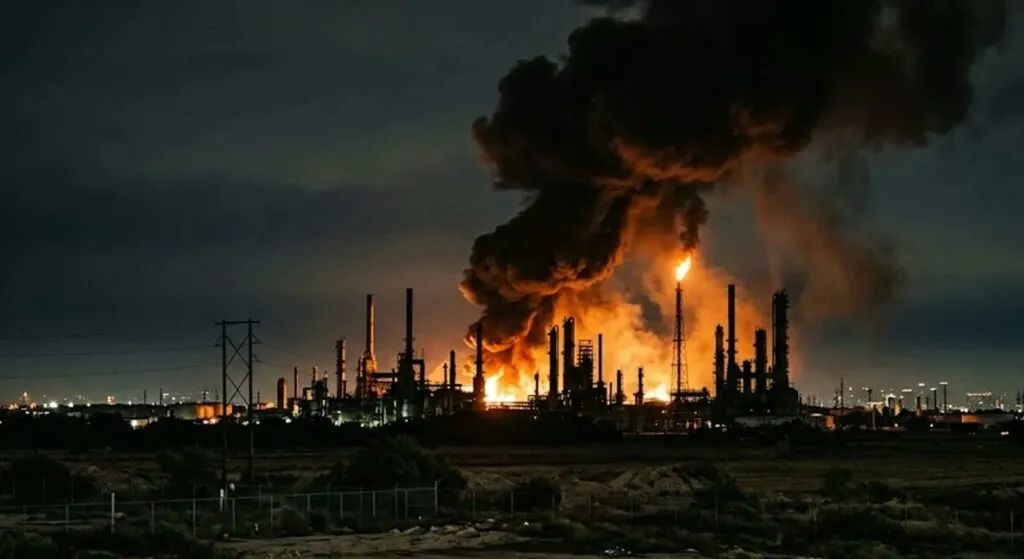
The 24-hour cycle of exchange between Moscow and Kyiv has entered a new phase. After 21 deaths in the Russian missile and drone strike on Kyiv on 14 May, the Ukrainian reply came the following night - not as a political statement, but as flames over Russia.
The main target: the oil refinery in Ryazan, one of the largest in the country. Capacity of over 17.1 million tonnes of oil a year. 450 kilometres from the Ukrainian border, and 180 kilometres south-east of Moscow. Residents posted videos with several drones in the sky before they heard the explosions. Regional governor Pavel Malkov confirmed three dead, 12 injured, residential buildings damaged. The full scale of the damage is still being assessed.
That was not the only strike. Social media from Russia posted images of smoke over the military airbase in Yeysk, in the Krasnodar region. Sergei Sobyanin, the mayor of Moscow, confirmed that five Ukrainian drones were destroyed over the capital around midnight - flights at the two largest Moscow airports, Domodedovo and Sheremetyevo, were temporarily suspended. Explosions were also recorded in Crimea - in Yevpatoria and in Saki.
Kyiv's strategy is clear and not new - hit them in the wallet. Drones are systematically targeting Russian oil and gas infrastructure to cut the revenue that flows to the Kremlin for the war. In April 2026 alone, at least 21 strikes on refineries, gas pipelines and oil installations were recorded - the highest monthly figure in the past four months.
For Balkan readers there are two points of attention. First: what happens to oil prices on international markets when Russia's main production capacities are systematically burning? The same phenomenon we felt in 2022. Second: does escalation towards more significant targets (bigger refineries, a wider strike geography) signal that Kyiv is choosing to continue the conflict rather than end it? The question is rhetorical, but the answer is in the smoke.
The latest 10 news from this category
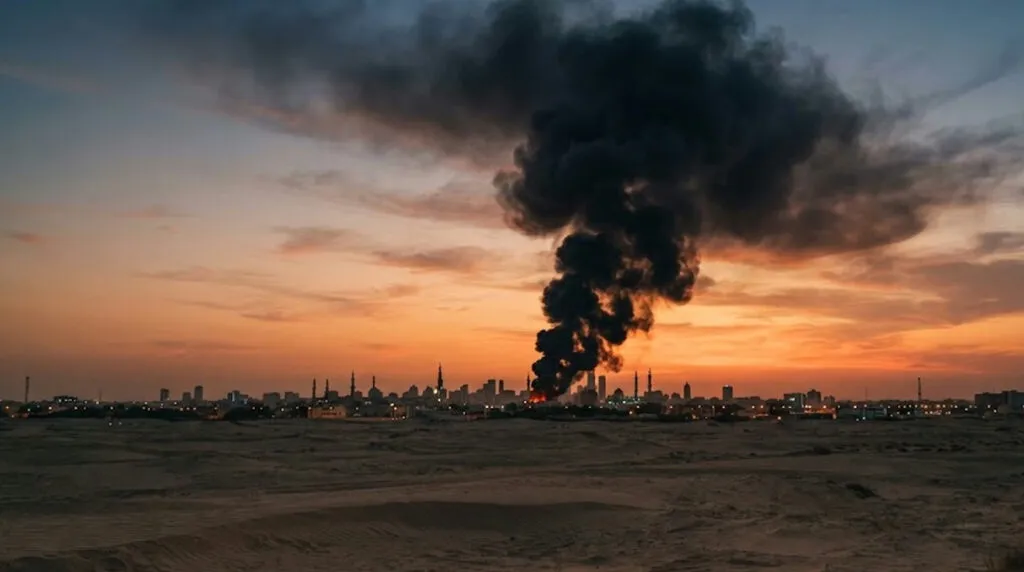
Црн чад над главниот аеродром, сирени среде ноќ и држава што не кажува ни што се случило, ни дали тврдењето...
Западните служби велат дека немало одлука - само подготовки што би овозможиле сè да се случи преку ноќ. Во истиот...
Руски командант вети дека обрачот кај Харков ќе го исече „како пита“. Сите бројки доаѓаат од таборот што ја води...
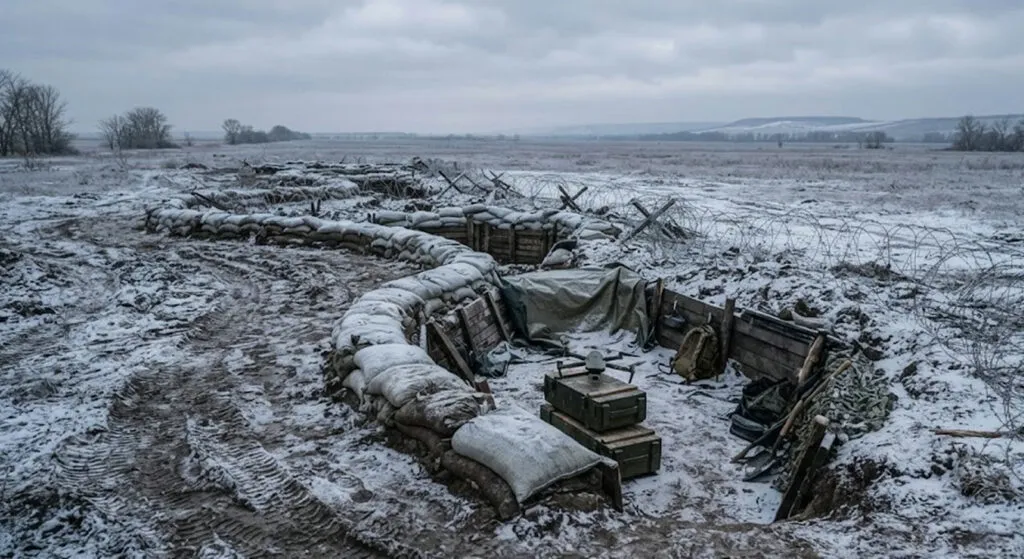
Around 8,500 North Korean soldiers are still in Russia, among them 1,000 engineers and 400 drone operators. Estimates point to...
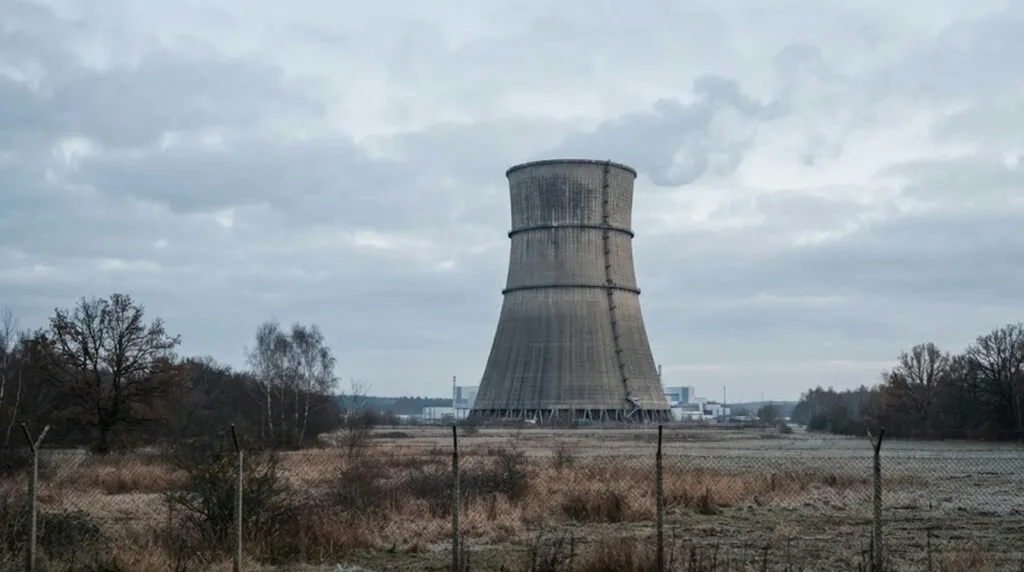
The unit was running, the operating regime did not change, there was no fire. The difference between a news item...
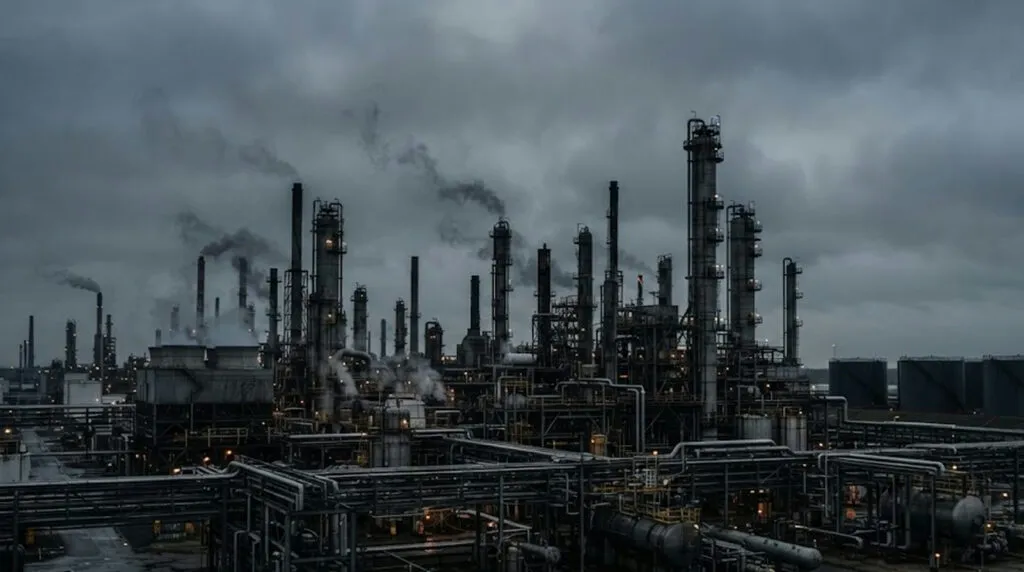
The bill passed with 262 votes, and the key to it has been handed to a man who has already...
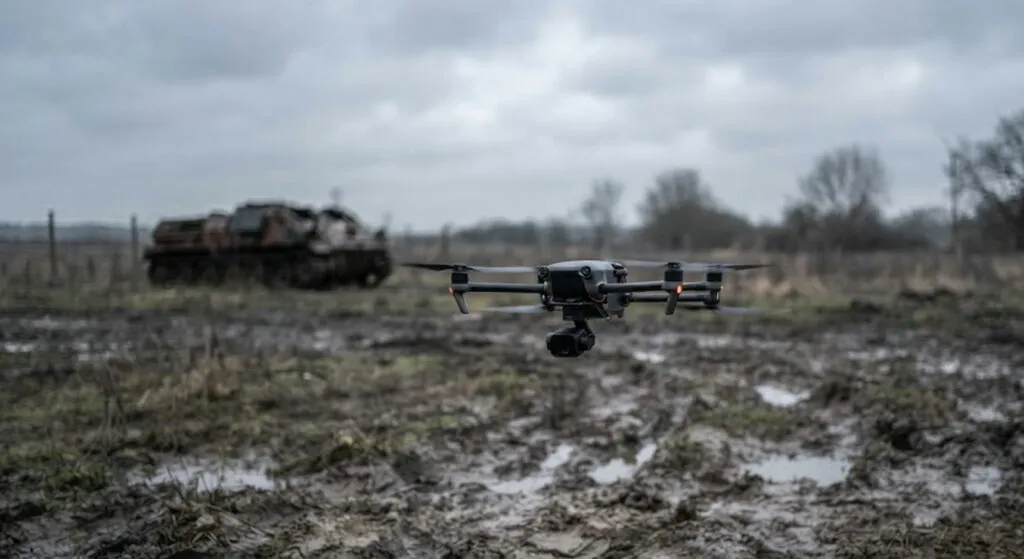
Ukraine adapts in weeks, the Alliance in decades. Europe is paying for Patriot systems from 1991 and is only now...
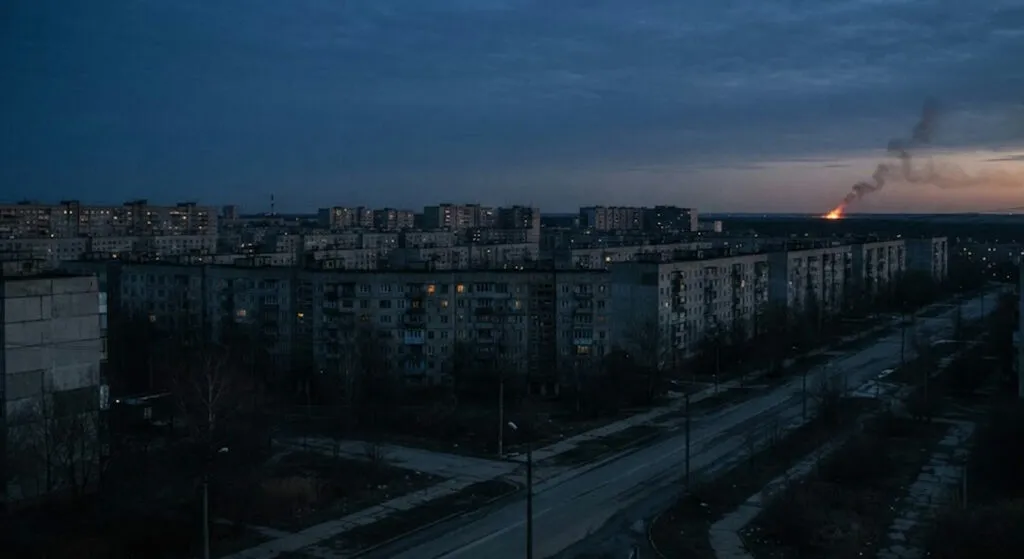
Missiles and drones on the Ukrainian capital, damaged water mains and residential buildings. The same night, Ukrainian drones set the...
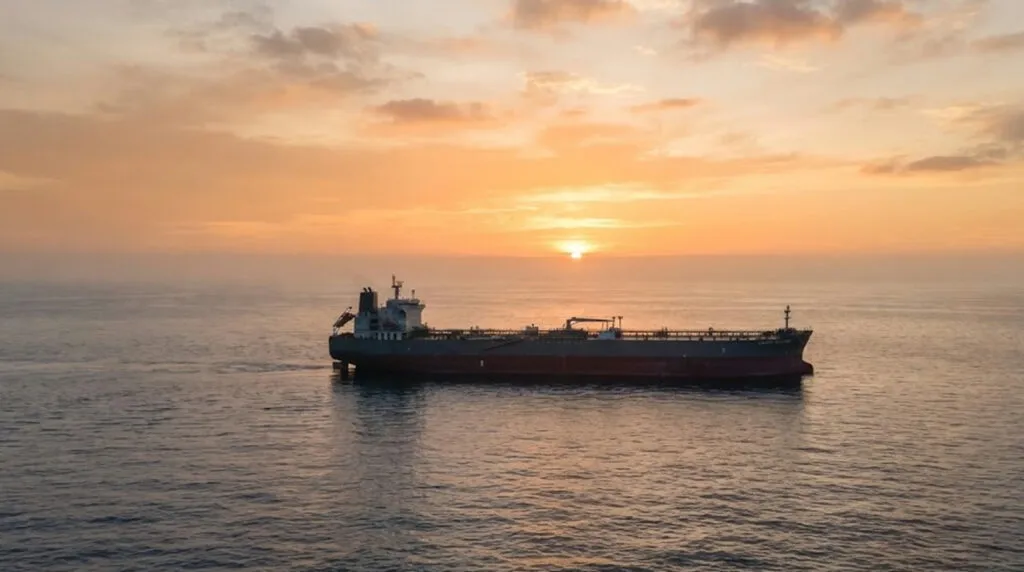
Trump hopes the war is ending and is preparing to gather the Gulf leaders. Oil prices have jumped, and the...
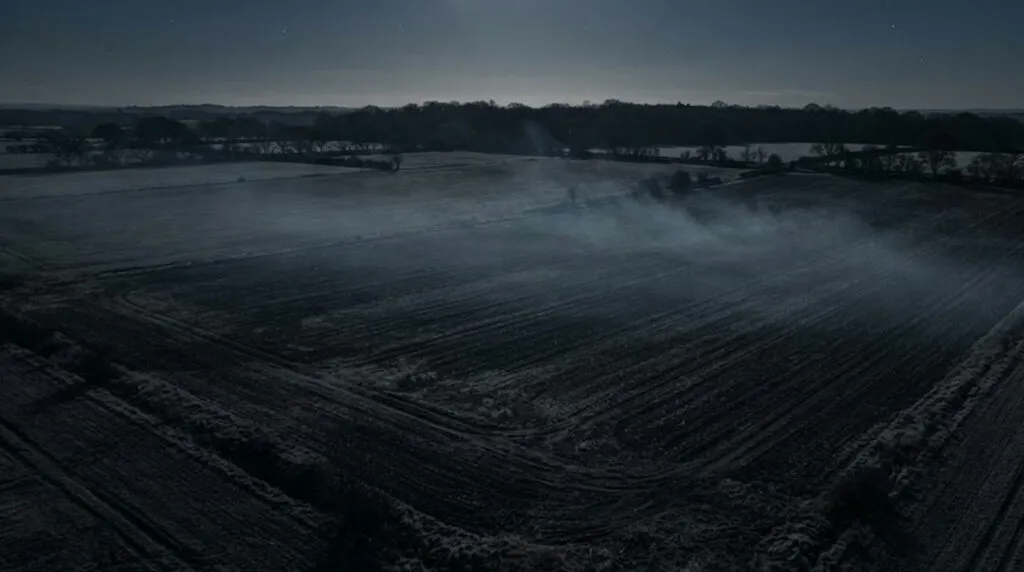
Ukraine says when, where and which unit did it. Russia's defence ministry has not a single sentence about the circumstances....
This site uses cookies - is that okay? Learn more
Be the first to know when Metla launches something new
Leave your email and we will write when there is a new guide or something new on Metla.