


Police officer from Drachevo drove without ever passing a driving test: Who checks the people who check everyone else?
18.10.2026


18.10.2026

18.10.2026

18.10.2026

18.10.2026

18.10.2026

18.10.2026

18.10.2026

18.10.2026

18.10.2026

18.10.2026

18.10.2026

17.10.2026

18.10.2026

18.10.2026

18.10.2026

18.10.2026

17.10.2026

16.10.2026

18.10.2026

18.10.2026

18.10.2026

18.10.2026

18.10.2026

18.10.2026

18.10.2026

18.10.2026

17.10.2026

17.10.2026

15.10.2026

13.10.2026

23.04.2026

23.04.2026

12.04.2026

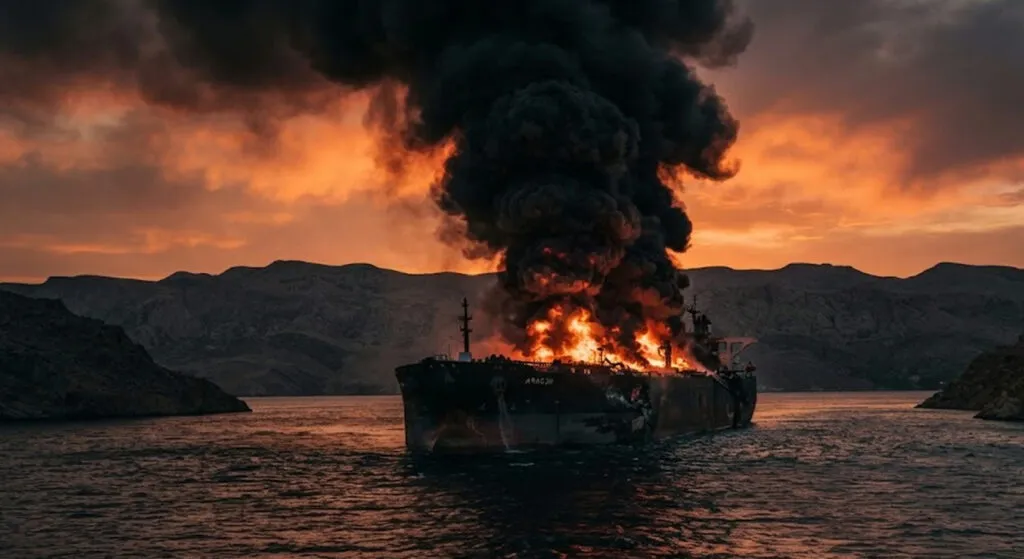
Iran's Revolutionary Guard has once again sent the message shipping companies already know by heart: the Strait of Hormuz is closed and foreign ships have no right of passage. Anyone who breaks Iran's rules, Tehran warns, puts the safety of their own voyage on the line. Translated from diplomatic language: you sail at your own risk.
The message came after yet another fire at sea. A supertanker carrying more than two million barrels of crude oil struck a naval mine while, according to the Guard, trying to pass along an "unauthorised route". Iran's version goes further: the crew allegedly switched off navigation and radar systems and sailed "with the support of smugglers and American terrorist forces". The tanker's name, the flag it sails under and the company that owns it are so far unknown. There's no official information on the crew or any casualties either. And one more thing that mustn't get lost in the noise: Iran's claims about the cause of the explosion have not been independently verified.
This isn't an isolated incident, it's a series. On both 10 and 12 October the Guard announced an almost identical scenario: tanker, unapproved route, systems switched off, mine. The British maritime security service UKMTO recorded several attacks, but in some cases it speaks of unknown projectiles, without confirming Iran's story about mines. According to the Financial Times, 24 ships were attacked in the region in the two weeks to 11 October alone. And since yesterday, as Al Jazeera reported, at least two more tankers have been hit off the coast of Saudi Arabia. When Tehran says mine and British services write "unknown projectile" - who is the captain who has to get through supposed to believe?
The waters around the strait are slowly becoming a graveyard for merchant ships. On 14 October the container ship GFS Pride sank; it sailed under the flag of Singapore and, according to reports, carried almost 2,500 containers of luxury goods destined for the Dubai market. Perfumes and phones floated on the sea, according to footage that emerged after the sinking.
Shipping through Hormuz has been seriously disrupted since 28 February, when US and Israeli strikes on Iran began. Tehran responded by restricting passage and attacking ships it says break its rules. The consequences are measured in dollars: shipping and tanker insurance have become drastically more expensive, and Brent crude on 16 October reached almost 110 dollars a barrel.
Through this narrow passage flows a fifth of the world's oil and around 20 percent of liquefied natural gas, most of it from Qatar. That's why every new "unauthorised route" is a message to the whole world, not just to the captain of one tanker. The Balkans know well what it looks like when someone draws the lines of what's permitted on their own and calls it order. The question is how many more tankers have to burn before someone sits down at a table instead of in front of a radar.
The latest 10 news from this category
Israel's minister condemned the attack - and in the same breath scolded the diplomats for not notifying the army. When...
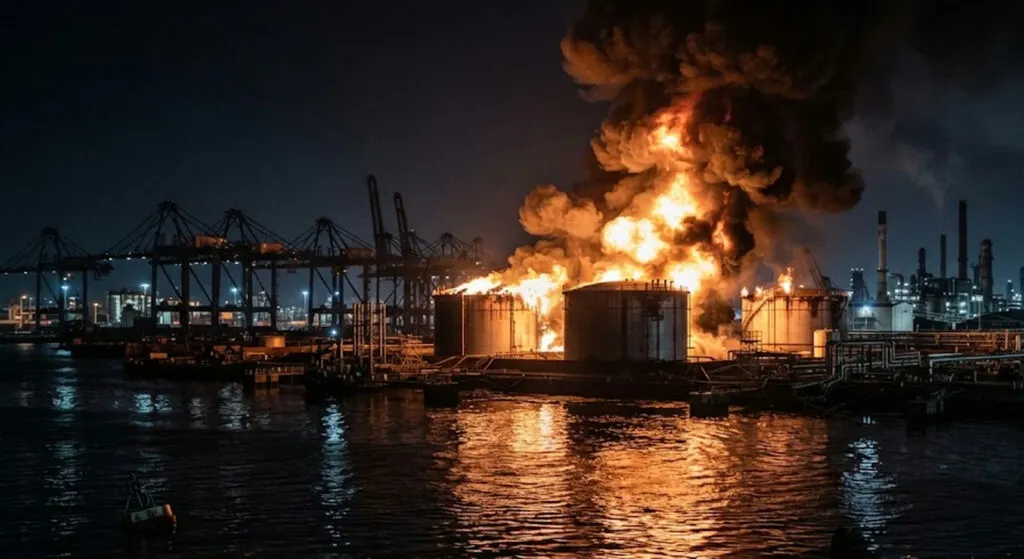
The energy truce Trump imposed unilaterally has collapsed, and the war has reached a city 856 kilometres north of the...
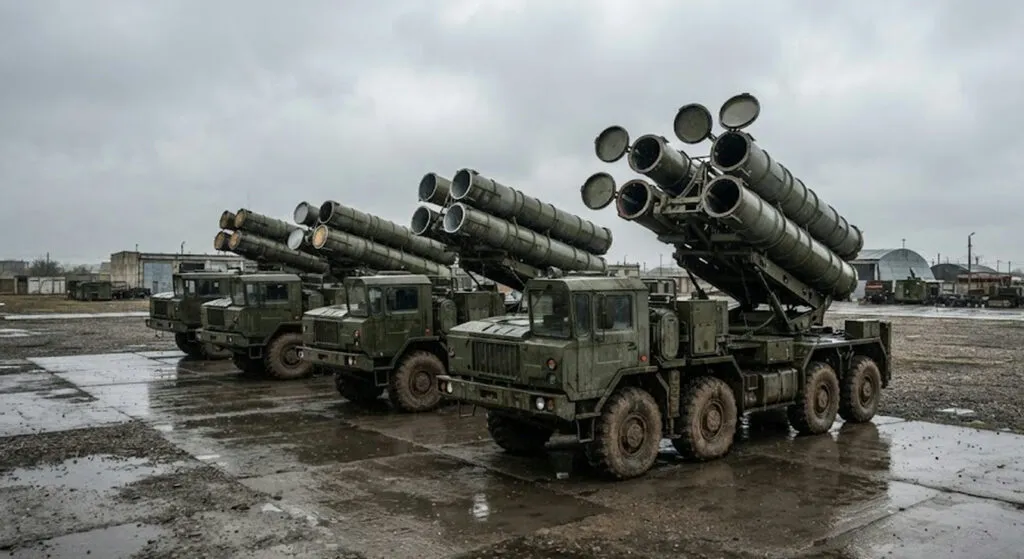
America has missiles for Saudi oil and Qatari gas, while Ukraine is left without interceptors before winter. When the great...
One bombed arms shipment split them apart, and Houthi missiles put them back on the same side. How long does...
While Trump presses Kyiv to stop hitting Russian refineries, the satellite system guiding Ukraine's drones suddenly stopped working at high...
Bombers that can also carry nuclear weapons fly along NATO's borders, and both sides claim they're playing by the rules....
While Trump strikes a diesel deal with Moscow, Kyiv has been left without US ballistic missile warnings. What is an...
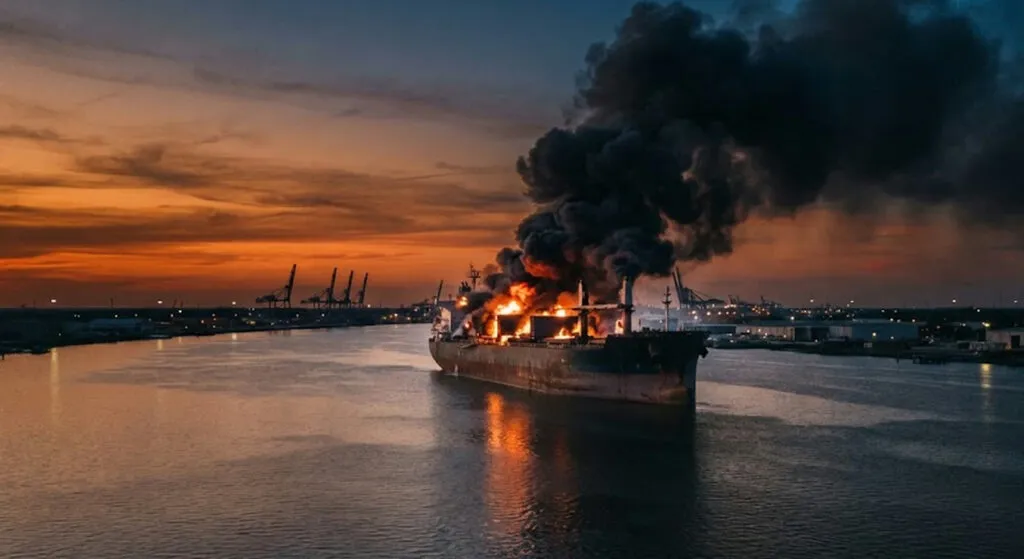
The port of Izmail is being targeted, two cargo ships were hit on their way to Odesa, and five merchant...
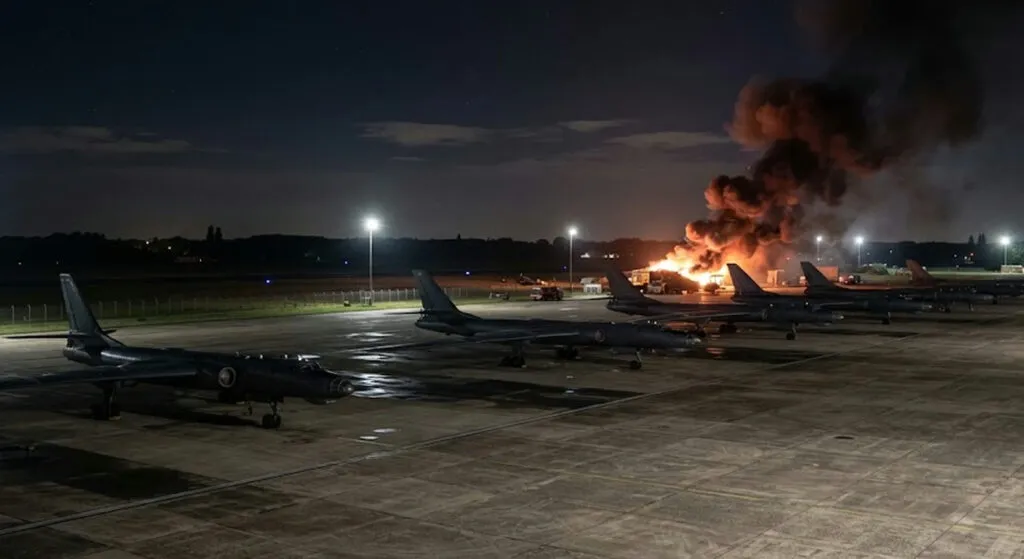
Kyiv claims six bombers hit, satellite image analysts count at least four. One thing is certain: a Ukrainian coastal missile...
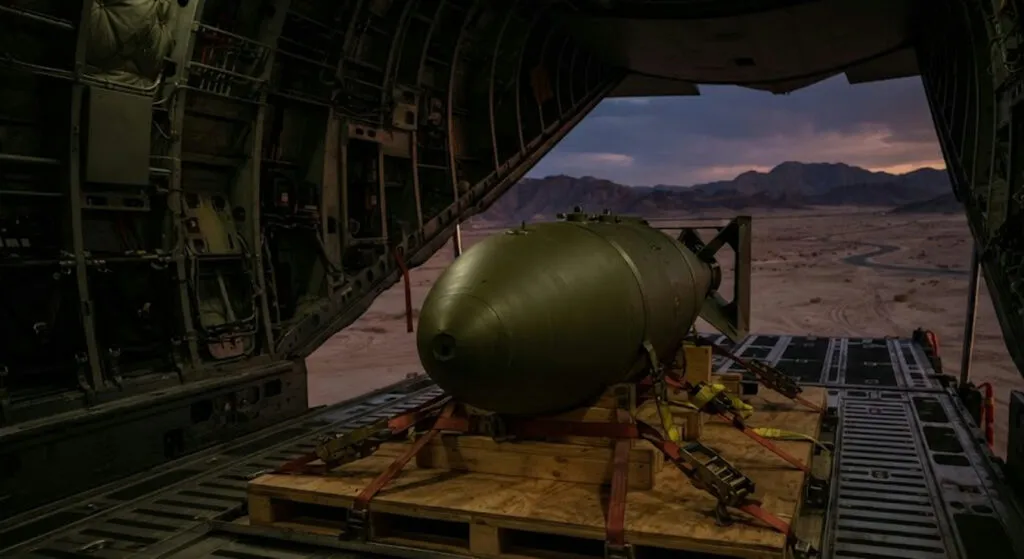
America's biggest non-nuclear bomb is in the plans for Iran, but even the sources doubt it can reach nuclear facilities...
This site uses cookies - is that okay? Learn more
Be the first to know when Metla launches something new
Leave your email and we will write when there is a new guide or something new on Metla.


