

Grubi calls the entire government as witnesses, while 9.7 million euros' worth of machines sit in a warehouse
21.10.2026


21.10.2026

21.10.2026

21.10.2026

21.10.2026

21.10.2026

21.10.2026

21.10.2026

20.10.2026

20.10.2026

21.10.2026

21.10.2026

20.10.2026

21.10.2026

21.10.2026

21.10.2026

21.10.2026

20.10.2026

19.10.2026

21.10.2026

21.10.2026

21.10.2026

21.10.2026

21.10.2026

20.10.2026

21.10.2026

20.10.2026

19.10.2026
20.10.2026

19.10.2026

17.10.2026

23.04.2026

23.04.2026

12.04.2026

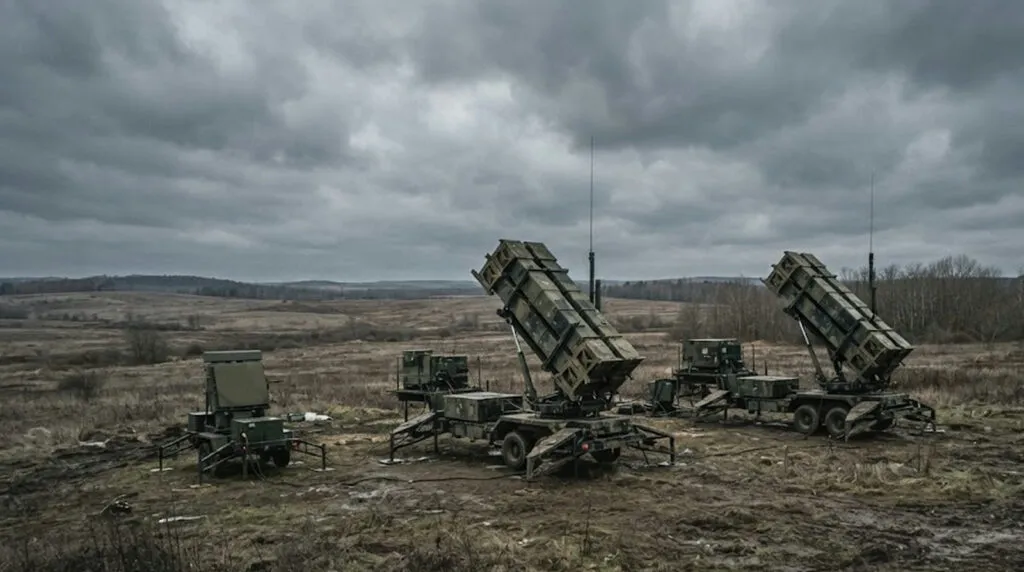
The missiles exist. They are sitting in European warehouses, and the allies are ready to give them to Ukraine. They aren't arriving because one signature is missing - and it isn't awaited in Brussels, but in Washington.
Donald Trump's administration is delaying approval for the transfer of American Patriot interceptor missiles from European allies' stocks to Ukraine, according to US and Ukrainian officials familiar with the talks. US Defence Secretary Pete Hegseth has not formally rejected the requests, but he hasn't given the necessary consent either. Because the weapons are American, European states can't simply pass them on to Kyiv without a green light from Washington.
And time is running out. According to a Ukrainian official, on 7 October the country had only ten Patriot interceptors. They were used up in the attacks that followed, leaving only a few. Another source familiar with the state of air defences says stocks are exhausted. The sources spoke anonymously because of the sensitivity of military data.
Why Patriot specifically? It's the system Ukraine uses to intercept Russian ballistic missiles - the ones that fly so fast and for so short a time that very little time is left to react. Without it, cities and energy infrastructure are an easier target, although final protection also depends on the other systems and ammunition Kyiv has. On 19 October alone, Kyiv was hit by a new Russian missile attack.
American stocks are being spent elsewhere
The main reason for the delay is the pressure on US munitions stocks, further strained by the war with Iran. In the first month of the conflict in the Middle East, the US military used more than 1,000 Patriot and THAAD missiles to protect its forces from Iranian attacks. Production can't keep up with consumption: making a single Patriot missile can take up to 36 months. A shortfall like that isn't closed with one order.
It's worth being precise: this is not an official, complete halt to US military aid for Ukraine. The problem is the specific approvals for transferring Patriot missiles from partner countries' stocks. But for a country counting its last interceptors, the difference between "no" and "not yet" is almost academic.
Zelensky, for his part, said US intelligence failed to warn Kyiv about missile attacks on three occasions last week. Delays and limits in military support, he says, make defence even harder. Still, not every attack that gets through can automatically be attributed to that alone - the outcome also depends on the type of attack, the deployment of systems and the time available to react.
Europe now faces a question it won't be able to dodge for long: what is a defence you own worth if someone else decides when you may give it away? The Balkans remember the lesson that great powers hand out weapons according to their own priorities, not other people's needs. For Kyiv, bracing for new attacks on its energy infrastructure, every "later" is one more risk.
The latest 10 news from this category
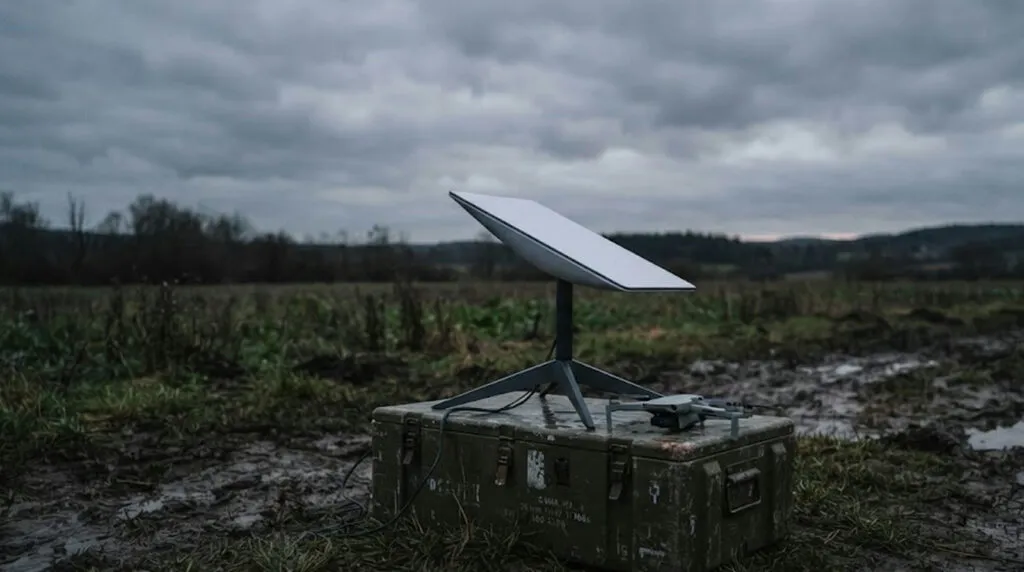
The terminals lost connection above 160 kilometres an hour, and an interceptor drone has to fly faster than that. Trump...

Six dead, among them a girl just over a year old who was in her pushchair. Kyiv is asking for...
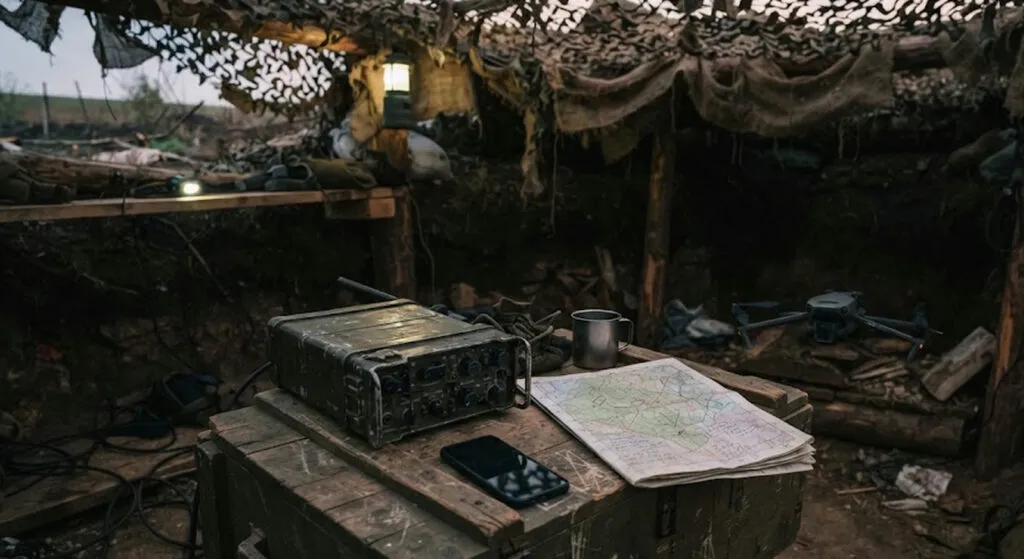
Lev Stupnikov did not ask for a single cent for the information - he photographed the officers' gathering, complained of...

Israel's minister condemned the attack - and in the same breath scolded the diplomats for not notifying the army. When...

The energy truce Trump imposed unilaterally has collapsed, and the war has reached a city 856 kilometres north of the...

The tanker that burned in Hormuz still has no name, but Tehran already knows whose fault it is. And who...
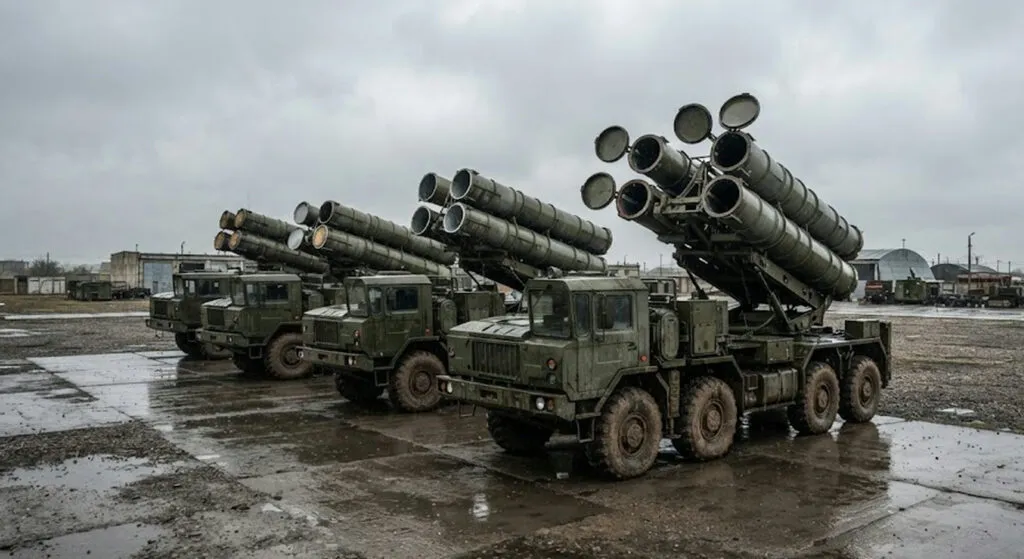
America has missiles for Saudi oil and Qatari gas, while Ukraine is left without interceptors before winter. When the great...

One bombed arms shipment split them apart, and Houthi missiles put them back on the same side. How long does...
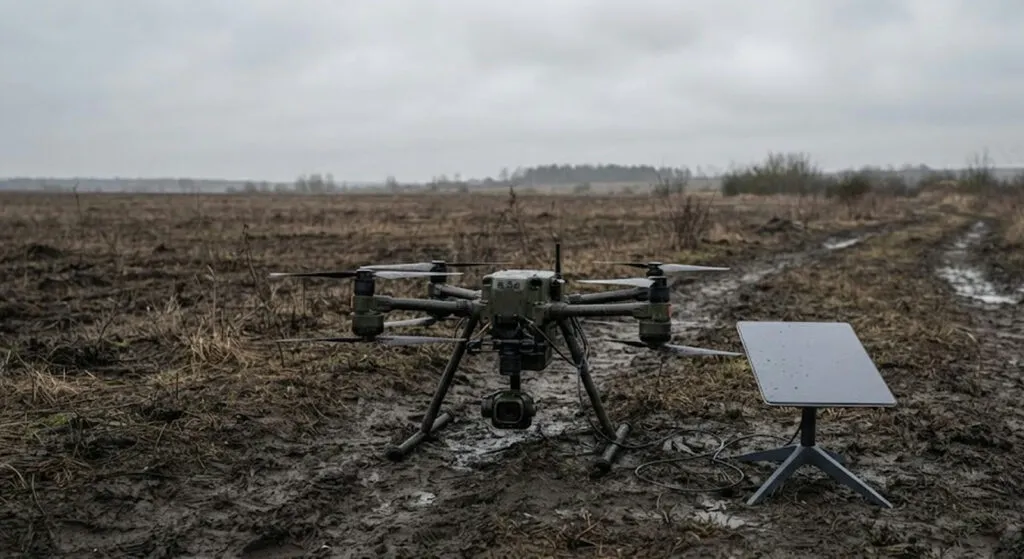
While Trump presses Kyiv to stop hitting Russian refineries, the satellite system guiding Ukraine's drones suddenly stopped working at high...
Bombers that can also carry nuclear weapons fly along NATO's borders, and both sides claim they're playing by the rules....
This site uses cookies - is that okay? Learn more
Be the first to know when Metla launches something new
Leave your email and we will write when there is a new guide or something new on Metla.


