
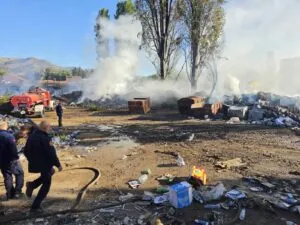
Fire by the railway in Prilep: residents watched black smoke over textile waste, "Komunalec" says - a small part, no danger
04.10.2026


04.10.2026
04.10.2026

04.10.2026

04.10.2026
04.10.2026
04.10.2026
04.10.2026
03.10.2026

02.10.2026
04.10.2026
04.10.2026
03.10.2026
04.10.2026

04.10.2026
04.10.2026

04.10.2026
03.10.2026
02.10.2026
04.10.2026

04.10.2026

04.10.2026
04.10.2026

04.10.2026
03.10.2026

09.03.2026

27.02.2026

19.02.2026
04.10.2026

03.10.2026

02.10.2026
02.10.2026
22.08.2026
20.08.2026

23.04.2026

23.04.2026

12.04.2026

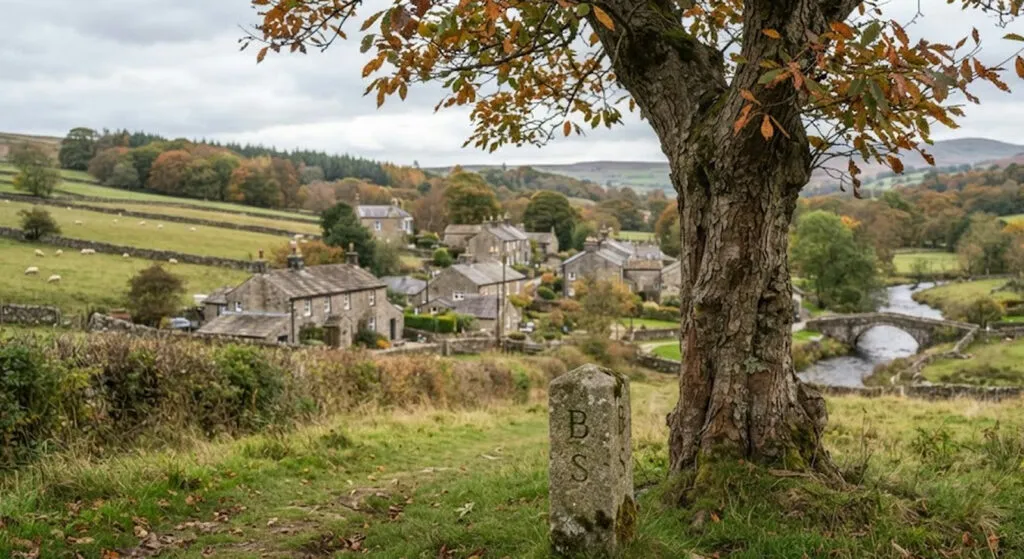
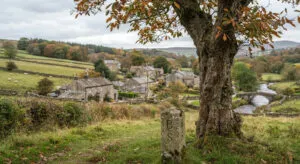
When José Saramago travelled around Portugal for his book "Journey to Portugal", in a corner of the north-east, in the Trás-os-Montes region, he left a string of questions unanswered. Where is the border here? What is this place called? Is it still Portugal or already Spain - or is it just Rio de Onor and nothing more? Almost half a century later, the Nobel laureate's questions still stand for anyone who comes down the road from the hills of the Sierra de la Culebra into the narrow valley of meadows, vegetable gardens and stone houses huddled on both sides of the river.
The landscape doesn't help. Around 100 metres separate the last house in the Spanish province of Zamora from the first Portuguese one. There is no border barrier, no customs building to recall the old days. The village has two official names - Rihonor de Castilla on the Spanish side and Rio de Onor on the Portuguese - but in essence it is one place, cut by the river it is named after. For centuries the residents shared bread ovens, fields and herds, without asking who belonged to which side.
The explanation lies in the chronology: the village is older than the border. When Portugal became independent in the mid-12th century, this place belonged to the Kingdom of León, and the line between the two kingdoms only settled at the beginning of the 13th century - leaving one settlement with two names. Today the border is marked by a boundary stone next to a chestnut tree, with signs for Rihonor de Castilla and for Spain. On the Portuguese side, interestingly, there is no matching sign. One step and you are in another country. And in another time: there is a one-hour difference between the two halves of the village.
The border only once tried to make itself visible. In 1974, right after the Carnation Revolution, fearing an invasion, a lieutenant of the Portuguese fiscal guard put a chain across one road. The villagers simply opened a new path right next to it and carried on crossing with their livestock and tools. The Balkans know all too well the borders that cut through villages and families - but how many times have people beaten a border with an ordinary path across a meadow?
The language changes as you cross, but not much. Residents switch easily from Spanish to Portuguese, and both carry traces of Rihonorese, an almost extinct Leonese dialect. The ties go down to surnames: the big Preto family on the Portuguese side is the Prieto family on the Spanish side. The architecture is the same on both banks - houses of stone and slate, with the ground floor for livestock and tools and the family upstairs.
A village that governed itself
On the Portuguese side, a visit should start at the Casa do Touro, "the House of the Bull", opened at the end of 2018 in the building where the village's communal bull once lived. It explains the model that led ethnologist Jorge Dias in 1953 to write a monograph of more than 600 pages and call the village the most characteristic example of communal organisation in Portugal. The bell summoned the assembly, attended by one man from each house. Important decisions were put to a vote, two stewards ran day-to-day affairs, and accounts were kept with notches on wooden sticks.
The most interesting object is the "Stick of Justice", on which the stewards recorded fines for those who broke the rules. Fines were often paid in wine or oil, and the wine was drunk at the assembly itself. The ovens were communal, as were the fields everyone had to work and the herd on the common pastures. On the doors of some stables there still hangs a carabelho, a simple wooden latch that opens with one movement - something that survives only in villages where trust rules.
Many call the bridge between the two banks Roman, but it dates from the 19th century. Next to it are the communal stone washing troughs, covered with slate slabs, and on the bank stands the communal mill, recently restored. Communal life faded over the years for lack of young people - today around 40 people live in the village. When the day visitors leave, what remains is a silence you rarely find.
For those who want to walk the landscape, the PR11 trail starts at the village entrance and makes a 7-kilometre loop, between 686 and 770 metres above sea level, to a hundred-year-old oak declared a tree of public interest. The whole area is protected on both sides of the border: the Portuguese part is in the Montesinho Natural Park, and all of it is part of the cross-border "Meseta Ibérica" biosphere reserve, declared by UNESCO in 2015. According to sources, these mountains are home to the highest density of wolves on the continent.
The best time to visit is from May to October, Wednesday to Sunday, when the Casa do Touro is open. Advice from those who have been: stand with one foot in each country by the stone, set your watch, and sit down in the local association's bar to talk to the neighbours. These are the people who never took this border seriously.
The latest 10 news from this category
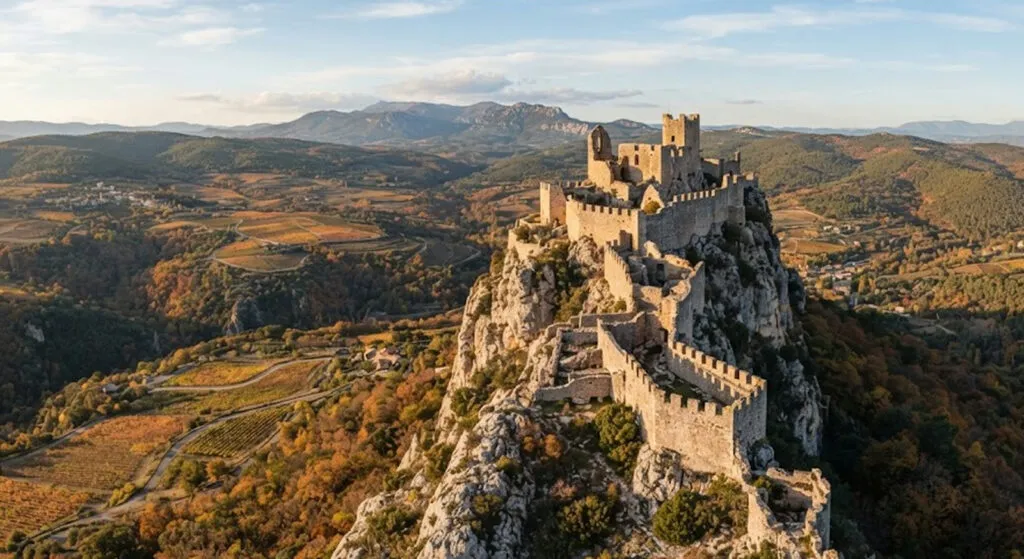
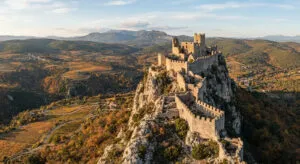
Everyone knows Carcassonne. Few have climbed up to its seven "little brothers" - fortresses that look as if they grew...
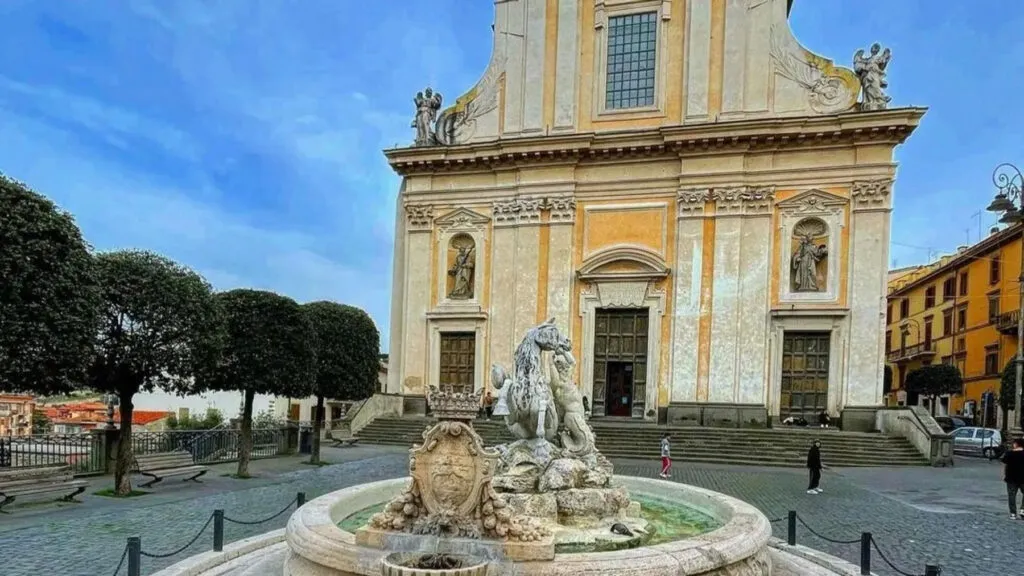
The fountain was built to celebrate victory over the Ottoman fleet at Lepanto, and the grape festival that fills it...
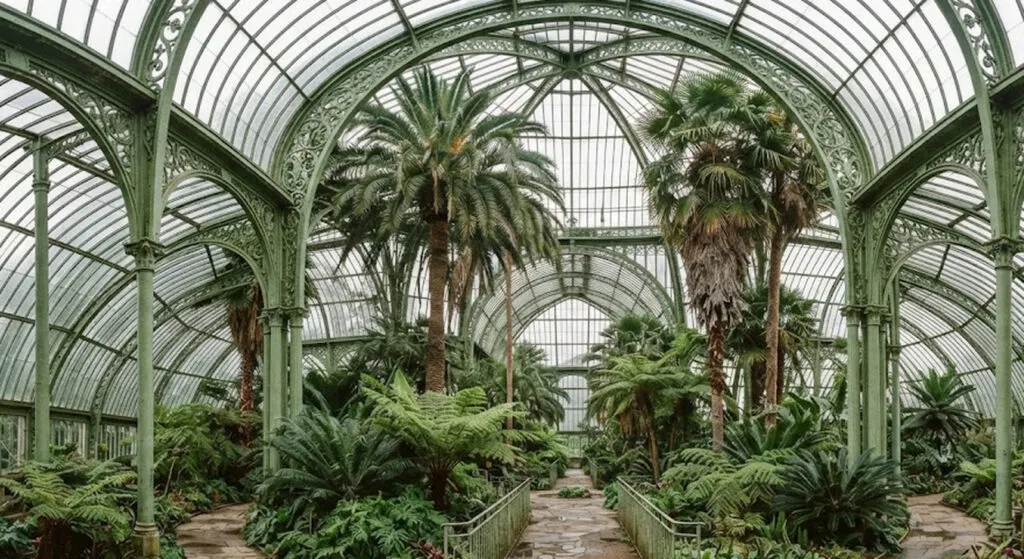
One moth that never left its cocoon opened the age of glass and iron. It left behind a Vienna greenhouse...
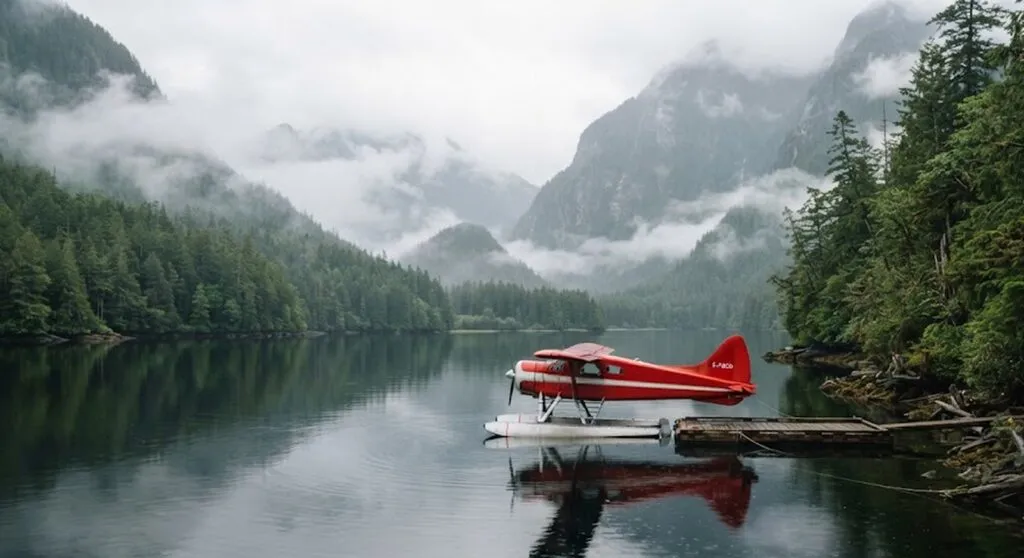
A Spanish actor went back to Canada decades after the trip he took as a child following his father's death....
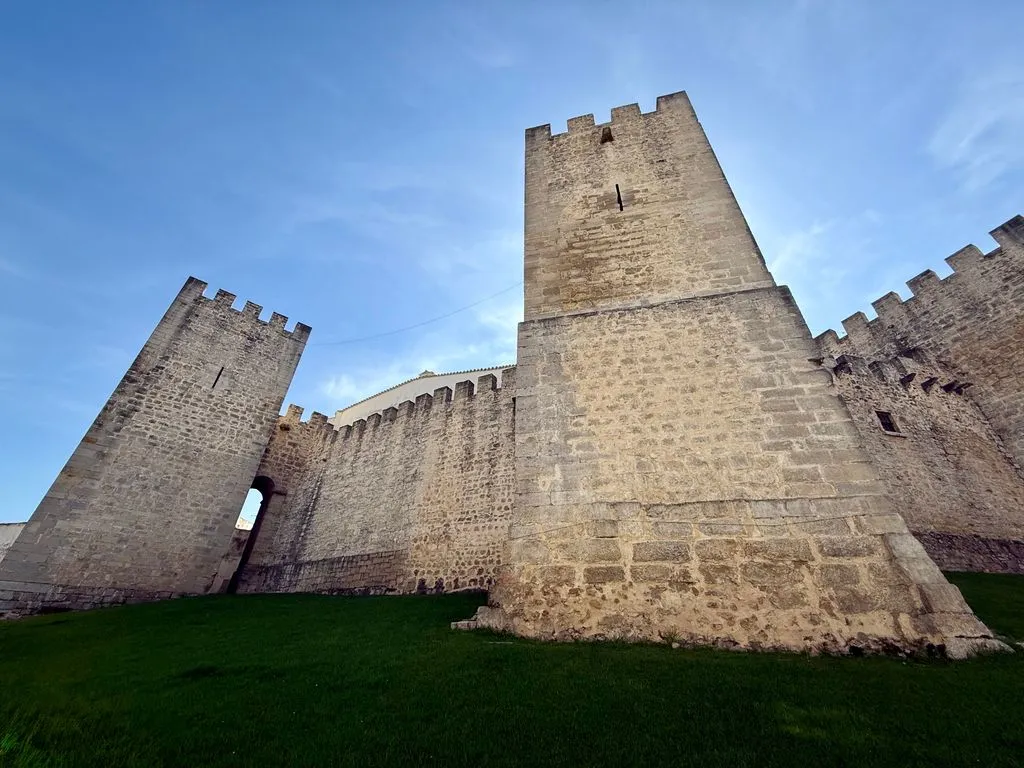
The Algarve isn't just beaches. Less than 20 kilometres from Faro there's a town where market eateries have to buy...
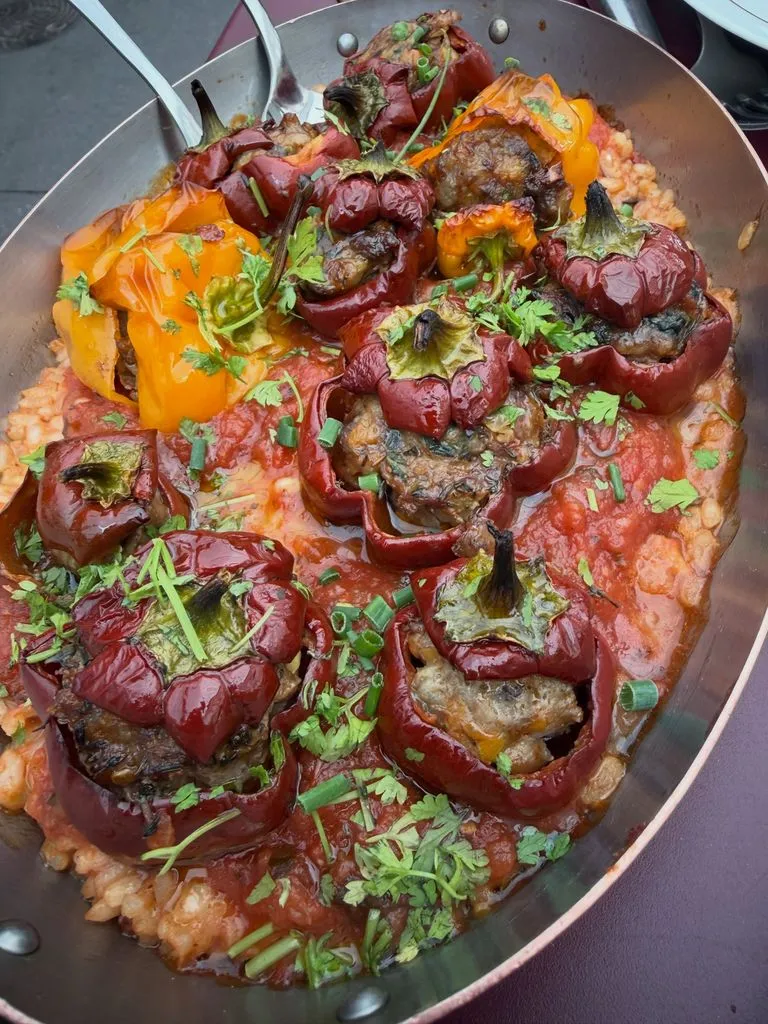
From 28 September to 6 October, Paris is a runway. And after the shows, the stars go looking for pepper...
Around 1,500 residents, 12.9 square kilometers and a seven-kilometer road through another country. One of Europe's oldest pharmacies and the...
Cologne, Zurich, Lugano and Lake Como in one night, with stations in the centre of every city. Europe's night train...
UNESCO-listed stone towns, Ottoman bazaars, bunkers turned into museums and beaches compared to the Caribbean. A neighbour that deserves more...
Brad Pitt fights to survive the Alaskan wilderness, while the camera stood in New Zealand the whole time. Where exactly...
This site uses cookies - is that okay? Learn more
Be the first to know when Metla launches something new
Leave your email and we will write when there is a new guide or something new on Metla.