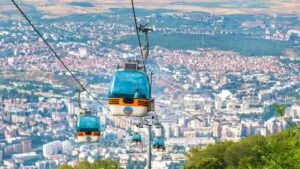
Three of Four Sensors Were Dead: Skopje's Vodno Cable Car Ran Fifteen Years Without a Real Service
17.09.2026


17.09.2026
17.09.2026
17.09.2026
17.09.2026
17.09.2026
17.09.2026
17.09.2026
16.09.2026
15.09.2026
17.09.2026
17.09.2026
16.09.2026
17.09.2026
17.09.2026
17.09.2026
17.09.2026

16.09.2026
15.09.2026

17.09.2026
17.09.2026
17.09.2026
17.09.2026
17.09.2026

17.09.2026

09.03.2026

27.02.2026

19.02.2026

23.04.2026

23.04.2026

12.04.2026

Montenegro is approaching the 20th anniversary of its renewed independence in 2026, and is already sending out invitations to the celebration. One of them reached Belgrade. Aleksandar Vučić, asked by journalists, answered without much manoeuvring: "Of course I will not take part. To celebrate secession - I would be ashamed."
The sentence is not a diplomatic slip. It is a political position deliberately spoken. Twenty years since the renewal of Montenegrin independence (May 2006) is an anniversary Podgorica wants to turn into a spectacle - but in Belgrade that date is still not read as a holiday, but as a parting. Vučić told that to his neighbour without much wrapping.
The context matters. Relations between Serbia and Montenegro in recent years have moved between cold peace and open tension - over the Serbian Orthodox Church, over dual citizenship, over positions on sanctions against Russia. Milojko Spajić now leads the Montenegrin cabinet with a pro-European agenda, but the history of 2006 still smoulders in Serbian politics like a torn finger.
Vučić used the press questions to push on another front too. He spoke about NIS (Oil Industry of Serbia) - voicing satisfaction that there are several interested buyers and that two of them have "around two billion euros" ready. The intent is clear - a signal to Moscow, a signal to Brussels, and a signal at home: no price is too high if it locks in positions before elections.
On elections, Vučić spoke without too much romance. He accepted being in "a loser's position" while the opposition enjoys a "win-win" scenario, and that in the end the citizens will decide. That is a strange line from a politician in his position - but Vučić is shrewd enough to know that such rhetoric in the media creates the illusion of calm, while positions are being built in the background.
For Balkan readers, the story has several layers. First: that the celebration in Podgorica will be one more item in the catalogue of regional tensions, not reconciliations. Second: that Vučić demonstrates again that in Serbian politics, the secession of Montenegro is still read as a "tragedy," not as "history's ruling." And third - that fewer and fewer ruling politicians in the region risk sending a symbolic delegation, even when diplomacy nudges them. The Balkans speak through presence and absence. This time, the absence will speak loudly.
The latest 10 news from this category
The court established responsibility for 96 killed, 303 tortured and 385 unlawfully detained. The prosecution asked for 45 years. Serbia...
Thaci and Krasniqi got 25 years each, Veseli 18, Selimi 13. The court established 385 unlawfully detained, 303 tortured and...
"If it is acceptable to the participants" - that is the entire offer. What gets negotiated is the format, not...
Thousands walked from the Rectorate to the electoral commission, and the signatures had to be queued for all weekend because...
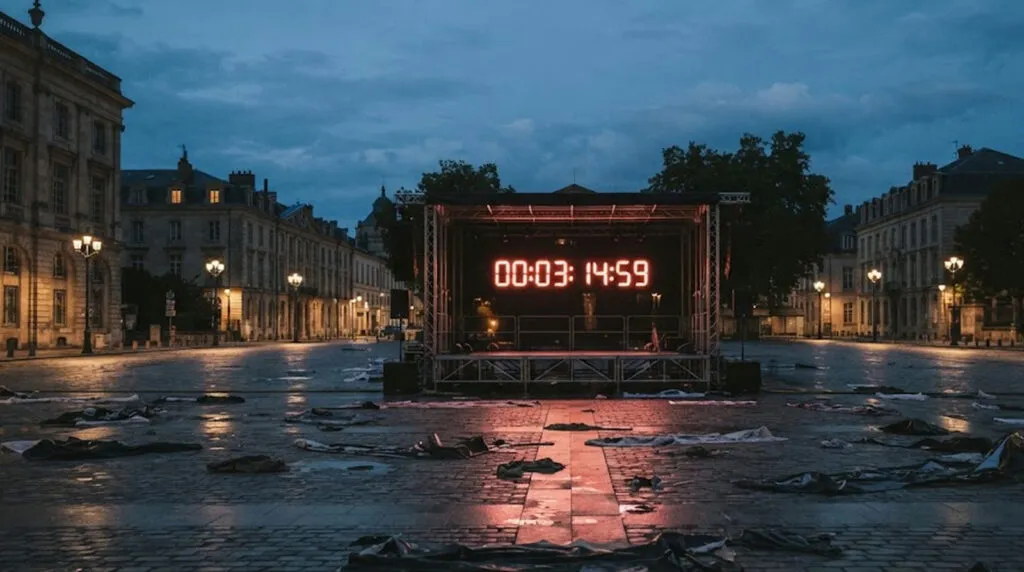
Thousands of people under a digital clock and a banner asking for them to be found innocent. On Wednesday The...
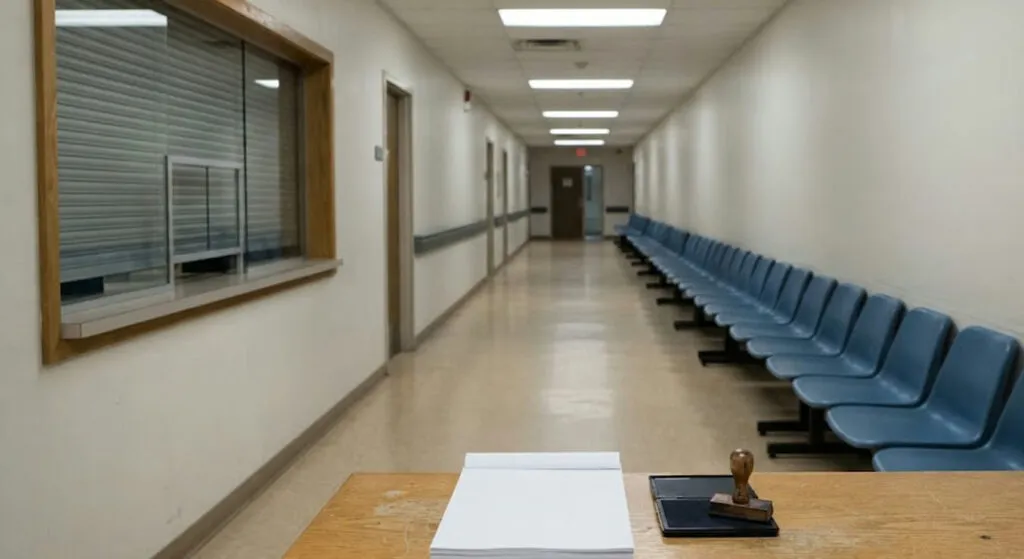
The ruling list sailed through without a single problem, the student list was left waiting in line. Nobody banned anything...
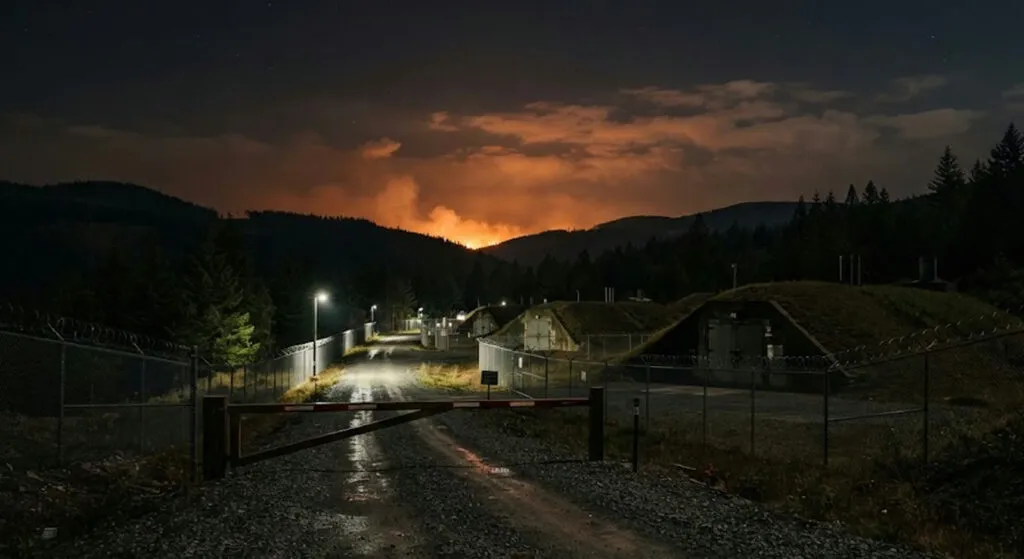
The same firm that supplied ammunition to Ukraine for years is burning for the second time in a month. Seven...
A third attempt in three years, but this time the signatures came from the government benches too. Six MPs from...
Four days before the Hague verdict, the square in Pristina told the court it should back down. Among the guests...

Nobody banned anything - the line item simply stopped paying for itself. That is the purest version of modern censorship,...
This site uses cookies - is that okay? Learn more
Be the first to know when Metla launches something new
Leave your email and we will write when there is a new guide or something new on Metla.