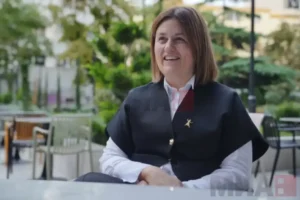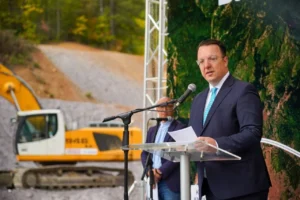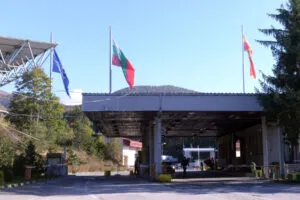
No Passport, on the Stop List, and Yet in Sofia: Who Let Iva Mihailova Across the Border?
13.10.2026


13.10.2026
13.10.2026
13.10.2026
13.10.2026
13.10.2026
13.10.2026
13.10.2026

12.10.2026

12.10.2026
13.10.2026
13.10.2026

12.10.2026
13.10.2026

13.10.2026

13.10.2026

13.10.2026

12.10.2026

11.10.2026

13.10.2026

13.10.2026

13.10.2026
13.10.2026

13.10.2026

13.10.2026
12.10.2026

10.10.2026

08.10.2026

23.04.2026

23.04.2026

12.04.2026

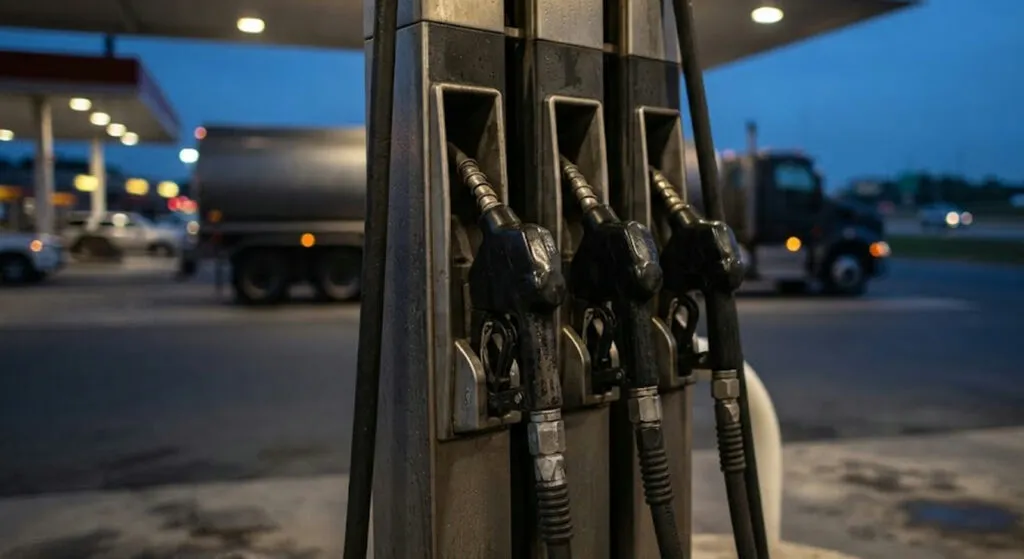
In Washington, the Russian diesel deal is being sold as a way to get cheaper fuel. In Belgrade, Aleksandar Vučić reads it differently. Speaking live on social media, the head of the "Aleksandar Vučić - United Serbia" electoral list said the agreement between Donald Trump and Vladimir Putin changes things in the world - strategically. "Not because of 300,000 tonnes or several million tonnes of diesel, those are trifles. Much more important is that the Americans have thereby broken the chain of sanctions that exists against the Russian Federation," he said.
The statement didn't go unnoticed in Moscow. Russian media, including RBC and TASS, highlighted his assessment that Washington was the first to step back from the policy of sanctions pressure on Russia. According to RBC, Vučić described Trump as a pragmatic leader trying to solve America's domestic economic problems - above all, high fuel prices.
The numbers behind the deal are concrete. On 9 October, after a phone call between Trump and Putin, the US Treasury issued General License No. 135, which until 7 April 2027 permits transactions related to the sale, transport and import of Russian diesel, including into the American market. Trump announced that Russia would first deliver more than 300,000 tonnes, then another 500,000 tonnes in November and a further million tonnes later.
Responding to estimates that Moscow could earn six to seven billion dollars, Vučić noted that production and delivery swallow 60 to 70 percent of that sum. The political gain, he said, is far greater: Russia gets a chance to break Western unity on sanctions and further deepen the rifts between Washington and European capitals.
And then comes the part meant for the home audience. According to Vučić, Serbia is no longer alone in its decision not to sanction Russia, because now not even the US can be said to be fully enforcing the existing restrictions. At the same time, he warned that he expects even stronger European pressure on Belgrade to join the sanctions - even though Washington itself has decided to loosen some of its measures.
The logic is familiar to anyone who follows Balkan politics: when the big players change the rules, the smaller ones look for proof that they were right all along. Belgrade has been balancing between Brussels and Moscow for years. Does one diesel deal really change that equation - or does it just hand the election campaign a new argument?
The latest 10 news from this category
Of the four questions only one is binding, and the one that matters most to people from the former Yugoslavia...
Since the start of 2025 Republika Srpska has spent over four million dollars on lobbyists close to Trump. When that...
Tiny Montenegro detained the man whose project Washington offered up to 10 million dollars for information about, and is expelling...
The Hague tribunal sentenced Slobodan Praljak to 20 years, he poisoned himself in the courtroom, and eight years later a...

Serbia isn't mentioned by name, but everyone knows who it's about. And the list of conditions for Balkan candidates has...
The White House says lifting the sanctions averted a catastrophe, but won't say what kind. A company founded four days...
The bookmakers have him at 1.20 to become prime minister, and he wants more than 50 percent of the vote....
Economist Justina Shiroka Pula is Kosovo's new president, elected minutes before the deadline after a deal to curb the powers...
The video has over half a million views, and Serbia's Defence Ministry is silent. If two lads with a camera...
Hungary has a new prime minister, but Dodik is still getting congratulations from Orbán. What is support worth from a...
This site uses cookies - is that okay? Learn more
Be the first to know when Metla launches something new
Leave your email and we will write when there is a new guide or something new on Metla.