
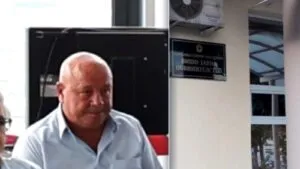
Head of Bitola's Higher Prosecution Office Loses His Passport: Suspected of Lobbying for Lighter Sentences in at Least Four Cases
08.10.2026


08.10.2026
08.10.2026
08.10.2026
08.10.2026

08.10.2026
08.10.2026

08.10.2026
08.10.2026
07.10.2026

08.10.2026

08.10.2026

07.10.2026
08.10.2026

08.10.2026

08.10.2026
08.10.2026

07.10.2026

06.10.2026
08.10.2026

08.10.2026
08.10.2026

08.10.2026
07.10.2026
07.10.2026

09.03.2026

27.02.2026

19.02.2026

08.10.2026

07.10.2026

06.10.2026
08.10.2026
06.10.2026

05.10.2026

23.04.2026

23.04.2026

12.04.2026


Nine Mediterranean member states of the European Union agreed in Split: glorifying war crimes and genocide is a political obstacle to joining the EU. That's the essence of the Split Declaration, adopted at the MED9 summit, where Croatia secured consensus to set such behaviour as a condition for candidate countries. Serbia isn't mentioned by name anywhere. It didn't need to be.
The leaders ask candidates for "genuine commitment to reconciliation and unequivocal rejection of the glorification of war crimes and genocide". In the document, MED9 confirms it sees the Western Balkans' future in the Union and describes enlargement as a geostrategic investment in peace, security and prosperity. To the existing conditions - reforms, rule of law, good-neighbourly relations - the attitude towards war crimes is now being added.
A month after Mladić's funeral
The initiative didn't come out of nowhere. Just a month earlier, Ratko Mladić was buried in Belgrade: thousands of people, a coffin draped in the Serbian flag, military honours and members of the Serbian government at the send-off of a man sentenced to life in prison for the Srebrenica genocide and war crimes. Ursula von der Leyen and António Costa called those images shocking at the time, and the EU said that glorifying war criminals, denying genocide and revisionism have no place either in the Union or in candidate countries. Now that message has been written into the Split Declaration too.
The summit, which closed Croatia's presidency of MED9, was hosted by Prime Minister Andrej Plenković. In Split he welcomed Emmanuel Macron, Giorgia Meloni, Kyriakos Mitsotakis, Nikos Christodoulides, Robert Abela, Luís Montenegro and Janez Janša. Also at the summit were Ursula von der Leyen, António Costa, Commissioner for the Mediterranean Dubravka Šuica, the Crown Prince of Jordan and Prince Albert II of Monaco.
Who will measure the criterion?
It's hard to argue with the principle: whoever celebrates people convicted of genocide hardly shares European values. But for the Balkan candidates, the declaration also carries an older, familiar message. Macedonia has been a candidate since 2005, it even changed its name - and it's still waiting at the door. It knows very well what a list of conditions that only keeps growing looks like.
So the question isn't whether glorifying criminals is acceptable. It isn't. The question is whether the new criterion will be applied equally to everyone, by clear rules - or whether it will become one more lever that any member state pulls out of the drawer whenever it needs one?
The latest 10 news from this category
The White House says lifting the sanctions averted a catastrophe, but won't say what kind. A company founded four days...

The bookmakers have him at 1.20 to become prime minister, and he wants more than 50 percent of the vote....
Economist Justina Shiroka Pula is Kosovo's new president, elected minutes before the deadline after a deal to curb the powers...
The video has over half a million views, and Serbia's Defence Ministry is silent. If two lads with a camera...
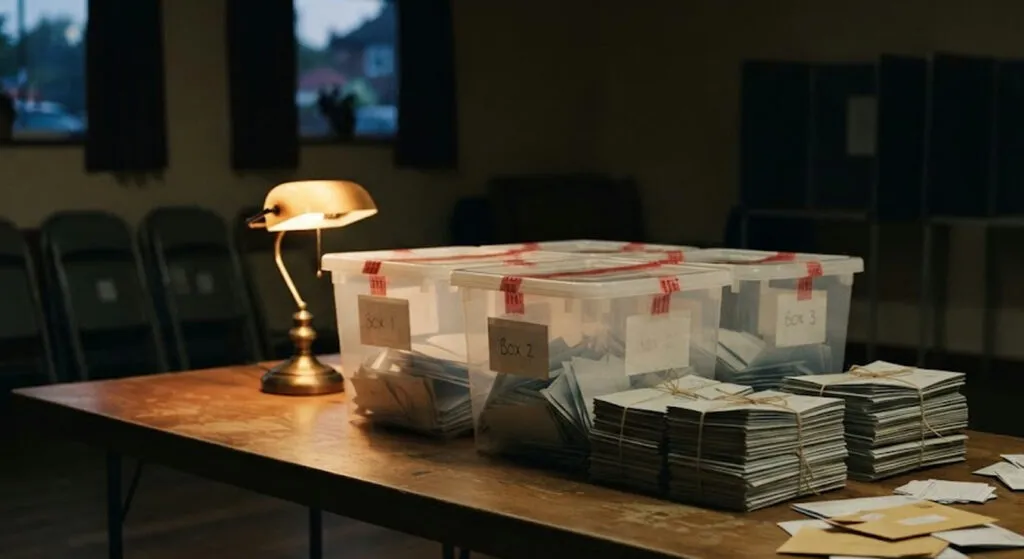
Hungary has a new prime minister, but Dodik is still getting congratulations from Orbán. What is support worth from a...

Croatian services recorded 38 state-sponsored cyber attacks last year, and Moscow responds with phrases like "suicidal course". The Balkans know...
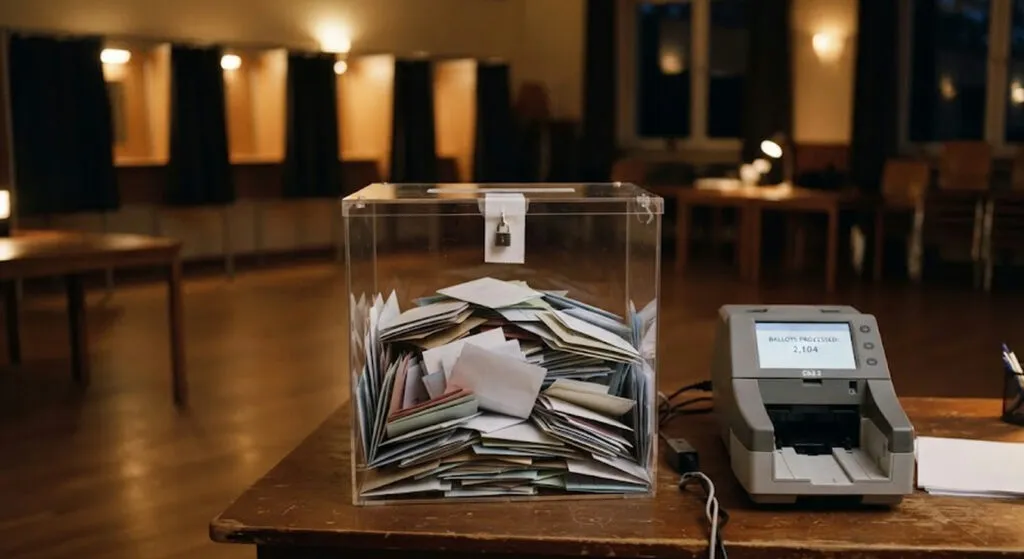
Komšić conceded, Dodik celebrated with a song, and Bećirović dreams of a "Balkan Switzerland". The elections are over - the...
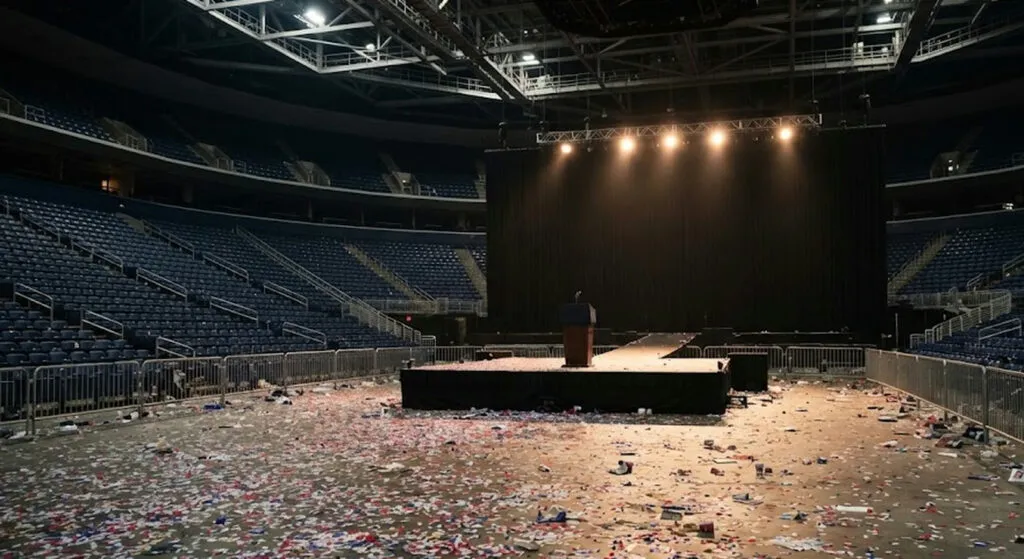
The recent president promises ministers who will be out in the field every day and a hand extended to the...
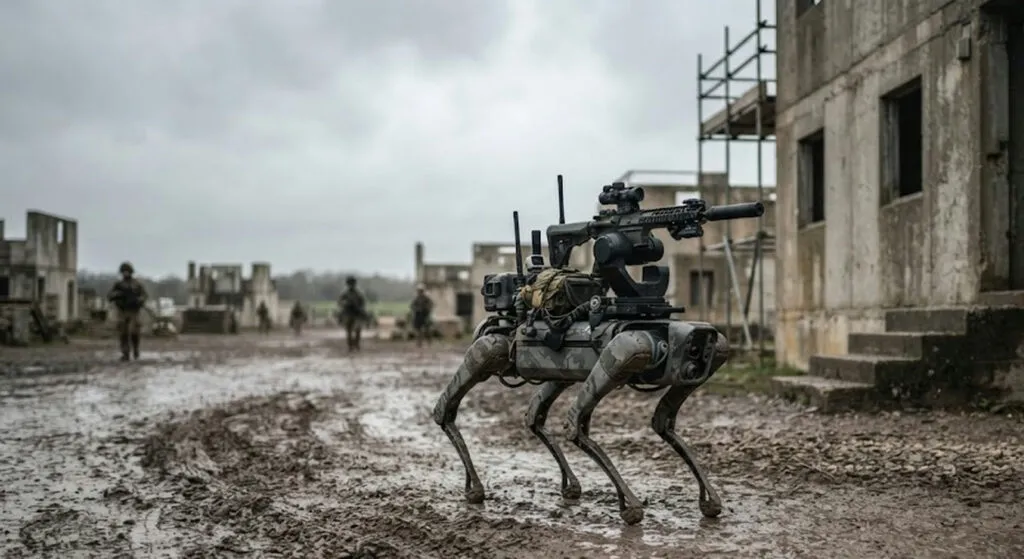
Two weeks after the factory in Šabac opened, four-legged robots with "Osa" rockets are already firing in an exercise. Experts...

The Albanian prime minister wants the veto abolished and says Ukraine has no chance under the current rules. Macedonia, which...
This site uses cookies - is that okay? Learn more
Be the first to know when Metla launches something new
Leave your email and we will write when there is a new guide or something new on Metla.