


Fire by the railway in Prilep: residents watched black smoke over textile waste, "Komunalec" says - a small part, no danger
04.10.2026


04.10.2026
04.10.2026

04.10.2026

04.10.2026
04.10.2026

04.10.2026
04.10.2026

04.10.2026

04.10.2026

04.10.2026

04.10.2026

03.10.2026

04.10.2026

04.10.2026

04.10.2026

04.10.2026
03.10.2026

02.10.2026

04.10.2026

04.10.2026

04.10.2026
04.10.2026

04.10.2026
03.10.2026

09.03.2026

27.02.2026

19.02.2026

04.10.2026
04.10.2026

03.10.2026
04.10.2026

02.10.2026
22.08.2026

23.04.2026

23.04.2026

12.04.2026

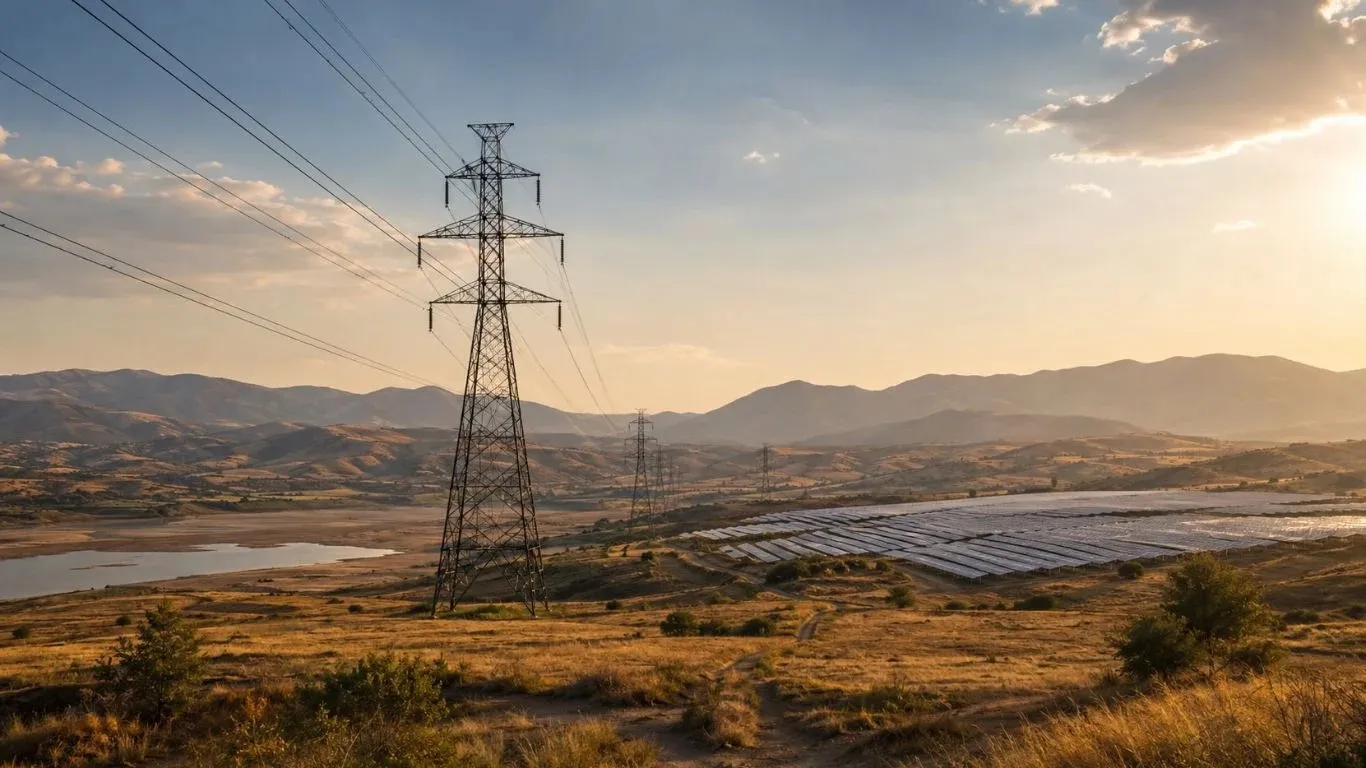
On 3 August, around eight in the evening, a megawatt-hour of electricity in Slovenia cost 717 euros. In Croatia around 650, in Serbia 550, in Romania 535, in Hungary 510. In that same hour Macedonia was at roughly 217 euros and Bulgaria at around 290. The gap is not small - it is threefold.
Before anyone reaches for the flag, it is worth reading why. Macedonia did not do better that day because it did something smarter than its neighbours. It did better because its consumption and generation profile happened to fit more favourably into a regional crisis dictated by drought and temperature.
Evening is the hour when the system breaks
The mechanism is simple, and that is what makes it dangerous. High temperatures push consumption up because of air conditioning. At the same time, once the sun goes down, solar generation vanishes from the system. Demand peaks at exactly the hour when an entire source of supply switches off. That collision is what produces the highest exchange prices.
Add the drought to that. Low water levels cut hydro output, and they also create problems for thermal plants and nuclear plants that use river water for cooling. In Romania one reactor at the Cernavodă nuclear plant is already offline because of the low Danube, with a risk of restrictions on the second one too. In Serbia low water levels are making hydro generation harder, and the authorities have already called for rational electricity use.
Why 217 euros is not good news
Macedonia is not an island in a regional grid. The price here in that hour was lower, but the very statement that Macedonia is „among the cheaper markets” describes a position inside the same crisis, not a way out of it. When neighbouring exchanges are hitting 700 euros, imports get expensive for everyone who imports - and Macedonia is one of them.
Energy experts point to the same list of solutions that has been repeating for years: more generation capacity, battery storage, stronger cross-border connections, and investment in sources that produce when solar does not. This is not a new insight. It is a list that every regional report has contained for at least a decade.
The question for this winter is not whether we will have electricity. The question is whether the 217 euros of 3 August will remain an argument for complacency, or be read as what it is - a warning that on the next evening when the sun sets, the number could be ours.
The latest 10 news from this category
The reduced excise duty and lower VAT on diesel keep prices down, but leave a hole in the budget. At...
7.1 million litres exported against 3.08 million litres imported. Last year the picture was the reverse: we imported more than...
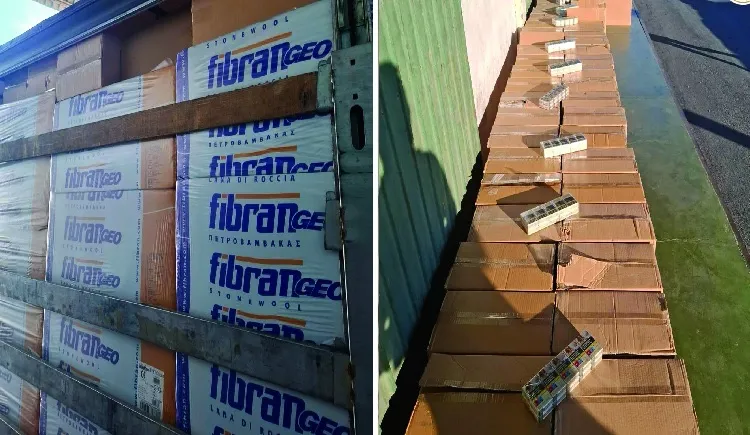
European auditors estimate losses of around 13 billion euros a year. In Macedonia, operation "Filter" uncovered around 70 million cigarettes...
The head of AWS claims data centres don't use much water, don't push up electricity prices and barely pollute. One...

Almost a billion dollars raised, a waiting list of 300,000 people and a check-up insurance doesn't cover. Preventive medicine, or...

The pope isn't talking about style but about substance: the machine calculates on top of other people's images. The industry...
Since spring there has been talk of four hours of cheap daytime tariff and a cheap Saturday. A final decision...
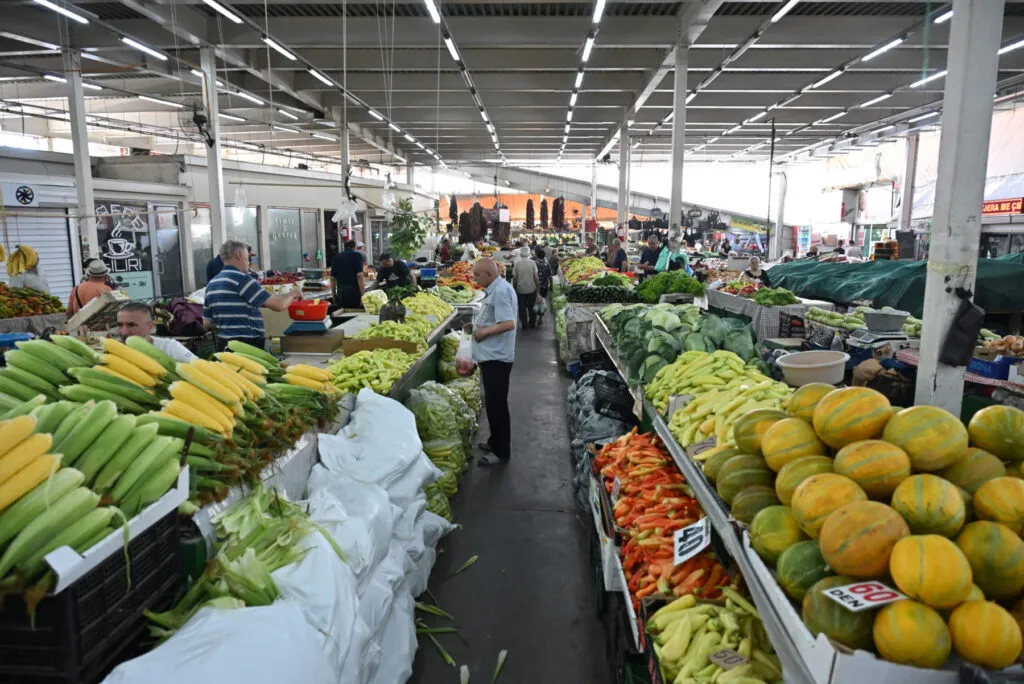
A register of buyers, written contracts, certified scales and fines scaled to company size. The question that remains is who...

Global food prices are at their highest since November 2022. Bakers are holding on with old stock for now -...
A setting created for backups now hands AI agents the keys to the whole computer - messages, mail, browsing history....
This site uses cookies - is that okay? Learn more
Be the first to know when Metla launches something new
Leave your email and we will write when there is a new guide or something new on Metla.