
Twenty-one fires in a single day: the record nobody wanted to break
13.08.2026



13.08.2026

13.08.2026

13.08.2026

13.08.2026

12.08.2026

12.08.2026

13.08.2026

13.08.2026

12.08.2026

13.08.2026

13.08.2026

13.08.2026

13.08.2026

12.08.2026

11.08.2026

13.08.2026

13.08.2026

13.08.2026

13.08.2026

13.08.2026

12.08.2026

09.03.2026

27.02.2026

19.02.2026

13.08.2026

12.08.2026

11.08.2026

23.04.2026

23.04.2026

12.04.2026
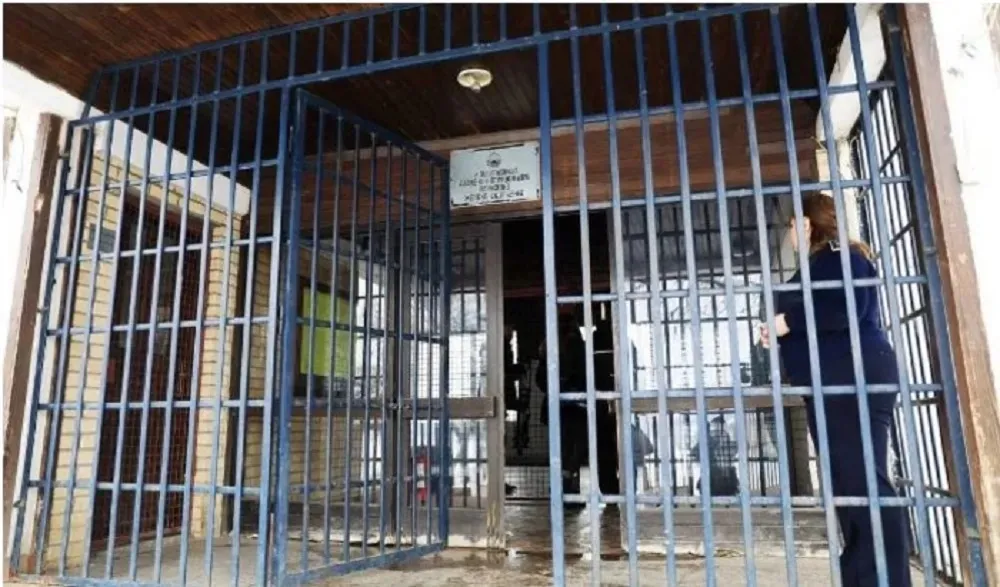
President Gordana Siljanovska-Davkova has reduced the sentence of 71-year-old Šefije Jakupi from the village of Zajas near Kičevo by one year and six months. This is not a release - it is a partial pardon, a shortening of the part not yet served. Jakupi has already spent around seventeen and a half years of a twenty-year sentence for the murder of her husband.
The case is one of those the Macedonian public remembers for the brutality of how it was carried out. The killing happened in December 2007 in Düsseldorf, after thirty-four years of marriage. The body was never found. Jakupi later returned to Kičevo and was located in a psychiatric hospital in Demir Hisar.
Her defence rests on a claim heard in Macedonian courtrooms more often than the statistics admit: that she had been abused for years, that she had been locked in. Such a claim does not erase the crime and does not turn it into something else. But it does raise the question nobody asked in time back in 2007 - where were the institutions during those thirty-four years?
The pardon as a silent institution
A presidential pardon is a constitutional power and requires no explanation to the public. Which is exactly why every pardon opens the same gap: a citizen learns that a sentence has been shortened, but never learns why this sentence and not some other. Was it the age, the state of her health, the seventeen and a half years already behind bars, or the circumstances that preceded the crime?
Against a twenty-year sentence, eighteen months is not a dramatic move - it is a fine correction at the end of a long stretch. But the silence around the criteria is what makes even a small decision look arbitrary. When an institution does not explain how it thinks, the public fills the space with assumptions of its own.
Šefije Jakupi will walk out a year and a half early. The question that remains is not whether she deserved it, but whether anyone will ever find out by what measure it was weighed.
The latest 10 news from this category

The crisis management centre logged 21 active fires in one day - the highest figure this season. At Ramni Gaber...
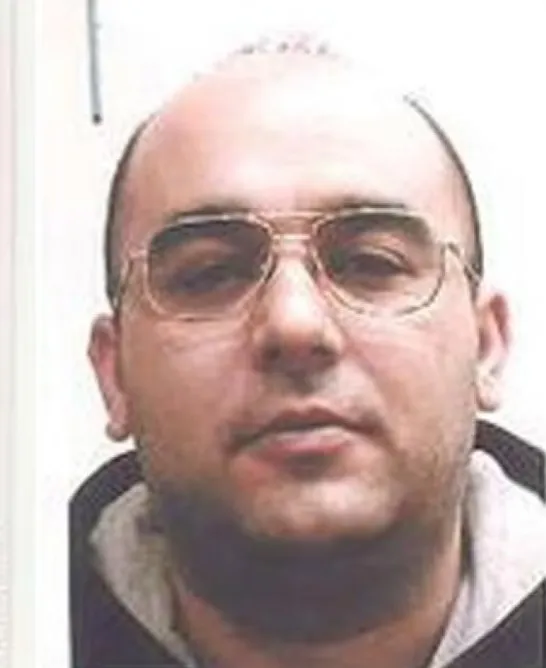
Sentenced to around 28 and a half years, already extradited from Kosovo once - and let out again. The court...

In two days, 1,322 payment orders, 400 of them for speeding, and 32 people detained. The missing number is how...

Labs showed zero bacteria, and the mayor drank a glass on camera. But the landfill near Rašče has been sitting...
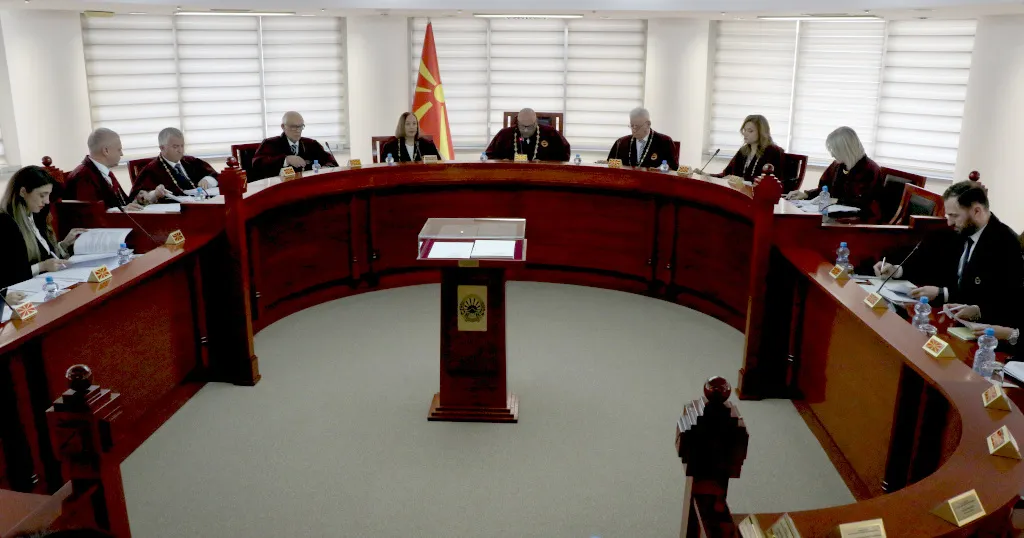
A 2025 ruling simply was not enforced. When the country's top judicial bodies trade press releases, the citizen who won...
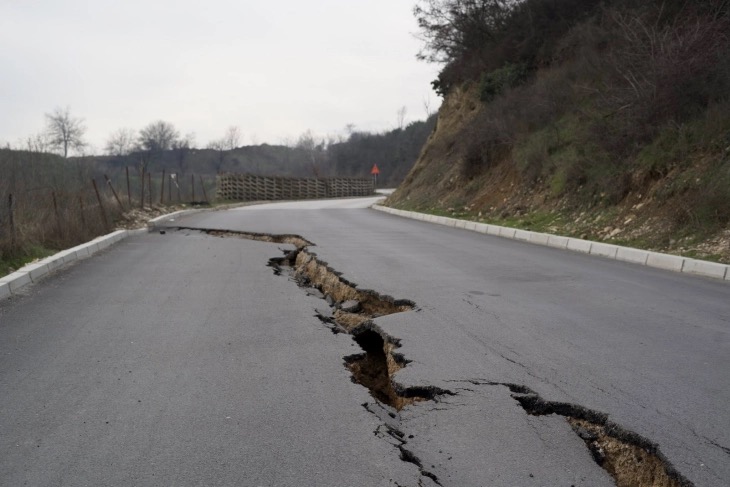
The transport ministry is taking over the landslide after a tender closing on 20 August. The work did not stall...

He jumped from a boat near Slivnica after his oars fell into the water. The Tiger unit's diving teams cover...

Six thousand places under the domes, a five-tonne chandelier and a facade that took first place in Budapest this year....

Bulgaria wants a minority written into the constitution, Macedonia wants the Strasbourg judgments respected. The question left unanswered is what...
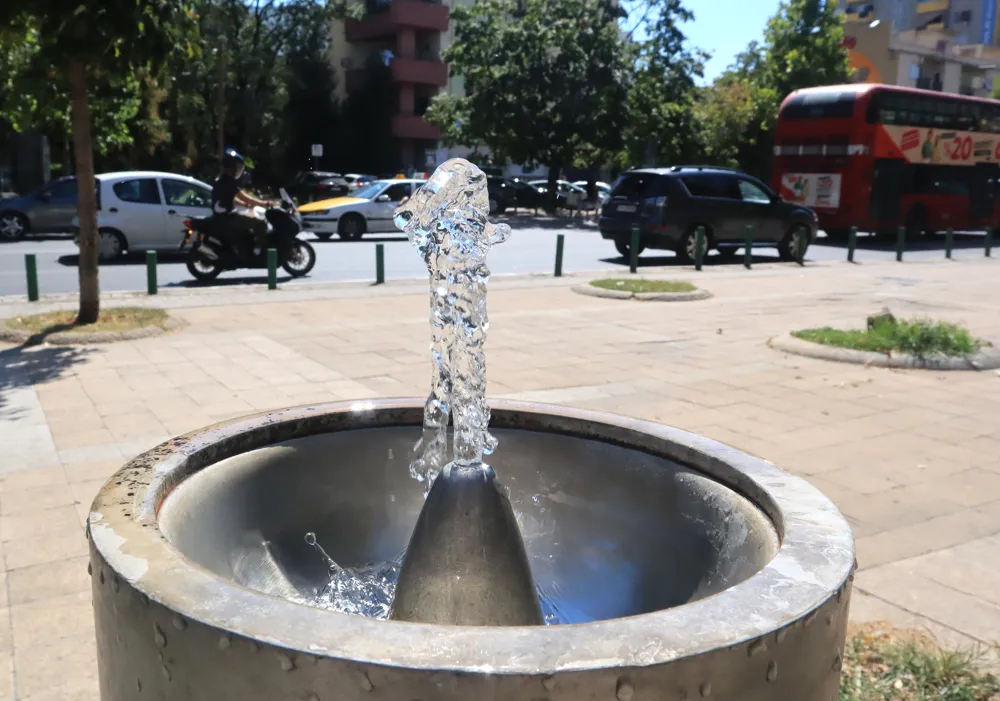
Intestinal infections are rising across the country because of the heat and travel. Yesterday the whole country was talking about...
This site uses cookies - is that okay? Learn more
Be the first to know when Metla launches something new
Leave your email and we will write when there is a new guide or something new on Metla.