
Twenty-one fires in a single day: the record nobody wanted to break
13.08.2026



13.08.2026

13.08.2026

13.08.2026

13.08.2026

12.08.2026

12.08.2026

13.08.2026
13.08.2026

12.08.2026

13.08.2026

13.08.2026

13.08.2026

13.08.2026

12.08.2026

11.08.2026

13.08.2026

13.08.2026

13.08.2026

13.08.2026

13.08.2026

12.08.2026

09.03.2026

27.02.2026

19.02.2026

13.08.2026

12.08.2026

11.08.2026

23.04.2026

23.04.2026

12.04.2026
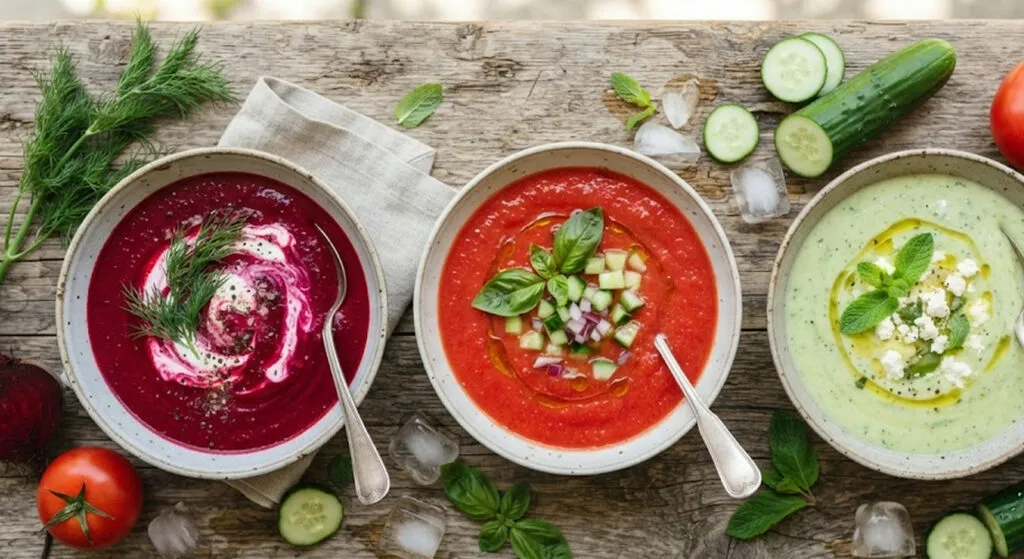
Cold soup sounds like a compromise - something you eat because it is too hot for a proper lunch. In fact, in the hottest weeks it hydrates better than a glass of water, and that is not a marketing line but a matter of composition.
Water passes through the body fast. A soup made of vegetables and fruit brings minerals with it - potassium, sodium, magnesium - which improve the absorption of water. The natural sugars from the fruit help it get where it needs to go faster. Fibre works like a sponge, releasing the water gradually while digestion continues. And the salt in savoury versions keeps the balance rather than wrecking it.
The appliance you use determines the texture more than the recipe does. A food processor gives a creamy, stable consistency and copes with raw, hard vegetables. A blender gives a fine, homogeneous mix but works best with soft ingredients. A juicer gives a very liquid soup, but in doing so removes a large part of the fibre - and with it a large part of the point.
There is one trick that rarely gets mentioned: blend it with ice. That is not only to make it colder. Cold reduces the intensity of sweetness and saltiness, softens sharp garlic, onion and vinegar, and brings out the freshness of the vegetables. The soup is ready to serve immediately, with no wait in the fridge.
The choice is wider than most people think. Strawberries with basil. Classic vichyssoise of leek and potato. Melon with carrot and tomato. Beetroot with red cabbage. Cucumber with avocado and yoghurt. Courgette with goat's cheese cream. Watermelon with garlic and lime. Melon with apple and mint. And peach with melon and coconut. Almost all of them are ready in fifteen to thirty minutes.
Storage has its own rules, and they are not suggestions. Vegetable soups - cucumber, courgette, beetroot, tomato - keep for two to three days. Those with fruit, dairy or seafood are eaten within twenty-four hours. For freezing: fruit ones go grainy and are not worth it, vegetable ones last up to a month and come back into shape with ten seconds of blending.
What you add decides whether the soup is a starter or a meal. A boiled egg, smoked salmon, prosciutto, cheese or cooked prawns turn it into lunch. Home-made vegetable crisps, chopped nuts, herb oils, diced vegetables, citrus zest, sesame or toasted bread cubes give it texture. Back home, tarator with cucumber has been doing the same job for ages - we just never called it soup.
The latest 10 news from this category
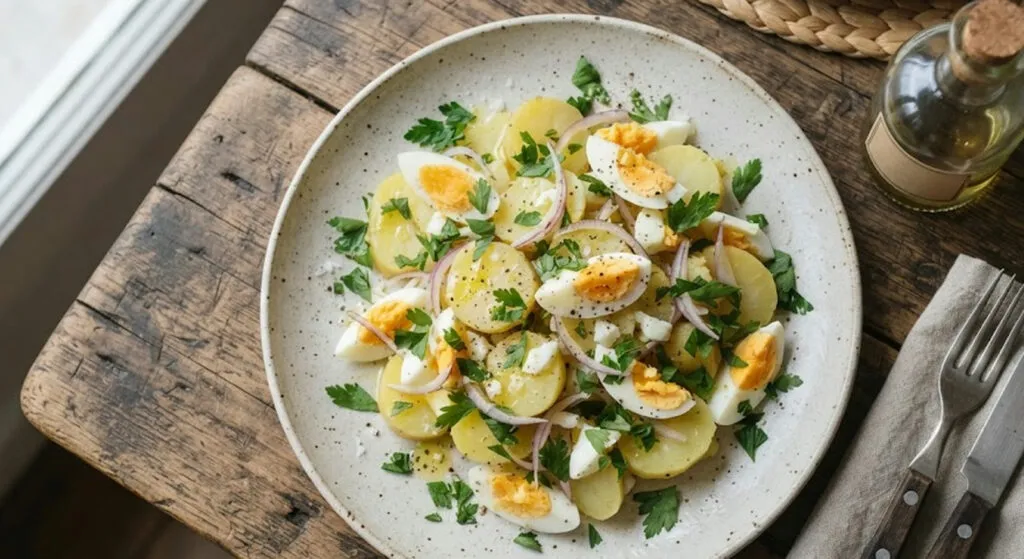
Warm potato absorbs the liquid, cold potato just carries it on the surface. When there is no sauce to hide...
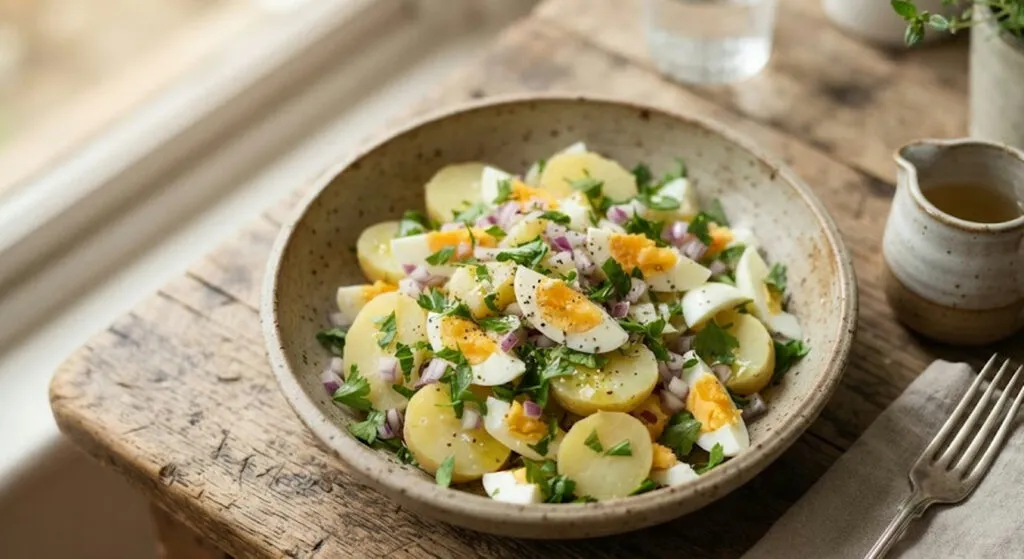
Warm potatoes, not cold. Whoever told you the salad should be chilled in the fridge first sent you in the...
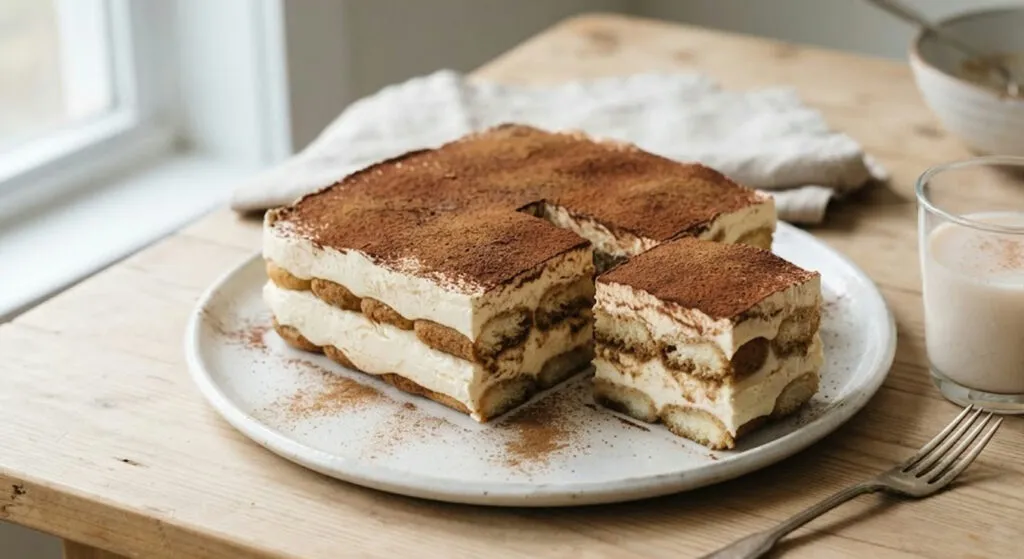
The story about the king who exclaimed „this is gold” is invented, but tiger nut really does contain neither gluten...
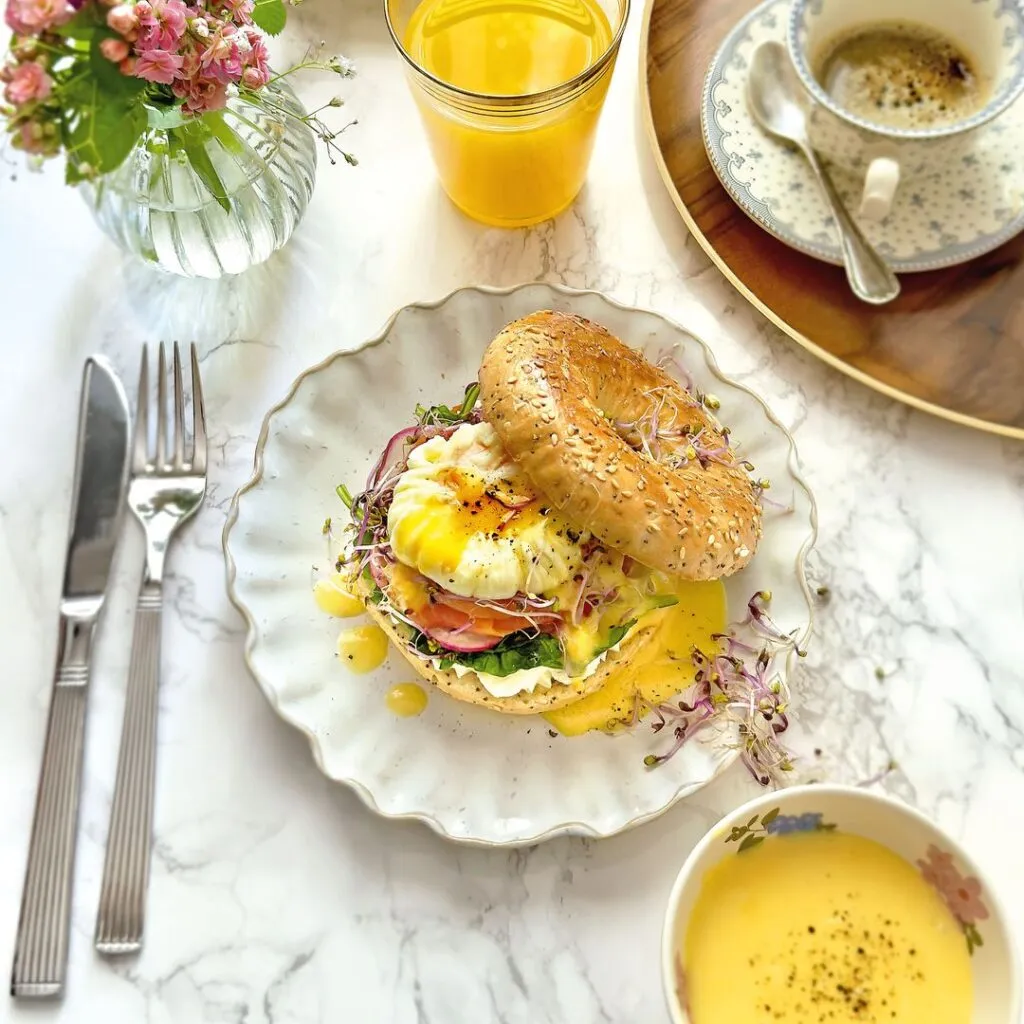
None of the three requires mastery, but all three fail in the same place. Full measures, timings, and the trick...

Two steps decide everything - the marinade is not rinsed off, and after frying the fish goes on a rack,...
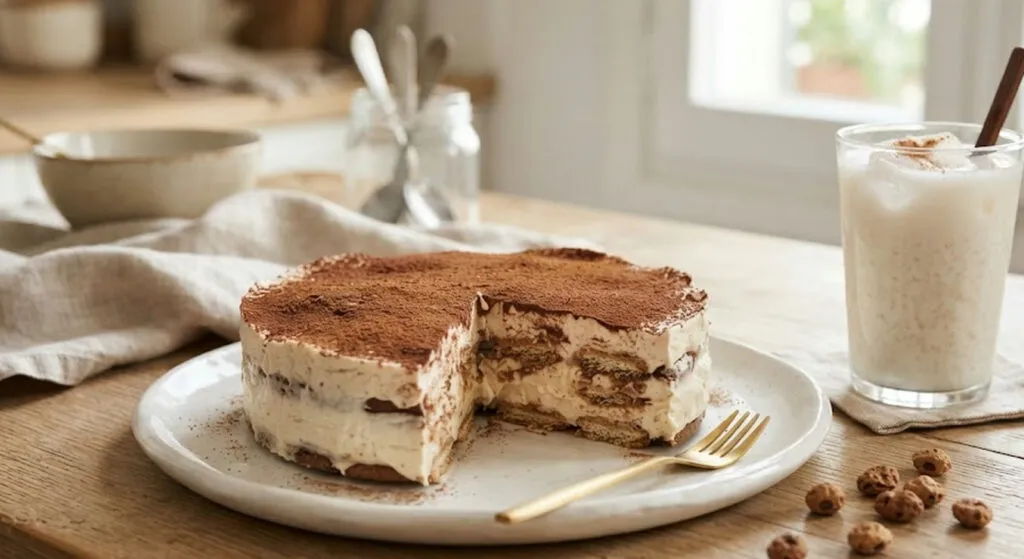
The hardest part is waiting eight hours without opening the fridge. And not holding the sponge fingers in for more...
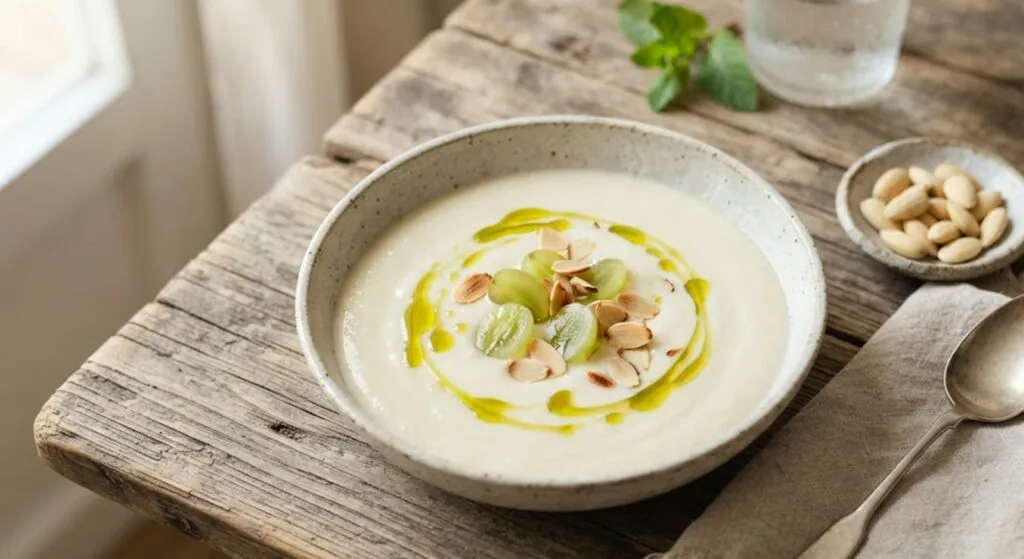
Almonds, bread and garlic - a technique from al-Andalus that survived seven centuries. Gazpacho and salmorejo are the younger versions.

Cazón en adobo was not invented for pleasure but out of necessity - vinegar was the only refrigerator. The full...
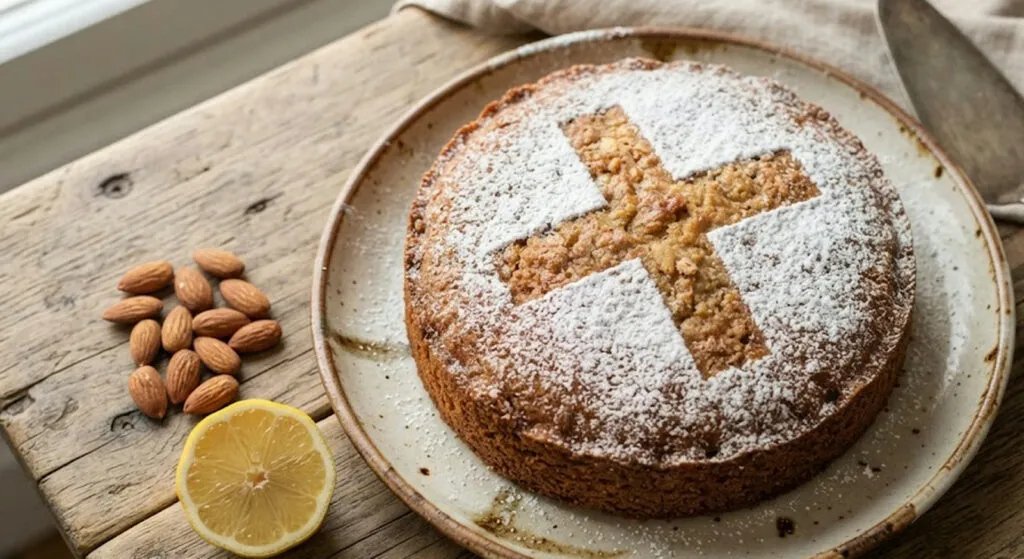
33 percent almond, 33 percent sugar, 25 percent egg - written into a protected designation. And the cross everyone takes...
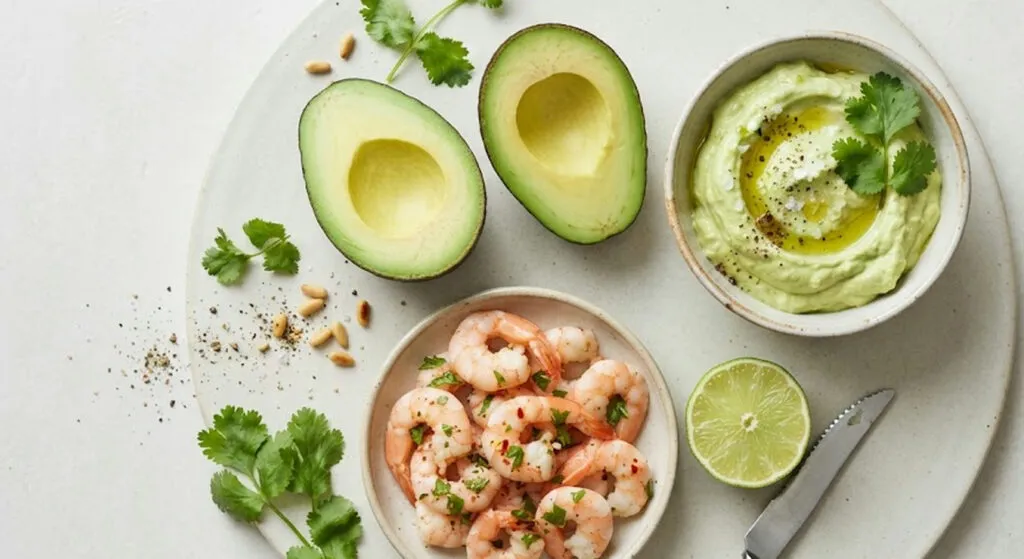
Whipped, it behaves like cream without being cream. A stoned half is a bowl, not a garnish - and none...
This site uses cookies - is that okay? Learn more
Be the first to know when Metla launches something new
Leave your email and we will write when there is a new guide or something new on Metla.