The Entire Interior Ministry Lost Its Health Insurance Overnight: Police Officers Turned Away From Chemotherapy Over One Unposted Entry
11.08.2026


11.08.2026

11.08.2026

11.08.2026

11.08.2026
11.08.2026

11.08.2026

11.08.2026
10.08.2026

10.08.2026

11.08.2026

11.08.2026

10.08.2026
11.08.2026
11.08.2026

11.08.2026

11.08.2026

10.08.2026

09.08.2026
11.08.2026

11.08.2026
11.08.2026

11.08.2026

11.08.2026

11.08.2026

09.03.2026

27.02.2026

19.02.2026

23.04.2026

23.04.2026

12.04.2026
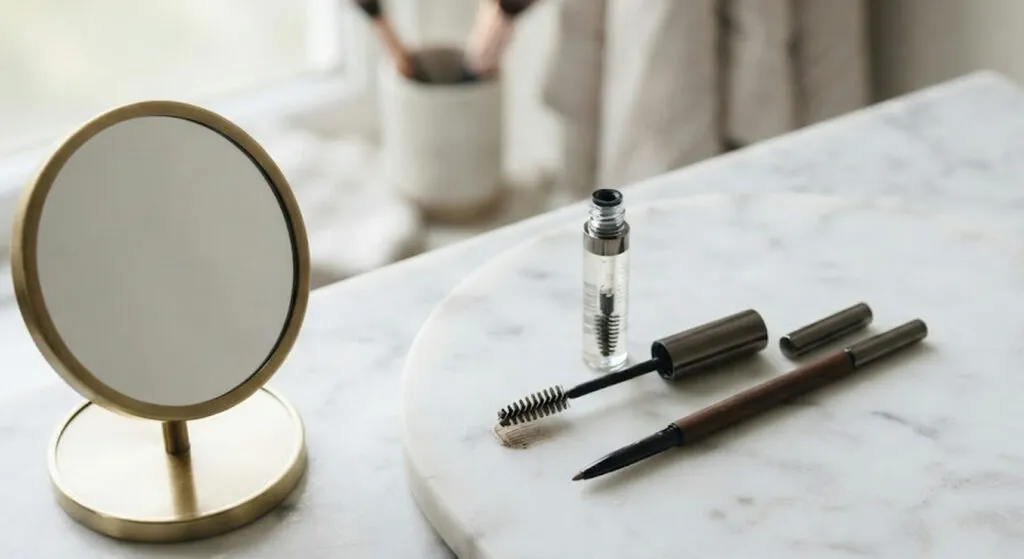
Take a brow gel, apply it against the direction the hairs grow, lift them and then put every hair back in its place. That's all. The move now has its own name, its own hashtag and its own millions of views, and in essence it is something professional make-up artists have been doing for years. The only difference is that now somebody is filming it.
Valentina Troni, a brow specialist, deflates the balloon in one sentence: "Brow brushing is really just combing them upwards so they look thicker, like a fan." For her it is an evolution of styling, not the birth of a revolutionary technique. "It simply gained popularity through exposure from celebrities," she says.
Why going against the growth works at all
The logic is physical, not marketing. When the brush goes against the direction of growth, the gel reaches the root and coats the hair instead of sitting only on the surface. The hair then returns upwards and outwards, but it is already coated, separated and lifted. Optically that gives more volume, even though the amount of hair is the same as yesterday.
Troni is practical about the product too: "It's about putting on large amounts of brow gel. A very strong gel that can hold the brows well. Then comb them to achieve the effect you want." But more doesn't automatically mean better. A formula that shows, that builds up or that sits stiff leaves residue and turns a clean finish into an over-constructed brow.
What no clip tells you
Here is the part that makes the whole piece worth reading. "You have to have a base," Troni insists. Someone with plenty of hair can lift, separate and redistribute it. Someone with a sparse brow cannot create, through fixing, volume that physically isn't there. "Picture a person with a thread for an eyebrow - they can't do this to themselves," she says.
Hair thickness matters too. A fine hair is easier to direct and set, while a thick, coarse brow with a pronounced growth direction takes far more work, and sometimes lamination. Even lamination isn't a permanent fix: "The hair grows and gets its natural volume and its natural growth direction back." Which is why the effect in a photograph doesn't always translate in front of a mirror. "Not everything you see on Instagram or TikTok or anywhere else can be applied to every person."
There is one detail anyone who has done their make-up knows and few say out loud: "Nobody has symmetrical brows." That is why the pencil comes after the combing, with thin strokes only where a gap shows. And finally, the balance of the whole look. If the brow is heavily lifted while the skin is heavily covered, the lips intense and the eyes made up, the result destroys itself. Troni is blunt: "If you don't respect a certain balance, it goes from something stylish to something piled on and crude. And it isn't sustainable for every day."
So: one brush does not replace density that isn't there, and there is no viral brow that suits every face. That is the basic arithmetic no fifteen-second clip will mention, because nobody makes money from it.
The latest 10 news from this category
Every season the fashion industry finds a way to declare your old pieces expired. This time the tool is a...

A long stem lengthens the picture in a couple of seconds, with no other intervention in the outfit. A big...
One model bought in seven colours, a rose worn fifteen years after a christening, a beret made by her own...

It does not promise more hair, but the same result with fewer side effects. And the part the miracle-ampoule industry...

Not a fashion whim - the object predates the trend by centuries, which is why it does not look like...
While other European courts fill front pages with luxury houses, the Spanish court is deliberately going the opposite way. The...
Mixing sunscreen into bronzer or foundation looks like a hack, and in fact cancels out two things at once. The...
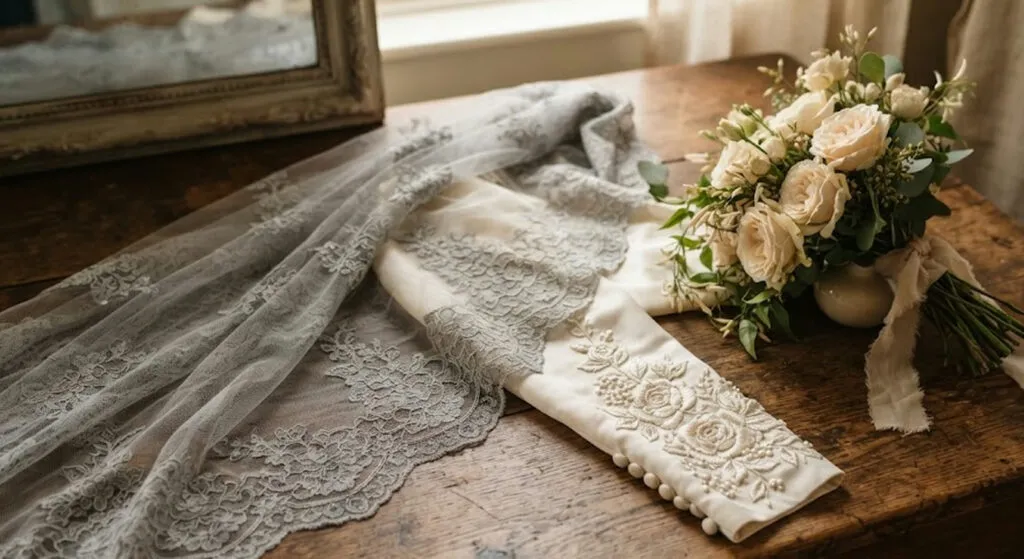
A seven-metre train and 1,200 guests at one, lace instead of white at another. Every detail was counted - the...
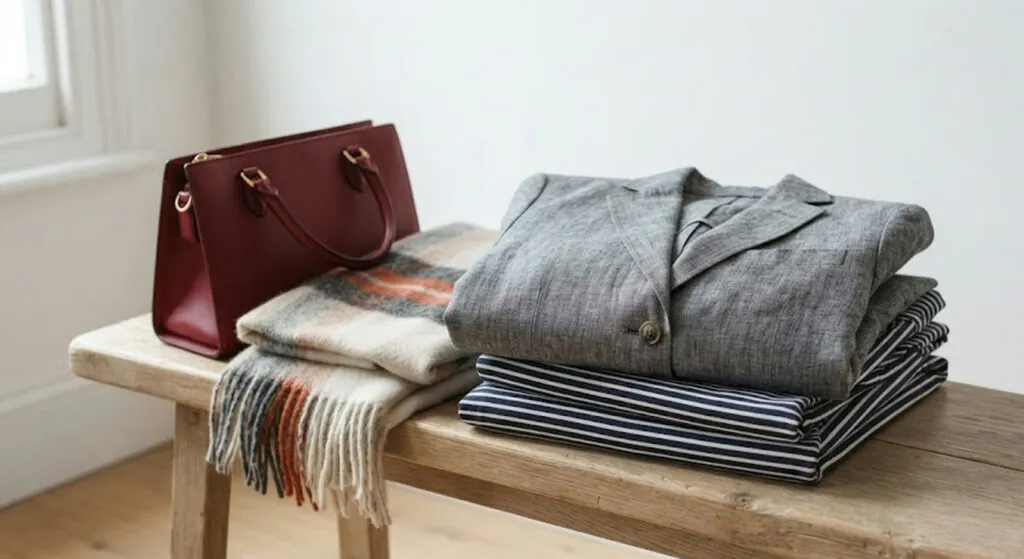
Grey takes over the role of the neutral, and fringing is back via scarves tied around the waist. The question...
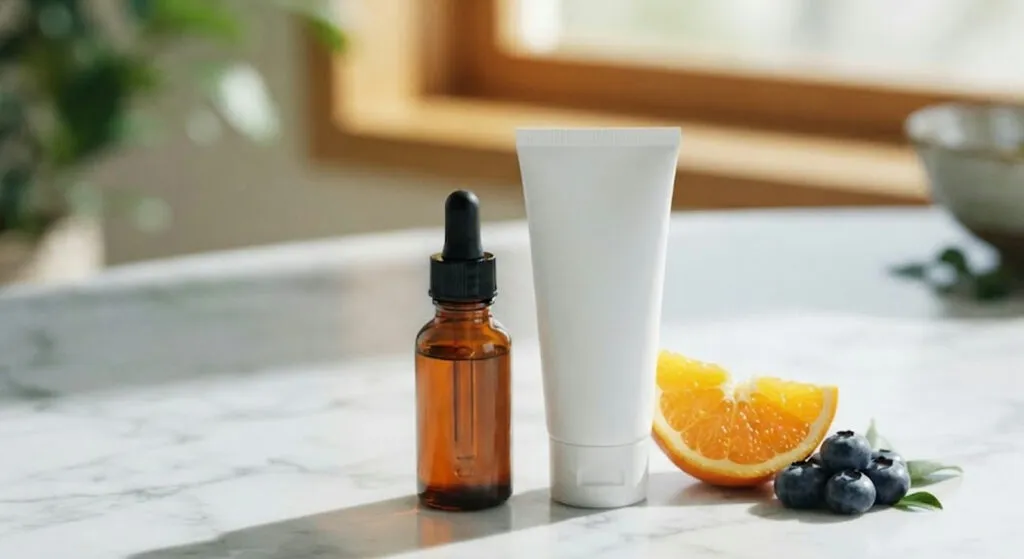
The list dermatologists recommend alongside the cream is free and sits in every market. Nothing on it costs forty euros.
This site uses cookies - is that okay? Learn more
Be the first to know when Metla launches something new
Leave your email and we will write when there is a new guide or something new on Metla.