
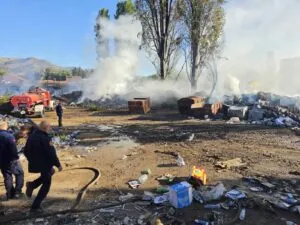
Fire by the railway in Prilep: residents watched black smoke over textile waste, "Komunalec" says - a small part, no danger
04.10.2026


04.10.2026
04.10.2026

04.10.2026
04.10.2026
04.10.2026
04.10.2026
04.10.2026

04.10.2026

04.10.2026
04.10.2026
04.10.2026
03.10.2026
04.10.2026

04.10.2026

04.10.2026

04.10.2026
03.10.2026

02.10.2026
04.10.2026

04.10.2026

04.10.2026
04.10.2026

04.10.2026
03.10.2026

09.03.2026

27.02.2026

19.02.2026
04.10.2026
04.10.2026
03.10.2026
04.10.2026

02.10.2026
22.08.2026

23.04.2026

23.04.2026

12.04.2026

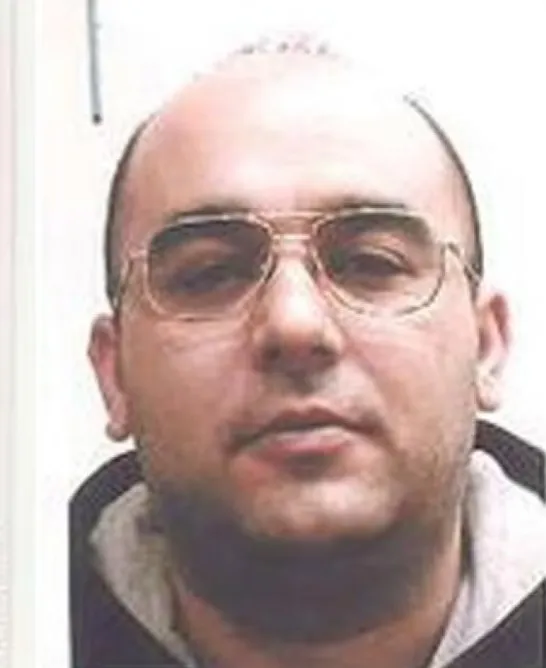
Sentenced to around 28 and a half years in prison, already once a fugitive from Macedonian authorities, tracked down and extradited from Kosovo - and then released from Idrizovo prison for thirty days of medical treatment. Besim Krasniqi from the Skopje village of Kondovo is unreachable again, and the Basic Criminal Court in Skopje has issued a detention order and an arrest warrant.
The chronology is dry, and that is exactly what makes it damning. In May this year the court granted him a thirty-day interruption of his sentence, based on medical documentation stating he needed a procedure at the Clinic for Digestive Surgery - an operation which, as the reasoning went, cannot be performed in prison conditions. When those thirty days ran out, Krasniqi asked for an extension. On 16 June the court refused, finding that the documentation showed no need for him to remain outside. His appeal was rejected too, and the criminal panel upheld the decision.
Then - silence. On 10 July the director of Idrizovo informed the court that the convict had not returned to the facility within the set deadline. The same day a detention order was issued and an arrest warrant scheduled. So the decision that he would not be staying out was taken in June, and he had still not come back in July. The thirty days were long gone.
Who is the man they released
Krasniqi is a 46-year-old resident of Kondovo and the brother of Agim Krasniqi, publicly known as a figure linked to the so-called Kondovo group that was in the security services' sights two decades ago. In May 2024 he was extradited from Kosovo under an international warrant. The interior ministry said at the time that he was wanted to serve prison sentences for robbery, serious offences against public safety, and an offence relating to preparation connected with terrorism.
So this is not a man the system had no data on. This is a man whose file already contains a failure to return from authorised leave, an international warrant and an extradition. A convict's right to appropriate medical treatment is guaranteed by law and nobody disputes that it exists. Something else is in dispute: who carried out the risk assessment, and what exactly was the mechanism meant to guarantee his return once the treatment ended?
Judging by the outcome, the answer is that no such mechanism effectively existed. The documentation was reviewed, the deadlines were counted, the appeals were rejected - and the man simply did not turn up at the door. Now a warrant is being issued again for the same person it was once issued for before.
If a system loses the same convict twice, the problem is not the escapee. The problem is that between the medical opinion and the prison gate there is nobody who answers by name.
The latest 10 news from this category
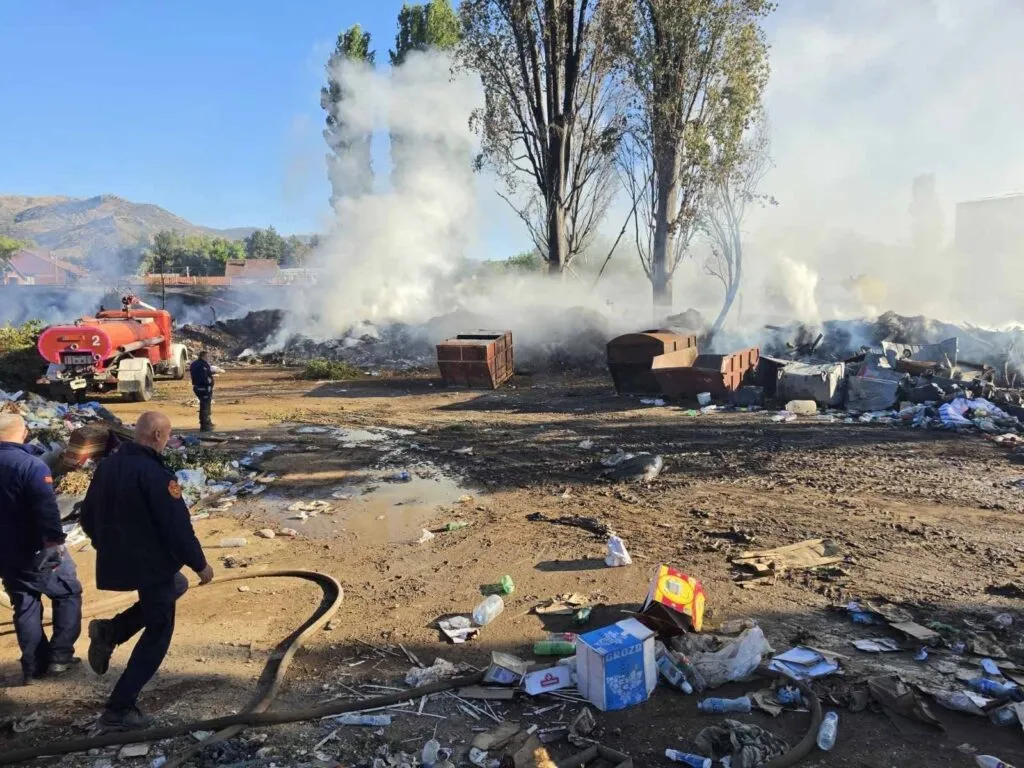
On one side, thick, choking smoke visible even from the road to Bitola. On the other - a statement that...
A fifteen-year-old robbed under threat of a sharp object, three primary school pupils attacked on a day trip, a seventeen-year-old...
Unresolved property relations over a village road, a sharp object and traces of blood. The 75-year-old suspect has been detained.
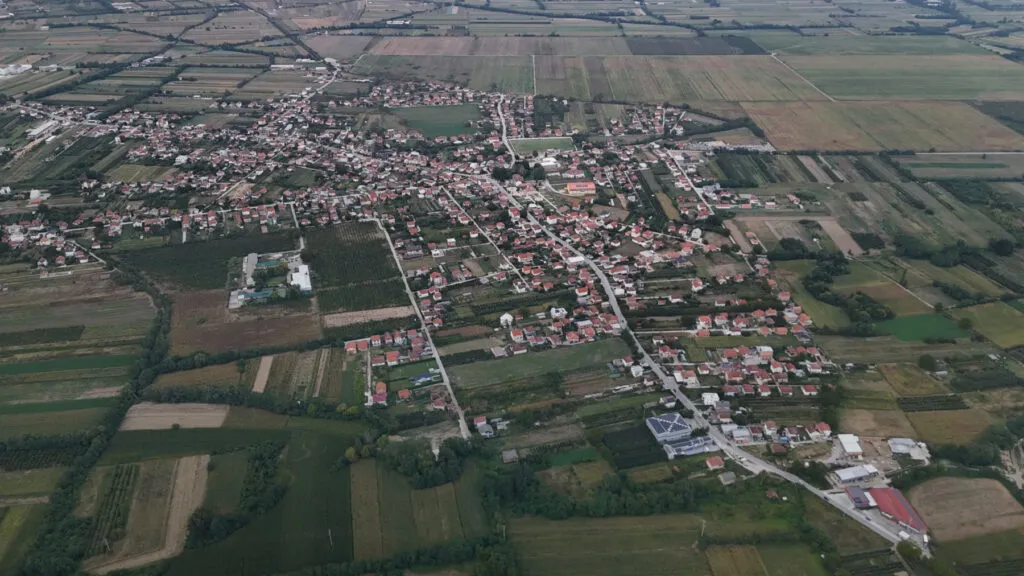
Extending the old road, water for Gurgurnica, young people who shouldn't leave and municipal companies. One candidate didn't respond to...
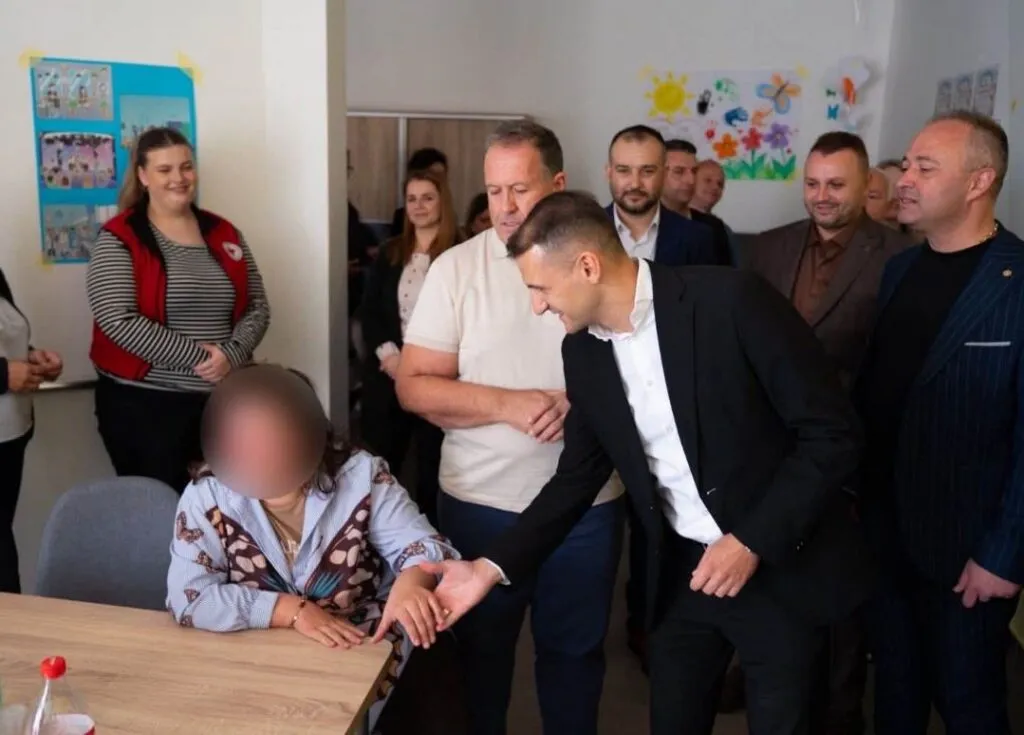
Minister Velkovski opened the centre and spoke of a society in which everyone has an equal chance. Capacity is 12...
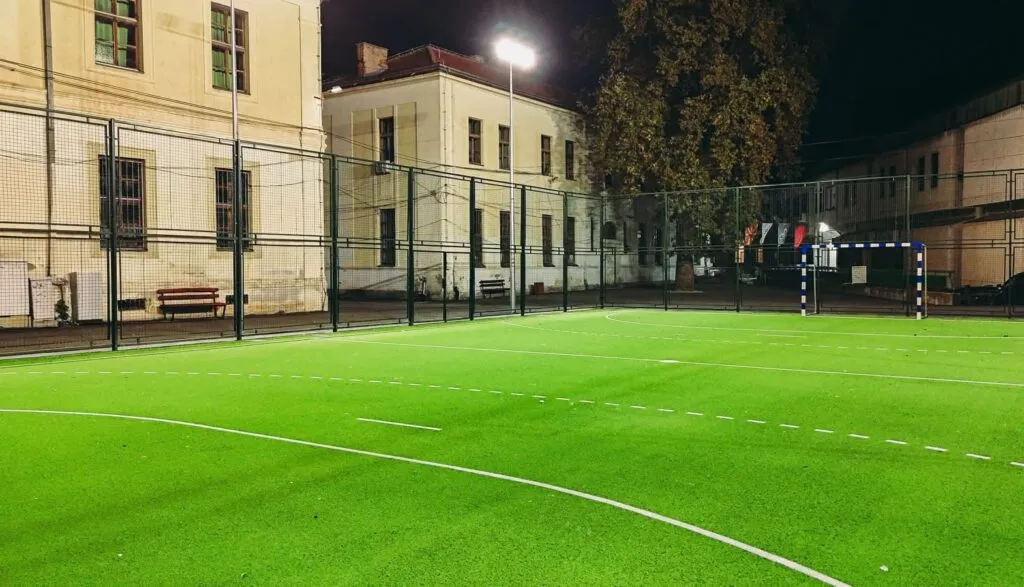
Futsal, handball and basketball, a fence and lighting. The money comes from a government call, and the real test comes...
The constitutional changes stay on the table, and Skopje has requested a bilateral meeting with Bulgaria. So far there is...
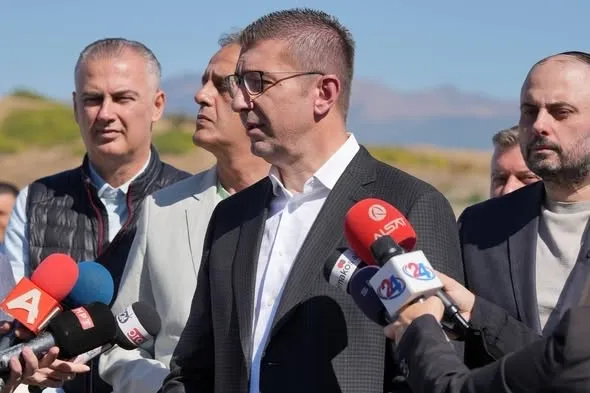
As Greece handed Bulgaria the remains identified as Samuel's, the prime minister answered with history. His dates didn't add up.

Just to preserve the purchasing power of the 140 denars, food prices say it should be around 151. Instead, the...
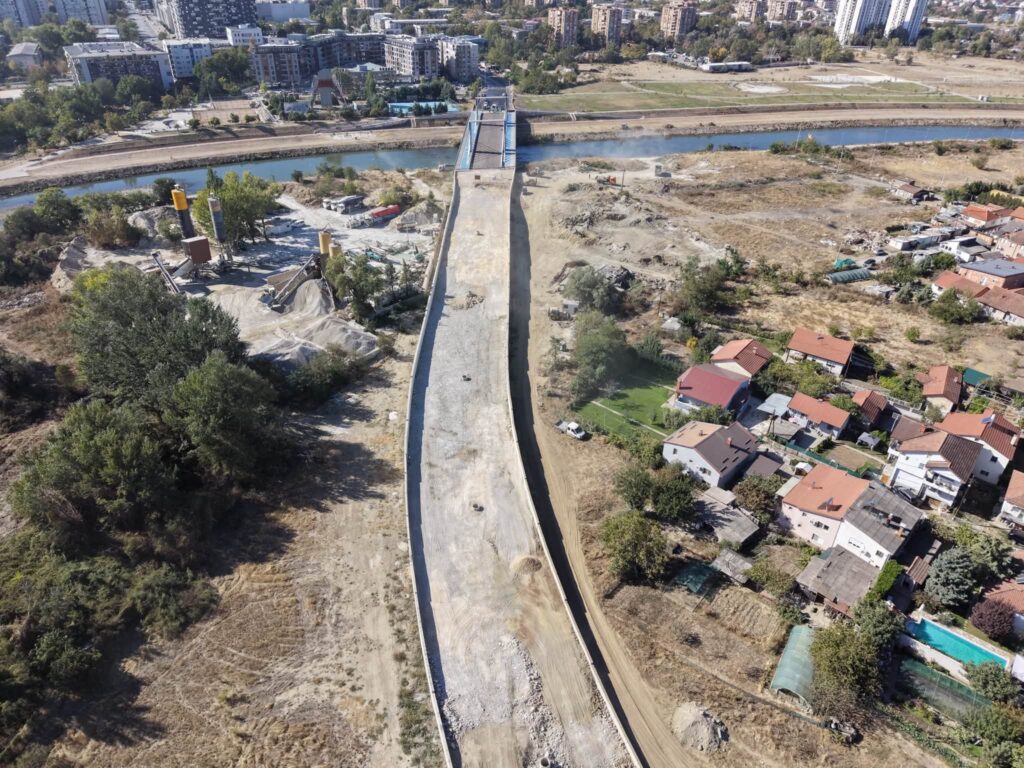
A new link to Zlokukjani, Bardovci and the Industrial Zone, four lanes and 40 street lights. Gjorgjievski pinned the blame...
This site uses cookies - is that okay? Learn more
Be the first to know when Metla launches something new
Leave your email and we will write when there is a new guide or something new on Metla.