


The OLVX stolen-password market led to Golema Rečica: the Interior Ministry celebrates the operation but stays silent on whether there are Macedonian victims
16.10.2026


16.10.2026
16.10.2026
16.10.2026
16.10.2026

16.10.2026
16.10.2026

16.10.2026

15.10.2026

15.10.2026

16.10.2026

16.10.2026

15.10.2026

16.10.2026

16.10.2026

16.10.2026

16.10.2026

15.10.2026

14.10.2026

16.10.2026

16.10.2026

16.10.2026

16.10.2026

16.10.2026

16.10.2026

16.10.2026

15.10.2026

14.10.2026
15.10.2026

13.10.2026

12.10.2026

23.04.2026

23.04.2026

12.04.2026

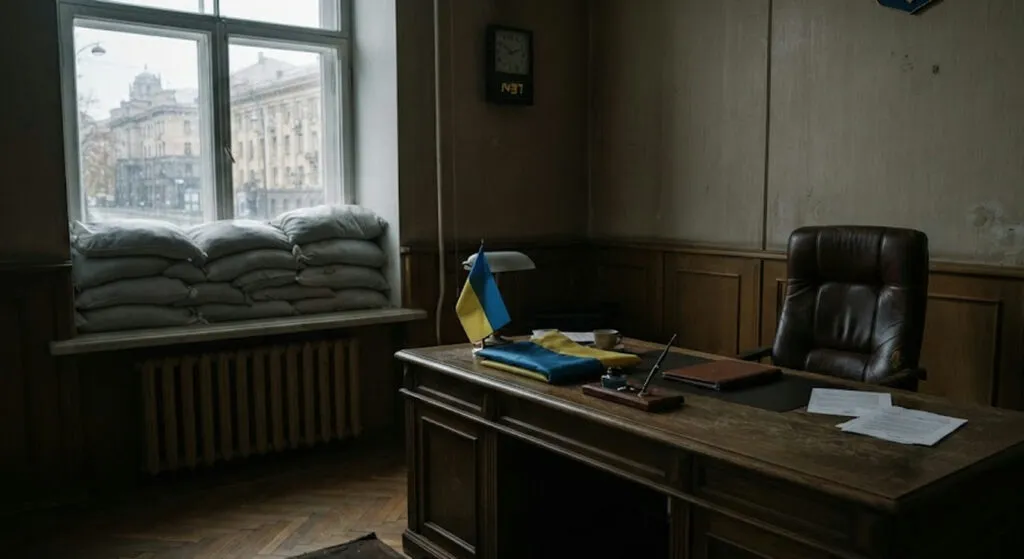
Volodymyr Zelensky's term was supposed to end in 2024, but Ukrainian law bans presidential elections while martial law is in force. The American magazine Newsweek is nonetheless already drawing up a list of possible successors - and it features four names Kyiv knows by heart.
They are former commander-in-chief of the Ukrainian army Valerii Zaluzhnyi, head of the Presidential Office Kyrylo Budanov, former defence minister Mykhailo Fedorov and former president Petro Poroshenko. Some Russian media stress that Budanov and Poroshenko are on Russian lists of people designated as terrorists and extremists - but that's a Russian legal classification, not international recognition.
The general leads on trust
Zaluzhnyi, who is now ambassador to the United Kingdom, enjoys the highest level of trust of all the politicians mentioned, according to a survey by the sociological group Rating. In the poll carried out from 3 to 5 October 2026, 64 percent of respondents trust Zaluzhnyi, and 53 percent trust Zelensky.
But trust and votes are not the same thing. In a hypothetical first round of presidential elections, Zelensky would get 22.9 percent and Zaluzhnyi 20.2 percent. People trust the general more, yet the ballot still slightly favours the sitting president. How many times have we seen war glory turned into political capital - and how often does that glory survive once the real campaign starts?
Budanov, Fedorov and Poroshenko
Budanov, the former head of Ukrainian military intelligence, has a trust rating of 53 percent - the same as Zelensky - but gets only 6.7 percent in a hypothetical first round. Fedorov, the former defence minister, has 7.6 percent support. In August he called for considering the possibility of holding elections even under martial law, which drew political reactions in the country.
Poroshenko, president from 2014 to 2019 and leader of the opposition party European Solidarity, remains a figure carrying heavy baggage. His numbers show limited support: 24 percent trust him, while as many as 70 percent of respondents don't. He would get 7.6 percent in the first round. Poroshenko has faced criminal proceedings and sanctions in Ukraine.
Elections only with a ceasefire
For now, all of this is just a game of polls. On 11 October Zelensky said he was ready to organise elections if Russia agreed to a full 60-day ceasefire. The Kremlin rejected the proposal the very next day, saying Moscow wants a comprehensive, long-term peace agreement, not just a temporary ceasefire.
So the question of who will sit in the chair in Kyiv isn't settled by Newsweek or by a poll. It will be settled on the day the guns fall silent - and for now, nobody can see that day.
The latest 10 news from this category

Najmeh Amini was arrested at the January protests and has now been sentenced to death over a single post. More...
The law is signed, the deadline is October 18, and nobody in Washington is preparing the sanctions. It seems that...
A routine check-up, 90 minutes on the operating table and the word "adenocarcinoma" said out loud. How many Balkan governments...
More than 1,600 new names on Europe's blacklist, against 4.8 million tonnes of Russian diesel that Trump is letting onto...
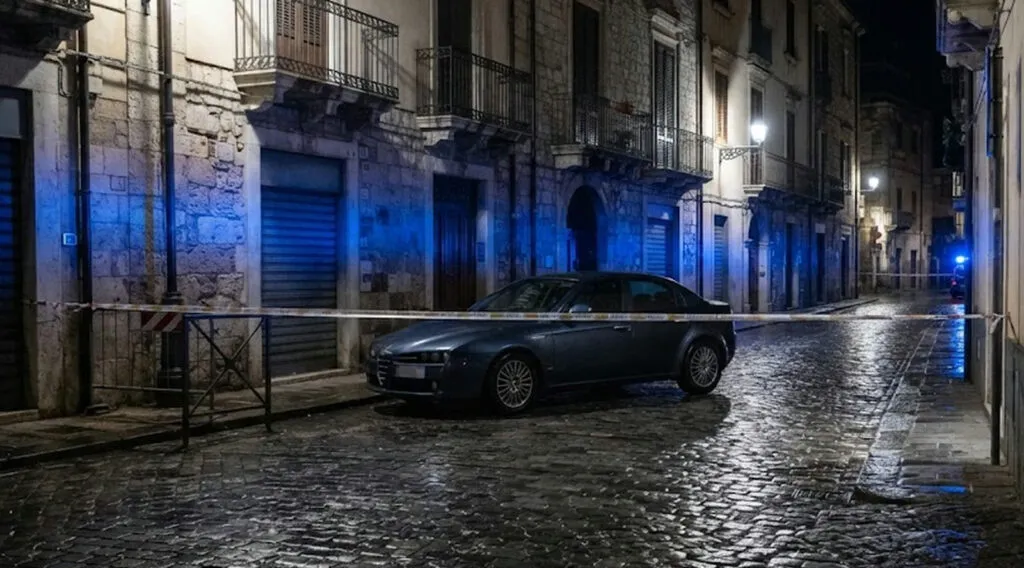
One person killed next to the European Parliament building, a police officer shot in the head in the suburb of...

All of Austria, Luxembourg and chunks of ten more countries, posted on German Unity Day. The Balkans know that maps...

Tehran treats any ship with its identification system switched off as hostile, while Washington boasts of four ships disabled and...
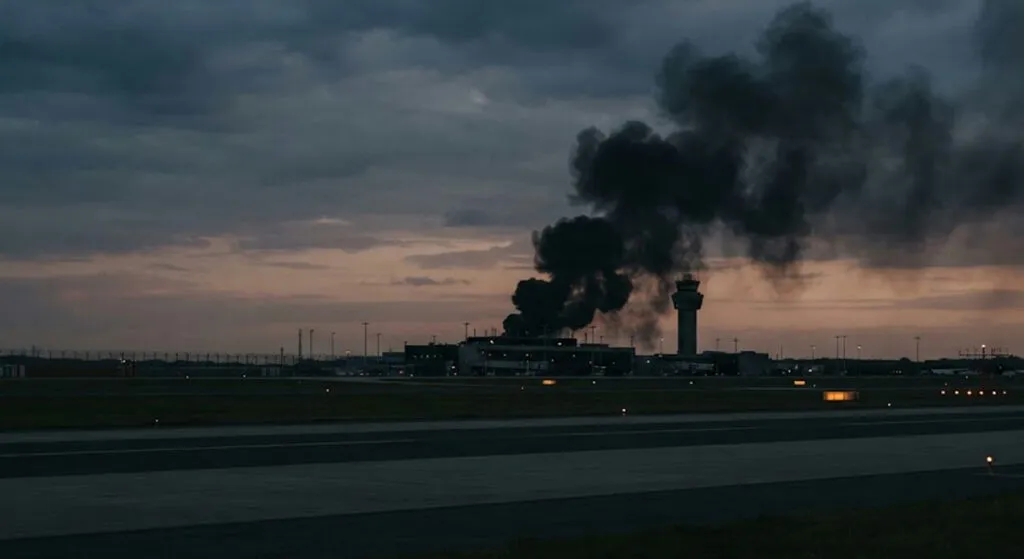
Thirteen killed at Saudi Arabia's biggest airport, and the government declared no alert and didn't address the nation. When institutions...

The GRU recruits people on Telegram to photograph factories, and executives in Germany are being advised to hire private security....

The American farmer wants cheaper diesel, and the money goes to Moscow. It turns out sanctions hold only until they...
This site uses cookies - is that okay? Learn more
Be the first to know when Metla launches something new
Leave your email and we will write when there is a new guide or something new on Metla.


