
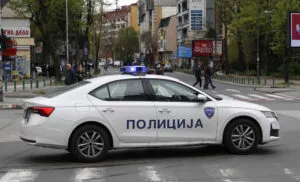
A week after the police brutality story, the Interior Ministry has its own version: the passenger took the officer's gun
15.10.2026


15.10.2026

15.10.2026
15.10.2026

15.10.2026
15.10.2026

15.10.2026

15.10.2026

14.10.2026

13.10.2026

15.10.2026
15.10.2026

14.10.2026

15.10.2026

15.10.2026

15.10.2026

15.10.2026

14.10.2026

13.10.2026

15.10.2026

15.10.2026

15.10.2026

15.10.2026

15.10.2026

15.10.2026

15.10.2026

14.10.2026

13.10.2026
13.10.2026

12.10.2026

10.10.2026

23.04.2026

23.04.2026

12.04.2026

US President Donald Trump will most likely not impose new sanctions on Russia - despite the law Congress passed and he personally signed on September 18. That's according to Politico, citing sources in Washington. The White House can use the waiver the law allows, and Moscow would be spared a new wave of American economic restrictions.
The deadline for applying the law's key provisions is October 18, and so far the administration is showing no sign of getting ready. A Senate source told the paper that the most likely scenario is for the White House to drop the additional measures without much public debate, with Congress having no easy way to stop it.
What isn't happening says the most. According to the source, the State Department and other departments have not begun the usual preparations that precede a major package of international sanctions. When Washington really wants to punish a country economically, it means coordination between the State Department, the Treasury and the Commerce Department, accompanied by administrative procedures. There are no such signals now. No final decision has been officially announced.
A law with a back door
The Russia and Iran sanctions law, named after the late Republican senator Lindsey Graham, who for years pushed for tougher economic pressure on Moscow, provides for sanctions on senior Russian political and military officials, state companies, the energy and defence sectors, and the network of tankers used to move Russian oil in spite of Western restrictions. It also provides for secondary sanctions on foreign companies and countries that keep doing business with Russia, including the option of steep tariffs on imports from countries that buy Russian energy.
But the law also has a back door: a provision allowing the president to waive certain sanctions if he judges that imposing them runs against US national interests. That requires a written justification and notification to Congress, but the president keeps wide discretion. It is precisely this provision, according to the sources, that the White House could invoke in the coming days.
Diesel instead of sanctions
The report comes just days after Trump and Vladimir Putin struck a deal on deliveries of Russian diesel to the American and world markets. Under the agreement announced on October 9, Russia is to deliver more than 300,000 tonnes of diesel immediately, with further deliveries planned in the coming months. Washington temporarily eased restrictions on Russian diesel, arguing that the extra volumes will bring down prices on the US market.
Part of Congress, Republicans included, is unhappy: extra revenue from energy exports could help Russia finance the war in Ukraine. The Balkans know this scene - great powers sign laws with one hand and cut deals with the other. The question that remains is whether Congress will let the president's signature weigh less than his diesel deal.
The latest 10 news from this category
Najmeh Amini was arrested at the January protests and has now been sentenced to death over a single post. More...
A routine check-up, 90 minutes on the operating table and the word "adenocarcinoma" said out loud. How many Balkan governments...
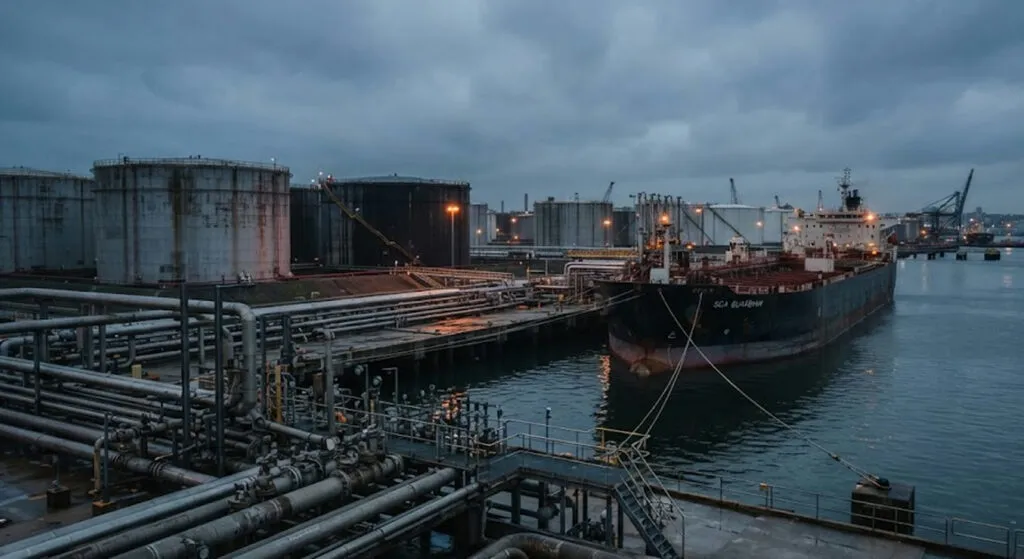
More than 1,600 new names on Europe's blacklist, against 4.8 million tonnes of Russian diesel that Trump is letting onto...
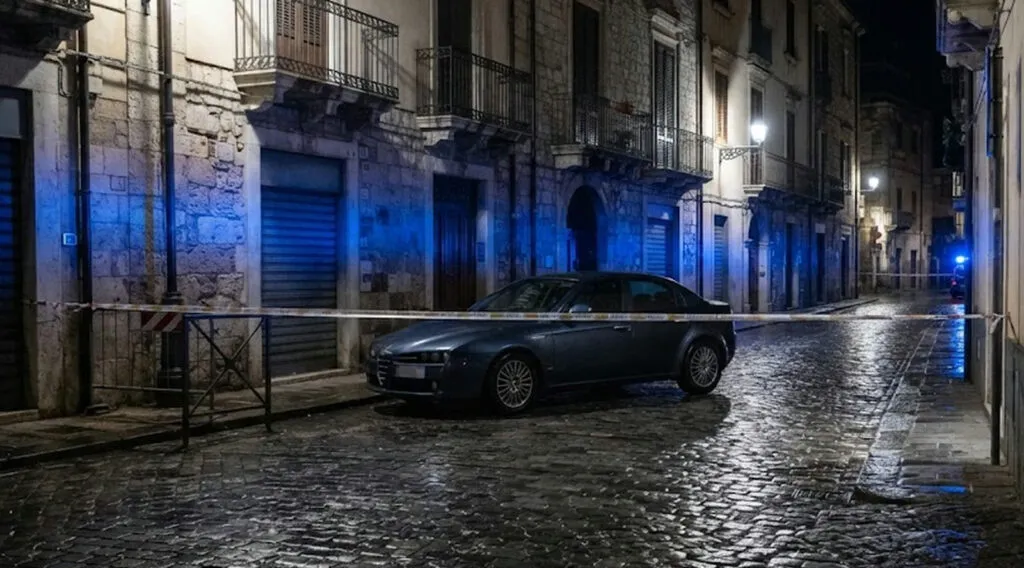
One person killed next to the European Parliament building, a police officer shot in the head in the suburb of...

All of Austria, Luxembourg and chunks of ten more countries, posted on German Unity Day. The Balkans know that maps...
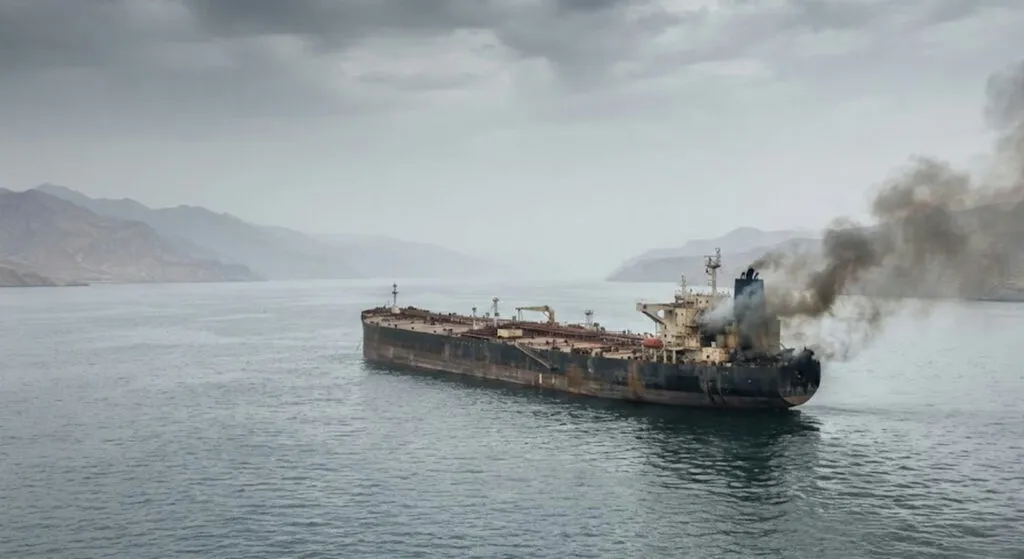
Tehran treats any ship with its identification system switched off as hostile, while Washington boasts of four ships disabled and...
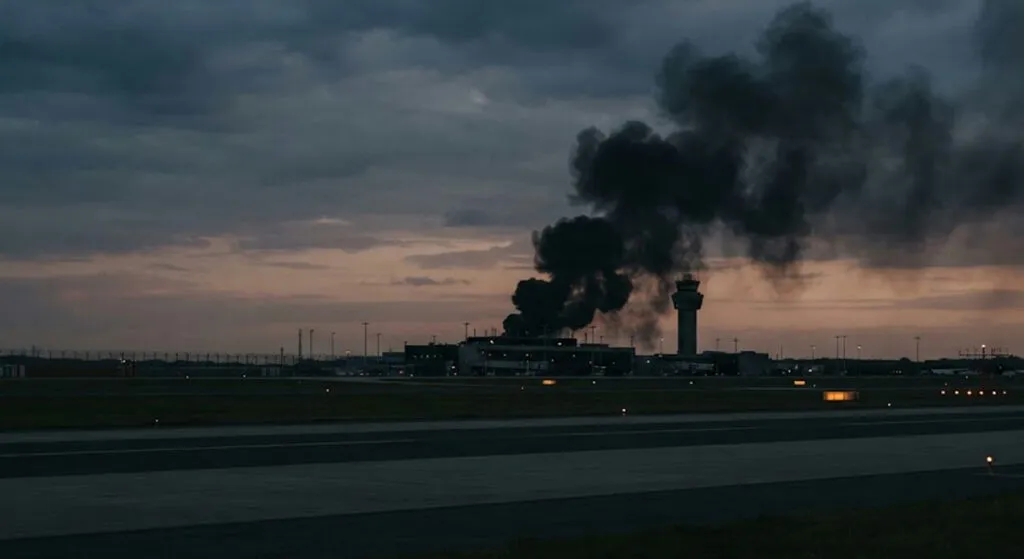
Thirteen killed at Saudi Arabia's biggest airport, and the government declared no alert and didn't address the nation. When institutions...
The GRU recruits people on Telegram to photograph factories, and executives in Germany are being advised to hire private security....
The American farmer wants cheaper diesel, and the money goes to Moscow. It turns out sanctions hold only until they...
More than 4.8 million tons of Russian diesel, a US license until April 2027, and not one publicly confirmed Russian...
This site uses cookies - is that okay? Learn more
Be the first to know when Metla launches something new
Leave your email and we will write when there is a new guide or something new on Metla.


