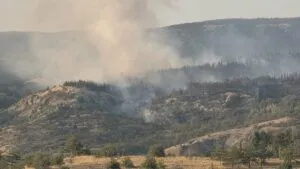
34 fires in 24 hours: three still burning, and the warnings put out nothing
09.09.2026


09.09.2026

09.09.2026

09.09.2026

09.09.2026

09.09.2026

09.09.2026
09.09.2026
08.09.2026
07.09.2026

09.09.2026

08.09.2026

08.09.2026

08.09.2026

08.09.2026

08.09.2026

08.09.2026

07.09.2026

06.09.2026

09.09.2026

09.09.2026

09.09.2026

09.09.2026

09.09.2026
08.09.2026

09.03.2026

27.02.2026

19.02.2026

23.04.2026

23.04.2026

12.04.2026

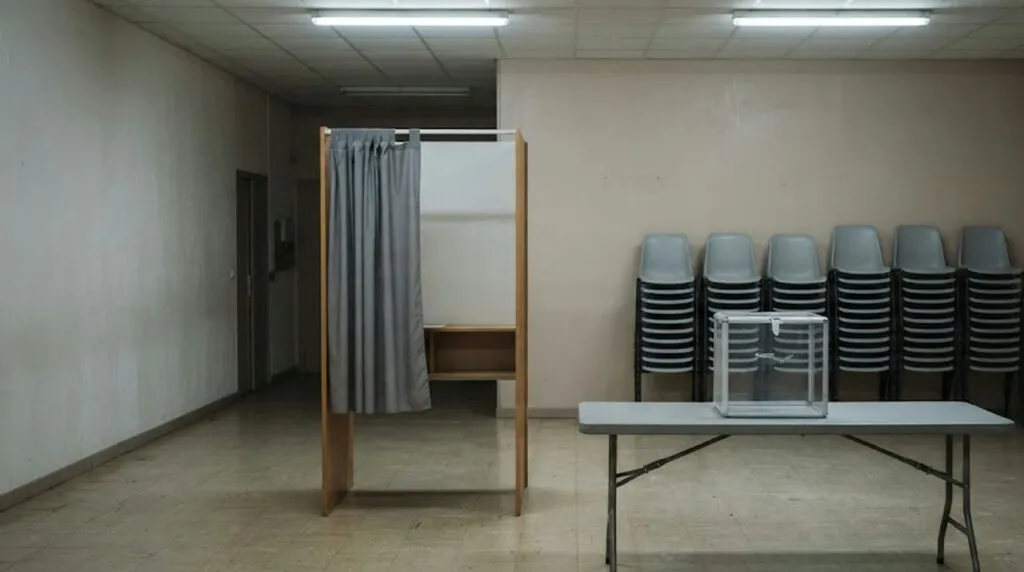
43.8 percent for the Alternative for Germany. 17.2 percent for the CDU. Those are the numbers from the Saxony-Anhalt election, and the gap between them is wider than anything German post-war politics was prepared to imagine. The party that was the establishment in that state for decades has halved its own support from 2021.
Angela Merkel, chancellor for sixteen years and a CDU member throughout, called the result "a real turning point". Her words were sharper than plain electoral arithmetic: "When you see it in black and white on Sunday evening, then it is shocking." And then the sentence that says more than any analysis - "As a CDU member, my heart is bleeding."
The diagnosis she made herself
Merkel did not stop at regret. She pointed out that the AfD dominates social media and the traditional parties do not. "It is not enough to broadcast slogans from Konrad Adenauer Haus," she said - meaning her own party's headquarters.
That is a rarity: a politician who after a defeat blames not the voter but her own communication. Usually the order runs the other way - first the media are blamed, then the "manipulated" voters, and in the end nobody.
Merkel ruled out cooperation with the AfD, but also warned that talking about that party excessively, including the "firewall" rhetoric, helps it more than it harms it. In other words: the more you talk about someone, the more they exist.
The reaction and what comes after it
The results brought thousands of people onto the streets across Germany, with the largest gathering at the Brandenburg Gate in Berlin. A protest after an election is legitimate and understandable, but the votes have already been counted - a demonstration does not change them.
The question that remains is a different one: what does a party do when it loses half its voters and its longest-serving leader tells it the problem is how it talks. Germany will carry the answer to that question for longer than one electoral cycle - and Europe, the Balkans included, will live with its consequences.
The latest 10 news from this category
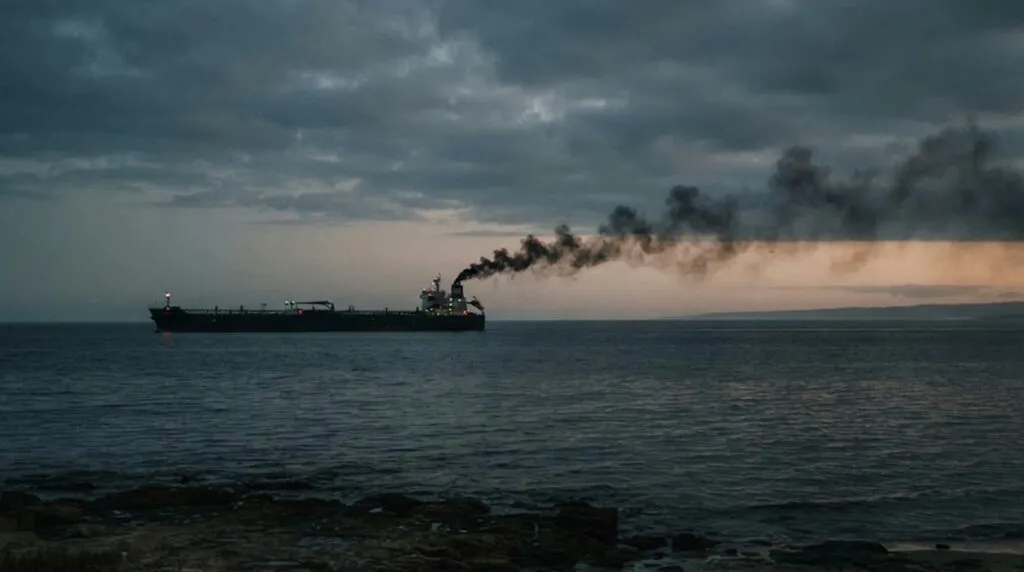
CENTCOM hit four ships in the Gulf of Oman and one near Hormuz. The retaliation did not go towards Washington...
The EU wanted the brightest minds for European defence. Italy read who was on the list and the initiative was...
For decades Germany lectured everyone else about outside interference. Now it gets congratulations from an ally, posted on a network...

It took twenty-five years and a lawsuit to bring into the open what was written down in the very first...
For sixteen years Hungary was Moscow's closest ally in NATO. Then the people running it changed - and within a...
Thirty-five years on the throne and not one scandal to fill a front page. Half of Europe's royalty sat in...

Plus 23 percentage points for one party, the CDU halved twice over, record turnout of 77.8 per cent. And a...
Practically the whole map of European monarchy is coming to Oslo Cathedral. Charles III is not - and that is...
The party that has never once run a German state took almost half the vote, while Merz's CDU fell to...
The palace says she is in good spirits and recovering well given the circumstances. Three words that guarantee nothing.
This site uses cookies - is that okay? Learn more
Be the first to know when Metla launches something new
Leave your email and we will write when there is a new guide or something new on Metla.