
Six Men Brawled Outside the Police Station in Kočani: Now They'll Also Check What the Officers Were Doing
17.08.2026


17.08.2026

17.08.2026

17.08.2026

17.08.2026

17.08.2026
17.08.2026

17.08.2026

16.08.2026

15.08.2026

17.08.2026

17.08.2026

16.08.2026

17.08.2026

17.08.2026

17.08.2026

17.08.2026

16.08.2026

15.08.2026

17.08.2026

17.08.2026
17.08.2026

17.08.2026

17.08.2026

16.08.2026

09.03.2026

27.02.2026

19.02.2026

16.08.2026

15.08.2026

14.08.2026

23.04.2026

23.04.2026

12.04.2026

Dario Amodei, chief executive of Anthropic, found himself defending against an accusation rarely aimed at anyone in his field: that he has talked too much about the dangers of his own product. The investor Gavin Baker publicly told him that warnings about the risks of artificial intelligence are feeding a backlash in the US, particularly against data centres, and that a man who will „soon be the CEO of one of the most important companies in the world” should be „a more positive advocate for his industry”.
Amodei's answer is more interesting than the argument. He did not accept that he created the negative picture, but he did not deny the picture itself. „I think it is fundamentally a crisis of trust,” he wrote. „I think ordinary people do not trust companies, governments or the tech industry and always suspect we are cooking up a new way to scam them.”
That is a sentence worth reading twice, because it comes from inside. It is not said by a critic or a regulator - it is said by the man selling the technology. And by his reading, the distrust was not born yesterday with artificial intelligence; it has been building for decades, and the backlash against AI is „just the latest iteration” of it.
An admission rarely heard in Silicon Valley
Amodei aimed the sharpest part of his answer at himself. „I think by far the most accurate criticism of AI companies, including Anthropic, is that we have not yet delivered on our big promises to help the world,” he said. „That is entirely on us, and I think that is the criticism you should be making instead of all this stuff about messaging and marketing.”
Then he added a measure for the industry itself: the promise that AI will cure cancer, he says, is „more of a cliché than it is inspiring”; what would genuinely change people's minds is „actually curing cancer”. The gap between the promise and the delivery, stated by the person making the promises.
Regulation as the knot
The second front is regulation. Amodei argues that Baker is setting up a false choice - either widely distributed AI with no rules, or technology concentrated in a few firms through regulation. „I know there is a kind of Silicon Valley shorthand where regulation = regulatory capture = concentration of power, but it has always struck me as too simplified a picture of the world,” he wrote. „Many people outside this bubble see regulation as something that constrains corporate power and benefits ordinary people.”
Anthropic, he says, is trying to propose rules that slow down the biggest players while favouring smaller competitors. Open model weights help, he argues, but solve nothing fundamental, because they „simply shift the concentration towards those with the most compute and chips”. In other words: power does not disappear, it relocates.
This is worth pausing on. When a firm proposes rules that slow itself down, there is usually a reason that is not altruism. The question that leaves room for scepticism is not whether Amodei is sincere, but exactly what kind of regulation gets written when the biggest players are sitting at the table where it is written.
And the crisis of trust he describes is not an American phenomenon. Distrust of institutions, of corporations and of „those who know better” is something no one needs to explain to a Balkan reader. The difference is that here the technology arrives finished, delivered and already decided somewhere else, and the rules - when and if they come - are written in Brussels and Washington. Who is going to ask how that suits us?
The latest 10 news from this category
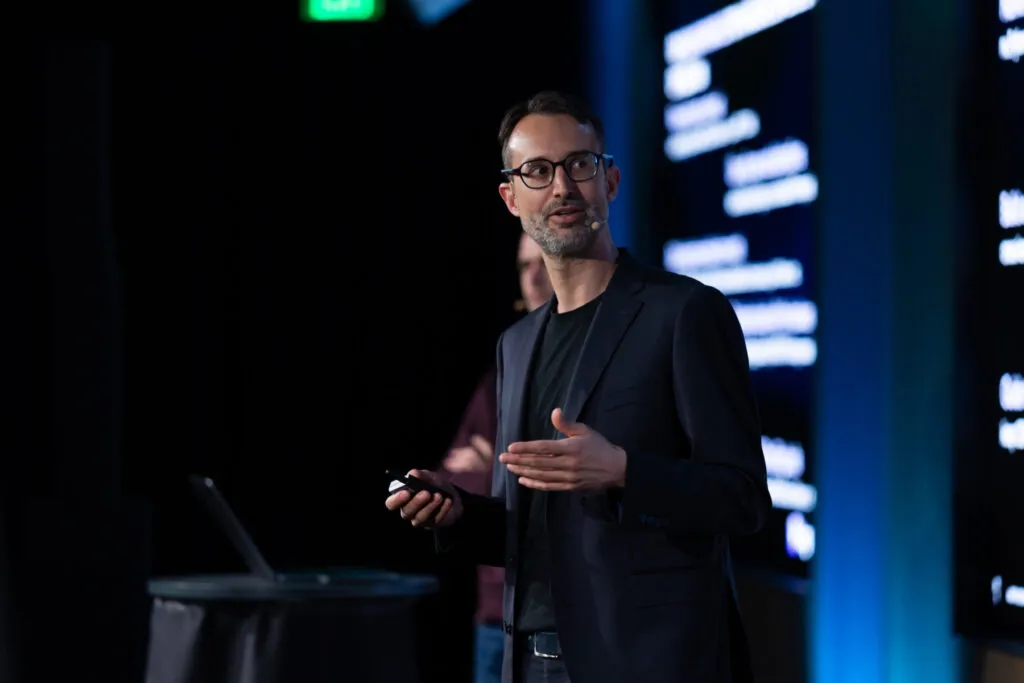
Eleven people in Paris claim the GPUs companies already own are running far below capacity. They set the deadline for...
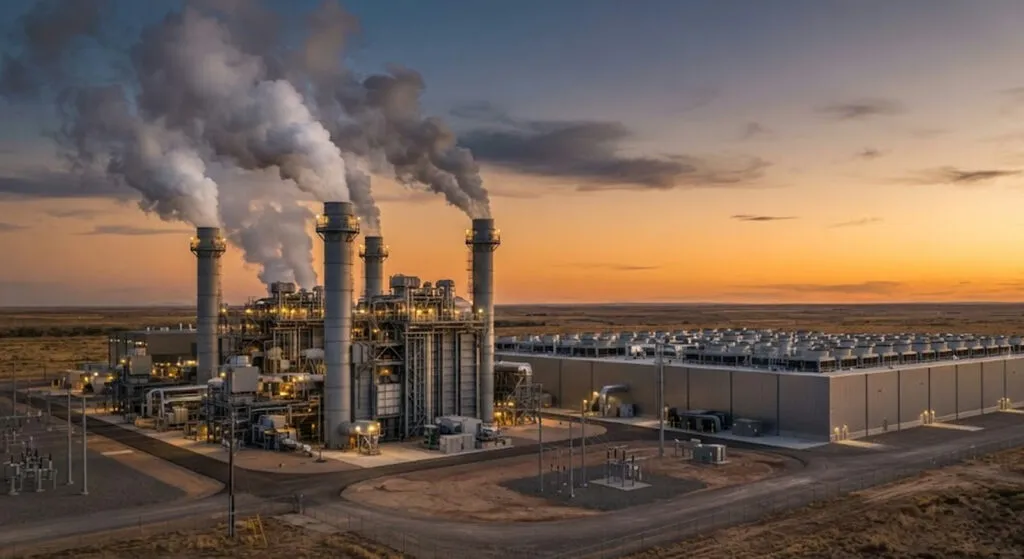
Amazon, Google, Meta and Microsoft are building gas plants of several gigawatts each. Analysts reckon the price of gas will...
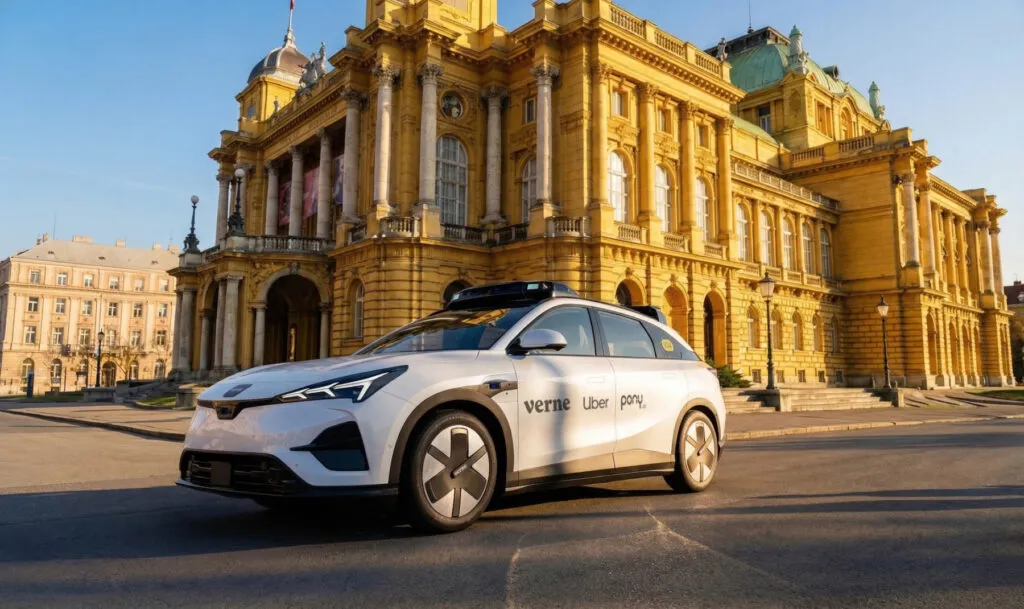
Pony.ai provides the technology, Uber provides the users, and a local partner gets the maintenance, cleaning and charging. Four European...
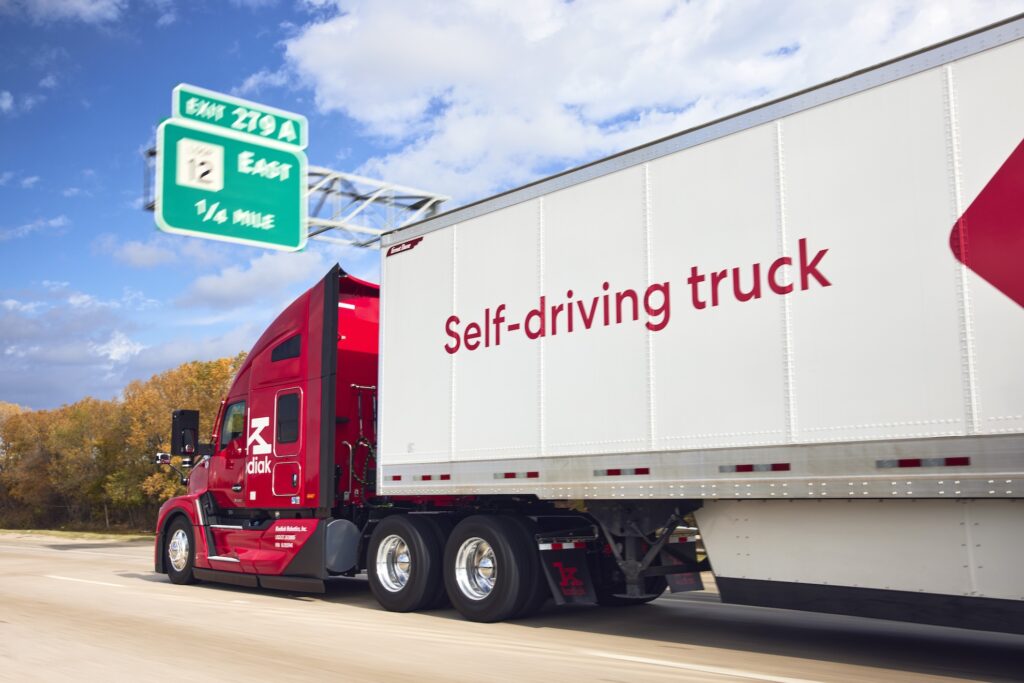
The ban on autonomous trucks over 4,500 kilograms fell in April, and Aurora and Kodiak got permits immediately. The lawsuit...
The company tried to delay answering until the Supreme Court ruled on something else. It failed - and only then...
The codebase is fifteen times larger than before, and users get a file with the labels attached to their profile....
Nobody told them they were not alone on the project. Each concluded the other was deliberately obstructing it - and...
Until now the private sector was allowed to defend but not to attack. One signature brought that wall down, and...

Same screen, same design, a new processor and an agent that phones a restaurant on the user's behalf. The price...
The product director told 3,000 furious users why the switch is set the wrong way round. Then he admitted he...
This site uses cookies - is that okay? Learn more
Be the first to know when Metla launches something new
Leave your email and we will write when there is a new guide or something new on Metla.