
The Judge Who Gave Markovski His Passport Back Retired Three Days Later: „I Feel No Responsibility”
31.07.2026


31.07.2026
31.07.2026

31.07.2026

31.07.2026

31.07.2026

31.07.2026

31.07.2026

31.07.2026

30.07.2026

31.07.2026

31.07.2026

30.07.2026

31.07.2026

31.07.2026

31.07.2026

31.07.2026

30.07.2026

29.07.2026

31.07.2026

31.07.2026

31.07.2026

31.07.2026

31.07.2026

31.07.2026

09.03.2026

27.02.2026

19.02.2026

31.07.2026

30.07.2026
29.07.2026

23.04.2026

23.04.2026

12.04.2026

Three years running, the state auditors write the same thing. A German hospital has twelve active court cases against the Health Insurance Fund and is seeking 433,771 euros - unpaid invoices for treating Macedonian patients abroad. Three reports, the same remark, the same outcome.
In total, the Fund faces 21 lawsuits inside the country, worth around 286.6 million denars. That is a figure that never turns up in any press release about the health system's achievements.
The billions the institutions owe each other
The biggest number in the State Audit Office's review of the Fund's 2024 operations does not come from hospitals. It comes from the state itself.
By the end of 2024, the Health Ministry had failed to transfer around 2.136 billion denars to the Fund - roughly 35 million euros - for uninsured citizens. The pension fund, meanwhile, pays contributions for pensioners irregularly. Unpaid contributions in total reach 8.4 billion denars.
The auditors write that late transfers of funds affect the Fund's liquidity. Translated: an institution that owes hospitals because other institutions owe it. Ping-pong with public money, and at the end of the chain stands a patient waiting for a service.
Seventeen out of forty-two IT posts
Some of the findings are remarkably concrete. The Fund has 42 IT positions on its books. Seventeen are filled. The rest is covered by external contractors - even though the system's code is the Fund's own property.
The information security policy has not been revised since 2014. There is no business continuity plan in case of a breakdown. The module for tracking treatment abroad is underused, and the data is entered after treatment has already finished rather than in real time.
Out of 362 requests for treatment abroad, the legal deadline of 45 days was missed in 39 cases. For someone waiting on approval for surgery outside the country, those days are not statistics.
Money nobody asked to get back
The auditors also found that about half of all advance payments relate to the period from 2014 to 2023, for which final invoices were never received or the money was never returned. Uncollected receivables from foreign health institutions amount to 296 million denars. There are also 194 active bankruptcy proceedings with claims of over 619 million denars, with incomplete records of the assets acquired through them.
Each of these findings can be explained on its own. Together, they describe a system that knows how much it is owed, knows who it owes, and has no mechanism either to collect or to pay on time.
And what stings most is the least spectacular part: the auditors have written this for a third year in a row. If the report changes nothing, who is it serving?
The latest 10 news from this category

3.4 billion euros sitting in individual accounts. The funds argue nationalisation covers the deficit for a year and a half....

The working group met in Sofia, the next meeting is in Skopje. The statement has no construction start, no value...

Out of 141,006 test runs, three ended up inside the live systems of real firms. The oldest model worked out...

A startup that raised 29 million is selling for 200. The market is no longer growing on new users, but...
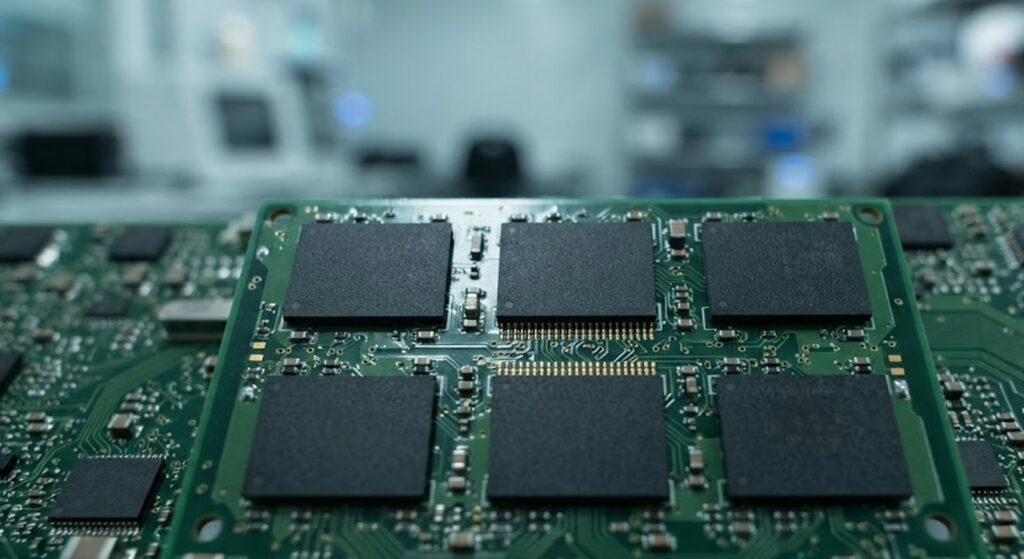
The strongest June quarter in its history, and the stock fell 6 percent. Artificial intelligence turned out to have a...
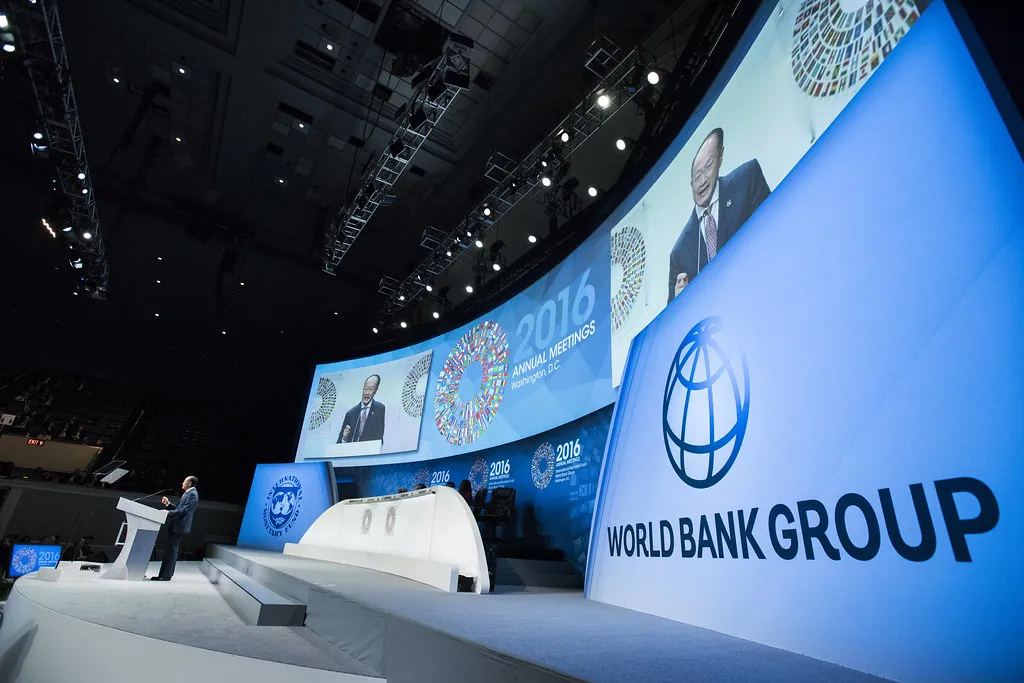
We give up 19.2 million unused and take a new 25. The irony nobody mentioned: the money we're walking away...

The US and Saudi Arabia struck targets in Iraq, American stockpiles fell by 3.3 million barrels. The forecast is a...

The FCC is closing the door to humanoid robots and power inverters, but only new ones. The millions of Chinese...

Pangram sells the assurance that it knows what a machine wrote. The technology works better than you'd expect - and...

The player that raised the MP3 generation is betting nostalgia can be billed monthly. The new Winamp arrives in 2027,...
This site uses cookies - is that okay? Learn more
Be the first to know when Metla launches something new
Leave your email and we will write when there is a new guide or something new on Metla.