Nine-Year-Old on an E-Scooter Run Over Near Saraj: Who Let Scooters Onto a Regional Road?
30.07.2026


30.07.2026
30.07.2026

30.07.2026
30.07.2026
30.07.2026

30.07.2026

30.07.2026

30.07.2026

29.07.2026

30.07.2026

30.07.2026

29.07.2026

30.07.2026

30.07.2026

30.07.2026

30.07.2026

29.07.2026

28.07.2026

30.07.2026

30.07.2026

30.07.2026

30.07.2026

29.07.2026
29.07.2026

09.03.2026

27.02.2026

19.02.2026
29.07.2026

28.07.2026

27.07.2026

23.04.2026

23.04.2026

12.04.2026
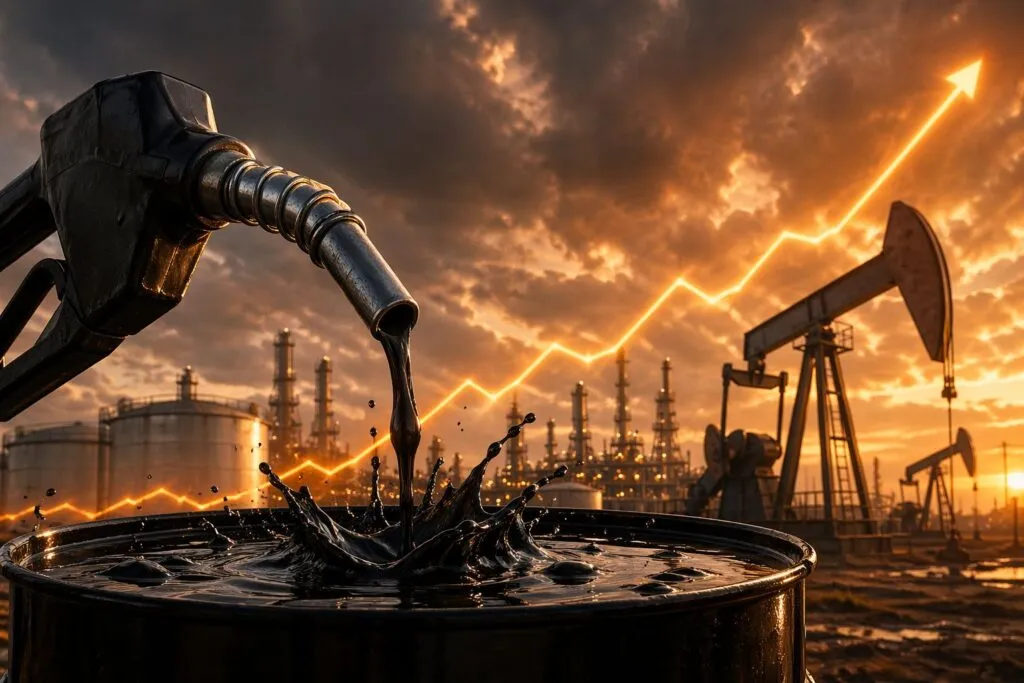
Oil prices jumped on world markets after the latest escalation in the Middle East, breaking a three-day losing streak. Brent rose more than 4 percent, US WTI by nearly as much. The market is back in the mode where one night of military operations counts for more than all the fundamentals combined.
The rise has three causes that coincided.
First, US and Saudi armed forces struck targets in Iraq overnight. US Central Command said these were groups that had directly attacked American troops in the region and Saudi energy infrastructure. Iran-backed militias in Iraq launched drones at oil facilities in Saudi Arabia's eastern region for the second day running.
Second, the US military said it had intercepted Iranian ballistic missiles aimed at American forces in the region.
Third - the least dramatic but most concrete - US crude stockpiles fell by around 3.3 million barrels in a single week.
The Strait of Hormuz is back on the table
The diplomatic strand is the one that deserves the most attention. Iran rejected Oman's proposal for 50-50 shared control over the Strait of Hormuz, insisting that Tehran must retain full control over the inbound shipping lane and part of the outbound route.
The Strait of Hormuz is the bottleneck through which a significant share of the world's oil passes. Any doubt about its security translates into price faster than any news about production or demand. That is why Oman's proposal existed at all - and why its rejection is not a diplomatic footnote.
What analysts are forecasting
The assessments are that if geopolitical tensions continue, Brent will move in a range of 80 to 100 dollars a barrel, with events in the Middle East remaining the key factor for the global energy market. Prices are further supported by expectations that OPEC+ could temporarily halt its planned production increase from October.
A 20-dollar range is as wide as an admission that nobody knows. It is also the most honest thing in the entire analysis.
Watch what you read this week
One observation for anyone following the numbers: the levels quoted in different reports this week differ substantially, because the market is moving almost by the hour and each report captures a different moment. When the price rises and falls on the same day, a headline saying „oil jumped” and one saying „oil fell” can both be accurate - they are just looking at different hours.
That is a good reminder that the price of a barrel these days is not an economic indicator. It is a thermometer of war.
The latest 10 news from this category
We give up 19.2 million unused and take a new 25. The irony nobody mentioned: the money we're walking away...
The FCC is closing the door to humanoid robots and power inverters, but only new ones. The millions of Chinese...

Pangram sells the assurance that it knows what a machine wrote. The technology works better than you'd expect - and...

The player that raised the MP3 generation is betting nostalgia can be billed monthly. The new Winamp arrives in 2027,...
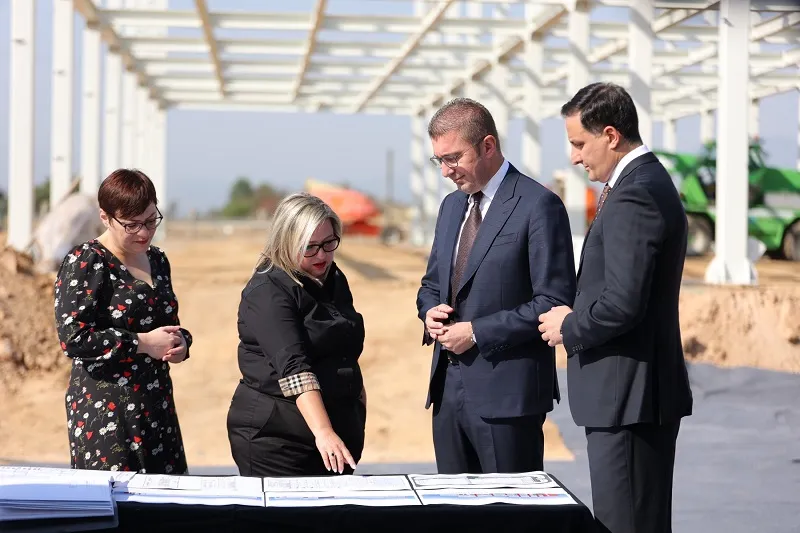
In September 2024 there was a ribbon-cutting for a 65-million-euro investment. Less than two years later - the third foreign...
The two-week averaging window is written into law and works both ways. It is just that the driver feels the...

The World Bank put Macedonia at the top of the region. The gap between those two figures shows how much...
The man selling the world's best-known artificial intelligence says we will not work less. He also claims we will secretly...
Autonomous vehicles have blocked ambulances, driven into crime scenes and failed to recognise emergency lights. The bill demands the one...
Runlayer claims Rippling used the trial to build the same product. It's the trap facing anyone selling AI infrastructure to...
This site uses cookies - is that okay? Learn more
Be the first to know when Metla launches something new
Leave your email and we will write when there is a new guide or something new on Metla.