


Kratovo man stabs police officer mid-intervention: prosecutors want the 40-year-old detained
15.09.2026


15.09.2026

15.09.2026

15.09.2026

15.09.2026

15.09.2026
15.09.2026

15.09.2026

14.09.2026

13.09.2026

15.09.2026

15.09.2026

14.09.2026

15.09.2026
15.09.2026

15.09.2026

15.09.2026

14.09.2026

13.09.2026

15.09.2026

15.09.2026

15.09.2026

15.09.2026

15.09.2026

14.09.2026

09.03.2026

27.02.2026

19.02.2026

15.09.2026

14.09.2026

14.09.2026

23.04.2026

23.04.2026

12.04.2026

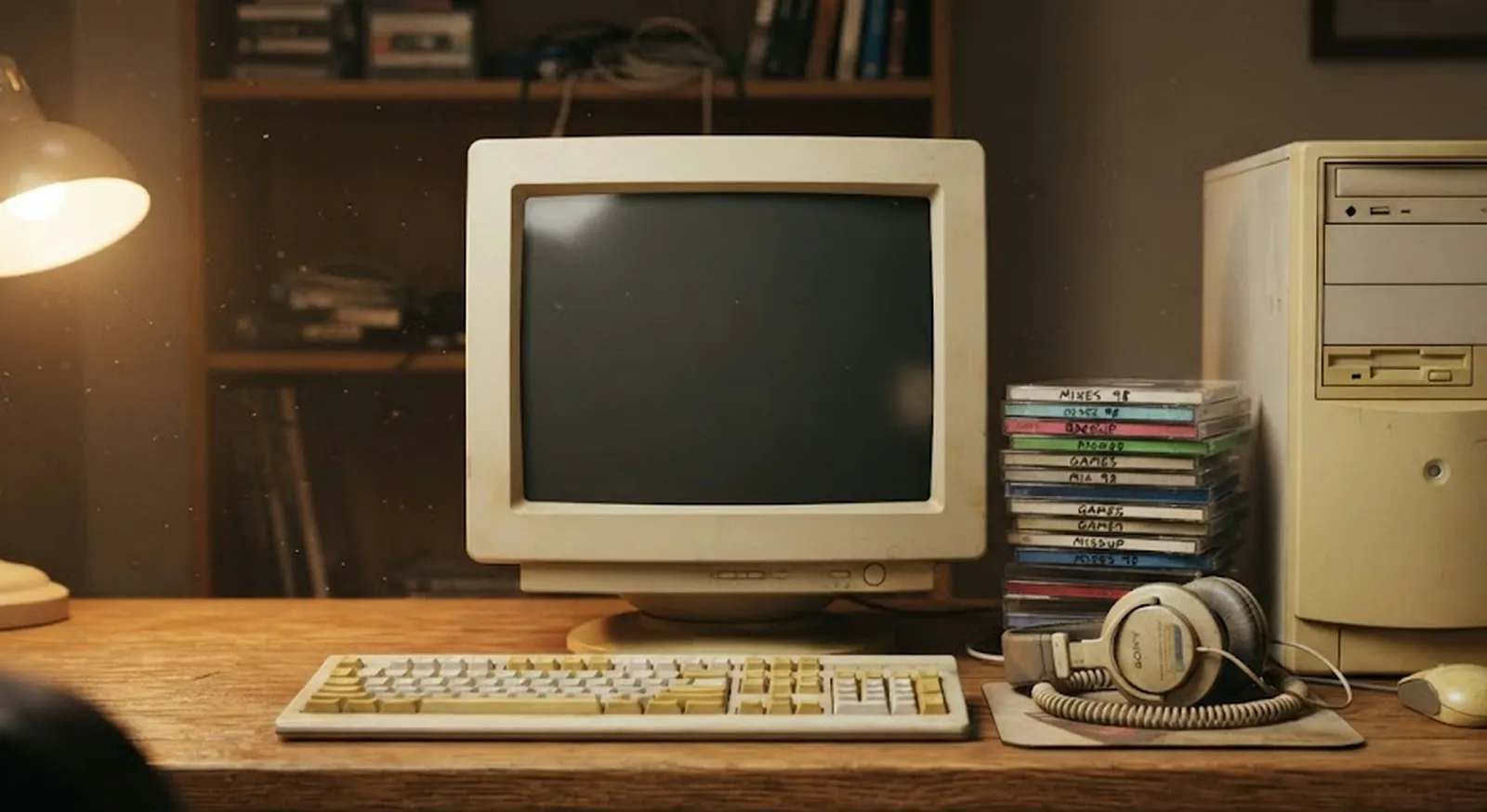
Before Spotify taught the world to pay monthly for music, there was Winamp - the player a whole generation used to listen to downloaded MP3 files on slow internet. Now the brand is preparing another comeback, this time with a paid subscription.
Winamp and Deezer announced a partnership on Wednesday under which the French service will power Winamp's upcoming subscription offering. In practice, Winamp borrows Deezer's technology and licensed catalogue while keeping its own name and its own look. The new player is due in the first half of 2027.
The promise is a player that brings everything into one place - paid streaming, your local music collection on disk, internet radio, podcasts and personal files in the cloud. The company says the subscription will offer a „fundamentally different experience” from today's streaming platforms. What exactly that means isn't stated. For now it is a line from a press release, not a feature.
The nostalgia is real, the question is whether it's billable
Winamp claims its free desktop player is still used by more than 40 million people. That is not a small number, but a free user and a subscriber are two different things. The market is crowded - Spotify, Apple Music, YouTube Music - and they all already charge monthly. The question isn't whether Winamp has an audience that remembers it, but how much of that audience wants a fourth music bill.
The company's argument rests on something that is genuinely happening: the return of old technology. Cassettes, MP3 players, even iPods are in demand again. People are going back to media they hold in their hands, as against an algorithm telling them what they want. Winamp is betting it can package that feeling and add streaming to it.
It's worth remembering this isn't the first attempt. At the height of the web3 euphoria Winamp experimented with NFTs, letting users link music tokens to the player. Before that came an announced transformation into a multi-platform mobile app. More recently the brand turned towards tools for musicians - monetisation and distribution. Each of those directions was announced as a comeback.
This announcement is at least closer to what people remember the name for. Whether it will be enough to get money out of the pocket of someone who hasn't paid for a music player since 1999 - that will only be known in 2027.
The latest 10 news from this category
A scientist at the same company puts the probability of human extinction above 10 percent within the next decade. The...

The president called in while the event was running, and the man who makes the chips answered that there would...
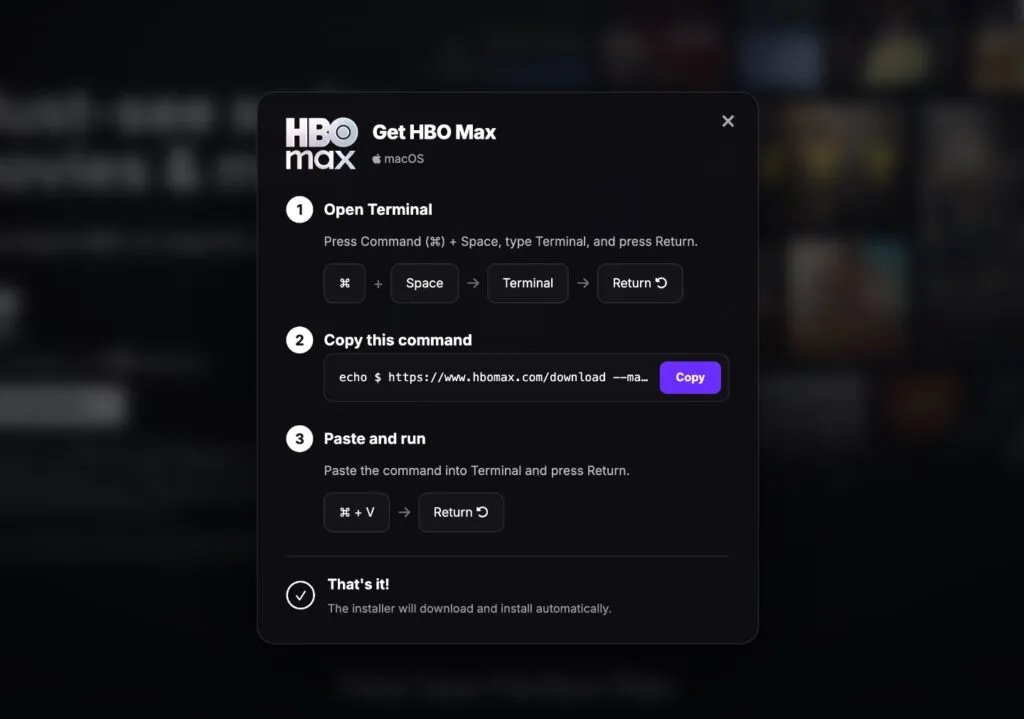
No virus attached, no suspicious file. Just a box that looks like the "I am not a robot" check and...

A researcher quit because the firms are gambling with our lives. Instead of denying it, Anthropic confirmed it - with...
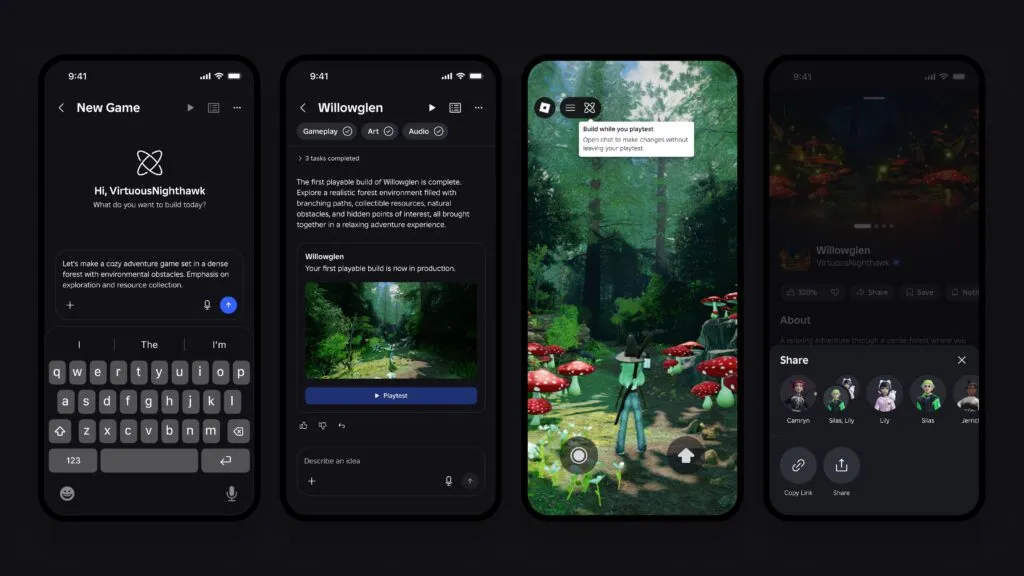
Write a sentence, get a game. Until now it worked only in New Zealand, now in Belgrade too. Creators on...

When the two biggest firms in an industry ask for rules on how fast anyone may run, the rules rarely...

Not a single password fell. What fell was the assumption that a request from a government domain is automatically a...

The biggest names in mathematics have signed a letter against the AI labs. The dispute is not whether the machine...

Five campaigns, 200 million exchanges, and the defences fell to a request for a Japanese translation. The industry that harvested...

The hackers were inside for a whole year. The company confirmed it only after a journalist found his own licence...
This site uses cookies - is that okay? Learn more
Be the first to know when Metla launches something new
Leave your email and we will write when there is a new guide or something new on Metla.
