Nine-Year-Old on an E-Scooter Run Over Near Saraj: Who Let Scooters Onto a Regional Road?
30.07.2026


30.07.2026

30.07.2026

30.07.2026
30.07.2026

30.07.2026

30.07.2026

30.07.2026

30.07.2026

29.07.2026

30.07.2026

30.07.2026

29.07.2026

30.07.2026

30.07.2026

30.07.2026

30.07.2026

29.07.2026

28.07.2026

30.07.2026

30.07.2026

30.07.2026

30.07.2026

29.07.2026
29.07.2026

09.03.2026

27.02.2026

19.02.2026
29.07.2026

28.07.2026

27.07.2026

23.04.2026

23.04.2026

12.04.2026
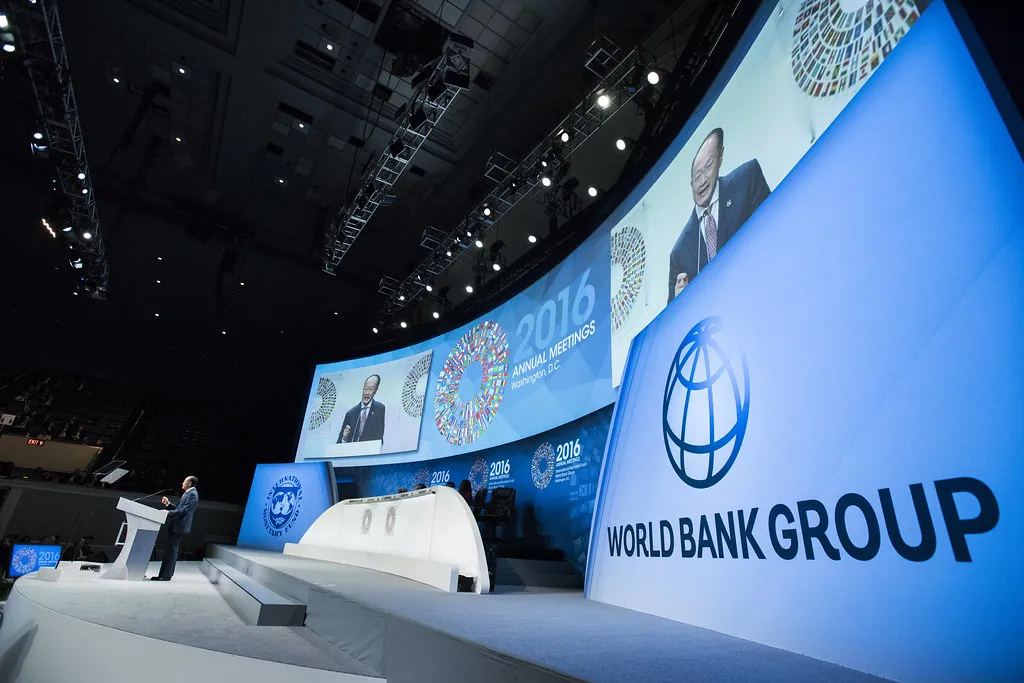
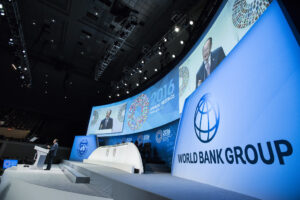
Parliament this evening adopted two laws on borrowing from the International Bank for Reconstruction and Development - the World Bank - both under abbreviated procedure. The result is one framework fewer and one framework more: the existing 20-million-euro loan framework is being closed, and a new 25-million one opened.
Deputy finance minister Nikolče Jankulovski explained the structure. Of the new 25 million euros, 23 million comes through the „Program for Results” instrument - funds are drawn only when predetermined, measurable and verifiable results are met. Another two million is earmarked for technical assistance. The repayment term is 12 years, with a three-year grace period and an interest rate tied to six-month EURIBOR.
The number that isn't in the headline
There is a second number in this story, and it is bigger than all the others. Under the changes, Macedonia is giving up 19.2 million euros of unused funds from the old loan and closing the credit by 30 September 2026, instead of 31 December 2027.
Of the entire old framework, 800,000 euros have been used so far. Eight hundred thousand out of twenty million. The project was meant to build effective, transparent and accountable institutions for managing public finances.
The explanatory note says giving up the unused portion will allow a „controlled closure of the existing loan framework and alignment of the financial and implementation structure” with the new programme. The World Bank will not seek compensation for the cancelled part, so the closure creates no additional obligations.
The opposition wants an accounting
SDSM MP Fatmir Bitiqi criticised the fact that 25 percent more money is being taken on without systemic changes, and that procedures are shifting from World Bank standards to the national Public Procurement Law.
That second objection is worth holding onto. World Bank procurement standards exist precisely because they are stricter than many national ones. Moving to domestic law is technically legitimate - and it is simultaneously the point at which international oversight weakens.
Money for accountability that went unspent
Here is the irony neither side mentioned. The loan we are giving up was earmarked for building transparent and accountable public finance institutions. Of twenty million euros for that purpose, four percent was used.
Now we are taking a new 25 million to improve public spending, accountability and tax administration - this time tied to measurable results. That is a better structure, but the structure was never the problem. The problem is that nobody found a way to spend the money earmarked for accountability, and the deadline had been stretched all the way to the end of 2027.
The measurable results will show whether that changes. If the new framework also closes with a take-up like the old one, EURIBOR will be the smallest item on the bill.
The latest 10 news from this category

The US and Saudi Arabia struck targets in Iraq, American stockpiles fell by 3.3 million barrels. The forecast is a...
The FCC is closing the door to humanoid robots and power inverters, but only new ones. The millions of Chinese...

Pangram sells the assurance that it knows what a machine wrote. The technology works better than you'd expect - and...

The player that raised the MP3 generation is betting nostalgia can be billed monthly. The new Winamp arrives in 2027,...

In September 2024 there was a ribbon-cutting for a 65-million-euro investment. Less than two years later - the third foreign...

The two-week averaging window is written into law and works both ways. It is just that the driver feels the...
The World Bank put Macedonia at the top of the region. The gap between those two figures shows how much...

The man selling the world's best-known artificial intelligence says we will not work less. He also claims we will secretly...
Autonomous vehicles have blocked ambulances, driven into crime scenes and failed to recognise emergency lights. The bill demands the one...
Runlayer claims Rippling used the trial to build the same product. It's the trap facing anyone selling AI infrastructure to...
This site uses cookies - is that okay? Learn more
Be the first to know when Metla launches something new
Leave your email and we will write when there is a new guide or something new on Metla.