

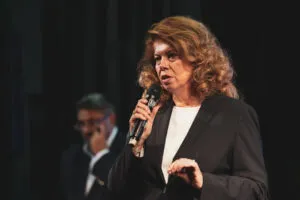
Jotova to Mickoski: Talks "Without Ultimatums" - but First Skopje Must Forget the Issue Is Bilateral
05.10.2026


05.10.2026

05.10.2026
05.10.2026
05.10.2026
05.10.2026
05.10.2026

05.10.2026

05.10.2026
04.10.2026

05.10.2026

05.10.2026
04.10.2026
05.10.2026

05.10.2026

05.10.2026
05.10.2026

04.10.2026

03.10.2026
05.10.2026

05.10.2026

05.10.2026

05.10.2026

05.10.2026

05.10.2026

09.03.2026

27.02.2026

19.02.2026

05.10.2026
04.10.2026

04.10.2026
05.10.2026
04.10.2026

02.10.2026

23.04.2026

23.04.2026

12.04.2026

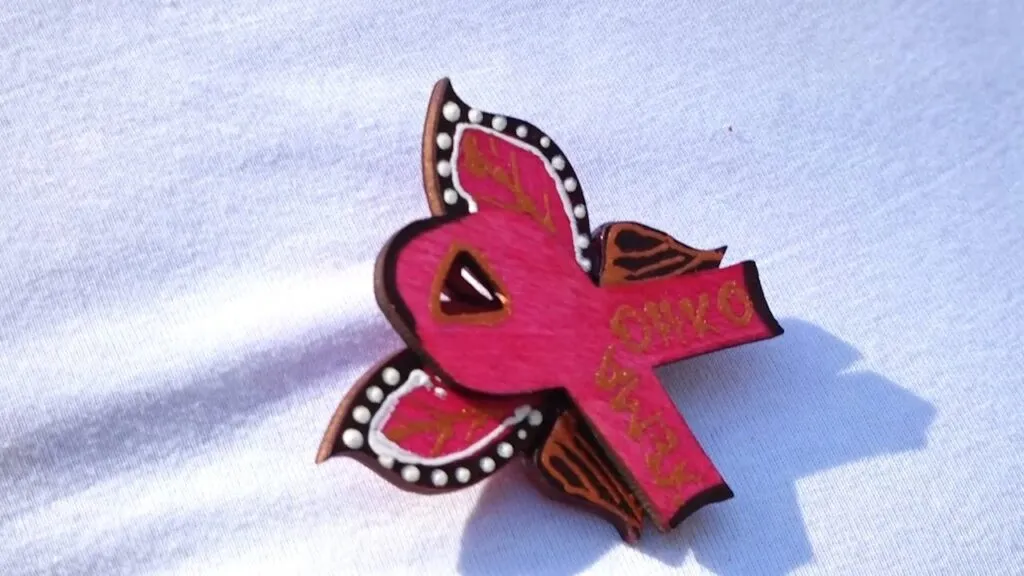
"At this moment, patients are forced to fake symptoms in order to get examined." That sentence wasn't spoken by an opposition MP, but by Milica Kuzmanovska of the patients' association HEMA-ONKO, at the third "Pink Picnic Breakfast" by the Školka stage in Skopje's City Park. In other words: a woman without symptoms has nowhere to get a timely exam - unless she lies that something hurts.
Health Minister Sašo Klekovski, who attended the event, didn't deny the problem. The breast cancer screening programme, according to a State Audit Office report, has failed. "We have to completely rethink the concept, and I hope that very soon, together with Hema-Onko, we will promote a new concept for the screening programme," Klekovski said. When exactly - he didn't say.
The numbers are heavy. Around 1,000 new cases of breast cancer are registered every year, and around 7,000 women are currently in treatment or have been through it. According to the figures presented, breast cancer is the most common cause of cancer death among women in Macedonia, and the mortality rate in 2024 reached 39.4 per 100,000 women - the highest level in the last 15 years.
And this for a disease where, as Ana Marjanović of HEMA-ONKO pointed out, the survival rate for women whose disease is found at an early stage exceeds 99 per cent. Between that 99 per cent and the highest mortality in 15 years stands one thing - early detection. Exactly what, according to Marjanović, the state currently has no functioning programme for.
The minister also had good news: two breast cancer drugs have been moved onto the positive list, so patients on long-term therapy will be able to pick them up at a pharmacy instead of going to the Oncology Clinic every time. Drug supply, he says, is stable, and the ministry is analysing measures to prevent interruptions in deliveries. The patients at the picnic, meanwhile, pointed out that one drug from their therapy is currently missing and that distributors are expected to deliver it by the end of the week. Kuzmanovska said the way oncology therapy is procured "is faulty" and that, together with the ministry and the Health Insurance Fund, they are working on changing the Law on Medicines.
Every year Pink October fills Školka with pink T-shirts and warm messages of support. The question is whether next October women will be going to a screening programme that works - or whether they'll still have to act out symptoms for someone to examine them.
The latest 10 news from this category

The newborn foal lay on the road while phones kept filming. An hour later the activist was still looking for...
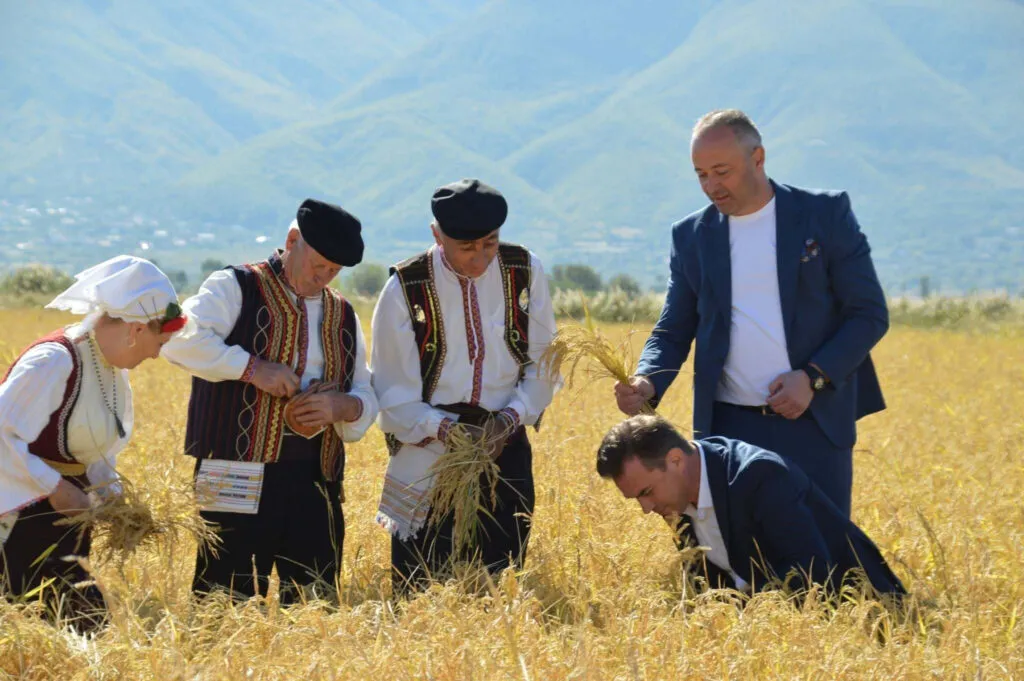
At the 35th Kočani Rice Days, Minister Serafimovski said the ministry is seriously concerned about the price of rice. The...
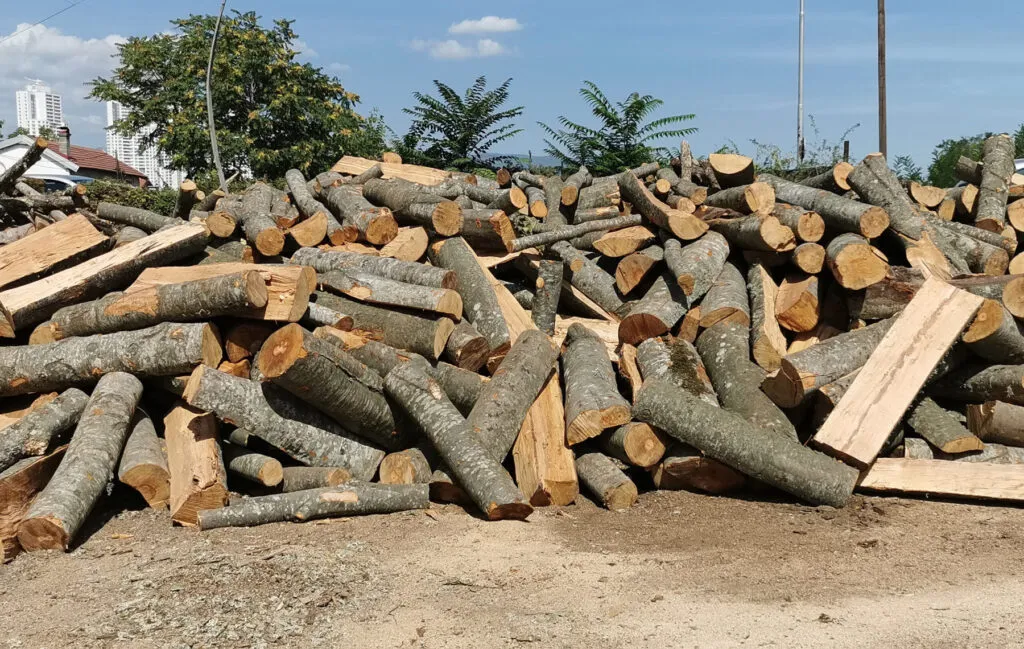
The appeal is aimed at citizens buying cheaper firewood. The admission is about the people who are supposed to guard...
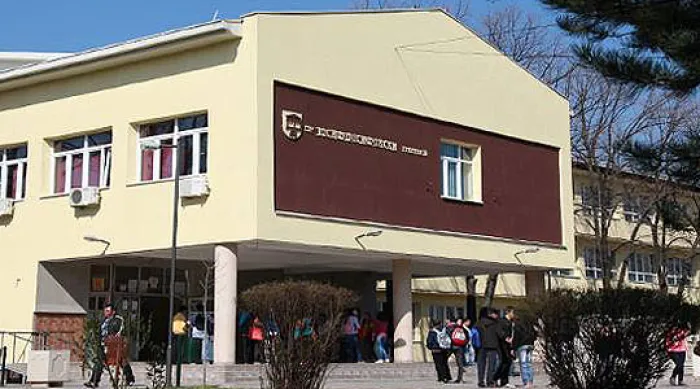
Four students signed up to train as cooks and waiters, six as car mechanics. The ministry allowed smaller grammar-school classes...
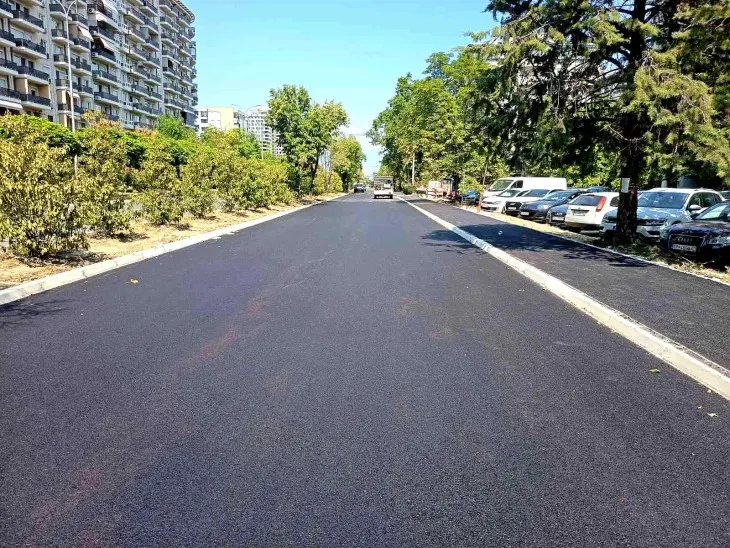
Over 3,500 cubic metres of debris cleared, more than 150 wrecked cars removed and a kindergarten for 130 children in...
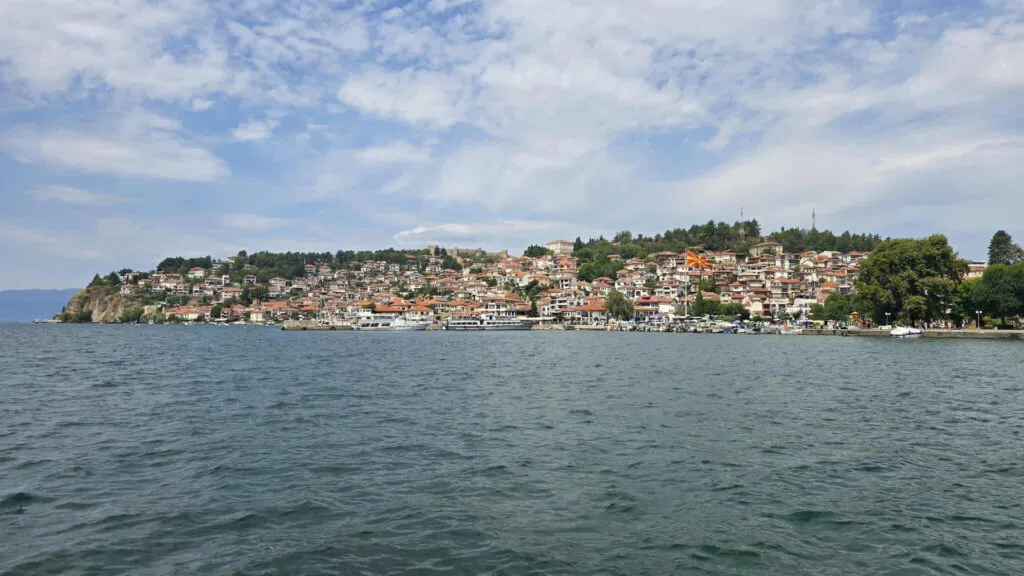
Only 26 centimetres remain to the minimum permitted level. The retreat is visible all along the shore, and the measurements...
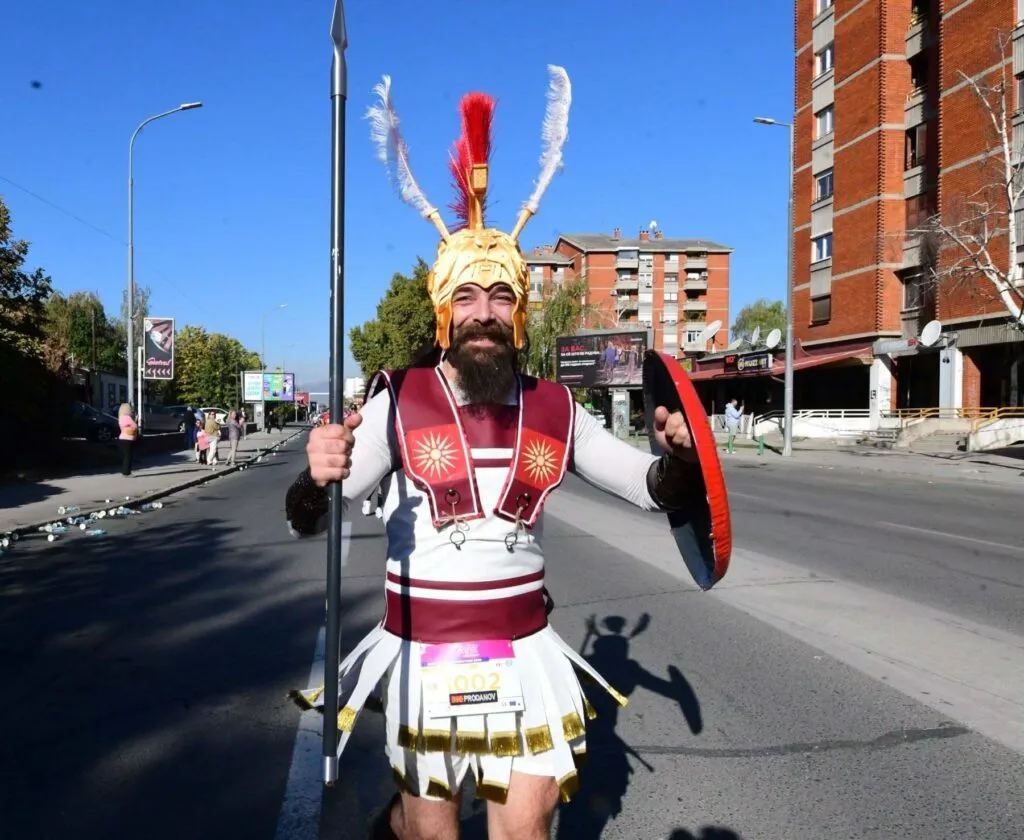
A record field from 63 countries, Kenyans on top and one "Alexander the Great" on the course. For one Sunday...
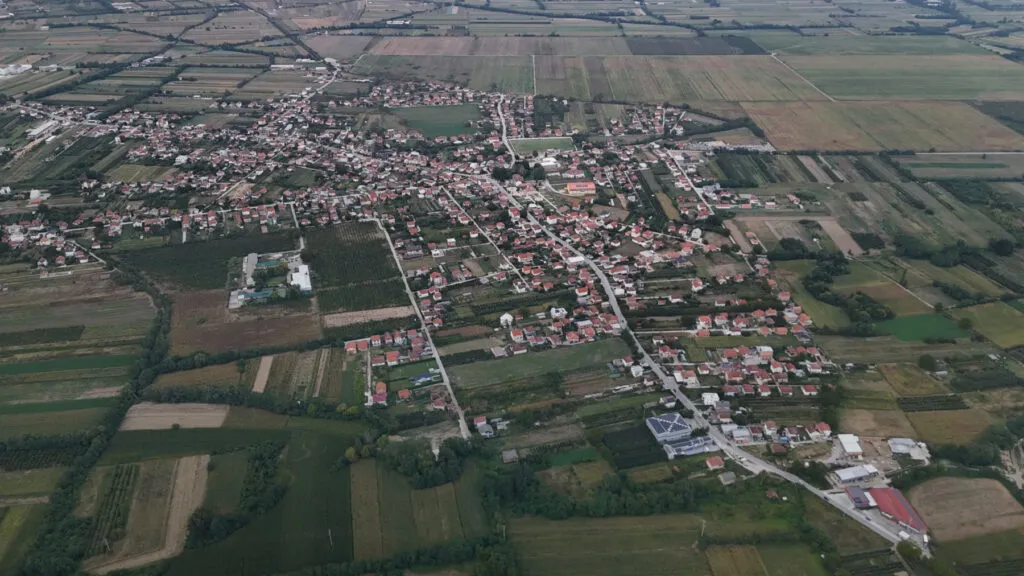
Extending the old road, water for Gurgurnica, young people who shouldn't leave and municipal companies. One candidate didn't respond to...
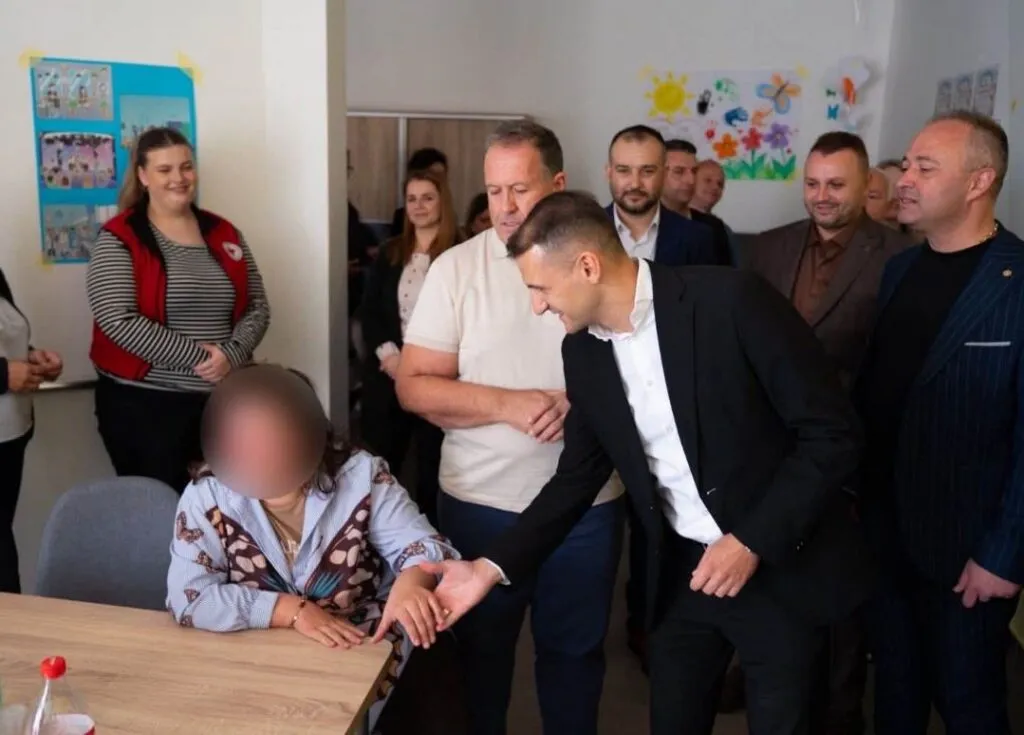
Minister Velkovski opened the centre and spoke of a society in which everyone has an equal chance. Capacity is 12...
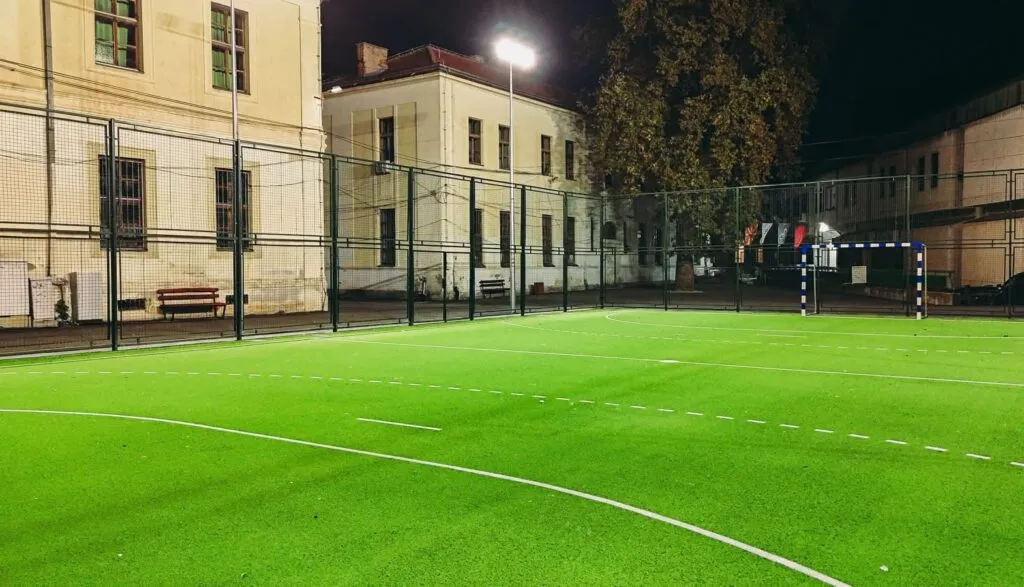
Futsal, handball and basketball, a fence and lighting. The money comes from a government call, and the real test comes...
This site uses cookies - is that okay? Learn more
Be the first to know when Metla launches something new
Leave your email and we will write when there is a new guide or something new on Metla.