
Fifty-two fires in a single day: the flames reached houses in Bogomila, and the whole country has three air tractors
14.08.2026


14.08.2026
14.08.2026

14.08.2026

14.08.2026

14.08.2026

14.08.2026

14.08.2026
14.08.2026

14.08.2026

14.08.2026

14.08.2026

13.08.2026

14.08.2026

14.08.2026

14.08.2026

14.08.2026

13.08.2026

12.08.2026

14.08.2026

14.08.2026

14.08.2026

14.08.2026

14.08.2026

13.08.2026

09.03.2026

27.02.2026

19.02.2026

14.08.2026

13.08.2026

12.08.2026

23.04.2026

23.04.2026

12.04.2026
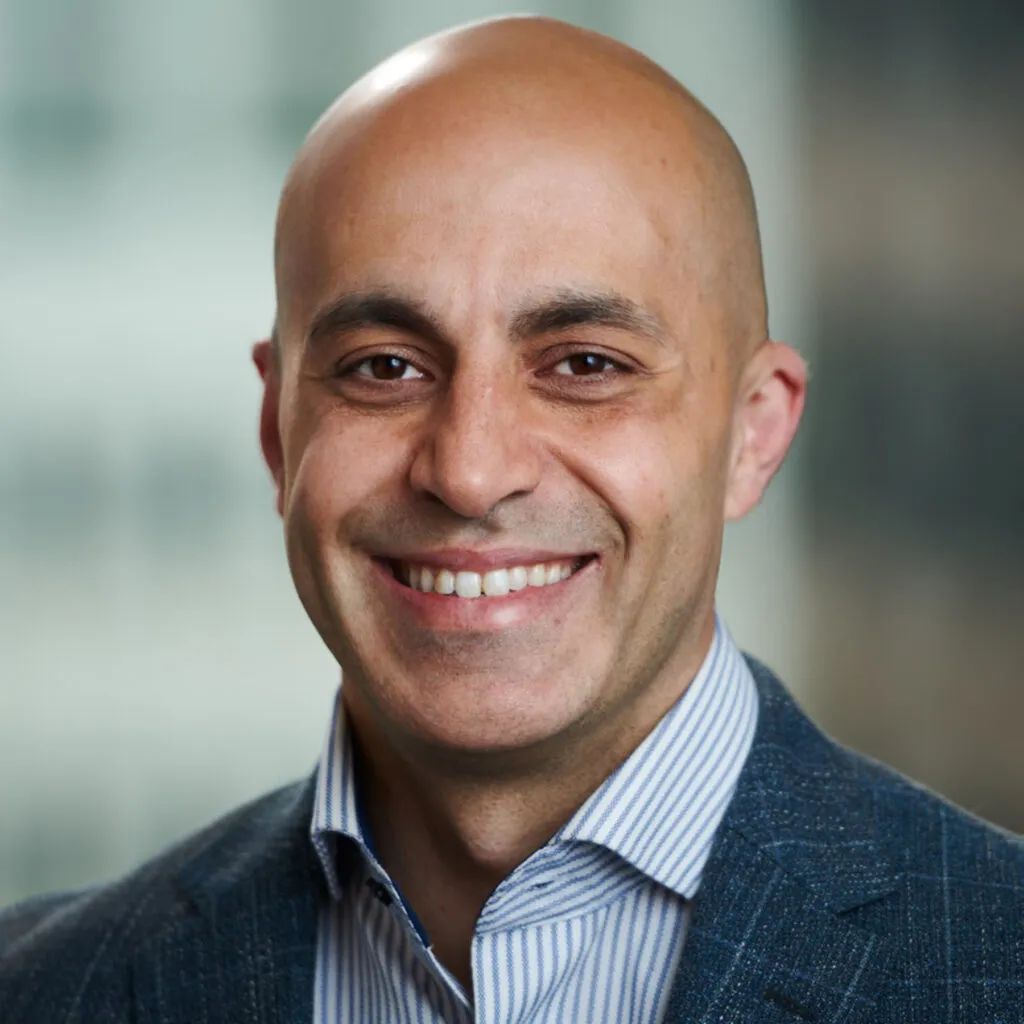
Databricks wanted to raise one billion dollars. It ended up with five billion (around 4.6 billion euros), at a valuation of 190 billion dollars. Not because it needed to - but because turning away an investor queuing at the door costs more than taking their money.
The story was told by chief executive and co-founder Ali Ghodsi himself. During the company's conference in June, the business outlet The Information published a piece saying Databricks was preparing a large funding round. „The moment that article came out, a long queue of investors formed and started calling. My phone blew up”, Ghodsi says. „That was the worst possible timing for us because we were busy with the conference.”
The article fulfilled itself. „The level of interest was simply insane. From just that select group of investors we were considering, there was 15 billion dollars of interest”, Ghodsi says. When that much money is knocking at the door, saying „no” to a long-standing backer is a recipe for bad blood. So the company issued more shares than it had planned.
Why a company that is making money asks for more
The figures really are good. Ghodsi says the company has reached seven billion dollars in annual revenue on a current run rate, that it is growing at 80 percent, and that the business is cash flow positive. The core product, a cloud data warehouse, accounts for 1.5 billion of that and is growing at 100 percent year on year.
So why then? Because artificial intelligence is expensive. Databricks has multi-billion commitments to all three major cloud providers, keeps a research team of a hundred people in today's most expensive labour market, and it is buying. This week it announced the acquisition of Electric, the company behind the lightweight database PGlite. In June it bought a cybersecurity firm, in March - two.
The round was led by Coatue, with Blackstone, MGX, accounts linked to T. Rowe Price and new investor Sixth Street Growth. Around twenty funds took part. Previously, in just twenty months, the company raised 20 billion dollars.
When a billion is small change
There was a time when a billion-dollar round was an event. Today, when startups raise a billion right at the start, it is small change - and that is precisely what is worth noticing. Investors are not looking for a product that works, they are looking for a way into the story before it closes. Ghodsi still says he wants to go public one day. With a shareholder list like this, all of whom will eventually want to cash out, he can hardly promise anything else.
But as long as one move can summon fifteen billion in interest, on his own terms and without quarterly reports anyone actually reads - where is the hurry?
The latest 10 news from this category
Europe finally has a tech company it calls its own. The infrastructure underneath it is held by Google, and the...
River AI has no product with a track record, but it has an xAI CV and a full bank account....

When the practice stopped, daily revenue visibly fell - so it was not a side effect. The founders knew from...
Serbian businessman Davor Macura took 100 percent of the shares through a block transaction, then recapitalised. Another financial brand is...

A billion-dollar lawsuit ended in an exclusive supply deal, and the exclusive deal in an acquisition. The civilian idea attracted...
A London district with 12.1 billion dollars in raised capital is asking itself whether it is a hub or just...

NextSlide turns notes and documents into slides. A company worth more than entire stock exchanges bought it quietly, and is...
Sequoia came in with a billion, the banks added another 200 million. The founder promises thousands of reactors a year...

While everyone throws billions at generative AI, Greece's Omilia argues most customer questions don't need any of it. Its revenue...
A company founded in Nigeria that financed cars for drivers with no access to credit is now worth 2.1 billion...
This site uses cookies - is that okay? Learn more
Be the first to know when Metla launches something new
Leave your email and we will write when there is a new guide or something new on Metla.