

Someone Threw Flammable Liquid at a Shop in Central Skopje - and 17 Hours Passed Before Anyone Reported It
30.08.2026


30.08.2026

30.08.2026

30.08.2026
30.08.2026
30.08.2026

30.08.2026

30.08.2026
29.08.2026
28.08.2026

30.08.2026

30.08.2026

29.08.2026

30.08.2026

30.08.2026

30.08.2026

30.08.2026

29.08.2026

28.08.2026

30.08.2026

30.08.2026
30.08.2026

30.08.2026

30.08.2026

29.08.2026

09.03.2026

27.02.2026

19.02.2026
29.08.2026
28.08.2026
27.08.2026

23.04.2026

23.04.2026

12.04.2026
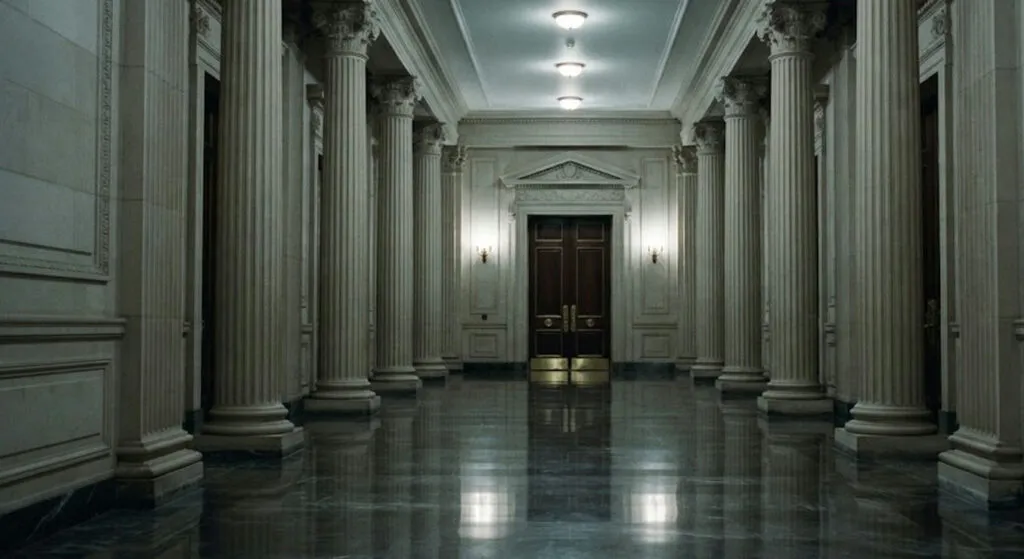
CIA director John Ratcliffe travelled urgently to Moscow on Tuesday. The trip was short, not announced in advance, and stripped of the usual protocol packaging - which in diplomacy means one thing: it was not scheduled, it became necessary.
Now an explanation is emerging. Hamish de Bretton-Gordon, former commander of Britain's chemical, biological, radiological and nuclear forces, argues in an analysis for the Telegraph that intelligence points to Vladimir Putin, under pressure from every direction, weighing an attack on one of NATO's European members. And if that fails to frighten Europe into withdrawing its support for Ukraine, the next option on the table, according to the same information, is a tactical nuclear weapon used against Ukraine.
Why analysts are taking this more seriously than before
The nuclear threat from the Kremlin is as old as the war and until now was almost always rhetoric. The difference, de Bretton-Gordon argues, is that after four and a half years Western agencies no longer treat it as pure rhetoric - because the numbers underneath it have changed.
Ukraine has become one of the global leaders in battlefield drone warfare. Its strikes on Russian infrastructure, including oil industry facilities, are complicating exports and fuel supply, and queues are forming at petrol stations in parts of Russia. That is not the picture of a state that is winning.
An even bigger problem than the economy is the army. After heavy losses, Russia is finding it increasingly hard to recruit new volunteers despite high salaries and financial incentives. The analysis assesses that the shortage of people may in time become the single biggest weakness of the Russian war machine.
The mobilisation they keep postponing
The way out is known and the Kremlin knows it: a new, broader mobilisation. Western officials, the analysis claims, believe certain preparations are already under way.
Only, that is where the political trap lies. The burden of mobilisation so far has not been carried by Russia's largest and wealthiest cities - the Russian middle class could watch the war from a relative distance, as something happening to other people. If a new mobilisation reaches a significantly wider part of the population, that distance disappears. And when the war knocks on doors in Moscow and St Petersburg, the political consequences for the Kremlin could be serious.
That is why the author concludes that Putin is no longer waging the war only over a political position, but over his own survival in power and the legacy he wants to leave. That is the key shift - a leader calculating how to win is predictable; a leader calculating how to survive is not.
The Iranian bill and the emptied American stockpiles
Washington enters this equation too, and in a way that does not favour Europe. According to the analysis, Moscow is carefully watching American policy towards Iran and assessing how ready Washington is to be militarily engaged in several crisis areas at once.
More concretely: during the operations against Iran, the United States used up part of its stock of long-range precision weapons. That is a data point the Kremlin does not read as a detail.
Joe Biden's administration previously threatened Russia with "catastrophic" consequences if it used a nuclear weapon in Ukraine. America still has enormous conventional capabilities - but running a large campaign against Iran puts a strain on those same reserves. Two wars competing for the same ammunition.
And Europe?
The analysis concludes that responsibility now falls on NATO's European members, and that Moscow must be told plainly that an attack on an alliance member would trigger a powerful conventional military response. The argument holds up: Russian conventional power has been seriously drained in Ukraine, while the European members together command far greater economic, technological and military potential.
"Together" is the hardest word in that sentence. European defence to this day functions as an agreement in which everyone concurs on the principle and nobody wants to pay first.
For the Balkans this is not distant news from another geography. The region has NATO members, it has states still waiting, and it has long experience of what happens when great powers test where somebody else's resolve ends. The Balkans know this scene by heart - first they check whether anyone will react, then they move in.
Ratcliffe flew to Moscow and flew back. What he took and what he brought we do not know. We only know that the head of American intelligence does not travel urgently when everything is under control.
The latest 10 news from this category
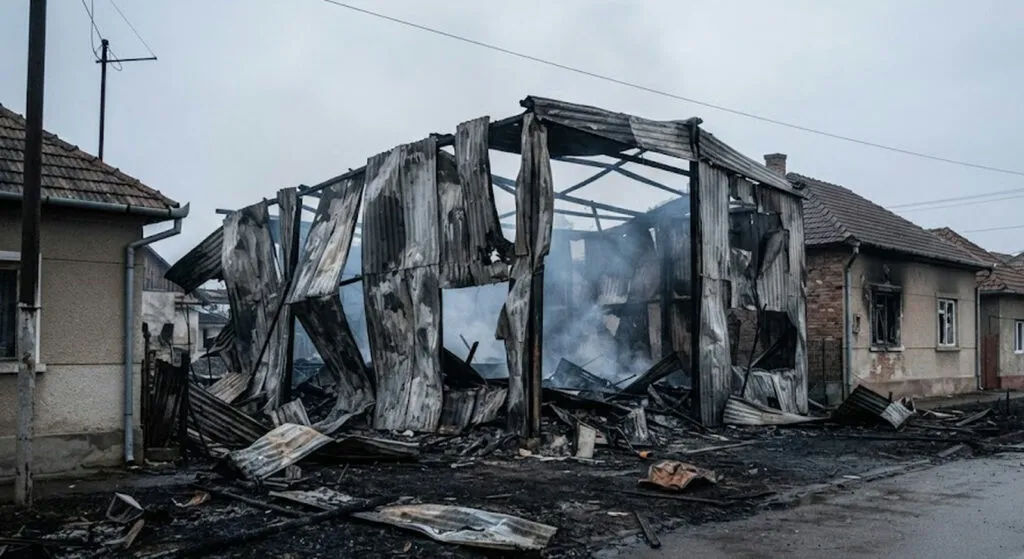
Two months ago the same mistake cost eight lives, followed by dismissals and promises of severe punishment. Now the number...
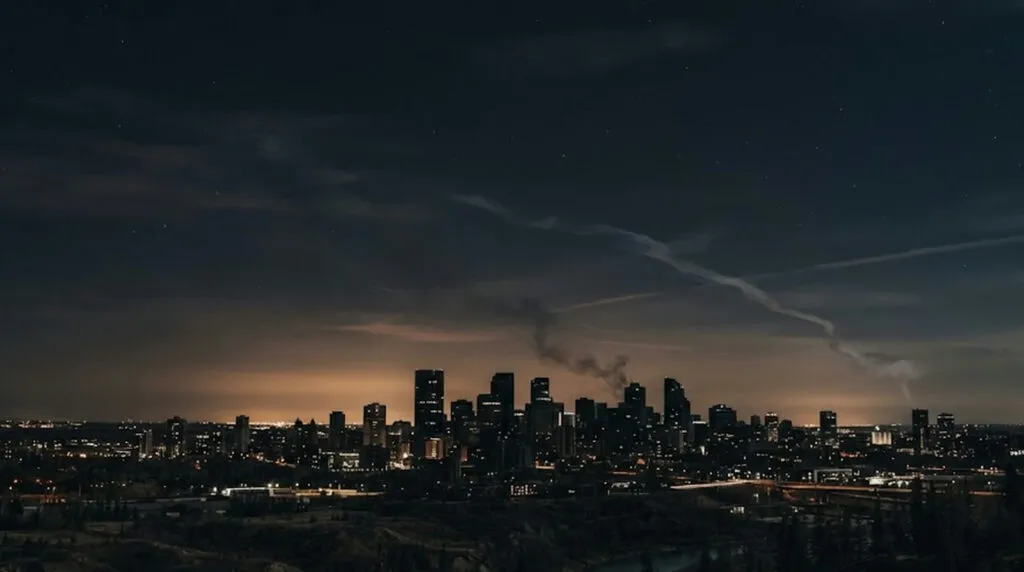
The night Kyiv's air defence ran at ninety percent success and it still was not enough. The tactic has changed:...
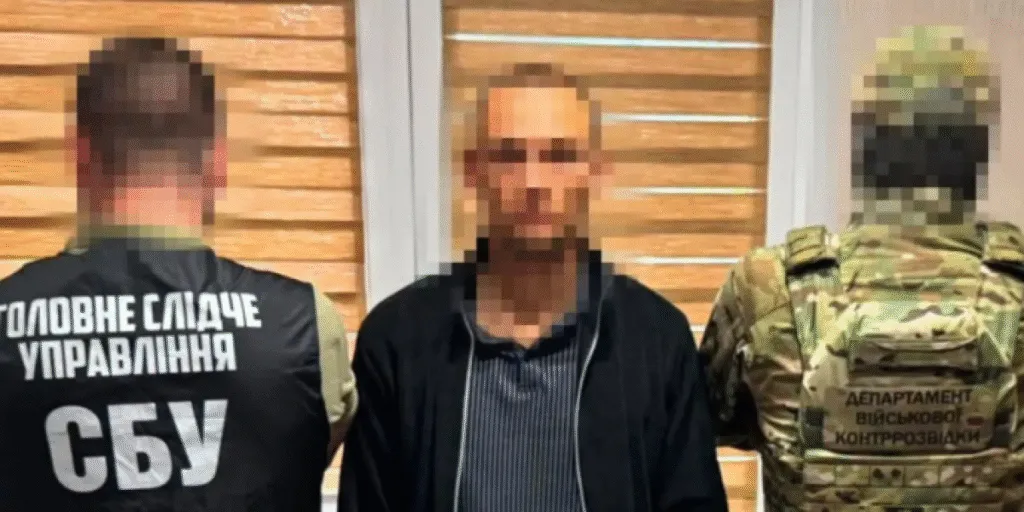
Not a reservist, not a guard, not a man from the margins - a man who commanded a special unit...

If a deal stops the shooting but leaves every cause untouched, that is not the end of a war but...
A dozen explosions in waves over Kyiv, ballistic missiles on four more cities, and all of it was set out...
First they would not give missiles, then they gave them with rules on where they could be fired, now they...
Dnipropetrovsk, Kharkiv, Chernihiv and Zaporizhzhia spent the night under drones and missiles. A shopping centre car park and residential blocks...
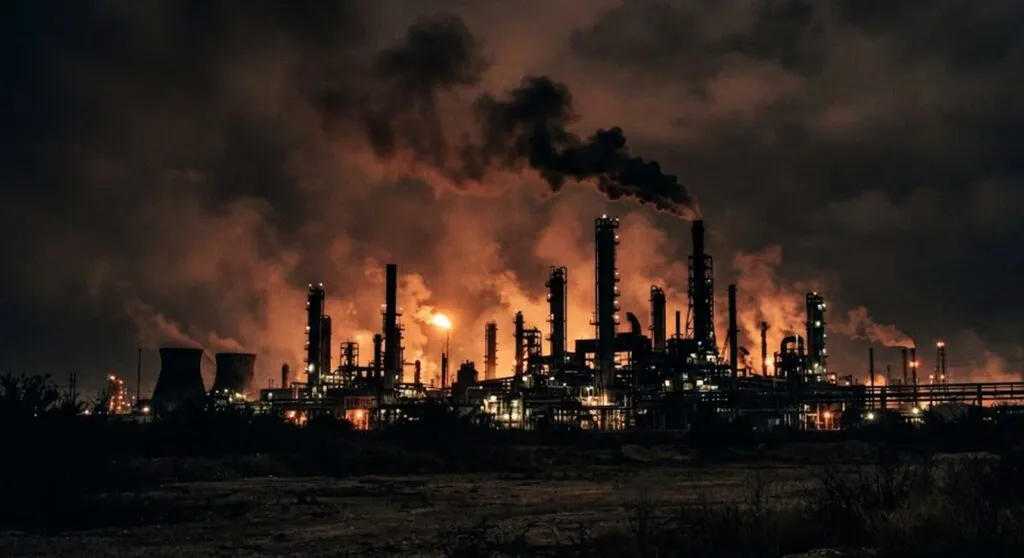
A plant that processes 6.25 million tonnes of oil a year. The war stopped being a line on a map...
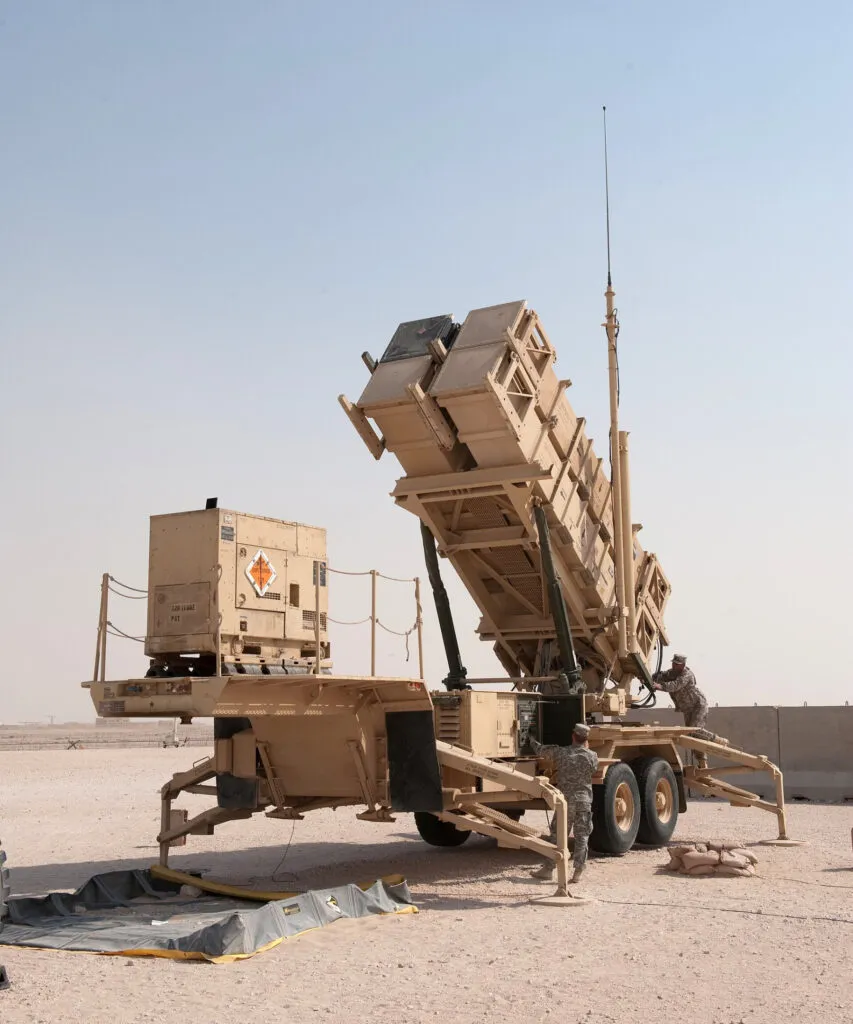
Bezmer in Bulgaria. Akrotiri in Cyprus. Missiles with a range over 2,000 kilometres. This is no longer a distant conflict...
Samara, Orenburg, Krasnodar, Adygea, Stavropol. Hundreds of evacuated workers who never decided anything about any front.
This site uses cookies - is that okay? Learn more
Be the first to know when Metla launches something new
Leave your email and we will write when there is a new guide or something new on Metla.
