


Studeničani: 35-year-old dies after being electrocuted while washing his car with a pressure washer
18.09.2026


18.09.2026

18.09.2026

18.09.2026

18.09.2026
18.09.2026

18.09.2026
18.09.2026
17.09.2026
16.09.2026

18.09.2026
18.09.2026
17.09.2026

18.09.2026

18.09.2026

18.09.2026
18.09.2026
17.09.2026
16.09.2026

18.09.2026

18.09.2026

18.09.2026

18.09.2026
17.09.2026

17.09.2026

09.03.2026

27.02.2026

19.02.2026

18.09.2026

17.09.2026

16.09.2026

23.04.2026

23.04.2026

12.04.2026

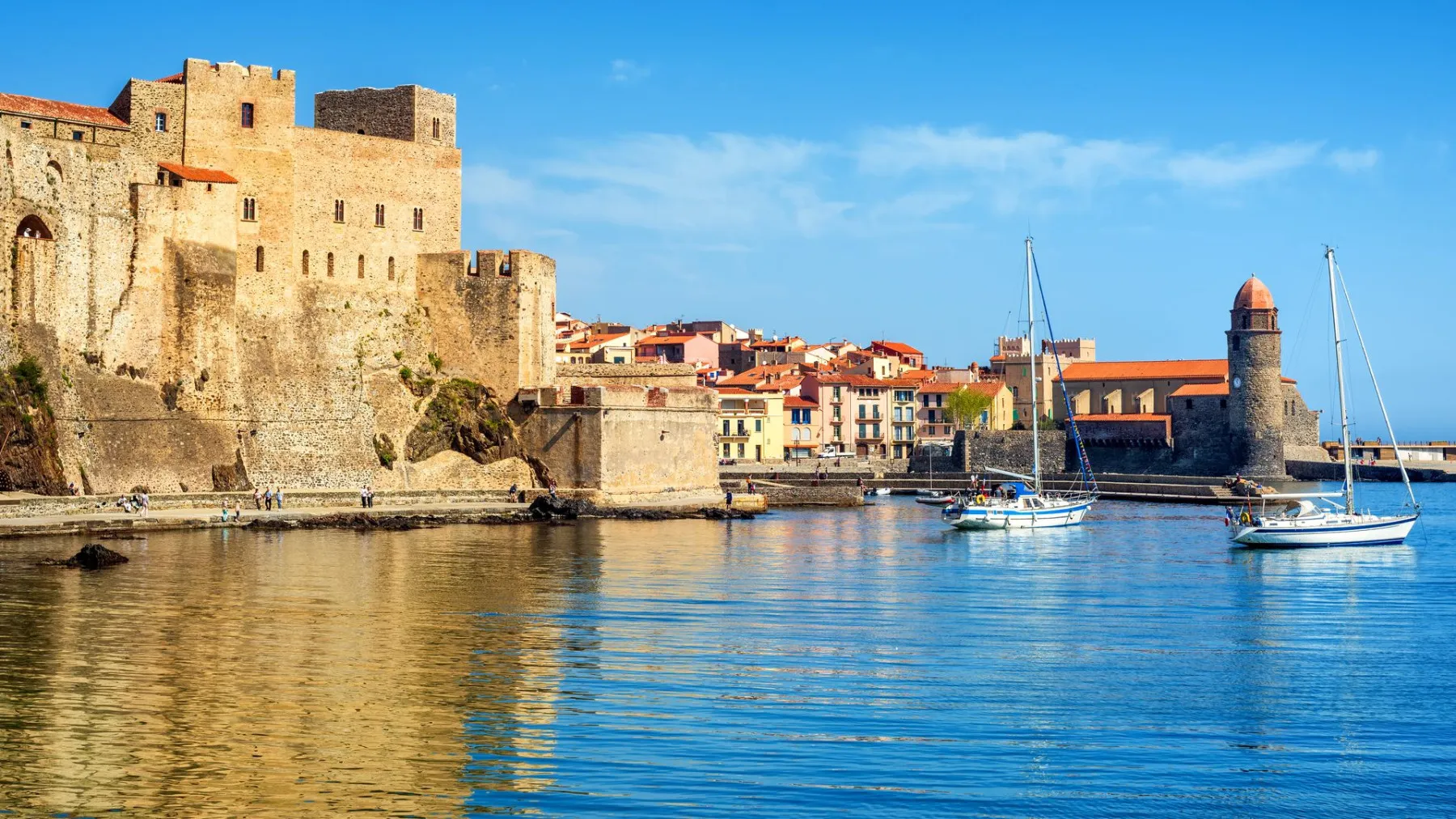
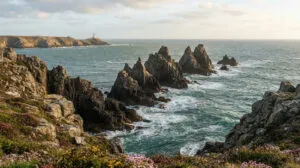
There's a stretch of the French coast where the sky is so blue it once made a painter change the course of art. Côte Vermeille - the "Ember Coast" - is a 30-kilometre belt between Argelès-sur-Mer and the Spanish border, where schist cliffs tumble into the sea and vineyards climb in terraces above the water.
It got its name in November 1912, by a vote of a Catalan tourist club - inspired by the redness of the local earth, the wine and the sunsets. But the bigger story is older. In May 1905, Henri Matisse arrived in the little town of Collioure and described it as a place with a "golden light that erased the shadows." André Derain joined him, and in three months the two of them created over 15 paintings and 40 watercolours.
When they exhibited them in Paris, one critic mockingly called them "fauves" - wild beasts. And so, out of an insult, Fauvism was born - one of the key modernist movements. Today the "Chemin du Fauvisme" trail shows reproductions at the very spots where the originals were painted. "There's no bluer sky in France than the one in Collioure," Matisse wrote. "It's enough for me to close the window shutters to have all the Mediterranean colours at home."
Every town along the coast carries its own secret. Banyuls-sur-Mer holds the oldest marine reserve in France and a winery housed in a 13th-century Dominican monastery. Port-Vendres turned a former dynamite factory into a botanical garden. Collioure keeps the grave of the Spanish poet Antonio Machado, who came to rest here in exile.
And above it all stands the wine - two appellations sharing the same terrain: Collioure, a dry red from grenache, syrah and mourvèdre, and Banyuls, a naturally sweet wine with notes of candied fruit, cocoa and dried figs. A Balkan person who thinks they've seen every beautiful Mediterranean coast might need to do one more reckoning. Some places aren't famous because they're perfect for a photo, but because they made someone see differently.
The latest 10 news from this category
The royal couple walked yesterday into a pub the village bought back for itself. How many buildings like that sit...

Of twenty-five new inscriptions, five are natural - and only one is in Europe. For the richest of them, the...
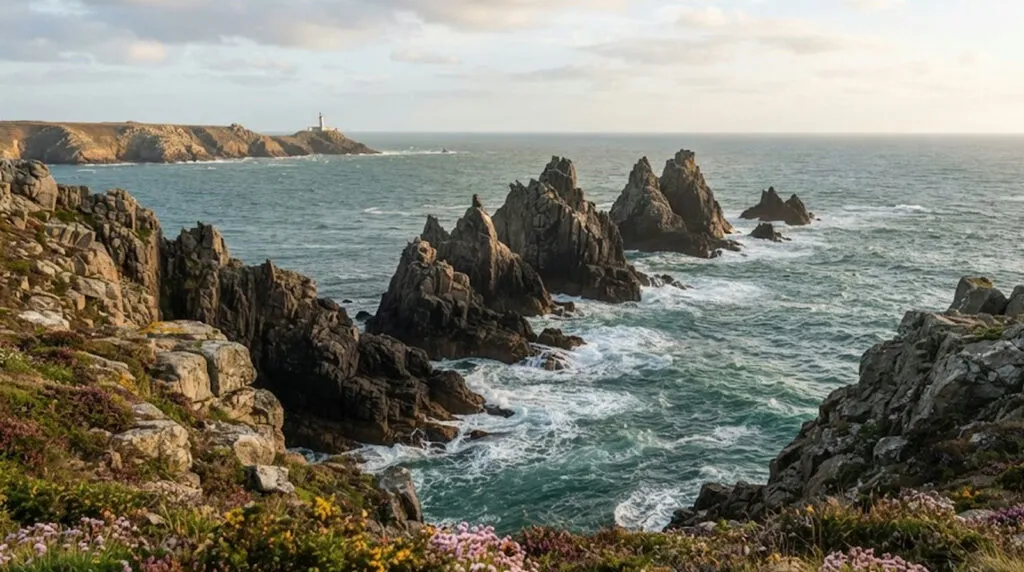
Fifty beaches, more than 120 villages and a trail France voted its favourite. Monet came for a few days and...
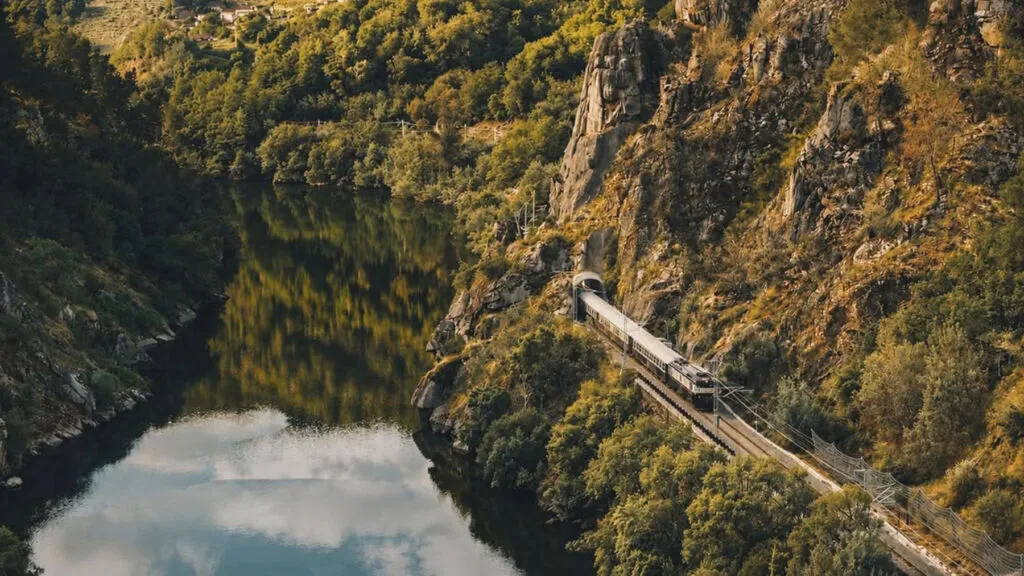
Restored carriages, a locomotive they call the Japanese Woman and a 28.95 euro return ticket. What it sells is not...
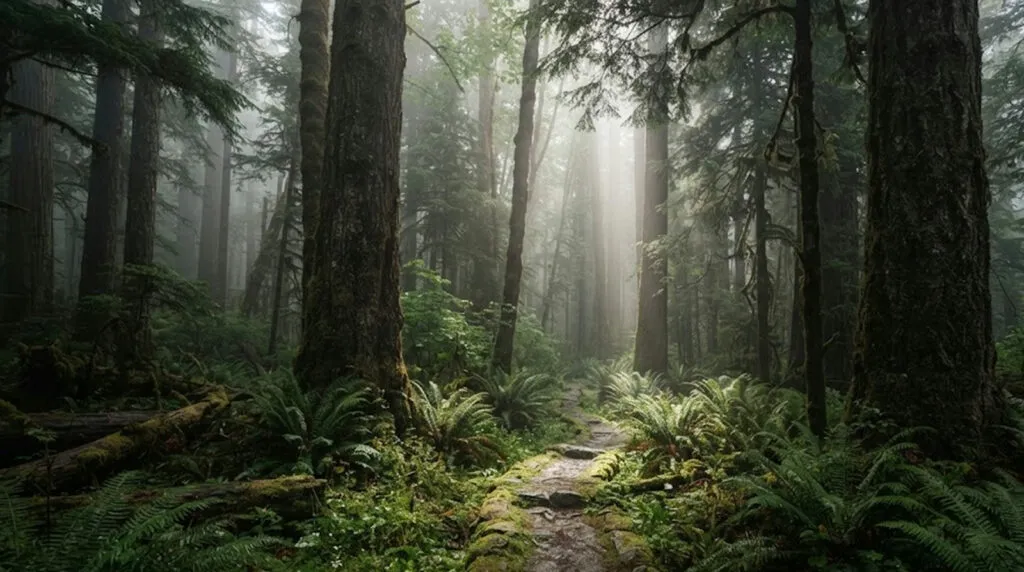
Two hundred and fifty tree species from every corner of the world, a monastery from 1628 and a palace that...
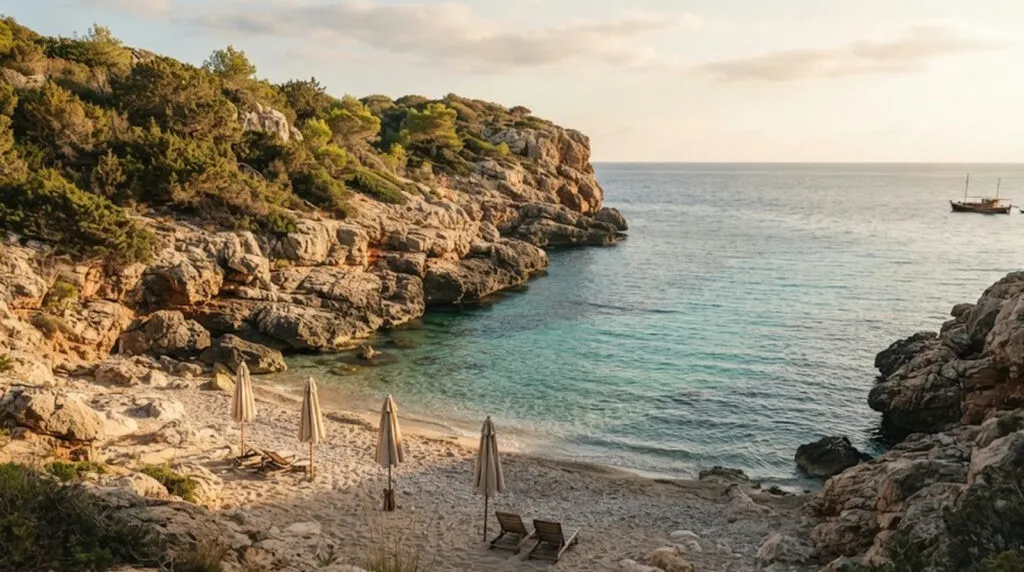
The same places cost more in August, look crowded and are experienced at half strength. The difference is made by...
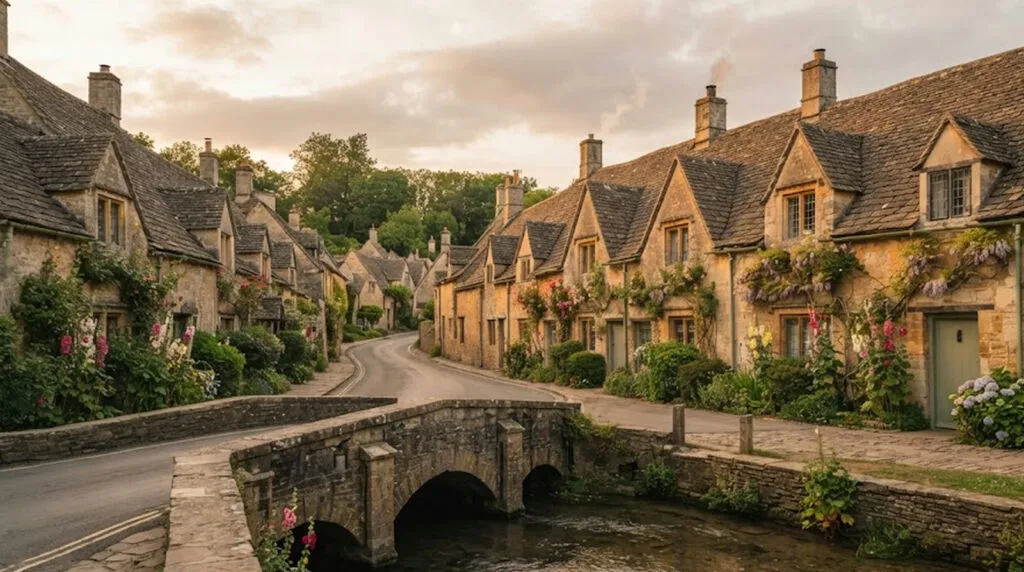
The Beckhams have a place there, so do Kate Moss and Ellen DeGeneres. But the Cotswolds needs none of those...

Down on the coast the buses pass each other with centimetres to spare and all you see is people. Up...
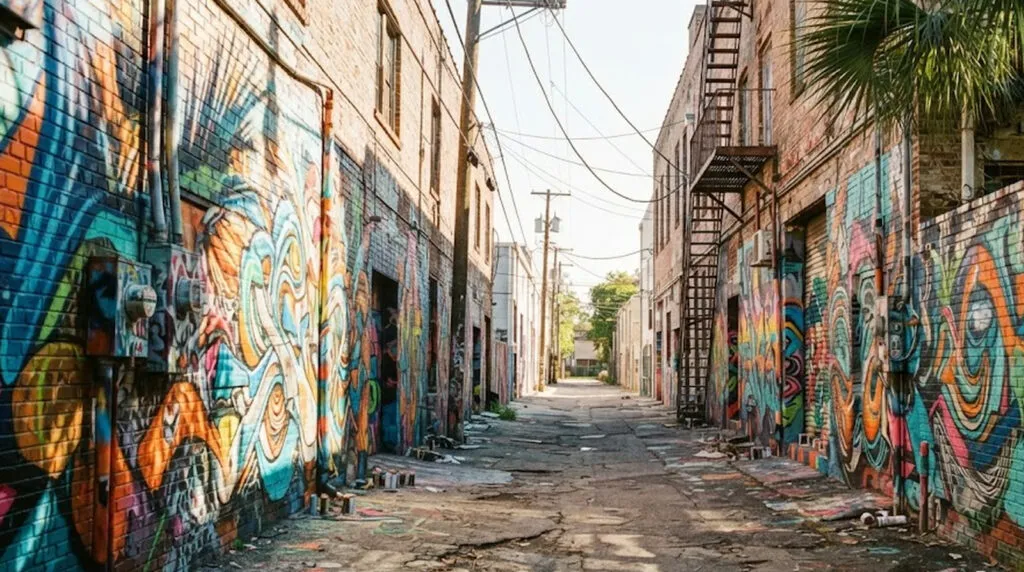
Empty warehouses, low rents and one real estate developer. A model we know without flying to Florida.
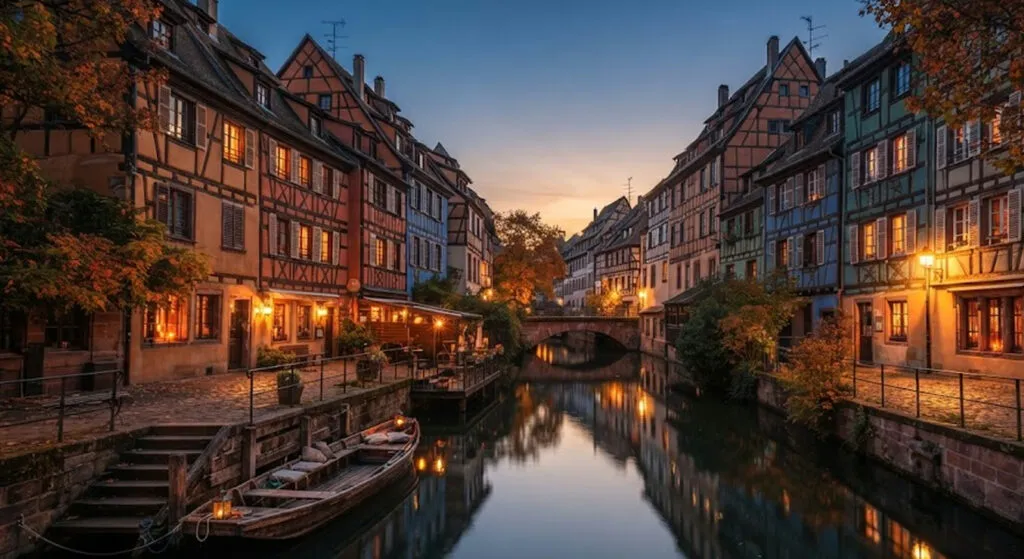
Old tanners' and dyers' workshops, built directly over the river. From 10 to 13 September the town puts boats and...
This site uses cookies - is that okay? Learn more
Be the first to know when Metla launches something new
Leave your email and we will write when there is a new guide or something new on Metla.
