
ЕВРОПА ГАЛОПИРА КОН ЈУГОСЛОВЕНСКО СЦЕНАРИО – ДАЛИ ИСТОРИЈАТА СЕ ПОВТОРУВА?
23.10.2026


23.10.2026

23.10.2026

23.10.2026

23.10.2026

23.10.2026

23.10.2026

23.10.2026

22.10.2026

22.10.2026

23.10.2026

23.10.2026
22.10.2026

23.10.2026

23.10.2026

23.10.2026

23.10.2026

22.10.2026

21.10.2026

23.10.2026

23.10.2026

23.10.2026

23.10.2026

23.10.2026

22.10.2026

23.10.2026

23.10.2026

23.10.2026
22.10.2026

20.10.2026

19.10.2026

23.04.2026

23.04.2026

12.04.2026

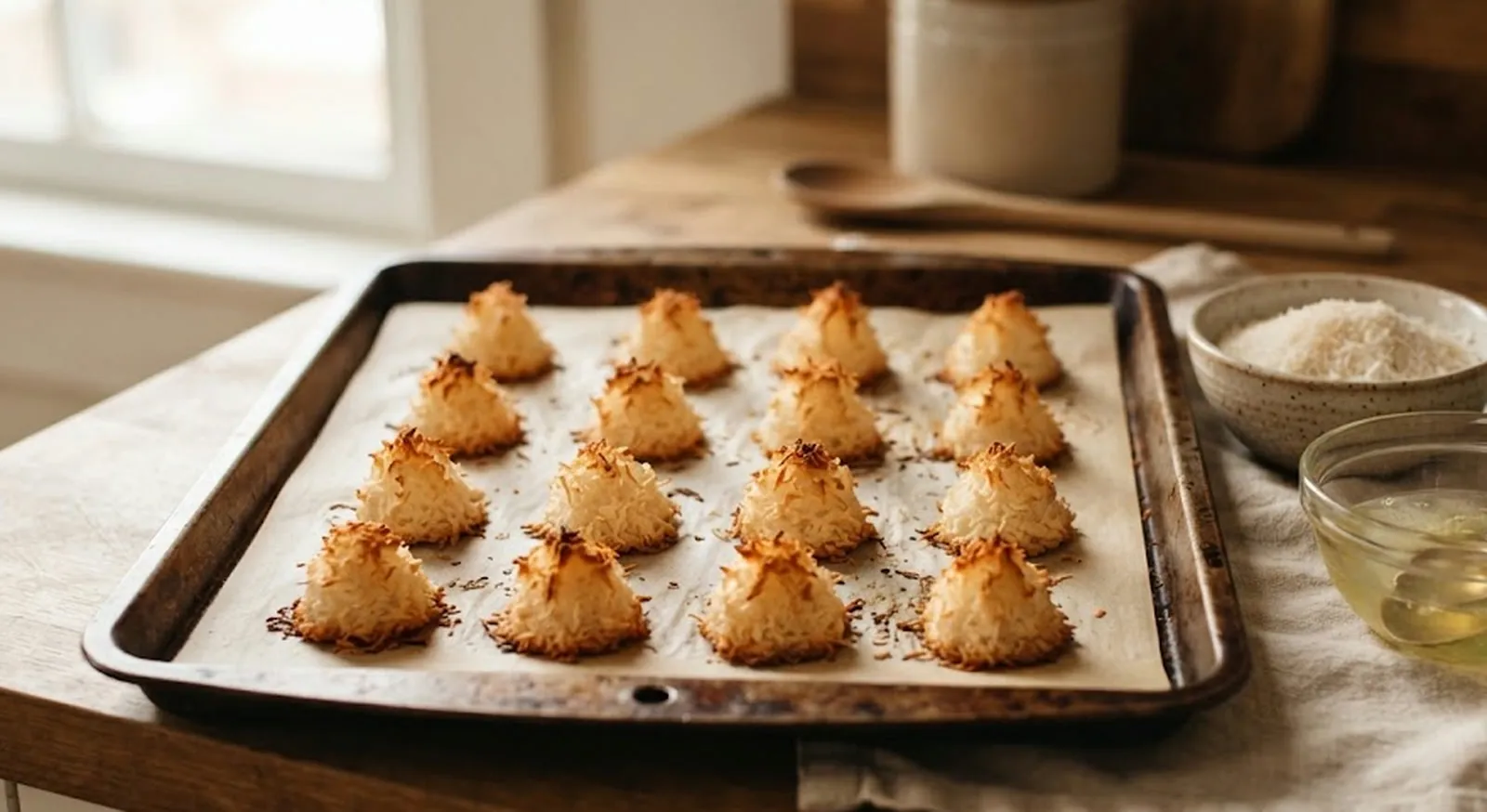
Three ingredients. Desiccated coconut, sugar and egg white. That is the entire French sweet called rochers coco - literally "coconut rocks" - made as small irregular pyramids baked to golden only at the tips. In France it is a dessert that tastes of childhood, the kind you make with children, because there is nothing in it that can go wrong.
We have a close relative of it here and you are probably already asking why you need the French version. The difference is real, if small. Spanish cocquitos often use a whole egg, yolk included, and are flavoured with lemon zest; they are piped with a pastry bag, often into paper cases. The French rocher is shaped by hand, hence the rustic, slightly uneven look. Both recipes come from the same story - coconut arriving in Europe through colonial trade - but neither was born from the other. They developed in parallel.
For 18 to 20 pieces you need: 200 g desiccated coconut, 150 g white sugar, 100 g egg whites (about three whites from medium eggs), a pinch of salt and, if you like, a teaspoon of vanilla extract. Vanilla is not compulsory in the classic version.
Heat the oven to 170 degrees, top and bottom, and line a tray with baking paper. Put the whites in a large bowl, add the sugar and a pinch of salt. Do not whip the whites - this is the step everyone gets backwards, meaning they do it when they should not. Just stir with a whisk until the sugar dissolves into an even mixture. Add the vanilla here if you are using it.
Then fold in the coconut slowly with a spatula until it is all moistened. At first it will look far too wet, and here the second problem begins: people panic and add more coconut. Do not add any. Leave the mixture to rest for 15 to 30 minutes at room temperature and the coconut will absorb the moisture on its own. It is ready when it is damp and dense but holds its shape when you squeeze it in your palm. If it falls apart, it needs more time - not more coconut.
With slightly damp hands, take portions of 25 to 30 grams. Squeeze each one firmly between your palms to compact it, then shape a small mound or rounded pyramid with an uneven surface. They do not have to match - that is precisely the point of this sweet. Space them a few centimetres apart on the tray.
Bake for 12 to 16 minutes at 170 degrees. They are done by colour, not by time: the tips and outer edges should be clearly darkened, while the inside stays pale and moist. If you wait for the whole thing to brown, you get a dry biscuit. Take the tray out, let them sit on it for five minutes, then move them to a rack to cool completely. A little coconut on top if you like.
The whole thing takes under half an hour, and half of that is waiting for the mixture to rest. If you have children at home, this is a recipe where they do the hardest stretch - the shaping - and come out better than you, because here the unevenness is an advantage.
The latest 10 news from this category

Jesús Sánchez defends squid against every add-on that supposedly improves it - egg, milk, and even lemon.
The seeds burst between your teeth, the sweet-sour taste tames the salty, and the juice is a ready-made dressing. In...
The persimmons that have gone too soft to eat are exactly the ones you need. A recipe for a 22-centimetre...
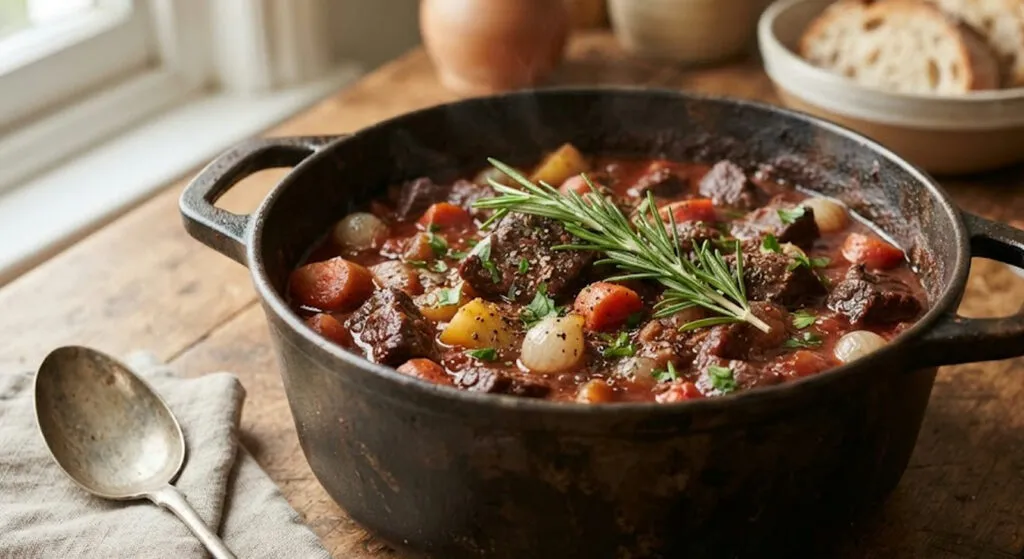
The most tender stew is not made from the leanest meat, but from the cuts that demand patience. And it...
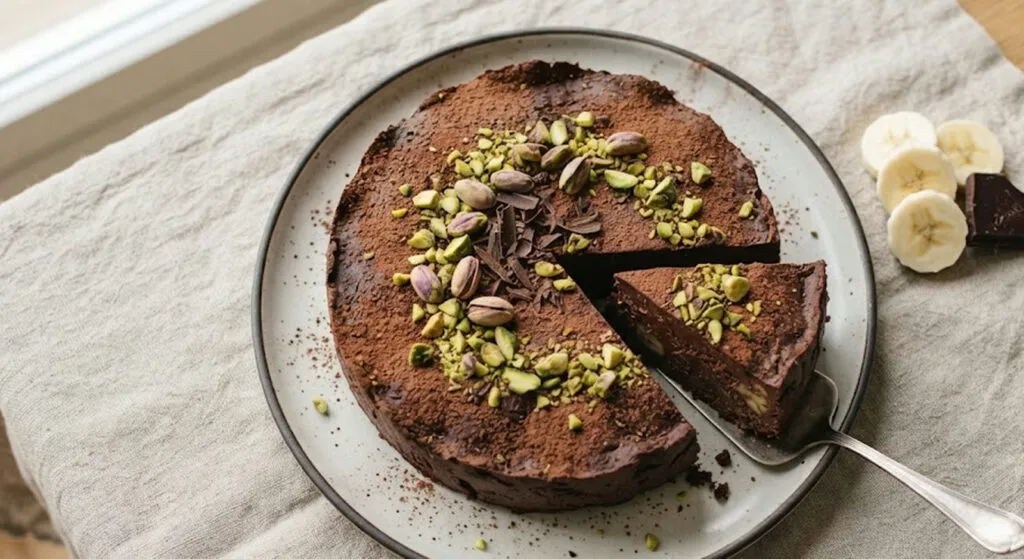
Two ripe bananas, a little dark chocolate and a fridge instead of an oven: the Olympic canoeist's dessert for evenings...
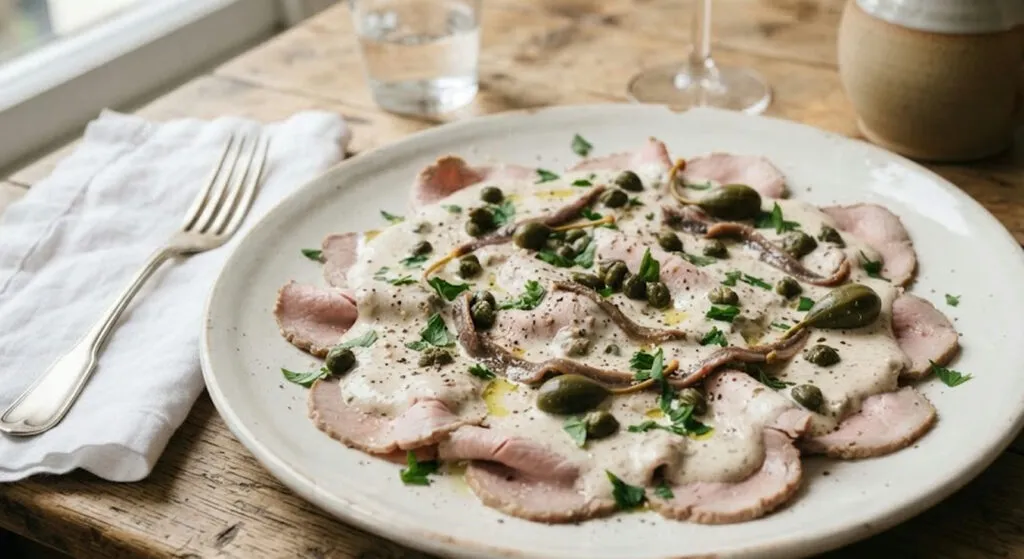
Lean meat that never goes above 65 degrees inside, a night in the fridge and a mayonnaise with tuna, anchovies...
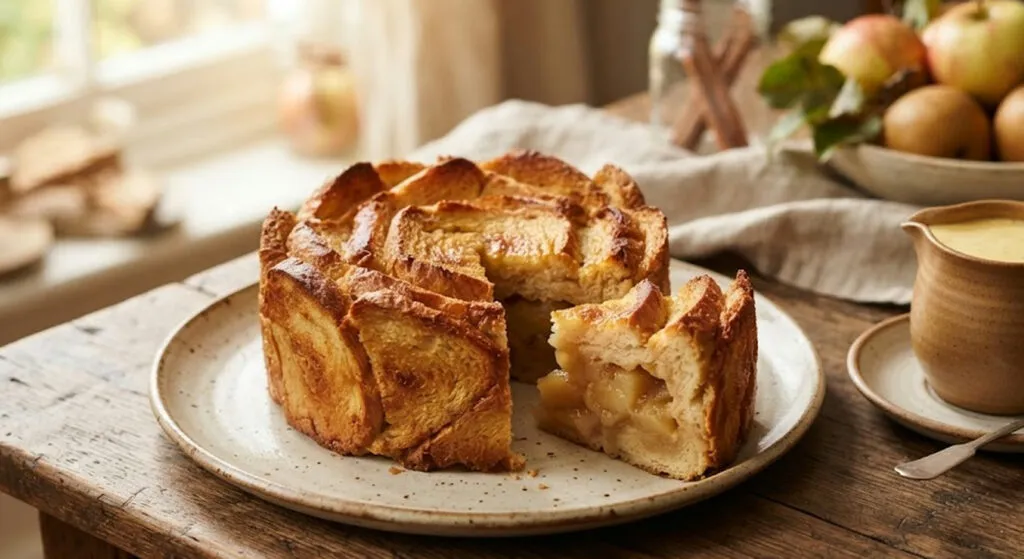
The British turned stale bread into a warm pudding served with custard. The secret isn't the bread, it's the filling,...
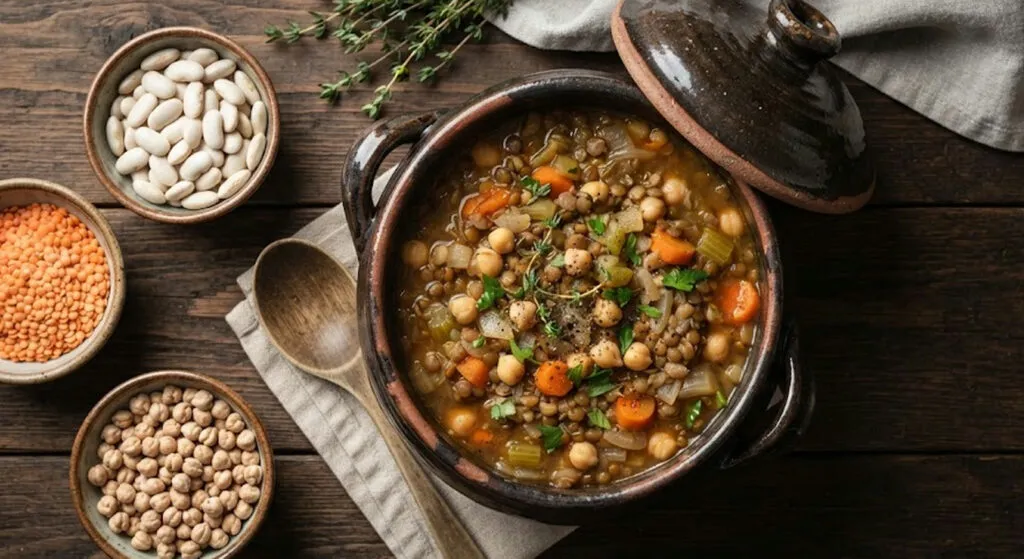
Cheap, filling, cholesterol-free and happy to wait months in the pantry. Ten legume recipes for autumn - and the trick...
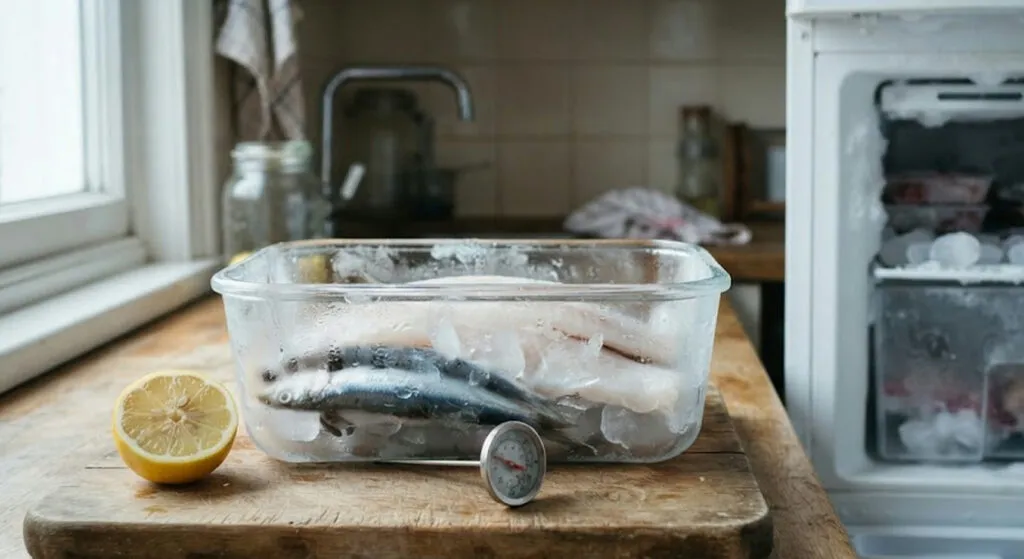
The larvae are killed only by 60 degrees at the centre of the piece or at least four days in...
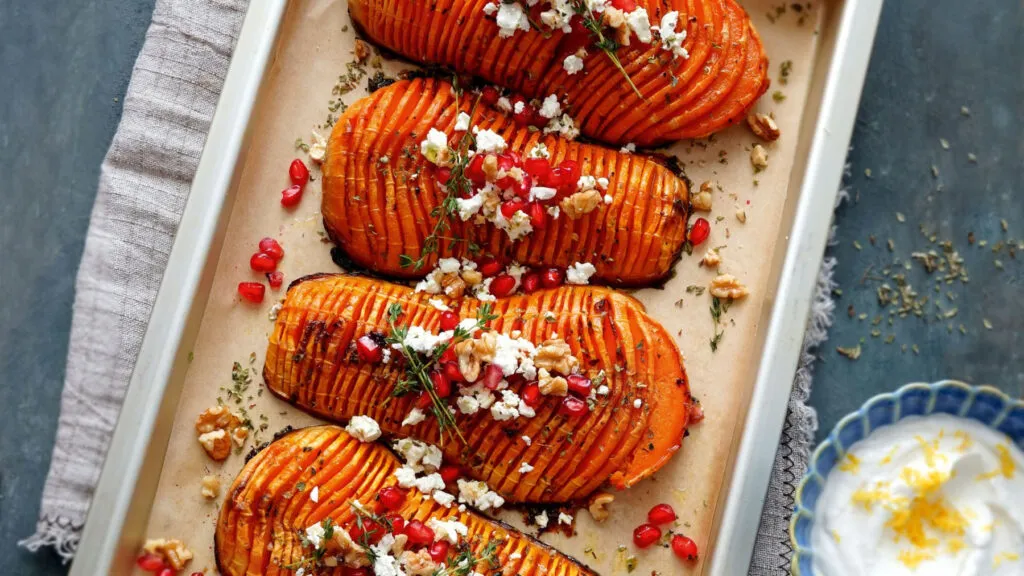
In Macedonia, pumpkin usually ends up in tikvenik, the filo pumpkin pie, or baked with sugar. Three recipes for four...
This site uses cookies - is that okay? Learn more
Be the first to know when Metla launches something new
Leave your email and we will write when there is a new guide or something new on Metla.