
Debar woman reported a 3,000-euro burglary at her home - police found she had made it up
14.10.2026


14.10.2026

14.10.2026

14.10.2026

14.10.2026

14.10.2026

14.10.2026

14.10.2026

13.10.2026

13.10.2026

14.10.2026
14.10.2026

13.10.2026

14.10.2026

14.10.2026

14.10.2026

14.10.2026

13.10.2026

12.10.2026

14.10.2026

14.10.2026

14.10.2026

14.10.2026

14.10.2026

14.10.2026
13.10.2026

12.10.2026

10.10.2026

23.04.2026

23.04.2026

12.04.2026

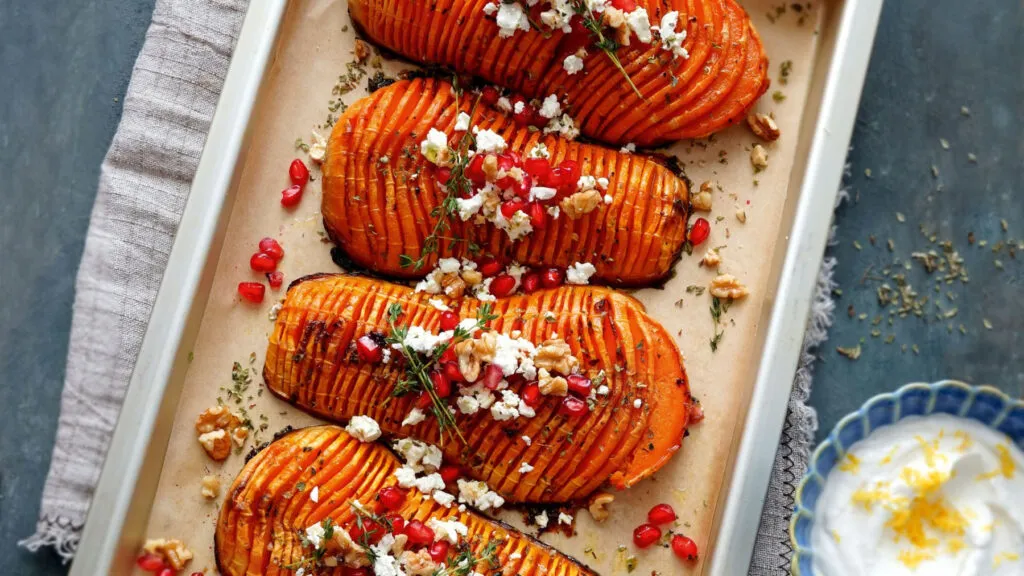
In our kitchens, pumpkin usually ends up in tikvenik, the filo pumpkin pie, or baked in the oven and sprinkled with sugar. Both are perfect, but pumpkin can do a lot more. Here are three recipes, each for four people, that show its other side: a baked "hasselback" with honey and mustard, a creamy risotto and a cream soup with carrot and ginger.
Hasselback pumpkin with honey and mustard (about 1 hour). You need 2 smaller elongated butternut squashes or one large one, 30 g melted butter, 2 tablespoons olive oil, 1 heaped tablespoon honey, 1 teaspoon Dijon mustard, 1 grated garlic clove, 1 teaspoon dried oregano, salt and pepper. For the cream: 200 g cream cheese, 100 g ricotta, 2 tablespoons cream, 1 teaspoon lemon juice and the zest of half a lemon. To finish: 60 g crumbled feta, 3 tablespoons pomegranate seeds and 25 g chopped walnuts.
Heat the oven to 200 °C. Peel the squashes, halve them lengthwise and scoop out the seeds. The secret is in the cutting: slices go every 3 millimetres, without cutting through the base. Mix the butter, oil, honey, mustard, garlic, oregano, salt and pepper and brush the squash well, so the glaze gets into the cuts. Bake for 40-50 minutes, basting with the pan juices halfway through. Whip the cream until smooth, spread it on a plate, set the squash on top, and add the feta, pomegranate and walnuts at the end.
One tip that saves lunch: don't judge by colour. The honey darkens before the squash is cooked, so check the thickest part with a wooden skewer or the tip of a knife. The feta and pomegranate go on just before serving, so the cheese doesn't melt and the seeds stay fresh.
Pumpkin risotto (45 minutes). You need 300 g carnaroli or arborio rice, 500 g cleaned pumpkin in cubes, 2 shallots or one small onion, 1 garlic clove, 100 ml dry white wine, 1.2 litres hot vegetable stock (plus up to 300 ml in reserve), 45 g grated Parmesan, 40 g butter, 2 tablespoons olive oil, a teaspoon of fresh thyme, a little nutmeg, salt and pepper.
Sauté the pumpkin in a tablespoon of oil for about 12 minutes. Set a third aside and purée the rest with a little hot stock. In a pan, heat the oil and 15 g of butter, soften the onion for 7 minutes, then add the garlic, thyme and rice, and toast the rice for 2 minutes. Next comes the wine, and once it has evaporated, add the hot stock gradually, stirring often. Halfway through cooking, the pumpkin purée goes in. In total, the rice cooks for about 18 minutes from the first ladle of stock. At the end, take the pan off the heat and add the remaining 25 g of butter, the Parmesan and the nutmeg, stirring vigorously. Two minutes' rest under a lid, and the risotto is served with the reserved pumpkin cubes. Keep the stock hot from the very start, and you don't have to use all of it - the amount depends on the rice, the heat and the width of the pan.
Roasted pumpkin and carrot cream soup (55 minutes). You need 800 g cleaned pumpkin, 2 carrots, 1 leek, 1 small potato, 1 garlic clove, 1 teaspoon freshly grated ginger, 700 ml vegetable stock, 80 ml cooking cream, half a teaspoon sweet paprika, 2 sprigs of thyme, olive oil, salt and pepper.
Roast the pumpkin, carrots and unpeeled garlic at 200 °C for 15 minutes with oil, seasoning and thyme, then add the leek in larger pieces and roast everything for about 15 minutes more. The vegetables go into a pot with the peeled roasted garlic, the diced potato, the ginger and the stock, and simmer for 12-15 minutes. Remove the thyme, add the cream and blend everything until smooth. Start with one teaspoon of ginger and taste after blending - if you like it sharper, add more. Pumpkin is rich in beta-carotene, which the body turns into vitamin A.
Pumpkin is at the markets all autumn and asks for nothing expensive. The only question is whether you'll let it be something more than tikvenik.
The latest 10 news from this category
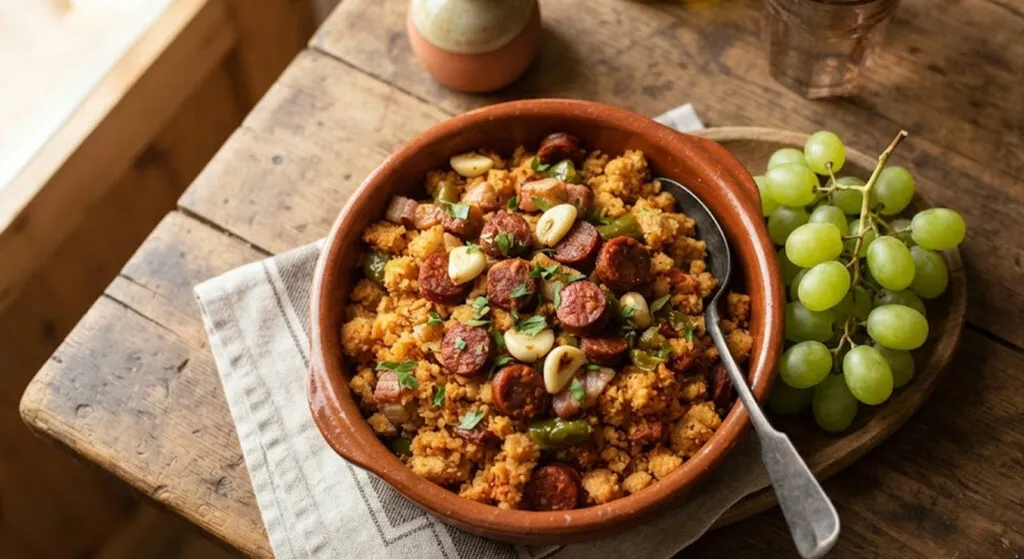
Aragonese cooking was made to feed shepherds and farmers, not to impress a jury. Yesterday's bread, lard, garlic and patience...
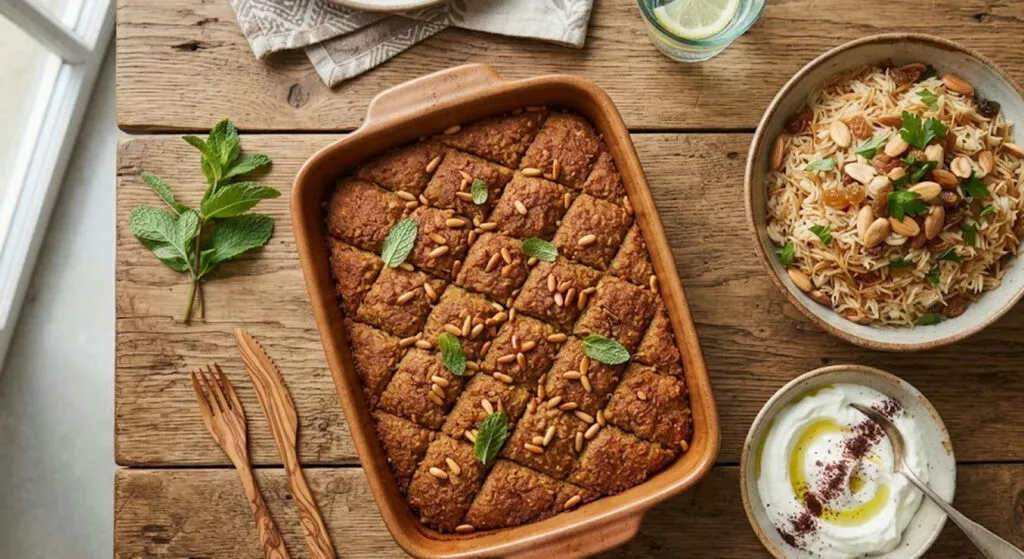
Her Madrid park for 55,000 people includes Lebanese food as a nod to the singer's heritage. The rice simmers for...
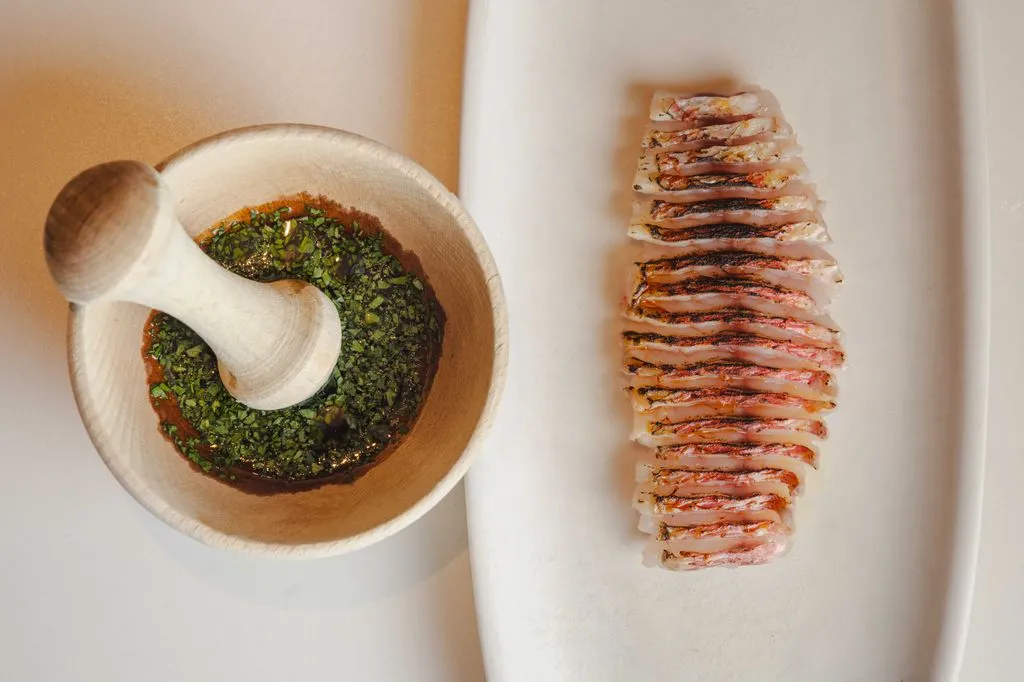
In an age of foam and smoke on the plate, an Andalusian with a star goes back to the stews...
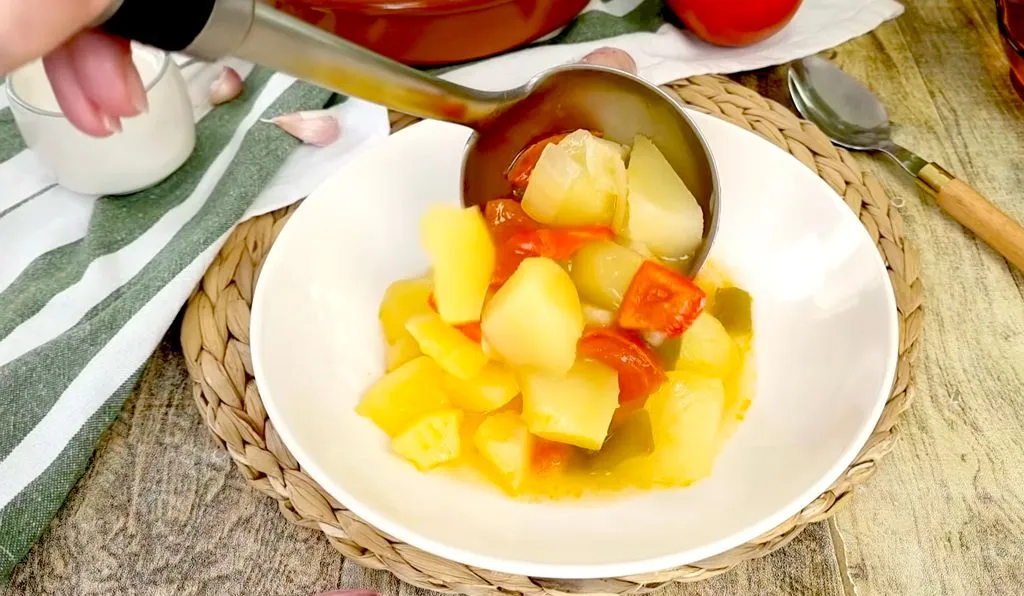
A dish born of ration coupons after the Spanish Civil War: potatoes, peppers, tomato, onion and garlic. The secret is...
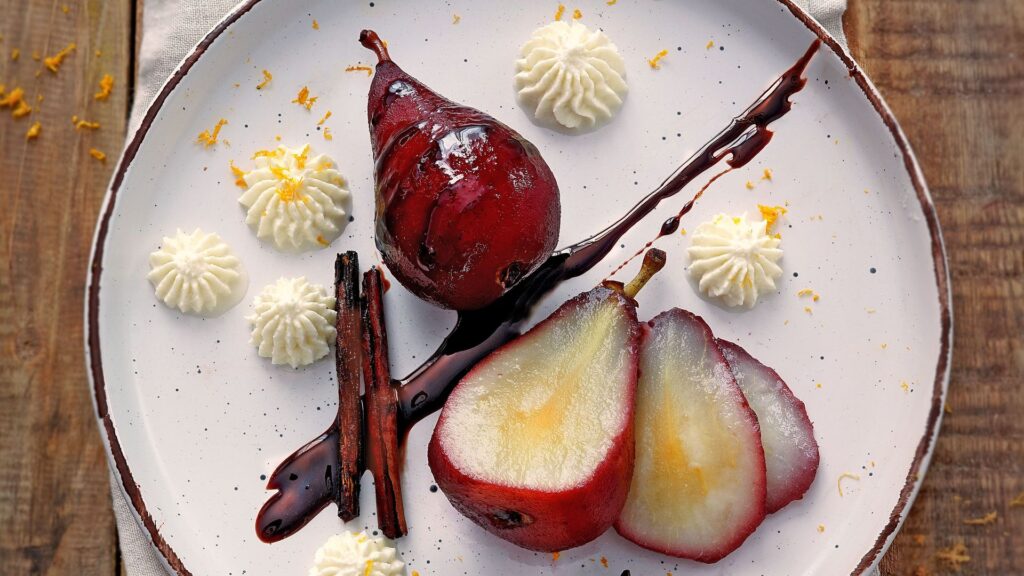
In our part of the world, pears mostly end up as compote or in a rakija still. Three ways to...

Legend has it that it was born from a French pastry cook's mistake around 1613. Today it's the fastest route...
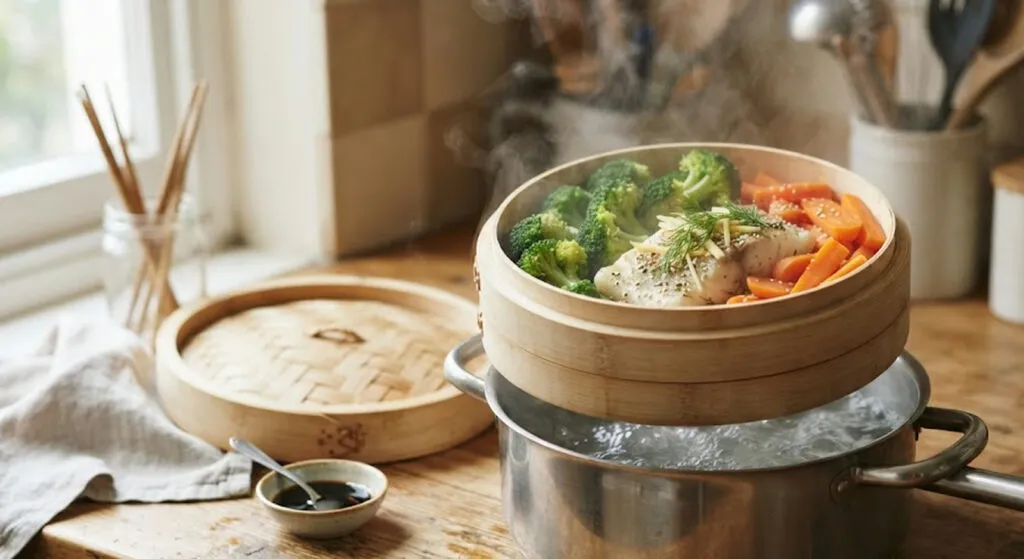
If "steamed" means bland hospital vegetables to you, the problem isn't the technique - it's the minutes. Here are the...
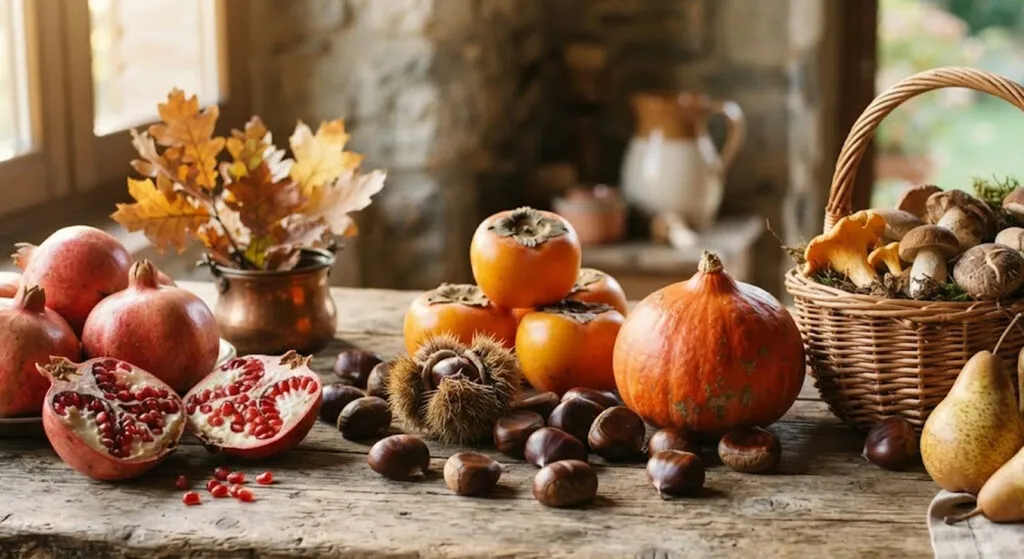
The markets are filling up with quinces and pumpkins, hunting season is opening, and after the first rains the mushrooms...

The world's fifth-best restaurant isn't closing because of empty tables, but to have time to think. The team's wages keep...
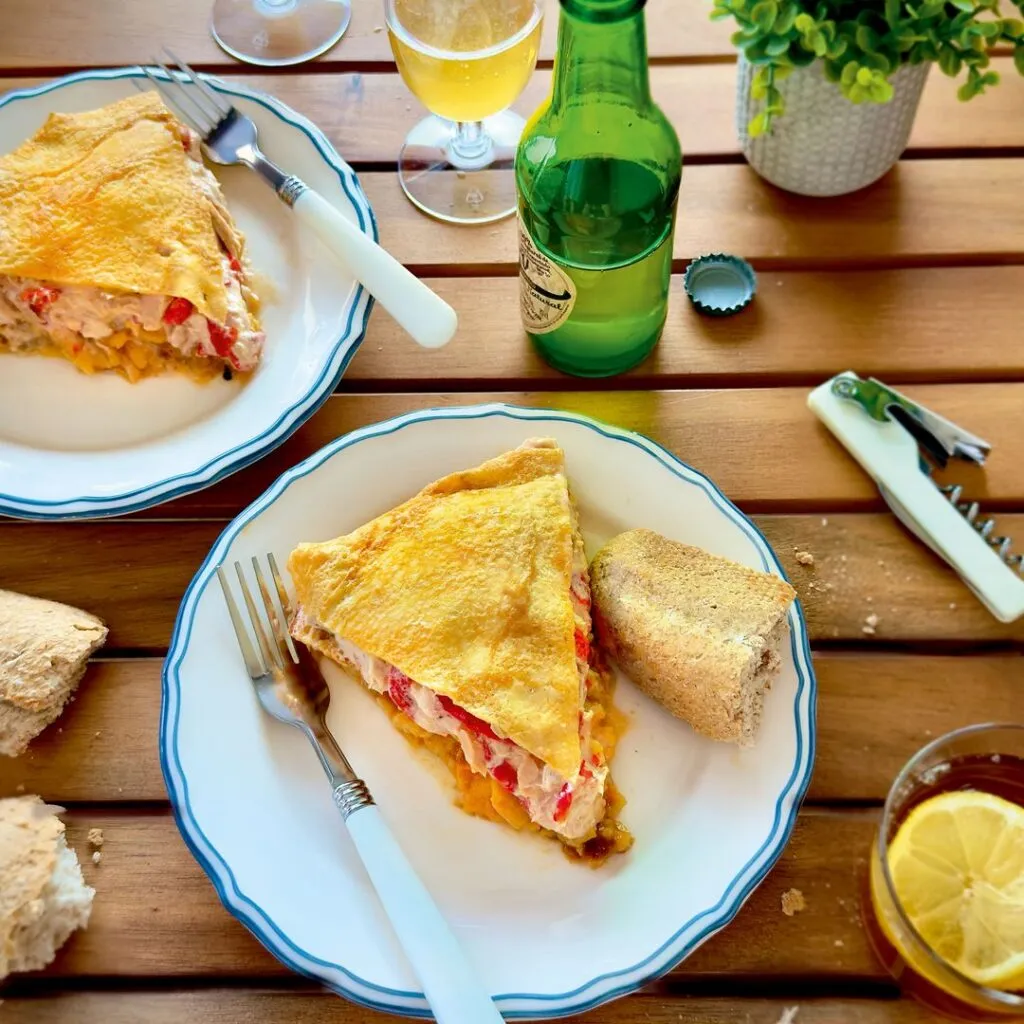
The potato isn't fried brown, it is slowly poached in oil - that is the base. Then comes the "hat":...
This site uses cookies - is that okay? Learn more
Be the first to know when Metla launches something new
Leave your email and we will write when there is a new guide or something new on Metla.