
The "Lottery" Trial: 231 Pieces of Evidence, and So Far Not a Single Message Between Grubi and Bajrami
24.09.2026


24.09.2026

24.09.2026

24.09.2026
24.09.2026

24.09.2026

24.09.2026

24.09.2026

23.09.2026

22.09.2026

24.09.2026

24.09.2026

23.09.2026

24.09.2026

24.09.2026

24.09.2026

24.09.2026

23.09.2026

22.09.2026

24.09.2026

24.09.2026

24.09.2026

24.09.2026

23.09.2026

23.09.2026

09.03.2026

27.02.2026

19.02.2026
24.09.2026

23.09.2026

22.09.2026

23.04.2026

23.04.2026

12.04.2026

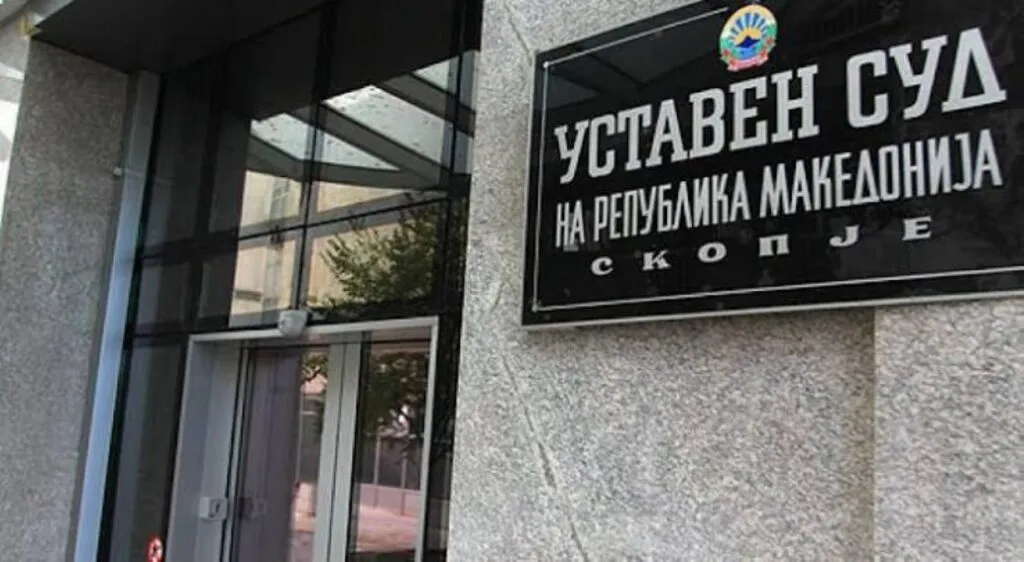
The Constitutional Court voted five to three not to open proceedings on the provisions of the Electoral Code that divide up money and media space for paid political advertising. The rules stay as they are. And among the three who voted against is the Court's own president, Darko Kostadinovski, who said publicly that he considers those provisions unconstitutional.
The challenges were filed by Levica and the Democrats (cases U.br.144/2025 and U.br.145/2025). They contested parts of Articles 75-gj, 76-d and 78-a - the ones under which state money for election advertising is distributed according to the results of the previous election. The Court had already discussed the same issue on 8 July, but there was no sufficient majority then and the case was left hanging.
"Res judicata"
The majority of judges invoked res judicata - a matter already decided. In 2023, on an initiative by Pavle Trajanov, the Court had already ruled that votes won are an objective criterion and that Parliament has the right to set its own rules on how parties are presented in the media. "Some of the judges remained consistent with the position they had previously taken," Kostadinovski said after the session.
He himself stayed consistent not with the majority, but with his own dissenting opinion from three years ago. "It is my deep conviction that these legal solutions do not create fair and equal conditions for all participants in the electoral race. Pluralism doesn't end on election day," the Court's president said. Another of his arguments is hard to refute: if a new party is formed between two election cycles, under the current model it practically cannot get any money and starts from a far worse position.
Levica argues that the 2023 "res judicata" doesn't apply, because the situation is different. Back then, no parliamentary party had been excluded from paid advertising. In the 2025 local elections, according to Levica, it was precisely that party, with its own parliamentary group, that was left without access. "So much for the guardian of the Constitution," the party responded. Whether a new set of facts raises a new question, the majority of judges didn't even want to consider.
Rules written by the winners
Here is the core that no ruling changes. The model of "as many votes in the last election, as much money in the next" is written by Parliament - and that model rewards, above all, the biggest parties in Parliament. The Constitutional Court has now told them that's their right. The Justice Ministry, meanwhile, is announcing new talks with the parties on amending the Electoral Code, including clearer rules on paid advertising. The question is whether anyone at that table will sit on the side of those who don't yet have a voice in Parliament.
The latest 10 news from this category

The President reminded him that after all the compromises, negotiations haven't even started. The European Parliament's rapporteur admitted to a...
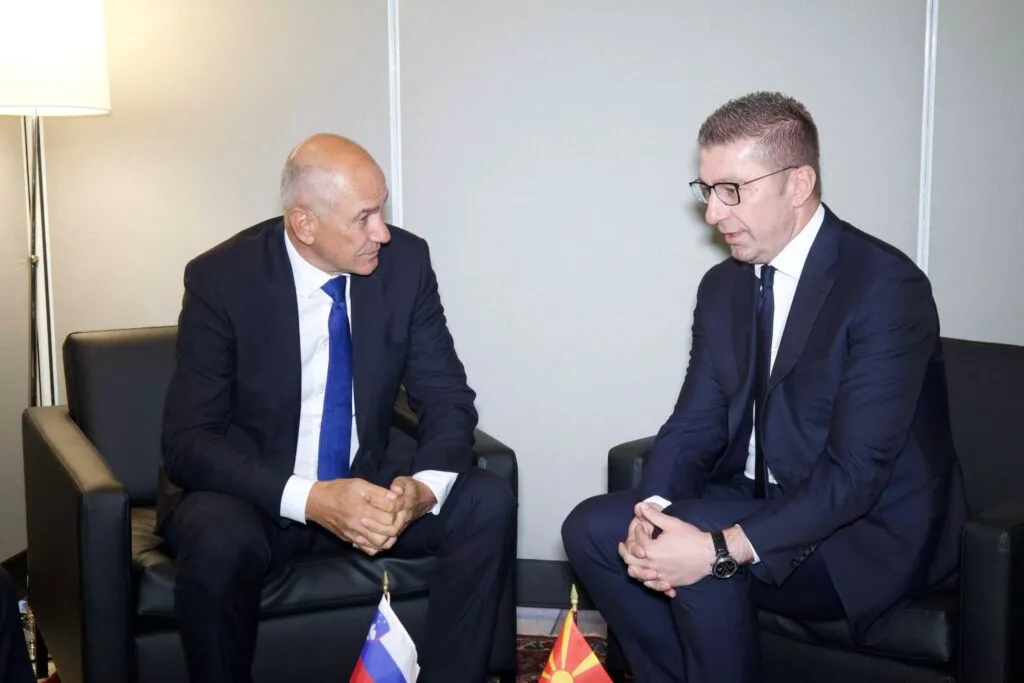
The flag, the Constitution and the name have all been changed, and the EU is no closer. The diagnosis is...

Andonovski admits there was no project, no study, and no figure for how many megawatts the facility would draw. The...

The video has no room, no table, no flags. In the same week the State Department redirected 52 million dollars...
The right to an opinion is not in dispute. The problem is that in certain offices the line between personal...
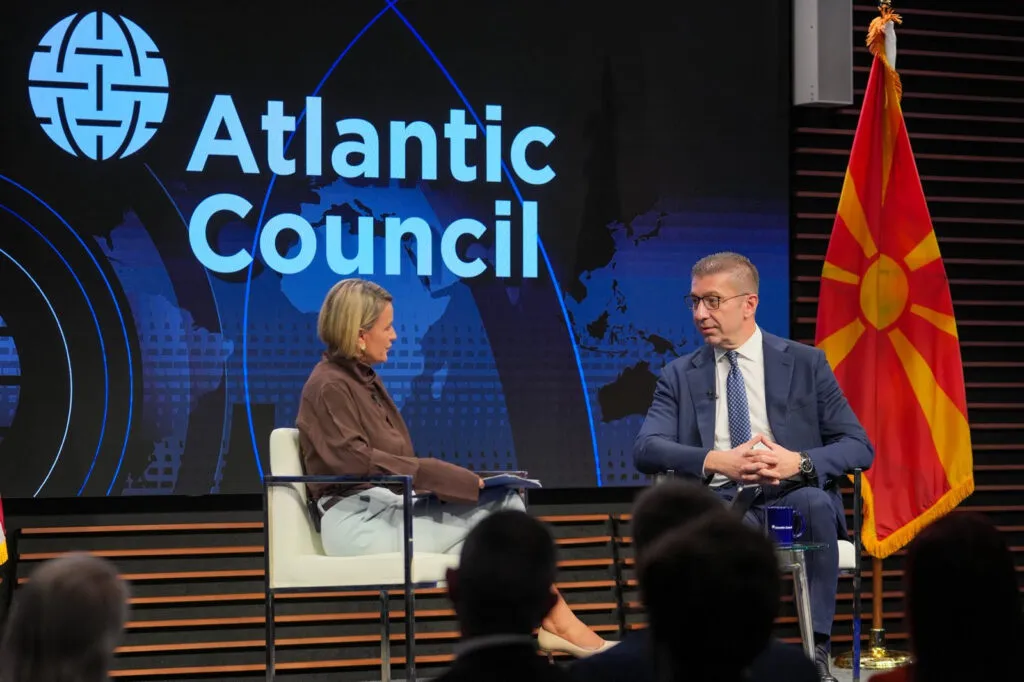
America sees us as a close friend, the prime minister says. A 200-billion portfolio, six data-centre companies, Chebren and Galishte....

Eight days of invitations to a joint test, then "report your dealers", then a criminal complaint over photographs and the...

From Washington, the prime minister asks for a third party at the table so the dispute stops being bilateral. Brussels...

Mickoski lays out the chain from Washington: pipeline, power, data centres, artificial intelligence. The order of the announcements runs backwards...
Marta Kos listed the countries getting a timetable. We are not on it. What remains is the condition we know...
This site uses cookies - is that okay? Learn more
Be the first to know when Metla launches something new
Leave your email and we will write when there is a new guide or something new on Metla.