
Sixteen Arrests in Twenty-Four Hours, All for Drugs: The Police Are Working - But Where Are All These People Coming From?
20.09.2026


20.09.2026

20.09.2026

20.09.2026
20.09.2026
20.09.2026

20.09.2026
20.09.2026
19.09.2026

18.09.2026

20.09.2026

20.09.2026

19.09.2026

20.09.2026

20.09.2026

20.09.2026

20.09.2026

19.09.2026

18.09.2026

20.09.2026

20.09.2026

20.09.2026

20.09.2026

20.09.2026

20.09.2026

09.03.2026

27.02.2026

19.02.2026

20.09.2026
19.09.2026

18.09.2026

23.04.2026

23.04.2026

12.04.2026


From Washington, prime minister Hristijan Mickoski asked for something that has not been requested publicly in quite this way before: that a representative of the European Union sit at the table when Skopje talks to Sofia.
The logic he laid out is clear enough. "If we conduct the dialogue only with our eastern neighbour, then what we say is a bilateral issue is confirmed as exactly that," he said. With a third party at the table, the dispute stops being a domestic quarrel between two states and becomes a European question - which is precisely the position Skopje has been fighting for over years.
Mickoski was careful with his tone. "We are not being stubborn, we are not being difficult," he said, adding that he is ready to discuss aligning the action plan for minorities, but in the presence of the international community. And he reached again for the formulation that has become his trademark: he will never enter a process without a predictable end.
Where the idea stops
The problem is that the proposal is a political initiative, not a change to the framework. Brussels' position is unchanged - the commitments taken on must be met for the process to continue. Enlargement commissioner Marta Kos sent a direct message to both addresses two days ago: the Macedonian government should implement what was agreed, and Bulgaria, once Macedonia makes the constitutional changes, should give its support for moving forward.
Which means the order stays the same. Constitutional changes first, Bulgarian support after. The presence of a European representative can change the atmosphere in the room, but not the substance of the condition. Mickoski is asking for guarantees that meeting the condition will not be followed by a new one - a guarantee none of his interlocutors has so far offered on paper.
Meanwhile Kos, speaking from Helsinki, said something more interesting for the long-term reckoning. She spoke about safeguard mechanisms the EU is preparing ahead of the next enlargement - mechanisms that, as she puts it, countries which respect the rules "will not feel at all", but which will bite hard for those acting otherwise. Kos admitted that when she first mentioned "Trojan horses" in November she was sharply criticised; today, she says, there is strong support for the idea. The end of September should bring concrete proposals from the Commission.
The number that does not add up
The same visit also produced the standard package of economic announcements: gas, electricity, data centres, high technology. Mickoski cited gross domestic product growth of 4.3 percent in the second quarter of 2026, with construction growing 21.9 percent. He also announced talks with six data centre companies and support of up to 5 million dollars from a US development finance institution for the Krstov Dol antimony mine.
But one of the statements did not survive a check. The prime minister claimed inflation here is "two to two and a half percent lower" than the European rate. According to the official August figures, Macedonia is at 2.6 percent and the EU at 3.2 - a difference of 0.6 percentage points, not two and a half. The gap exists and it is in our favour. But in the statement it was inflated fourfold.
That small thing sets the value of everything else said on the same visit. When a verifiable number gets retold in an enlarged version, the unverifiable promises - the six companies, the data centres, Chebren and Galishte, for which there is still no financing decision - end up carrying exactly as much weight as they deserve.
The latest 10 news from this category
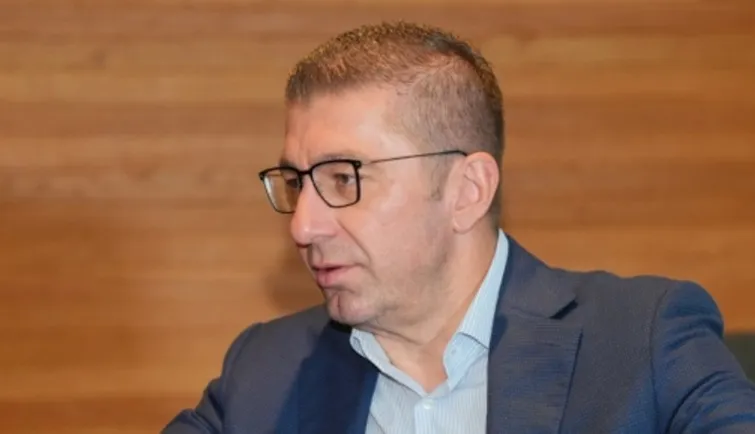
Mickoski lays out the chain from Washington: pipeline, power, data centres, artificial intelligence. The order of the announcements runs backwards...
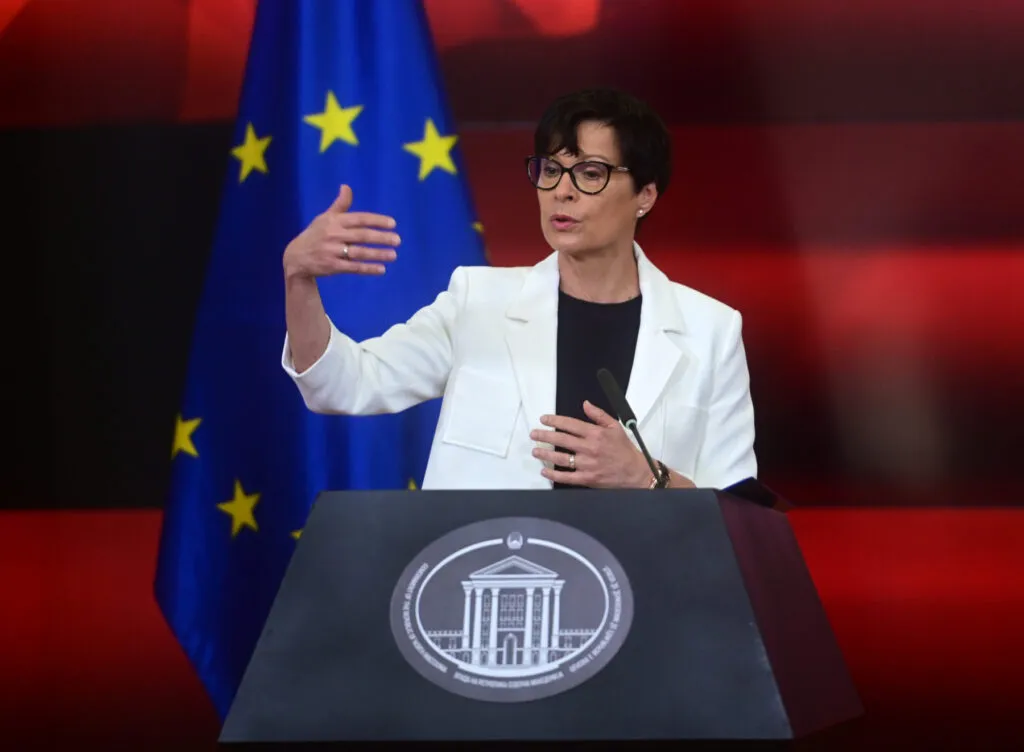
Marta Kos listed the countries getting a timetable. We are not on it. What remains is the condition we know...
Monitoring by the All for Fair Trials coalition: hearings twice a year, proceedings running up to 33 months, and young...

Of 340 million denars, only 40 million came from private money - the rest came from the State Lottery. Prosecutors...
The State Audit Office already warned that withholding the points makes favouritism possible. The rulebook requiring them to be published...
Two senior officials announced progress, the two largest parties denied it the same day. The amendments sit blocked behind 13,500...
The police acted on their own knowledge, without the PM filing anything at all. The same mechanism exists for every...
The Electoral Code is the one unfulfilled reform obligation, and the working group does not even know when it will...
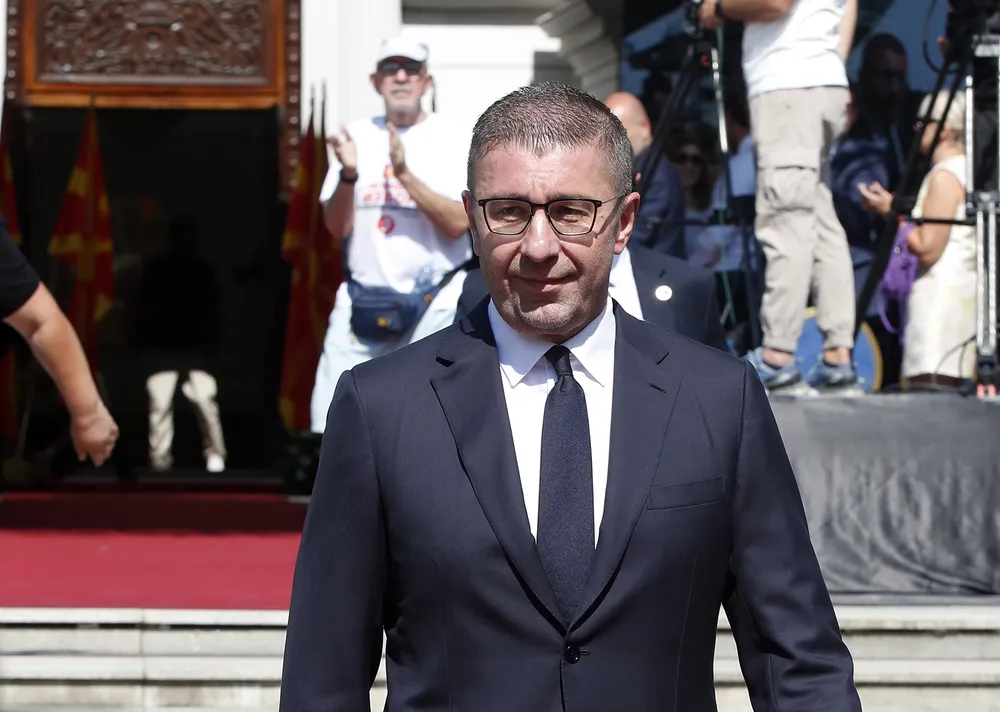
It was supposed to cost "zero denars". Now the opposition wants an investigation, and the timeline - David Guetta announced...
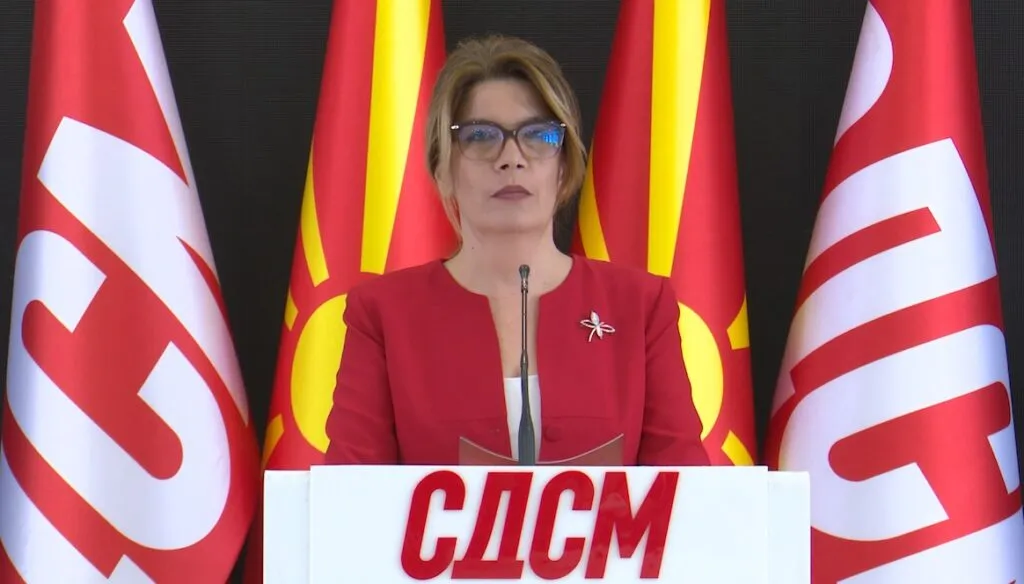
Five negations in one sentence, pension growth "16 times higher" with not a single figure beside it, and a third...
This site uses cookies - is that okay? Learn more
Be the first to know when Metla launches something new
Leave your email and we will write when there is a new guide or something new on Metla.