


Someone Threw Flammable Liquid at a Shop in Central Skopje - and 17 Hours Passed Before Anyone Reported It
30.08.2026


30.08.2026

30.08.2026

30.08.2026
30.08.2026
30.08.2026

30.08.2026

30.08.2026
29.08.2026
28.08.2026

30.08.2026

30.08.2026

29.08.2026

30.08.2026

30.08.2026

30.08.2026

30.08.2026

29.08.2026

28.08.2026

30.08.2026

30.08.2026

30.08.2026

30.08.2026

30.08.2026

29.08.2026

09.03.2026

27.02.2026

19.02.2026

29.08.2026

28.08.2026

27.08.2026

23.04.2026

23.04.2026

12.04.2026
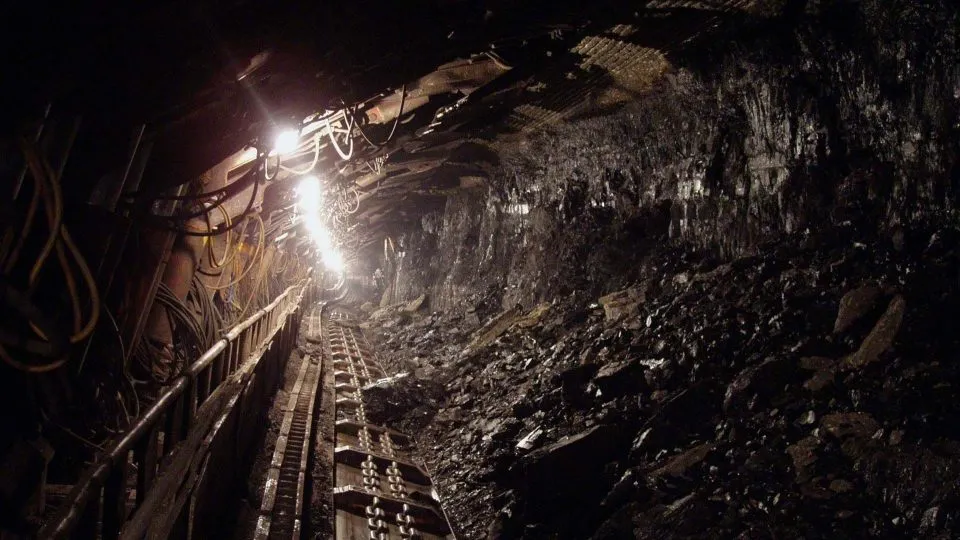
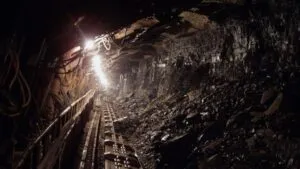
In Andalusia, 73 geological surveys are currently under way for 27 minerals that European industry needs. In Macedonia, no new mine for metallic raw materials has opened in more than four decades.
The Spanish region accounts for around 90 percent of the value of metal mining in Spain. Metal ore production exceeds 1.2 billion euros a year, and the sector provides more than 8,000 jobs. That is not a historical inheritance - it is a current policy that is actively expanding.
Ilovica waits, and the numbers sit there in writing
Macedonia has confirmed copper potential at Ilovica. The Ilovica-Shtuka project was announced with an initial investment of around 350 million euros, with a plan for around 1,000 direct jobs in the construction phase and around 500 in the operational phase. The indirect effect, according to the investor's projections, could reach around 2,700 jobs.
Those are the investor's projections, not realised figures - the distinction matters and must not be erased. But even as projections, they have existed on paper for decades, while the number of people employed in Macedonian mining keeps shrinking.
Copper, magnesium, bismuth and arsenic are essential for electrification, for the electronics, automotive, steel and pharmaceutical industries. Lithium, cobalt and nickel are key for electric vehicle batteries. Rare earth elements go into wind turbines. That is the list Europe is currently running after, because import dependence has become a strategic question, not merely a commercial one.
The difference is not in the geology
The 73 permits in Andalusia cover 80 municipalities spread across the eight provinces. Huelva leads with 38, Seville has twelve, Cordoba eight. The region already has two projects classified as strategic projects of the European Union, backed with 7.6 and 3.44 million euros.
That is a mechanism that works: survey, classification, European support, production. Every step has an institution carrying it. Macedonia has confirmed ore and one announcement.
The question is not whether the country has copper - it does, and that has been established. The question is why an established resource stays for decades as nothing more than a dot on a geological map, while the discussion about it starts over every time and ends with the same sentence about untapped potential.
The latest 10 news from this category
SDSM wants to know how much water and electricity they will consume. VMRO-DPMNE says different cooling technologies exist - but...

The highest rate since 2023, and energy is driving it. Core inflation stays around 2.5 percent - the problem is...
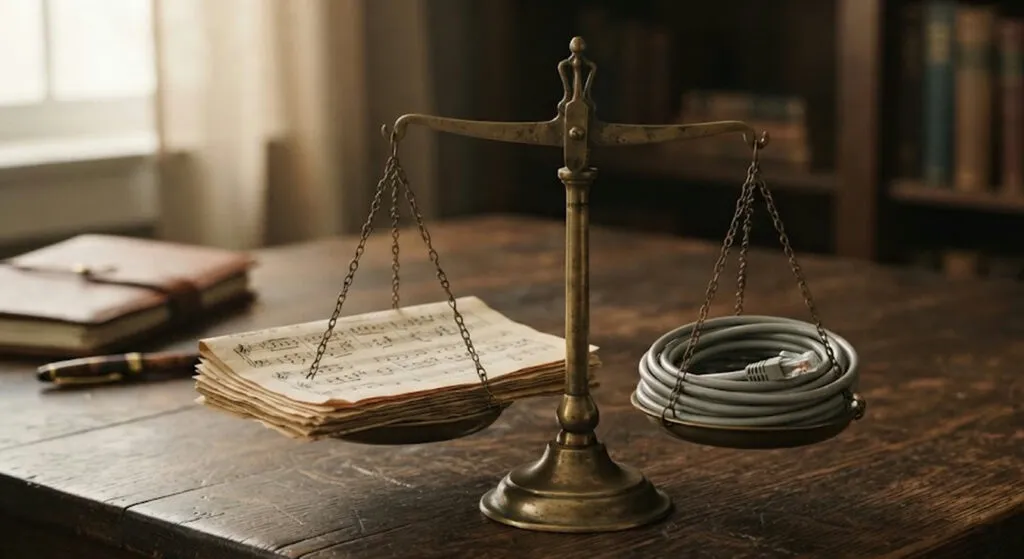
A court has already ruled that training on someone else's work is legal - what is illegal is how the...
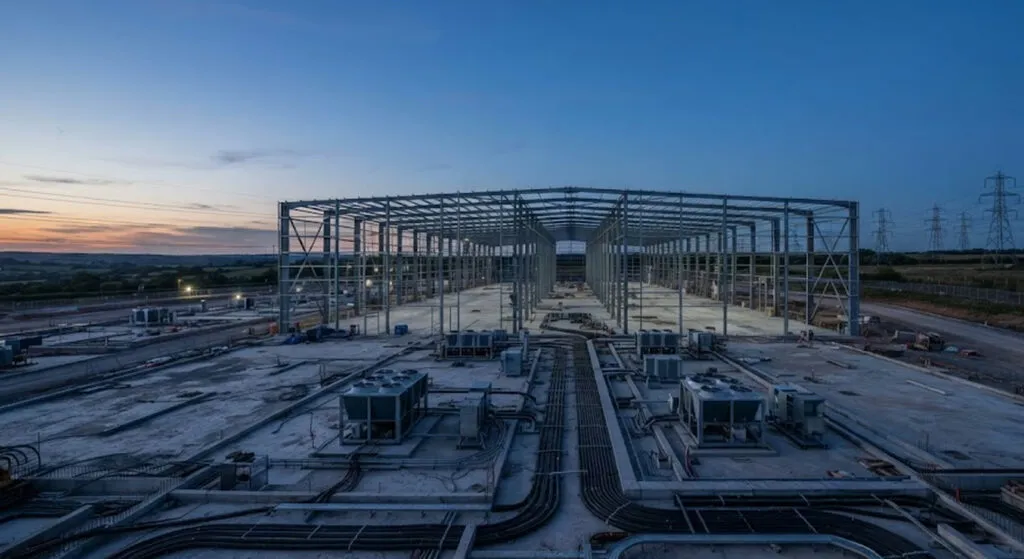
The fund that spent years making money on code is now investing in cooling, electricity and land. When a private...
An old soap opera cut into pieces and charged for by the piece. When the big screen has no roles,...
Unemployment fell to 11.3 percent and that can go on a billboard. But in the same quarter, more people are...
The wage rose by 5.8 percent and passed 61,000 denars, while the number of workers fell by 7.3 percent. That...

A data centre consumes electricity and water in quantities that are planned in advance. How many megawatts, how many cubic...
A system that fixes a model's own alignment outperformed experienced researchers by six hours. The price comparison with a human...
Ten million people, and the companies keep coming one after another. A Stockholm investor explains it with something no ministry...
This site uses cookies - is that okay? Learn more
Be the first to know when Metla launches something new
Leave your email and we will write when there is a new guide or something new on Metla.
