


Someone Threw Flammable Liquid at a Shop in Central Skopje - and 17 Hours Passed Before Anyone Reported It
30.08.2026


30.08.2026

30.08.2026

30.08.2026

30.08.2026
30.08.2026
30.08.2026

30.08.2026
29.08.2026

28.08.2026

30.08.2026

30.08.2026

29.08.2026

30.08.2026

30.08.2026

29.08.2026

29.08.2026

28.08.2026

27.08.2026

30.08.2026

30.08.2026
30.08.2026

30.08.2026

30.08.2026

29.08.2026

09.03.2026

27.02.2026

19.02.2026

29.08.2026

28.08.2026

27.08.2026

23.04.2026

23.04.2026

12.04.2026
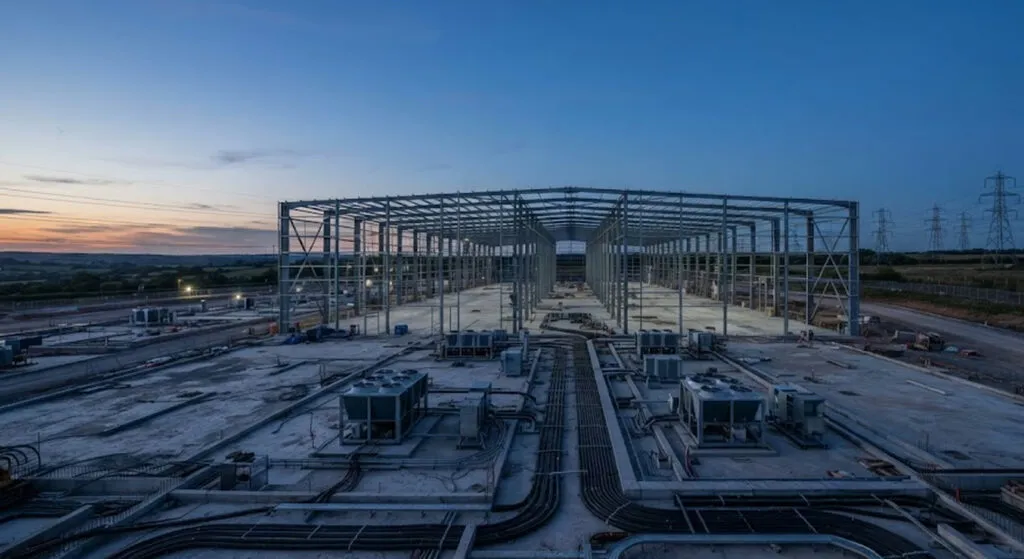
Andreessen Horowitz has raised 1.1 billion dollars for a new fund called "Machine Age", with the declared intention of "stepping on the gas and accelerating the physical build-out of artificial intelligence". The firm that spent years making money on software is now putting it into iron.
The target is the infrastructure underneath the models: chips, memory, interconnects between nodes, data centres, robots. The fund's announcement carries a wish list written as technical requirements - "faster and more efficient systems", "cheaper memory with higher bandwidth", "more scalable connections between nodes and systems", "energy-efficient devices at the edge of the network". And at the end, almost in passing, the part that actually costs money: cooling, materials, electricity and the construction work that has to hold all of it up.
That last item is the point nobody says out loud. Artificial intelligence is not a cloud - it is a building with power, cooling water and a plot of land. When one of the world's largest venture funds opens a dedicated pot for "physical build-out", that is an admission that growth is no longer limited by ideas, but by transformers and real estate.
The language in the announcement is worth reading closely. AI is described as "the most powerful tool yet developed for solving problems and delivering abundance", and its progress as "a societal and national imperative". That is not investor analysis - that is a political sentence, written by a fund managing other people's billions. When a private investment is translated into a national duty, what usually follows is a request for permits, for a grid connection, and for something out of the state budget.
The European side of the ledger is quieter. Data centres demand power and water, and those are things every country calculates locally, not in California. Who gets the connection when the grid is old - that is a question this fund does not solve, and every municipality in its path will have to answer it.
1.1 billion is a big number for a fund, but a small one for construction. That sum does not build an empire of data centres - it buys stakes in the companies that make its parts. It is a more sensible bet than the headline sounds: instead of guessing which model wins, you invest in the fact that all of them will need cooling.
The latest 10 news from this category
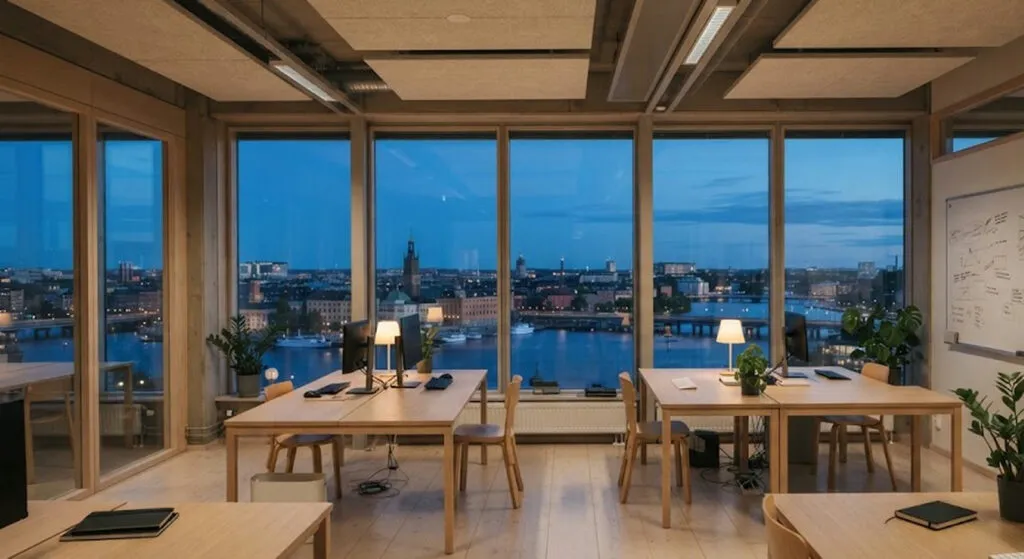
Ten million people, and the companies keep coming one after another. A Stockholm investor explains it with something no ministry...
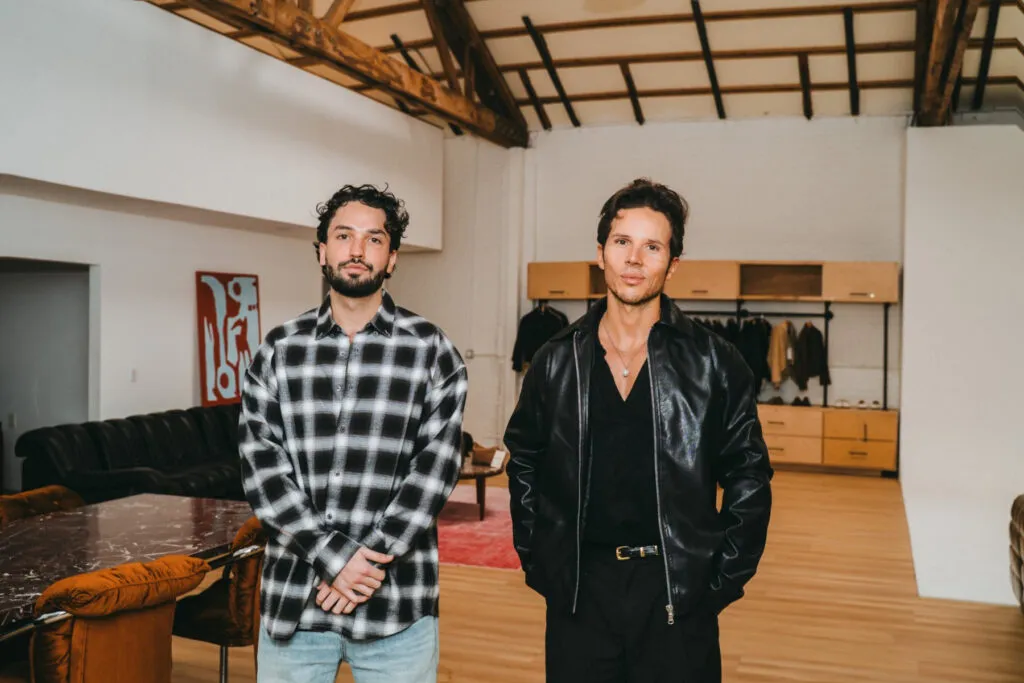
An Italian leather bag for a few hundred dollars instead of a few thousand. The difference is not the quality,...

African startups raised 930 million this year against 1.16 billion last year - and across half as many deals. The...
When your potential litigants come in as your investors, the copyright dispute gets settled in the boardroom rather than the...
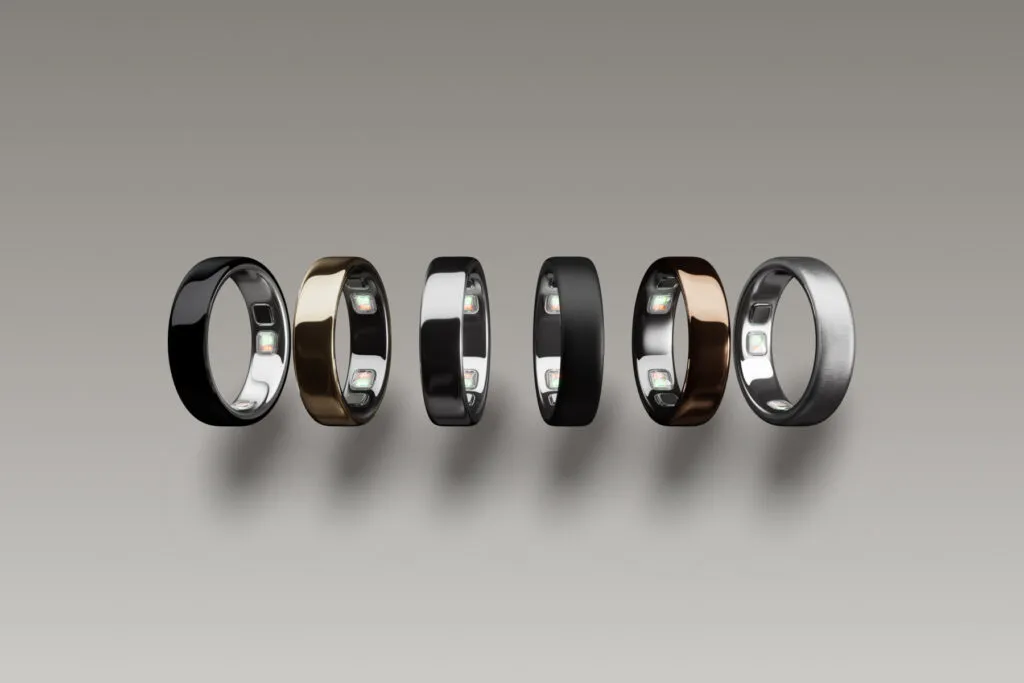
Oura is heading to the stock market at a valuation five billion higher than last year. The same week, a...
Fifty million dollars in seed capital, twelve employees and a 27-billion-parameter model that beat the frontier systems. And the founder...
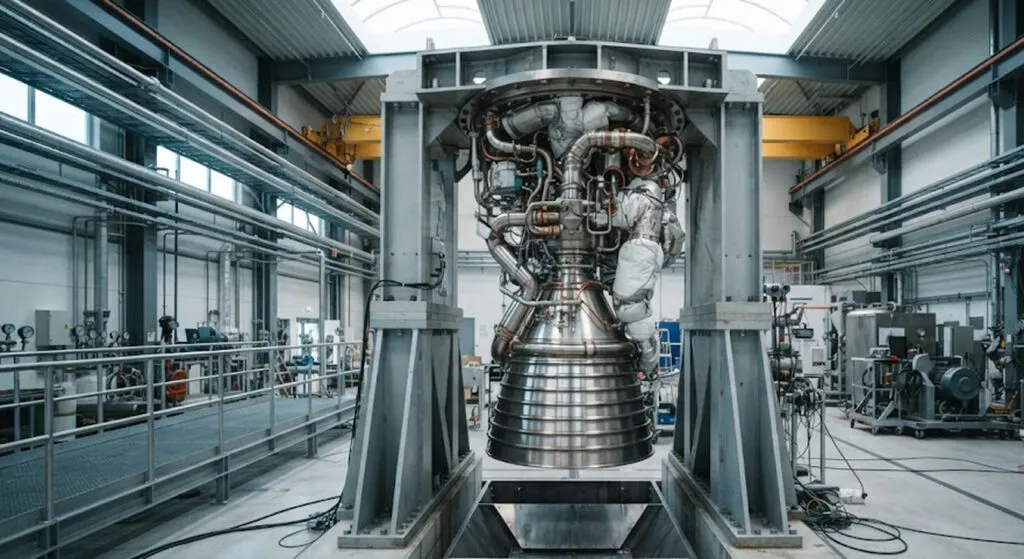
A startup that grew out of a university lab in 2020 now has orders from private companies and from the...
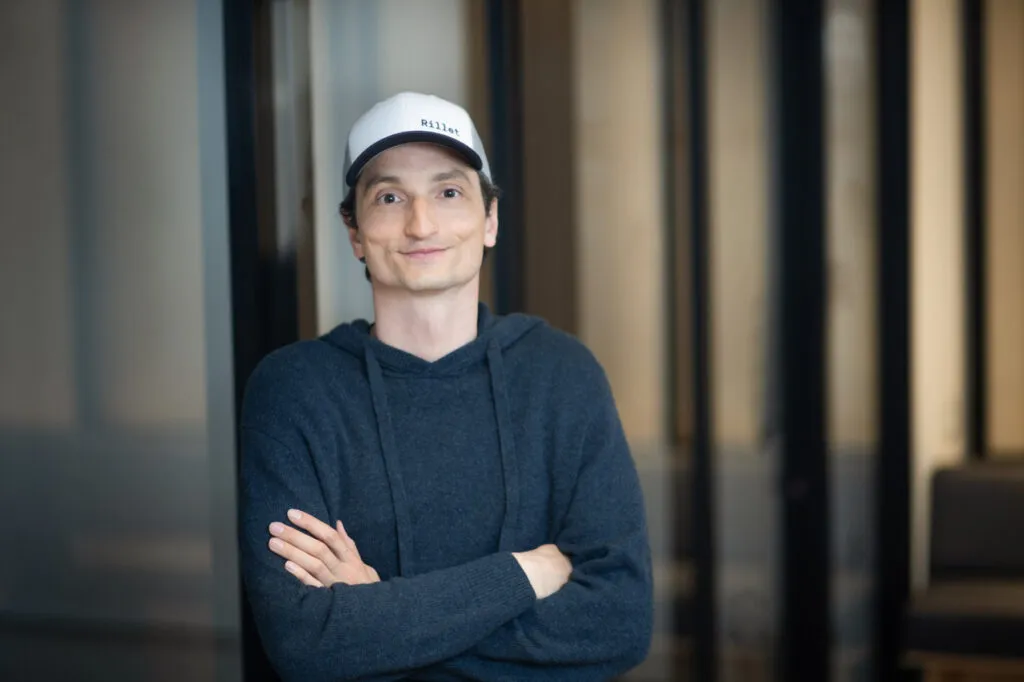
The company was not seeking investment - the board met, messages started flying and two days later it was worth...
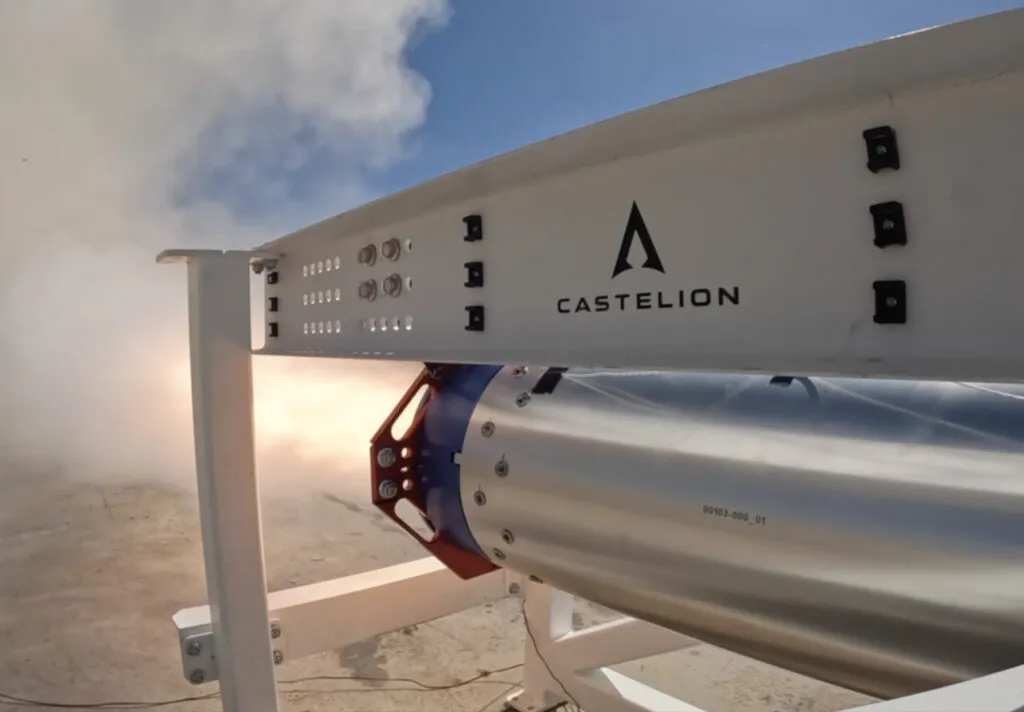
Founded by people who came from SpaceX, the company builds hypersonic weapons faster and cheaper than the traditional defence contractors....
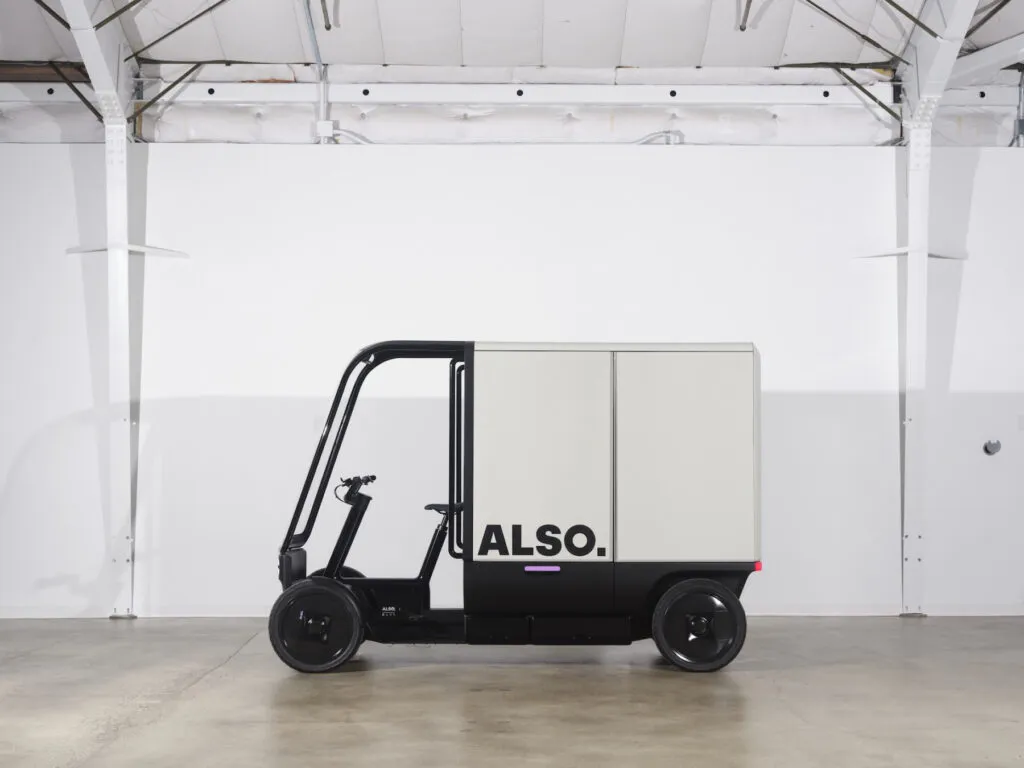
Also spun out of Rivian, promised electric bikes, and the first edition ran months late. Investors piled in with another...
This site uses cookies - is that okay? Learn more
Be the first to know when Metla launches something new
Leave your email and we will write when there is a new guide or something new on Metla.
