


Someone Threw Flammable Liquid at a Shop in Central Skopje - and 17 Hours Passed Before Anyone Reported It
30.08.2026


30.08.2026

30.08.2026

30.08.2026

30.08.2026
30.08.2026
30.08.2026

30.08.2026
29.08.2026

28.08.2026

30.08.2026

30.08.2026

29.08.2026

30.08.2026

30.08.2026

30.08.2026

30.08.2026

29.08.2026

28.08.2026

30.08.2026

30.08.2026

30.08.2026

30.08.2026

30.08.2026

29.08.2026

09.03.2026

27.02.2026

19.02.2026

29.08.2026

28.08.2026

27.08.2026

23.04.2026

23.04.2026

12.04.2026
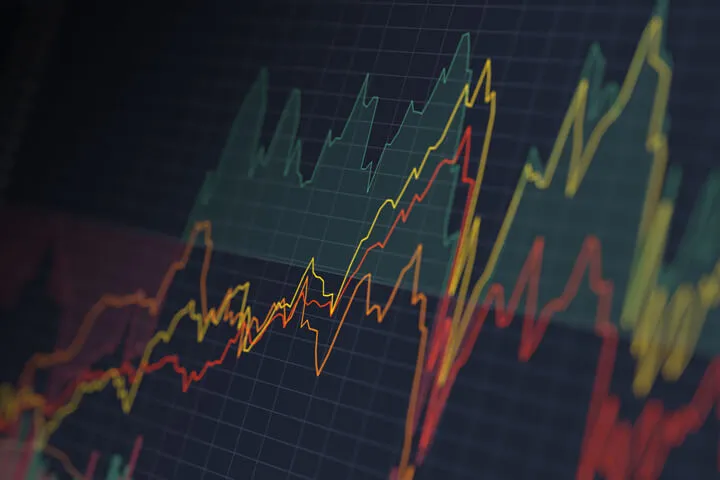
Inflation in the eurozone is expected to reach 3.3 percent year on year in August. That would be the highest level since 2023. In July it stood at 2.9 percent, according to a Bloomberg survey of 31 economists.
The main driver is energy - prolonged tensions in the Middle East and higher fuel costs. Germany is forecast at 3.1 percent inflation, its highest since the start of 2024. Italy is expected at around 3.4 percent, the highest level in almost three years. Data from Spain and France have already shown stronger price pressure than expected.
The decision coming on 10 September
The European Central Bank takes a new decision on interest rates on 10 September. Expectations are rising in the markets that the ECB will raise borrowing costs again if inflation keeps drifting away from the two percent target.
One thing gives it room for cautious optimism: core inflation, which strips out volatile energy prices and other unstable categories, is expected to stay around 2.5 percent. So the problem is concentrated in energy rather than spread across the whole economy.
Some ECB officials are already warning that inflationary pressure will not disappear by itself. If price growth stays above the desired level for longer, another rate rise becomes an option - and that means more expensive borrowing for everyone who works on credit in the eurozone.
Germany, where inflation is expected to hit its highest level since the start of 2024, is by a wide margin Macedonia's biggest export destination. According to 2024 data, Macedonian exports to Germany amount to 3.35 billion dollars - almost four times more than the next country on the list. Every ECB decision that slows the German economy also hits the orders arriving at factories here.
Europe's inflation cycle so far has already demonstrated one thing: when energy pushes the rate up, the response through interest rates hits people who have nothing to do with energy at all.
The latest 10 news from this category
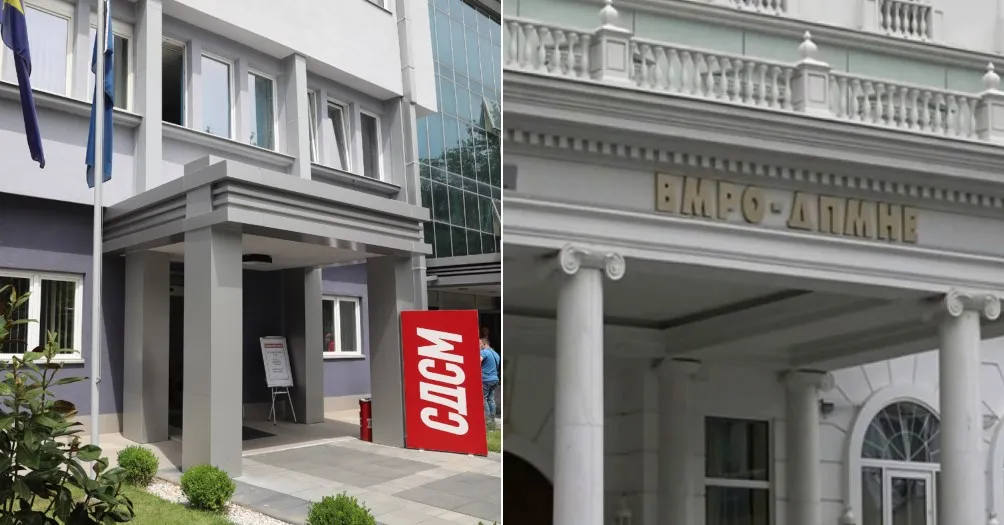
SDSM wants to know how much water and electricity they will consume. VMRO-DPMNE says different cooling technologies exist - but...
Metal ore production in the Spanish region exceeds 1.2 billion euros a year and carries over 8,000 jobs. Ilovica-Shtuka here...

A court has already ruled that training on someone else's work is legal - what is illegal is how the...
The fund that spent years making money on code is now investing in cooling, electricity and land. When a private...

An old soap opera cut into pieces and charged for by the piece. When the big screen has no roles,...
Unemployment fell to 11.3 percent and that can go on a billboard. But in the same quarter, more people are...
The wage rose by 5.8 percent and passed 61,000 denars, while the number of workers fell by 7.3 percent. That...

A data centre consumes electricity and water in quantities that are planned in advance. How many megawatts, how many cubic...

A system that fixes a model's own alignment outperformed experienced researchers by six hours. The price comparison with a human...

Ten million people, and the companies keep coming one after another. A Stockholm investor explains it with something no ministry...
This site uses cookies - is that okay? Learn more
Be the first to know when Metla launches something new
Leave your email and we will write when there is a new guide or something new on Metla.
