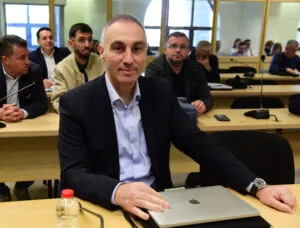
Grubi calls the entire government as witnesses, while 9.7 million euros' worth of machines sit in a warehouse
21.10.2026


21.10.2026

21.10.2026
21.10.2026

21.10.2026

21.10.2026
21.10.2026

21.10.2026

20.10.2026
20.10.2026

21.10.2026

21.10.2026

20.10.2026

21.10.2026

21.10.2026

21.10.2026

21.10.2026

20.10.2026

19.10.2026

21.10.2026

21.10.2026

21.10.2026

21.10.2026

21.10.2026

20.10.2026

21.10.2026

20.10.2026

19.10.2026
20.10.2026

19.10.2026

17.10.2026

23.04.2026

23.04.2026

12.04.2026

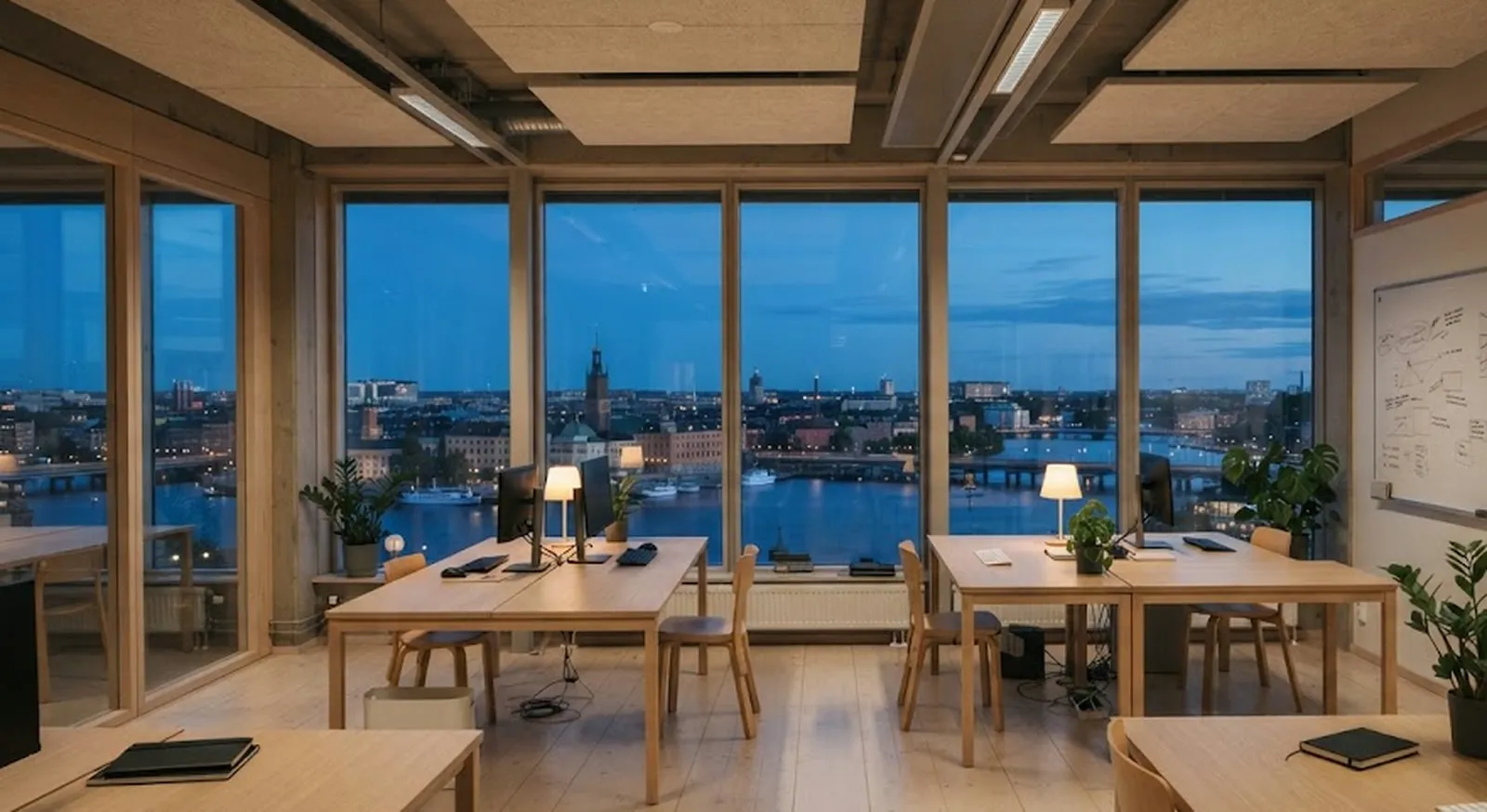
A country of ten million people has attracted 2.8 billion dollars into startups this year, and the estimates are that it will reach at least five billion by the end of it. Last year it was 3.2 billion. The peak is still 2021 with 8.5 billion - the year money was cheap everywhere - but after the cooling, the Swedish ecosystem is heating up again. The figures come from Dealroom.
Sweden already has Spotify and Klarna, but the new wave is more interesting: Legora for legal artificial intelligence, Lovable for programming by description instead of code, Neko Health for medical scanning, Einride for autonomous freight transport. It is not one star - it is a run.
The investor's answer is uncomfortably simple
Sophia Bendz, general partner at Cherry Ventures and a former Spotify employee, explains it as a shift in what counts as desirable. When she worked at Spotify, young people optimised for banking or consulting. "Now, I think a lot of people optimise for creating things and for freedom, and probably for wealth too", she says.
That sounds like a platitude until you look at what sits underneath it. The first generation of founders did not leave - it now mentors, invests and sometimes comes back into the game. Daniel Ek, the founder of Spotify, is also a founder of Neko Health. People who worked at Lovable and Legora are now starting their own companies, Bendz notes, because they saw up close that it can be done.
Here is the part rarely said out loud: capital follows, it does not lead. Bendz says American investors increasingly land in Stockholm with offers already prepared. "That is confirmation that good companies are being built here", she says. The money is a consequence of the ecosystem, not its cause.
What transfers from this, and what does not
It is easy to look at Sweden and conclude that its model applies nowhere further south - a high standard of living, healthy institutions, a strong social safety net that lets a person take a risk without losing the house. That is true. But one part of the explanation has nothing to do with GDP or with taxes: it is whether founder is something worth being.
That is a social attitude, not a budget line. And it is the part no innovation strategy written in a ministry can produce with a signature. The Swedish cycle - a founder succeeds, stays, invests in the next one - is a mechanism that runs for decades, not a programme with an end date.
The Balkans have talent, have companies working for foreign clients, have people who know this business from the inside. What you see less often is the return flow: a successful founder who stays and finances the next one. Is that a question of money, or of what counts as success once the money has been made?
The latest 10 news from this category
A company from a small Baltic country raised 100 million dollars to tell humans from machines online. The trick is...

The app for emotions and to-dos claims revenue in the tens of millions of dollars. Seventy percent of its users...
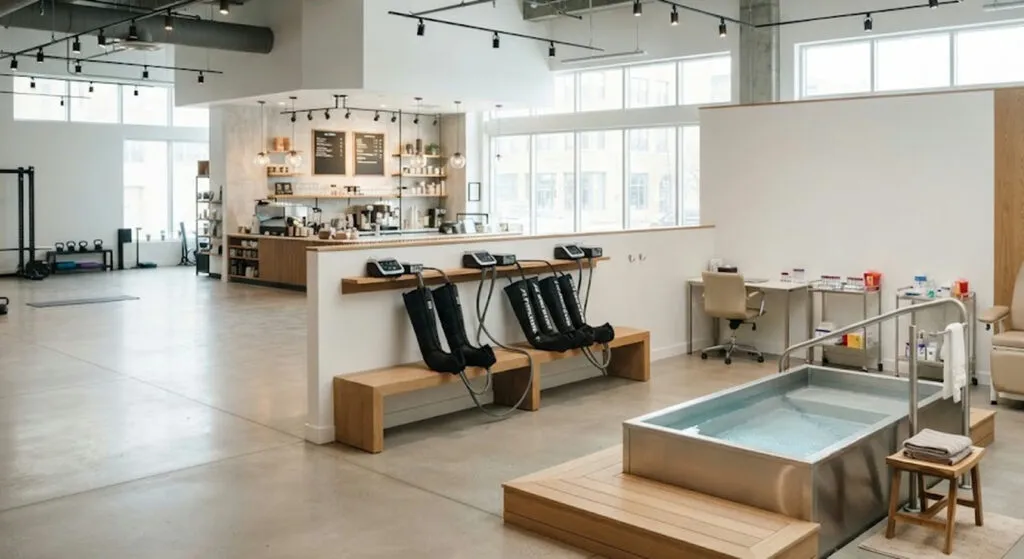
Blood tests and ice baths will no longer be a privilege of the rich - or so the Hollywood actor...

From unicorn to bankruptcy in five years: Google took the founders back, Disney takes part of the assets, and the...
Fakes have become so good they've earned their own name. Veritas offers a chip built into the product, and it's...
In four months its valuation jumped by 16 billion dollars. Automating boring expense reports in America is a 60-billion business...

The company Meta and Google put more than 10 billion dollars into is now asking the stock market for money....

Five years ago Bumble was valued at 14 billion dollars on the stock market; today it sells for 1.3 billion....
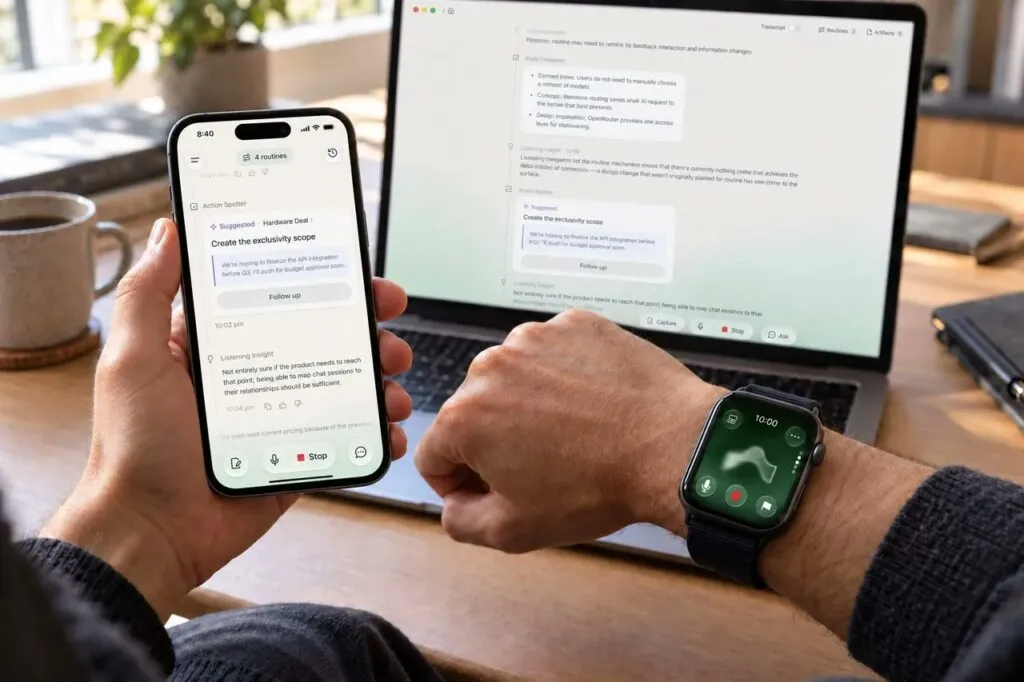
A former Plaud executive promises an assistant that gives you advice while the meeting is still going on. The price...
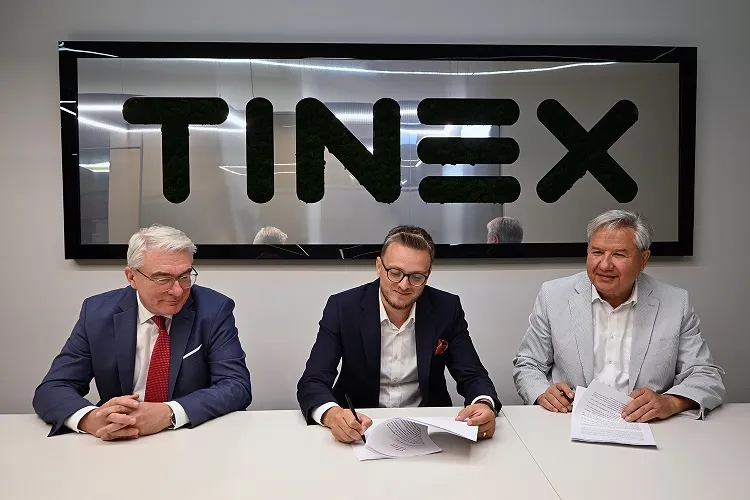
The new owner promises full shelves and competitive prices. How much a chain with over 30 years of history cost,...
This site uses cookies - is that okay? Learn more
Be the first to know when Metla launches something new
Leave your email and we will write when there is a new guide or something new on Metla.