Three of Four Sensors Were Dead: Skopje's Vodno Cable Car Ran Fifteen Years Without a Real Service
17.09.2026


17.09.2026

17.09.2026
17.09.2026
17.09.2026
17.09.2026
17.09.2026

17.09.2026
16.09.2026
15.09.2026

17.09.2026

17.09.2026
16.09.2026
17.09.2026

17.09.2026

17.09.2026
17.09.2026

16.09.2026
15.09.2026

17.09.2026

17.09.2026

17.09.2026

17.09.2026

17.09.2026

17.09.2026

09.03.2026

27.02.2026

19.02.2026

23.04.2026

23.04.2026

12.04.2026

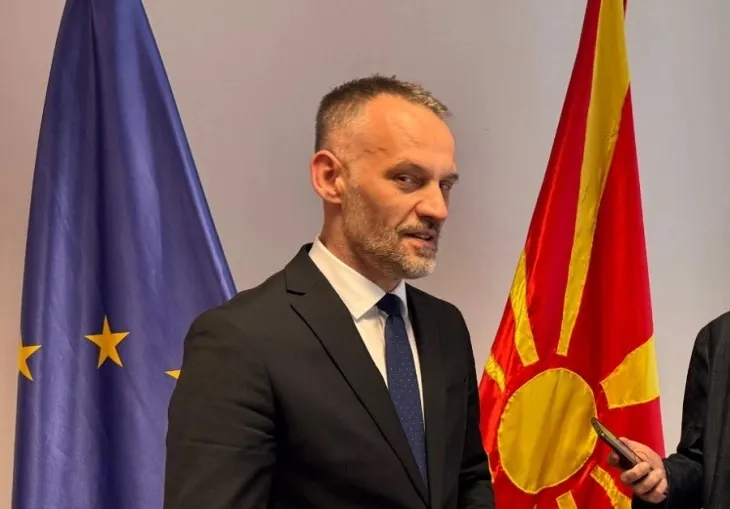
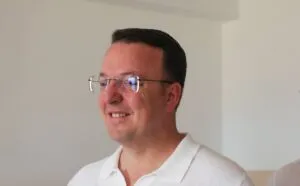
A deputy PM who hadn't shown up for work in months, posed for photos at exotic destinations, while the government kept quiet about whether he was still drawing a salary - has finally resigned on his own. Arben Fetai, deputy prime minister for good governance, left office "with his head held high and a clear conscience." The irony that it was the "good governance" portfolio that produced a story like this could hardly be greater.
Fetai announced the resignation on social media, with messages about reform, accountability and transparency. "I had the honour and privilege of serving the state... a mission as important as it is thankless," he wrote, adding that he isn't fully satisfied with what was achieved, but that he worked to lay "healthy foundations."
The trouble is that for months the public had been asking entirely different questions - and got an answer to none of them. Where is Fetai? Is he in Macedonia or in Brussels, where he came from? Is he still drawing a salary even though he's been absent from work for months? PM Mickoski stayed silent. So did parliament deputy speaker Antonio Milososki when he was asked to have the deputy PM appear at a session for MPs' questions.
The scene in parliament was telling: SDSM MP Daniela Nikolova demanded that Fetai's presence be secured, and Milososki - didn't know what to say. Perhaps because the only available answer was awkward: according to the PM himself, Fetai had told him he doesn't see himself as part of the government he leads. A man with that stance sat in a deputy PM's chair for months.
Now, with Mickoski announcing a government reshuffle in June anyway, Fetai made the first move himself. The question that remains isn't about his "head held high" - it's about all those months in which an office existed only on paper, while a salary, premises and a seat in government stood reserved for someone who simply wasn't turning up. Who paid that bill, and why did it take so long to state the obvious?
The latest 10 news from this category

Of 340 million denars, only 40 million came from private money - the rest came from the State Lottery. Prosecutors...
The State Audit Office already warned that withholding the points makes favouritism possible. The rulebook requiring them to be published...
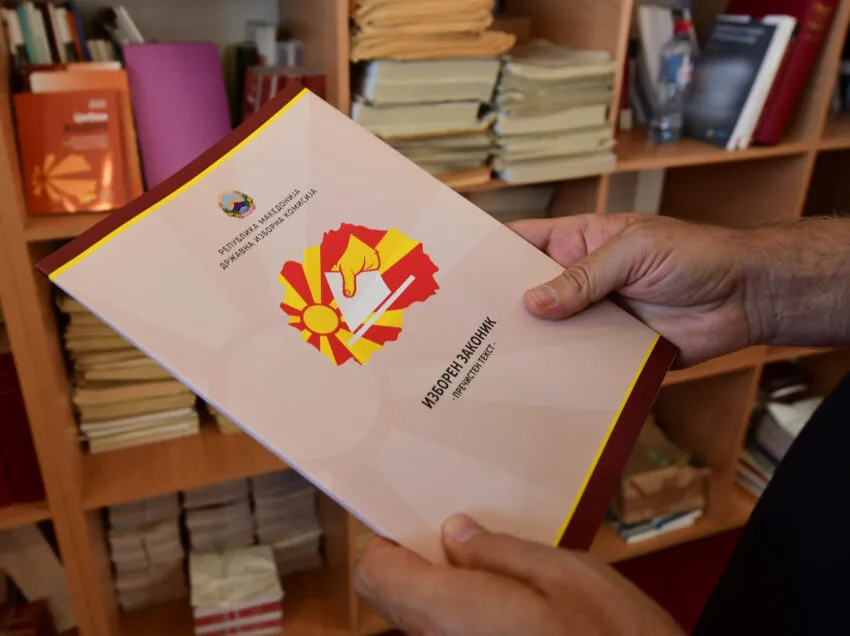
Two senior officials announced progress, the two largest parties denied it the same day. The amendments sit blocked behind 13,500...
The police acted on their own knowledge, without the PM filing anything at all. The same mechanism exists for every...
The Electoral Code is the one unfulfilled reform obligation, and the working group does not even know when it will...
It was supposed to cost "zero denars". Now the opposition wants an investigation, and the timeline - David Guetta announced...
Five negations in one sentence, pension growth "16 times higher" with not a single figure beside it, and a third...
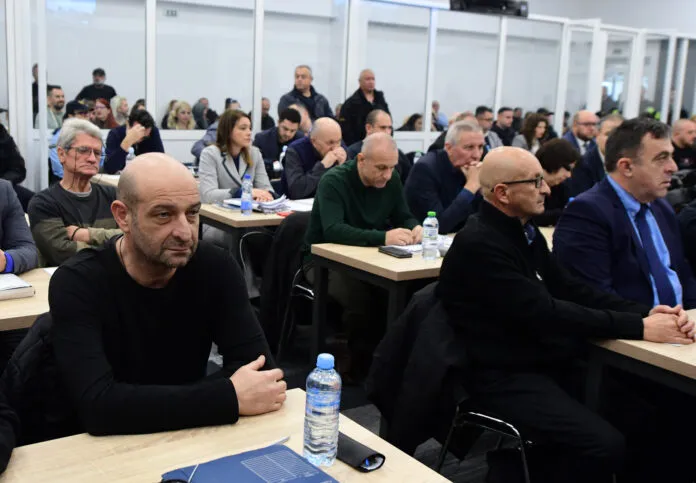
One side waits for a letter, another waits for a different commission, a third waits for consent. In those same...
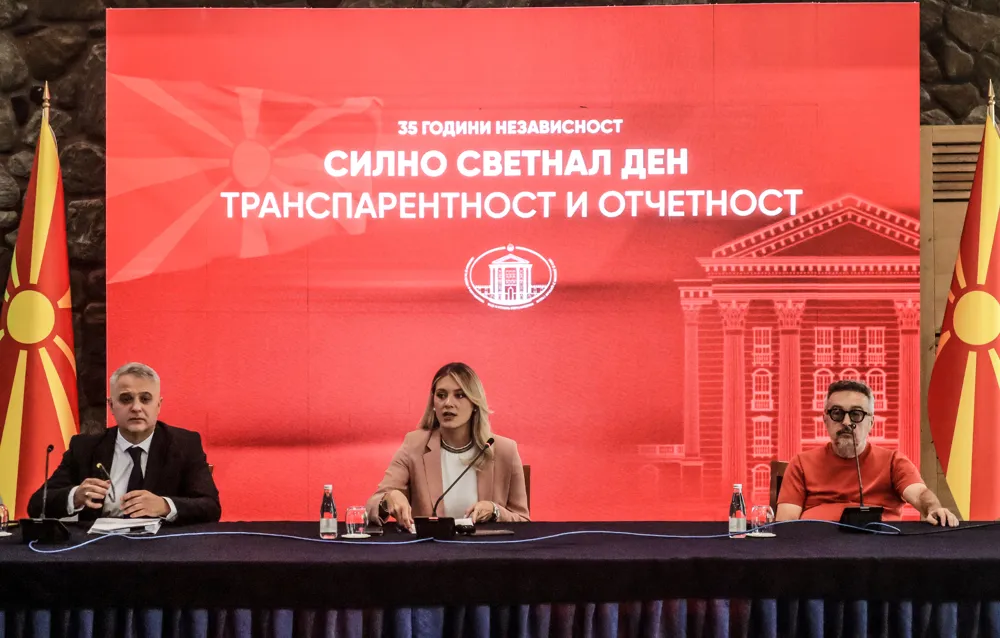
The commission's chairman says it only checked whether the documents were complete. The public call says something else entirely -...
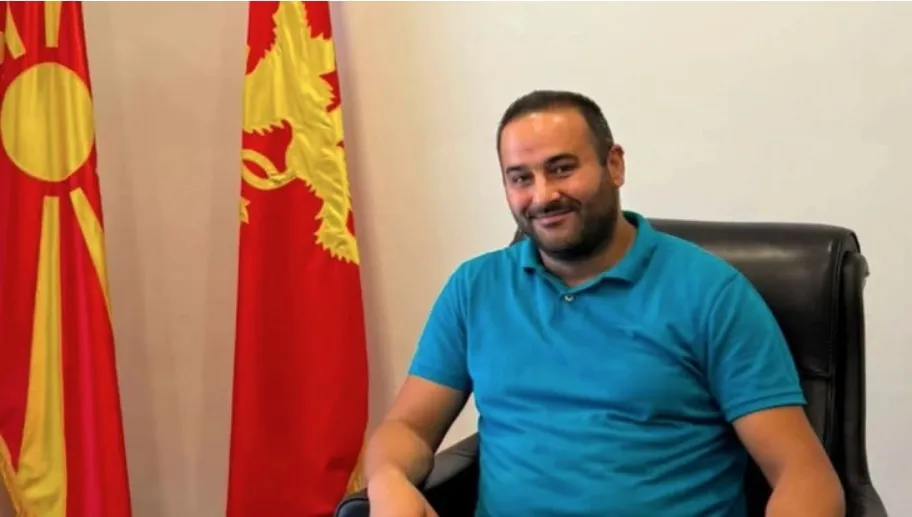
Three candidates, two of them lawyers, one of them employed by the very municipality he is running for. The line...
This site uses cookies - is that okay? Learn more
Be the first to know when Metla launches something new
Leave your email and we will write when there is a new guide or something new on Metla.