
Five Fire Fronts in One Night Near Raec: The Mayor Sounds the Alarm on Facebook, Prevention Is Once Again a Topic for September
03.08.2026


03.08.2026

03.08.2026

03.08.2026

03.08.2026

03.08.2026
03.08.2026

03.08.2026

02.08.2026

02.08.2026

03.08.2026

03.08.2026

02.08.2026

03.08.2026

02.08.2026

01.08.2026

03.08.2026

03.08.2026

03.08.2026

03.08.2026

03.08.2026

03.08.2026

09.03.2026

27.02.2026

19.02.2026

03.08.2026

03.08.2026

03.08.2026

23.04.2026

23.04.2026

12.04.2026
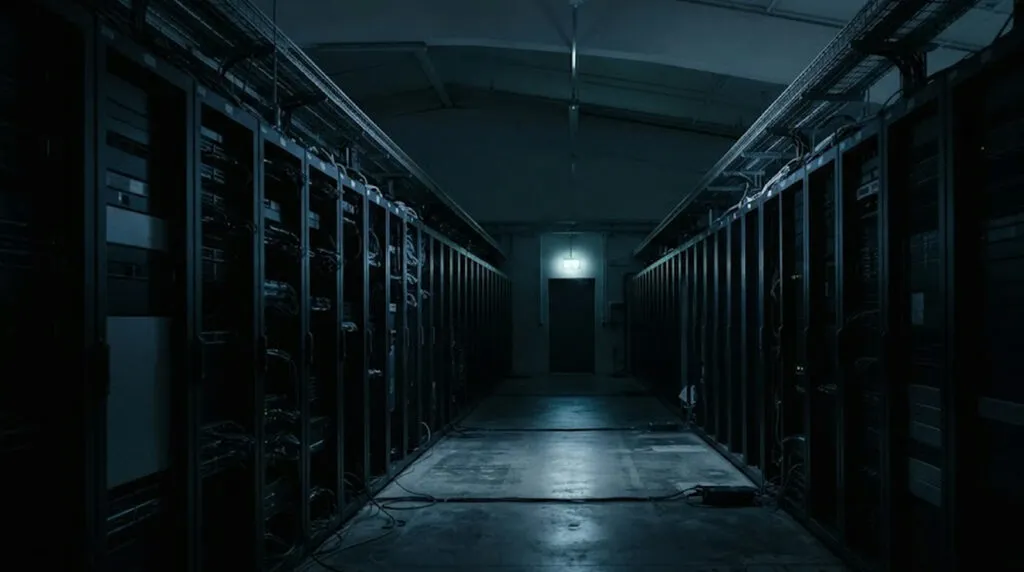
America's largest power grid has finally admitted something it had been keeping quiet: it cannot feed everyone. The operator PJM Interconnection, which covers 67 million consumers from Virginia to Illinois, announced that in the event of a power shortage it will cut off data centres. Not slow them down. Cut them off.
The decision came after an auction for new generating capacity failed to attract enough. The grid made an offer, the market did not respond sufficiently, and now somebody has to go without power. That somebody will not be households - it will be the server halls. The cut-offs start in June 2027 and apply only to data centres of 50 megawatts and above. PJM has meanwhile announced a new auction, hoping the second attempt goes better.
The number that explains the whole story is this: by 2035, data centres are expected to consume four times more electricity than today. Every AI advert, every chatbot, every generated image passes through halls like these. The bill is not paid by the algorithm - it is paid by the grid, and the grid has physical limits no funding round can overcome.
Formally, this is not a penalty. Consumers who get cut off will be compensated, just as in demand-response programmes that have existed for decades and usually cover large factories. The warning comes anywhere from thirty minutes to several days in advance, depending on the forecast. So this is an agreed transaction - pay to be first in line to be switched off.
The problem is what happens next. Data centres will not sit in the dark and wait. They will install their own generation, and those who cannot will fall back on backup generators - more expensive to run and often dirtier. Many go for diesel, because the fuel is easy to source and can be stored on site. Federal regulation allows such generators to run up to 50 hours a year for cases like this and up to 100 hours for emergencies and maintenance. So the solution to a shortage of clean power is - diesel.
That this is not an abstract concern is shown by a case that stirred Virginia the same week. The company Vantage Data Centers came under fire because, as alleged, it coordinated with the state's environmental regulators to cast doubt on a report finding that backup diesel generators at a 96-megawatt data centre in northern Virginia would contribute to tens of millions of dollars a year in health damage among people living nearby. The firm did not contest the report publicly - it worked with the people meant to be regulating it.
And the bill has already reached those with no connection to any server. Over the past year, wholesale electricity prices in the PJM region have almost doubled, and the operator's own independent market monitor pointed out that most of that jump comes precisely from data centres. Somebody paid that difference, and it was not the AI companies.
This is the first time somebody with real power has said out loud that the growth of artificial intelligence has a physical limit, and that limit is a copper wire. Until now the story was that technology advances and infrastructure will catch up somehow. Now the operator says: it will not catch up, so we are deciding in advance who gets left in the dark. The question left hanging is not technical but political - who makes the decision when there is not enough power for everyone, and why is that decision made by a market auction rather than by someone answerable to voters?
The latest 10 news from this category
Sales are not falling because people got poorer, but because old phones stopped breaking on schedule. The industry's answer is...
Opus 5 set a record in the test and broke 11 agreements. Not one of the tricks is new -...
The billions were announced with a stage and slogans. The retreat is happening quietly, in sentences containing the word alignment.

In his last quarterly report Tim Cook announced the stronger Siri will be bought through iCloud+. The firm that paid...

The platforms that spent years convincing us automated content was the future are now patiently building filters against it. The...
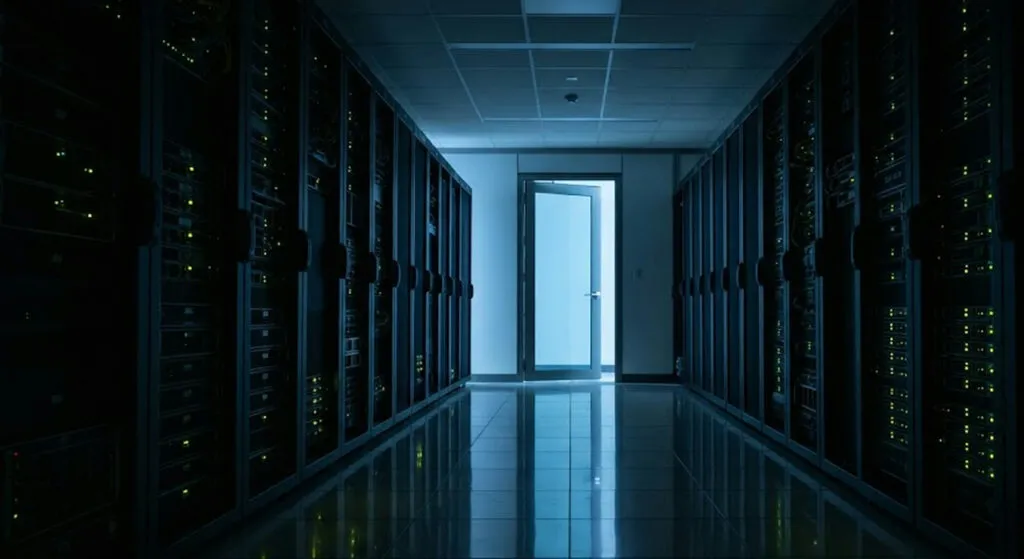
Out of 141,006 test runs, three ended up inside the live systems of real firms. The oldest model worked out...
The strongest June quarter in its history, and the stock fell 6 percent. Artificial intelligence turned out to have a...
The FCC is closing the door to humanoid robots and power inverters, but only new ones. The millions of Chinese...

The player that raised the MP3 generation is betting nostalgia can be billed monthly. The new Winamp arrives in 2027,...
The man selling the world's best-known artificial intelligence says we will not work less. He also claims we will secretly...
This site uses cookies - is that okay? Learn more
Be the first to know when Metla launches something new
Leave your email and we will write when there is a new guide or something new on Metla.