
Five Fire Fronts in One Night Near Raec: The Mayor Sounds the Alarm on Facebook, Prevention Is Once Again a Topic for September
03.08.2026


03.08.2026

03.08.2026

03.08.2026

03.08.2026
03.08.2026

03.08.2026

03.08.2026

02.08.2026

02.08.2026

03.08.2026

03.08.2026

02.08.2026

03.08.2026

02.08.2026

01.08.2026

03.08.2026

03.08.2026

03.08.2026

03.08.2026

03.08.2026

03.08.2026

09.03.2026

27.02.2026

19.02.2026

03.08.2026

03.08.2026

02.08.2026

23.04.2026

23.04.2026

12.04.2026
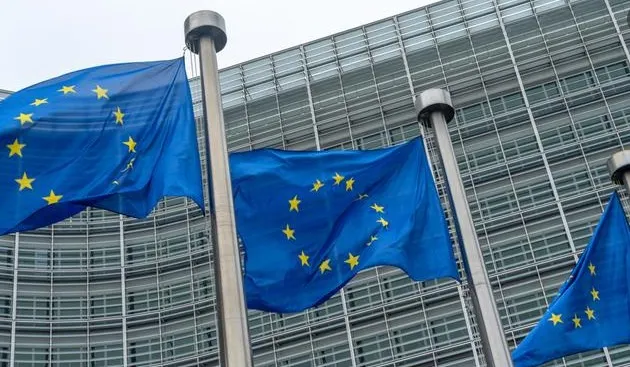
The data for the second quarter of 2026 turned Europe's economic map upside down. The fastest-growing economy in the European Union is Ireland, with quarterly GDP growth of 3.9 percent. Far behind it are Lithuania at 1.7 and Sweden at 1.4 percent.
And the three largest economies - Germany, France and Italy - are growing at 0.2 percent. Each of them individually.
Belgium and Austria did not move at all: zero.
The eurozone average is 0.4 percent quarterly and 1.0 percent annually. For the Union as a whole, the figures are 0.5 and 1.2 percent.
Why Ireland
The Irish result does not fall from the sky. For years, that country has been Europe's address for large American multinationals - low taxes, access to the Union's market, the English language, a developed tech and pharmaceutical sector. When those companies book revenue, Irish GDP jumps.
But that same dependence means the number has to be read with both eyes open. The growth comes after a period of contraction and largely reflects corporate activity, not an improved standard of living in Irish households. Ireland grows faster on paper than its citizens feel it at home.
What the breakdown says
Behind the whole quarter sits one structural fact worth more than the ranking: second-quarter growth was carried by net exports, while consumption slowed and investment fell. When an economy grows because it exports, rather than because its citizens spend and its companies invest, that is growth on thin legs.
For the Balkans, the story has a direct thread. Germany, France and Italy are the region's main export markets and the main destinations for those who left to work. When those three economies grow by 0.2 percent, orders coming to the plants here do not increase, and the conversation about new investment gets harder. That is not an assumption - it is a direct consequence of the number.
So the small member states have once again proved that size is not decisive. The question is how long the European economy can grow on the backs of a few countries of three million people each, while the engines run at 0.2.
The latest 10 news from this category

By the late 2060s the average EU retirement age climbs to 66.9 for men. Turkey adds 13 years in a...

The operator covering 67 million consumers admitted it does not have power for everyone and decided in advance who gets...

A company whose business rests on people driving their own cars is now building a platform where the human is...

Sales are not falling because people got poorer, but because old phones stopped breaking on schedule. The industry's answer is...
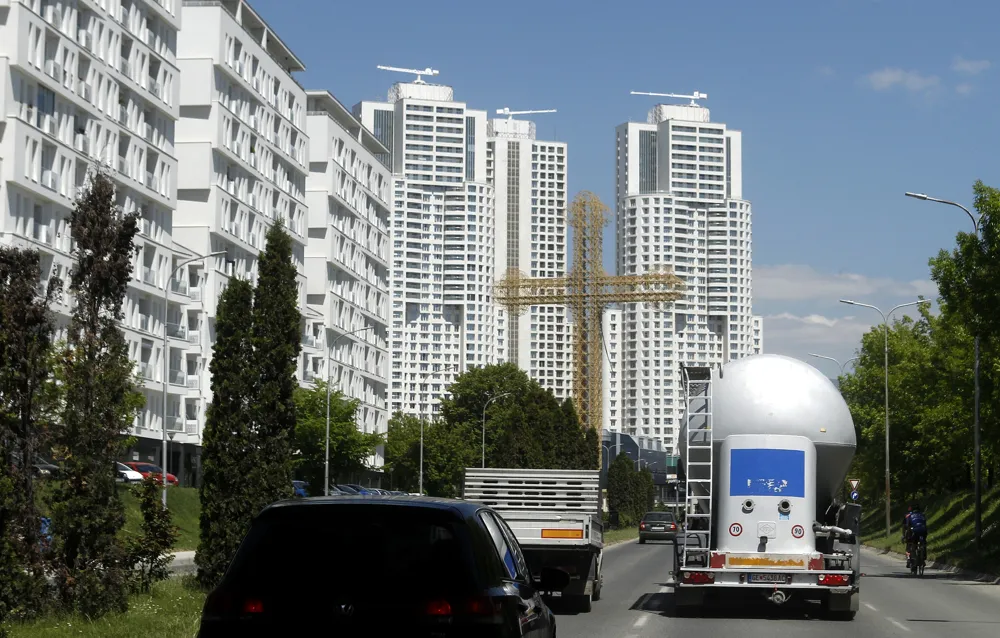
Fewer flats rented out, yet a higher total rent take. Fewer contracts, yet market value up 27.3 percent. The official...
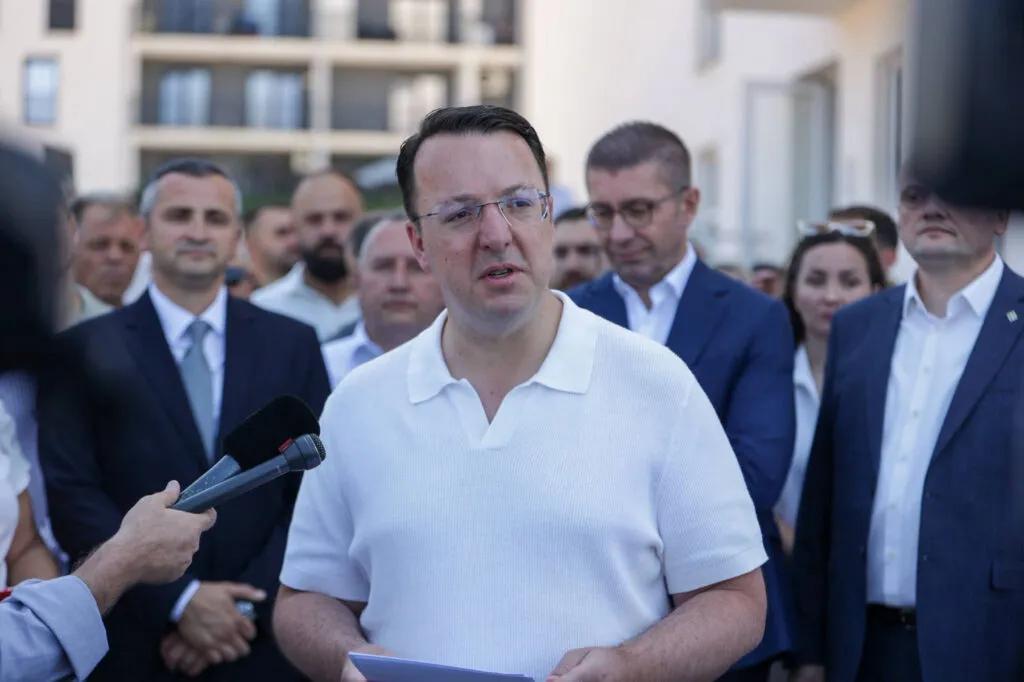
Keys were handed to families from the most vulnerable categories, and the run continues in Veles, Kočani, Strumica and Gevgelija....

Mickoski announced a debt reduction and 6.5 percent industrial growth. The Finance Ministry data confirm the direction - and reveal...

Opus 5 set a record in the test and broke 11 agreements. Not one of the tricks is new -...

There is more money for young founders than ever. Forgiveness for mistakes - none at all, and every wrong step...
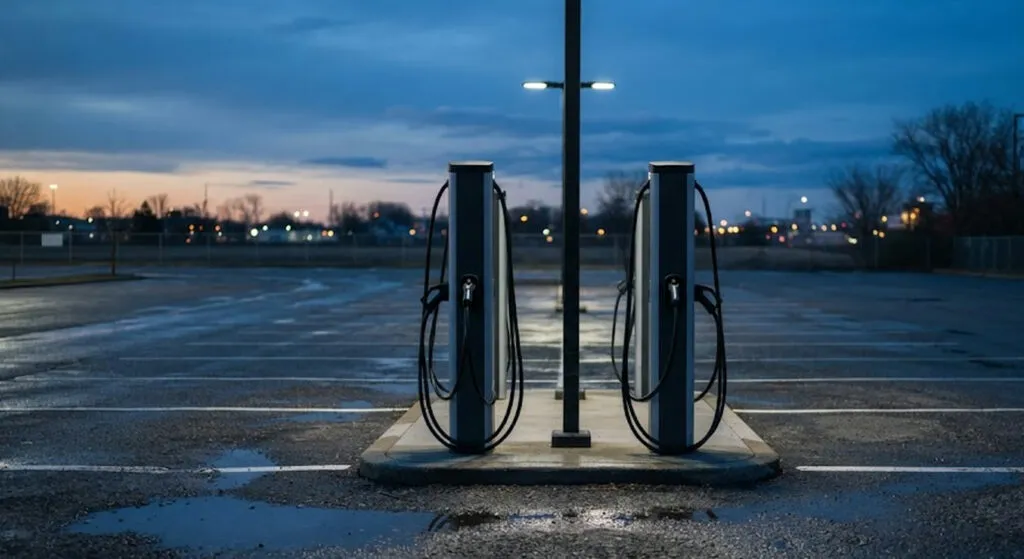
The billions were announced with a stage and slogans. The retreat is happening quietly, in sentences containing the word alignment.
This site uses cookies - is that okay? Learn more
Be the first to know when Metla launches something new
Leave your email and we will write when there is a new guide or something new on Metla.