


Four Injured in Crash With Police Vehicle Near Kicevo: The Statement Says Everything Except Who Is at Fault
28.08.2026


28.08.2026
28.08.2026
28.08.2026
28.08.2026

28.08.2026
28.08.2026

28.08.2026

27.08.2026

26.08.2026

28.08.2026

28.08.2026

27.08.2026

28.08.2026

28.08.2026

28.08.2026

28.08.2026

27.08.2026

26.08.2026
28.08.2026

28.08.2026

28.08.2026

28.08.2026

28.08.2026
27.08.2026

09.03.2026

27.02.2026

19.02.2026
28.08.2026
27.08.2026
26.08.2026

23.04.2026

23.04.2026

12.04.2026
While the world counts the days to some kind of deal on Ukraine, a warning is coming out of Moscow that runs the other way. The Russian philosopher Alexander Dugin argues that Russia must not swap the goal of "victory" for the far safer formulation "ending the war" - because an agreement that does not remove the causes of the conflict would only be a pause before its continuation.
Dugin is not a state official and does not speak for the Kremlin. But for years his arguments have been treated as a kind of thermometer for what parts of Moscow's ideological establishment are thinking. Which is why he is worth reading - not as policy, but as mood.
The change of vocabulary as the first sign
Speaking to the journalist Sergei Mardan, Dugin pointed to exactly the shift in language heard more and more often when a possible end to the conflict comes up. The phrase "end the war", he says, creates the impression that it is enough to stop the shooting, accept the situation on the ground and get back to normal life.
He considers that unrealistic, because the conflict has long since stopped being fought only over the front line. "For us there is now no way out except victory," Dugin said, arguing that Russia is in a conflict with the West that simultaneously covers the military, technological, economic, political and ideological spheres.
The admission you rarely hear
The most interesting part is not the call for victory. The most interesting part is the admission that comes right after it. Dugin says openly that at the outset Moscow had not reckoned on a confrontation of this scale. "We were, of course, not prepared to challenge the entire West in all its dimensions," he said.
By his explanation, Russia was trying to defend its own sovereignty while at the same time remaining part of an international system built to the West's rules. That turned out to be impossible.
Read that sentence again. It is an admission that the plan was not what happened. Four and a half years later, that is no secret to anyone - but it is rarely said out loud from that side.
Nobody got what they wanted
Dugin does not claim Russia achieved its goals either. On the contrary - one of the central points of his argument is that four and a half years of fighting have not produced a situation in which Moscow could say everything the operation was launched for has been settled.
At the same time, the Western countries have not abandoned their intention to inflict a strategic defeat on Russia. So: both sides are exhausted, neither is satisfied, and both still think they can get more. That is the definition of a war that does not end on its own.
Trump wants to close one file, but there is more than one file
In this calculation Dugin gives the American president a role too. In his view, Donald Trump has his own reasons to lower the intensity of the conflict in Ukraine - Washington is simultaneously running a far broader global contest, above all with China, and a large share of its attention and resources is taken up by the conflict with Iran.
But one president's wish to shift priorities does not mean the interests of European states, of Kyiv, of Moscow or of American structures that still see Russia as a strategic adversary have disappeared. Even a deal between Trump and Moscow would not, on its own, resolve everything that four and a half years have built into this conflict.
A frozen front is not peace
Dugin sets out two conditions under which the war would genuinely end. The first is for the balance of forces to produce a result clear enough that one or both sides would have to accept it. The second is for all the key actors to conclude that continuing the war can no longer deliver a benefit large enough to justify the cost.
Neither of those two conditions, by his assessment, has been met.
The Balkans knows this scene by heart. A ceasefire that lasts as long as it suits someone, a line called temporary for thirty years, and a generation growing up with the term "frozen conflict" as something normal. If what comes out of Ukraine is a deal that stops the shooting but leaves every cause untouched - then we will not have the end of a war. We will have a pause between two phases of the same war. And we have watched that from close up.
The latest 10 news from this category
A dozen explosions in waves over Kyiv, ballistic missiles on four more cities, and all of it was set out...
First they would not give missiles, then they gave them with rules on where they could be fired, now they...
Dnipropetrovsk, Kharkiv, Chernihiv and Zaporizhzhia spent the night under drones and missiles. A shopping centre car park and residential blocks...
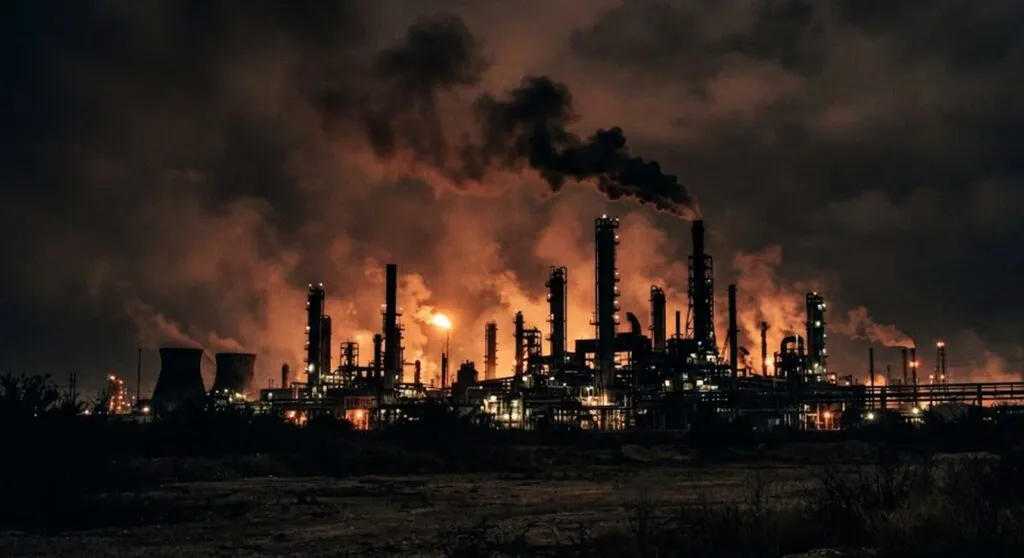
A plant that processes 6.25 million tonnes of oil a year. The war stopped being a line on a map...
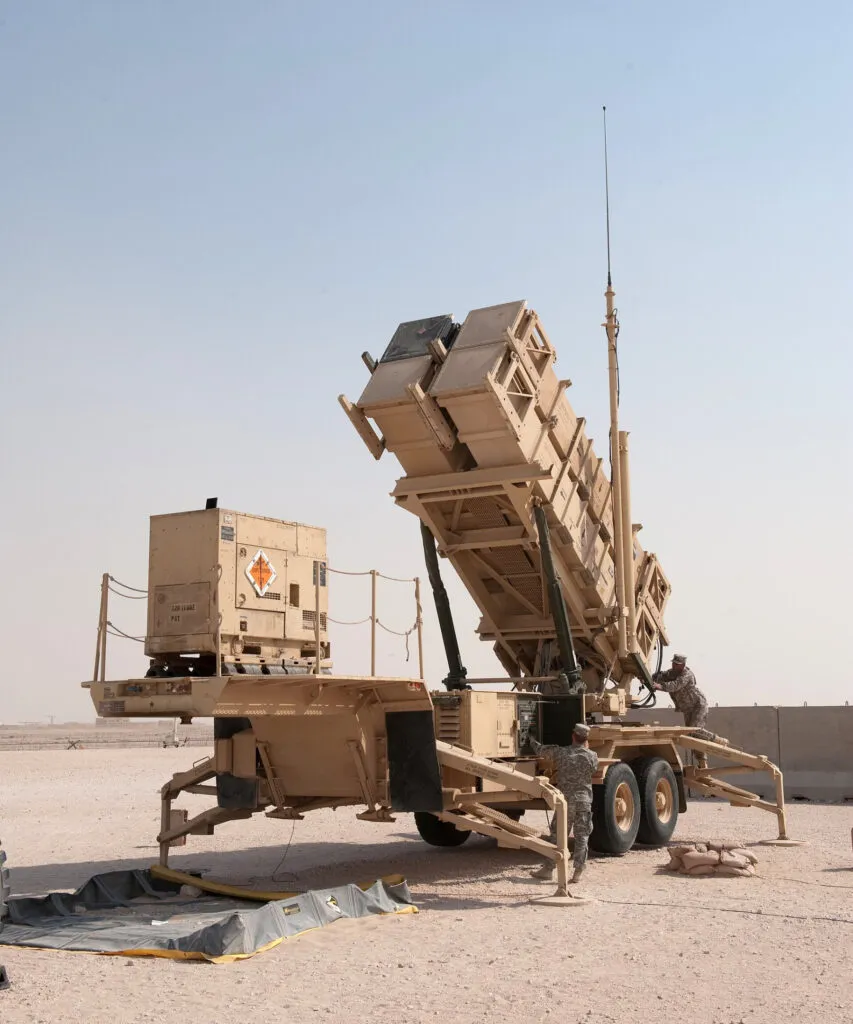
Bezmer in Bulgaria. Akrotiri in Cyprus. Missiles with a range over 2,000 kilometres. This is no longer a distant conflict...
Samara, Orenburg, Krasnodar, Adygea, Stavropol. Hundreds of evacuated workers who never decided anything about any front.
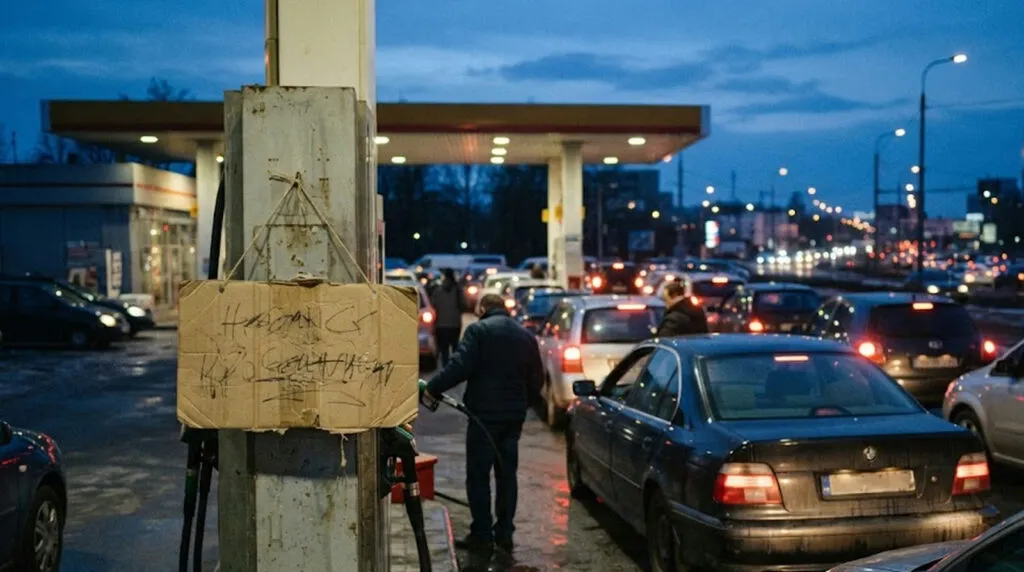
Gazprom Neft and Tatneft have restricted sales in Moscow itself. The war that ran somewhere far away for years has...
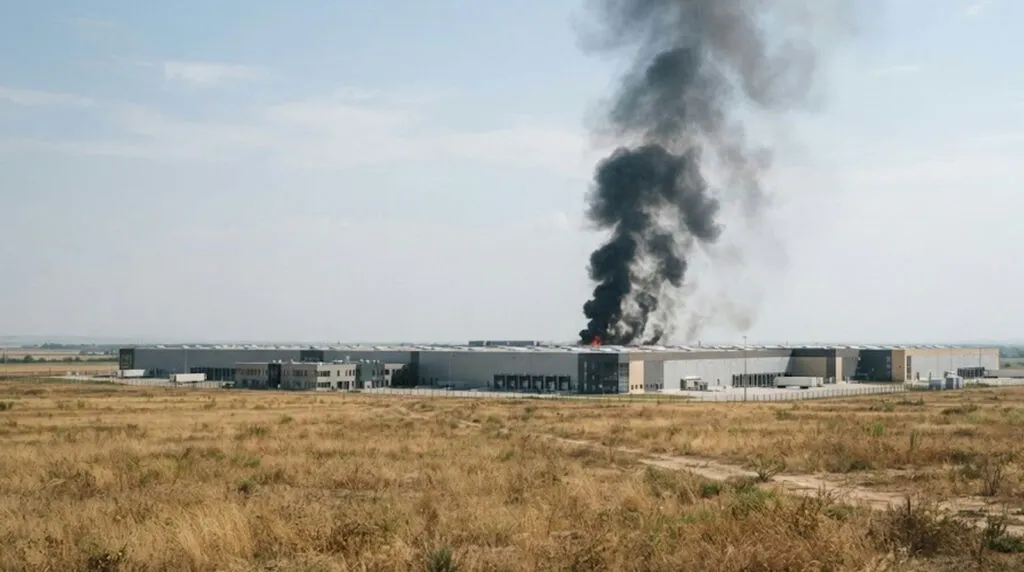
Five regions in three days, hundreds of workers evacuated and two burnt-out facilities of over 90,000 square metres each. Once...
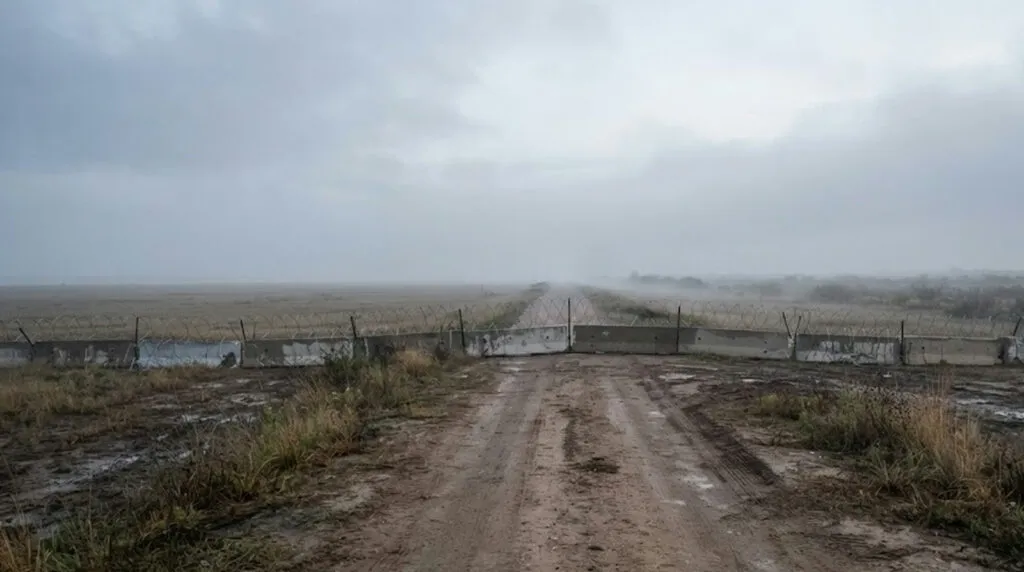
Mutual withdrawal, a buffer zone and a third party to run it. Everything is feasible except one thing - and...
Not an analysts' estimate but an admission from Kyiv itself. Funds earmarked for the second half of the year were...
This site uses cookies - is that okay? Learn more
Be the first to know when Metla launches something new
Leave your email and we will write when there is a new guide or something new on Metla.
