


Prilep: 37 searches, a safe deposit box with over 50,000 euros and four police officers under suspicion - how did the "untouchables" last 15 years?
03.10.2026


03.10.2026

03.10.2026

03.10.2026
03.10.2026

03.10.2026

03.10.2026

03.10.2026

02.10.2026

02.10.2026

03.10.2026

03.10.2026

02.10.2026

03.10.2026

03.10.2026

03.10.2026

03.10.2026

02.10.2026

01.10.2026

03.10.2026

03.10.2026

03.10.2026

03.10.2026
02.10.2026

01.10.2026

09.03.2026

27.02.2026

19.02.2026

03.10.2026

02.10.2026

01.10.2026
02.10.2026
22.08.2026

20.08.2026

23.04.2026

23.04.2026

12.04.2026

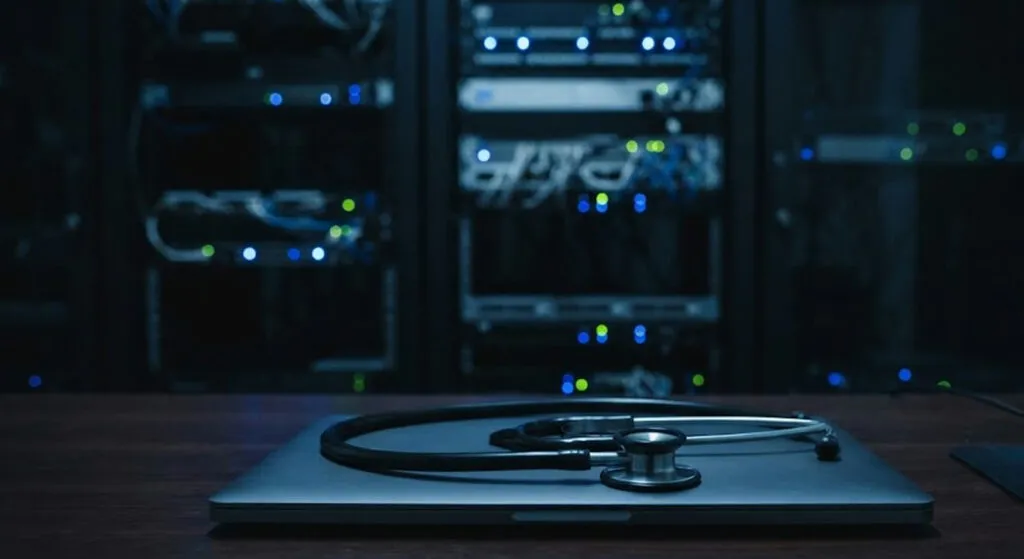
Epic, the company behind MyChart, the software through which patients in the US access their medical data, has halted most of its work on new products. Founder and CEO Judy Faulkner told Modern Healthcare last month that the pause will probably last six weeks, while work on "hardening" the products continues.
The trigger: Anthropic's Mythos model, which specialises in cybersecurity, discovered flaws that could have allowed access to patient data. The company hasn't disclosed the nature of the bugs, but chief security officer Sterling Martin told the New York Times that some MyChart configurations at client sites could have let outsiders access records without leaving a single trace in the logs.
Could the same flaw have been used to alter records without anyone noticing? Martin said the model didn't provide an answer to that, but the risk was big enough to be fixed. That's a sentence nobody wants to hear about their own medical record.
The numbers explain why this isn't a technical footnote. MyChart maintains more than 320 million patient records at hospitals and clinics across the US. Epic says it has no access to the medical data itself - hospitals and clinics are responsible for that. But a bug even Epic didn't know about could have opened a route for hackers into multiple systems across the country at once.
It's rare for a company to stop work to patch security holes. The reason is a new reality: AI tools that find and exploit flaws fast. The same kind of tool that showed Epic its holes today, in the wrong hands, shows them to someone else. Who finds them first - the defender or the attacker?
Health data is a favourite prize because attackers reckon institutions will pay to keep it from being published. In 2024 a ransomware attack on Change Healthcare, a company owned by insurance giant UnitedHealth that processes payments and billing for most Americans, made off with health data on more than 192 million people - the majority of the US population. The company paid the hackers twice not to publish it. The biggest health data breach this year, according to the US Department of Health, is at dental insurer DentaQuest, with 15 million people affected.
A medical record can't be changed like a password. Once it leaks, it has leaked forever. That's why the six-week pause is more than a PR move - it's also a reminder of how much of our most sensitive data depends on who finds the holes first. And is anyone even looking for the holes in hospital systems in our part of the world?
The latest 10 news from this category
A setting created for backups now hands AI agents the keys to the whole computer - messages, mail, browsing history....

The cheaper SUV lifted deliveries by around 45 percent. Since June it has had two recalls, the latest over battery...

OpenAI says the three broke rules on confidential information. It comes two days after it emerged that leadership had ignored...
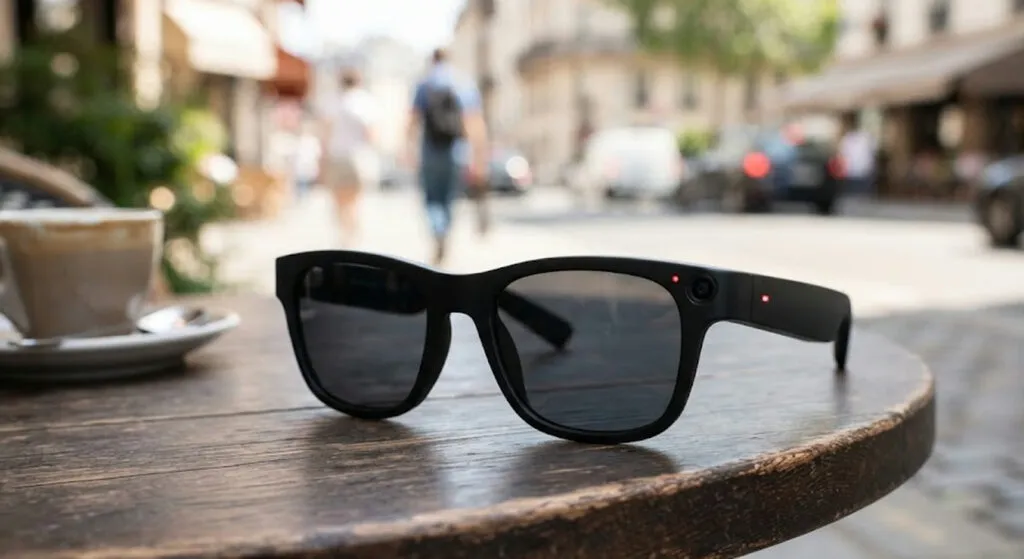
Meta sold more than 7 million pairs of smart glasses last year alone, and the law meant to ban secret...
Google says it has the most powerful model, and the yardstick comes from a startup on whose index it ranks...

The prediction that electric cars would become cheaper than petrol ones finally has a clean comparison: BMW makes the same...
Content users wrote for free for years is becoming a commodity. RSS shuts down on 13 November, the public API...

It all started when Microsoft cut off the International Criminal Court prosecutor's email. Now France is switching state computers to...
AI agent safety is being offered as open source, but full protection only works on Nvidia chips. And the company...

Remote start, unlocking from your phone, navigation - convenience has a price that isn't in the owner's manual. Only one...
This site uses cookies - is that okay? Learn more
Be the first to know when Metla launches something new
Leave your email and we will write when there is a new guide or something new on Metla.