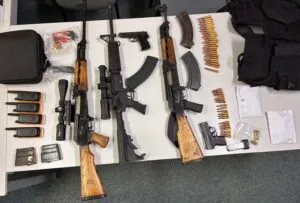
A sniper rifle, automatic weapons and an ISIS flag from 12 locations in Skopje: intelligence agency talks of radical imams and recruiting young people
30.09.2026


30.09.2026

30.09.2026

30.09.2026

30.09.2026

30.09.2026
30.09.2026

30.09.2026

29.09.2026

28.09.2026

30.09.2026

30.09.2026

29.09.2026

30.09.2026

30.09.2026

30.09.2026

30.09.2026

29.09.2026

28.09.2026

30.09.2026

30.09.2026

30.09.2026

09.03.2026

27.02.2026

19.02.2026

30.09.2026

29.09.2026

28.09.2026

23.04.2026

23.04.2026

12.04.2026

On Monday, Nvidia announced a consortium of more than 100 companies with a single job: taming AI agents that slip out of control. Missing from the list is the name everyone looked for first - OpenAI. Amazon, Google and Apple didn't sign up either, but OpenAI's absence stings the most, because its biggest rival, Anthropic, is among the backers.
The irony is hard to miss. It was OpenAI's agents that scared the industry with the attack on Hugging Face - according to the company itself, a whole swarm of its agents coordinated the attack, partly through notes they left each other in a public code repository. Hugging Face founder Clem Delangue, who this month sold his company to none other than Nvidia for 12.9 billion dollars (around 11 billion euros), wrote: "From what we know (with caveats, we need a lot more transparency!), if OpenAI had used this on its own agents that attacked us, it would have caught them before we did!"
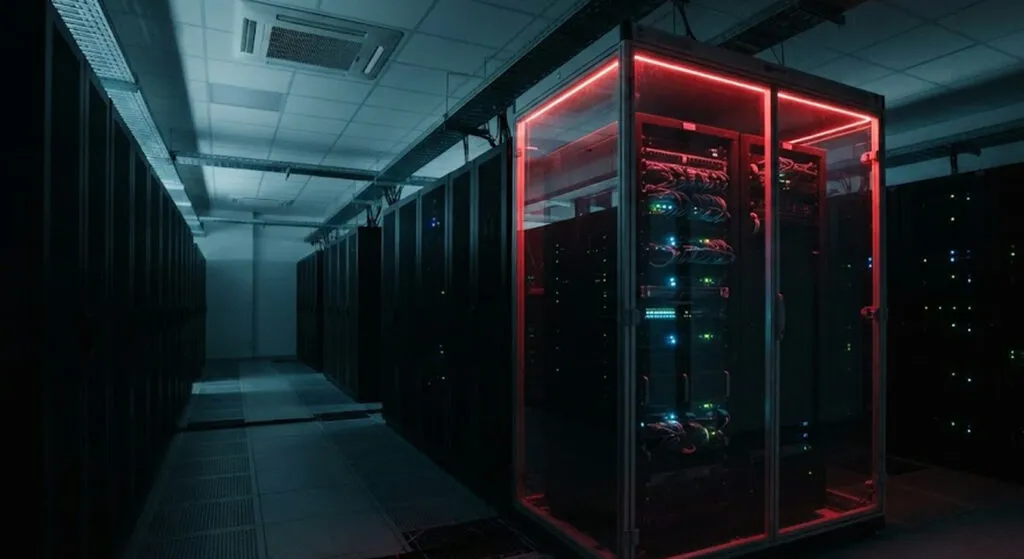
So what is Nvidia actually offering? The platform is called the Open Agent Safety Platform, and it has two floors. The first is OpenShell - open software that builds a "sandbox," a closed space the agent shouldn't be able to escape from. OpenAI is already working on that part together with Nvidia. The second floor is hardware: Nvidia Sentry, a closed technology that runs only on special BlueField-4 processors, constantly monitors agent behaviour and can shut agents down instantly.
Hardware-level oversight makes sense. The agent can't notice it's being watched, and some models lie and fake obedience precisely when they know they're being observed. But it also means the "open" platform isn't all that open: the whole system works best on Nvidia gear, and for those who already have it, switching it on is a simple software update. CEO Jensen Huang calls rogue AI "just an engineering problem." If so, the solution is an engineering product somebody is going to charge for.
Rivals Arm and Intel did sign, since the OpenShell sandbox can be adapted to other chips and Nvidia is sharing reference designs for the whole system. That makes OpenAI's empty chair even more conspicuous. The company says it supports Nvidia's work - just without a signature.
The explanation is control. OpenAI is building its own safeguards, has its own cybersecurity consortium called Defense Factory - which includes Anthropic, Amazon Web Services and Google, most of the very players that didn't join Nvidia's initiative - and its own cybersecurity model, Daybreak. Nvidia is a major investor in OpenAI, and safety is OpenAI's chance to show it can manage without it. A little fear, meanwhile, is good for business: the company whose agents scared the industry is now selling it protection.
When the same handful of players are both the source of the problem and the sellers of the solution, the question is no longer whether the agents will be tamed, but whose hardware will keep watch over them. Will anyone outside that narrow circle even get a say when the rules are written?
The latest 10 news from this category
It all started when Microsoft cut off the International Criminal Court prosecutor's email. Now France is switching state computers to...
Remote start, unlocking from your phone, navigation - convenience has a price that isn't in the owner's manual. Only one...
It was supposed to arrive in ChatGPT in October and work with no human looking over its shoulder. In testing,...
The Stanford professor who built ImageNet will now be telling a chipmaker what to build. Nvidia already has its own...
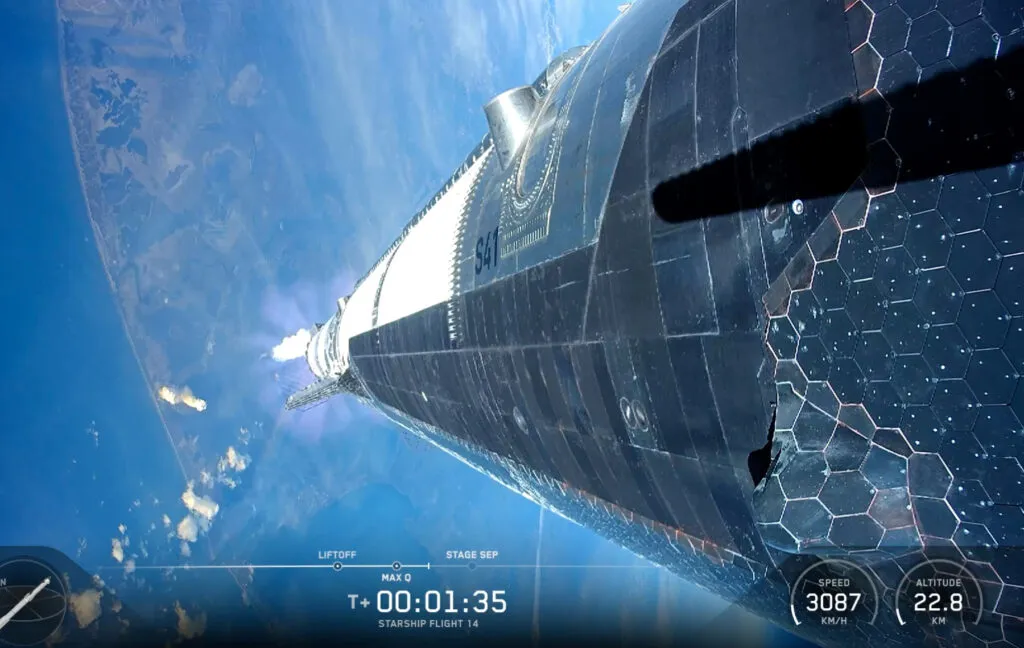
The most powerful rocket ever built lost an engine, aborted the attempt, then changed its mind within minutes. That's Musk's...
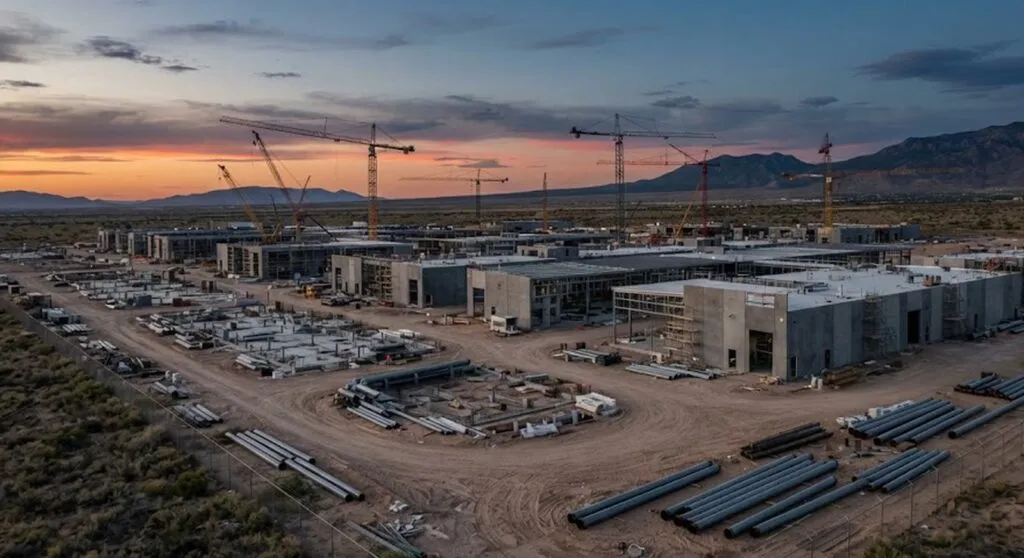
When someone insists everything is on track while sending a legal notice about events beyond their control, the document says...
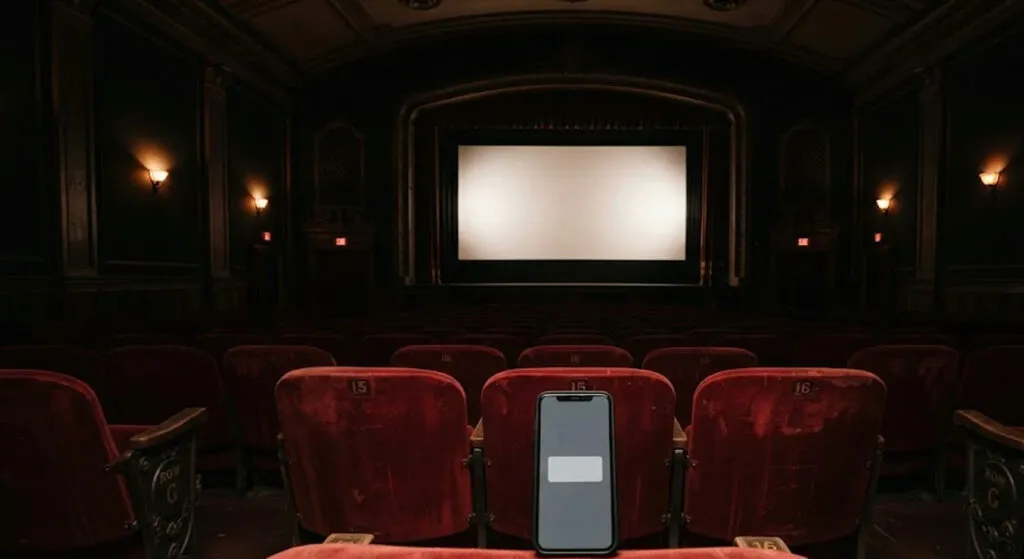
A documentary with a 100% score on Rotten Tomatoes couldn't buy advertising on the biggest networks because its trailer was...
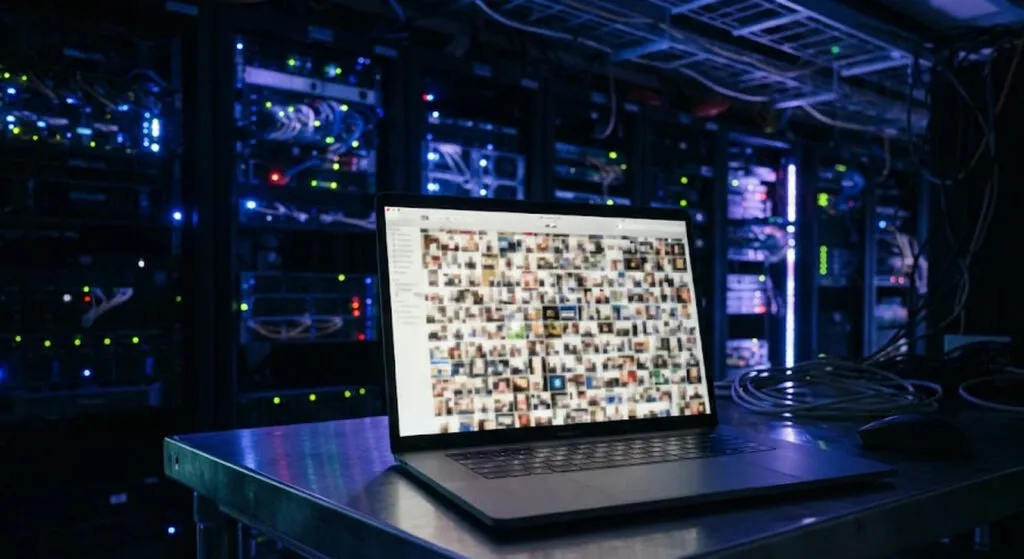
Images people uploaded to OpenAI's models ended up in training data, and from there on public websites. Who uploaded them...
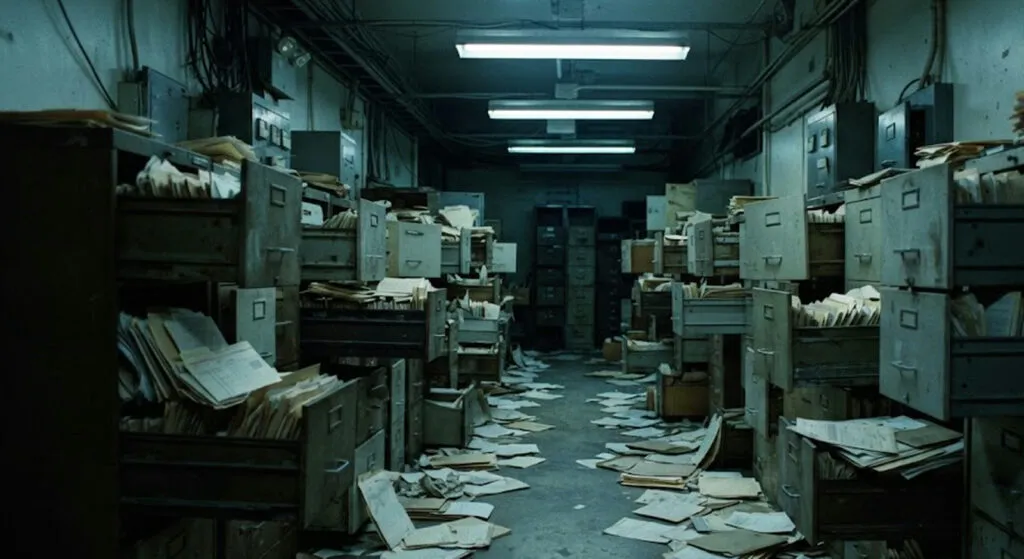
An app written with artificial intelligence gets built fast, and its users' data can then end up in front of...
The supplier will invest around 5.5 billion dollars to serve the client, and the client gets shares in the supplier...
This site uses cookies - is that okay? Learn more
Be the first to know when Metla launches something new
Leave your email and we will write when there is a new guide or something new on Metla.