


Prilep: 37 searches, a safe deposit box with over 50,000 euros and four police officers under suspicion - how did the "untouchables" last 15 years?
03.10.2026


03.10.2026

03.10.2026

03.10.2026
03.10.2026

03.10.2026

03.10.2026

03.10.2026

02.10.2026

02.10.2026

03.10.2026

03.10.2026

02.10.2026

03.10.2026

03.10.2026

03.10.2026

03.10.2026

02.10.2026

01.10.2026

03.10.2026

03.10.2026

03.10.2026

03.10.2026
02.10.2026

01.10.2026

09.03.2026

27.02.2026

19.02.2026

03.10.2026

02.10.2026

01.10.2026
02.10.2026
22.08.2026

20.08.2026

23.04.2026

23.04.2026

12.04.2026

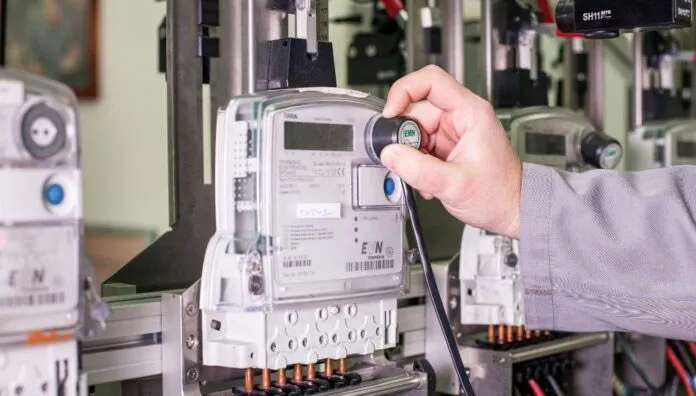
Back in spring, Macedonia's Energy Regulatory Commission (RKE) floated the idea: more hours of cheap electricity for households, maybe even a cheap Saturday. The first announcements said the analysis would be finished by the end of September. September has come and gone. The analysis hasn't arrived.
At the start of October, RKE president Aco Ristov once again announced an analysis of block tariffs and the cheap tariff. There is no final decision, he says, because the Commission is waiting for data and requests from the energy companies for the next three-year regulatory period. "We will do an analysis, come out with a public debate and include all the parties involved, the university and everyone who matters in energy," Ristov says.
The sun changed the market, the tariff stayed the same
The logic behind the change is clear and, for once, in citizens' favour. The current model was designed during the energy crisis, when electricity was most expensive during the day. Since then, solar power plants have turned the market upside down. "We have cheap energy during the day, when there is overproduction from solar, and in the evening, when there is none, electricity can be more expensive," Ristov explains.
Today households get the cheap daytime tariff only from 13:00 to 15:00, plus the night and Sunday tariffs. Among the options floated as early as May and June is extending the cheap daytime tariff to four or even five hours, between 11:00 and 15:00, when exchange prices are often at their lowest. A cheap tariff on Saturdays is also being considered, when industry uses less and solar plants keep producing through the weekend.
In parallel, RKE is planning a digital platform to monitor production and consumption in real or near-real time. Ristov admits that collecting data monthly, half-yearly or yearly, as has been done so far, isn't enough for detailed analysis. Block tariffs and the regulated prices for transmission and distribution are also under review, without ruling out a cut to some of those charges.
December, then January
A final decision is expected in December, and the new prices are meant to apply from 1 January 2027. The government insists it is not planning a price rise, but looking for a way to make electricity cheaper or give people more cheap hours. Fine. But four cheap hours in the middle of the day are most useful to whoever is at home at 11 in the morning. Will the new model be built only for pensioners and people working from home - or also for the family that gets back from work at five in the afternoon? So far, that question isn't being heard in any of the announcements.
The latest 10 news from this category

A register of buyers, written contracts, certified scales and fines scaled to company size. The question that remains is who...

Global food prices are at their highest since November 2022. Bakers are holding on with old stock for now -...

A setting created for backups now hands AI agents the keys to the whole computer - messages, mail, browsing history....

The cheaper SUV lifted deliveries by around 45 percent. Since June it has had two recalls, the latest over battery...

Some MyChart settings reportedly allowed outsiders to access records without leaving a single trace in the logs. Few companies stop...
Proposed changes to the Housing Law set a new deadline at the end of 2027 and a precise date for...
Of 349,334 pensioners, 98,318 receive the minimum pension - between 20,288 and 23,945 denars. Their pensions are still calculated off...
Eight months in, growth in industrial production has melted down to 0.6 percent. Machinery, car parts and electrical equipment are...

OpenAI says the three broke rules on confidential information. It comes two days after it emerged that leadership had ignored...
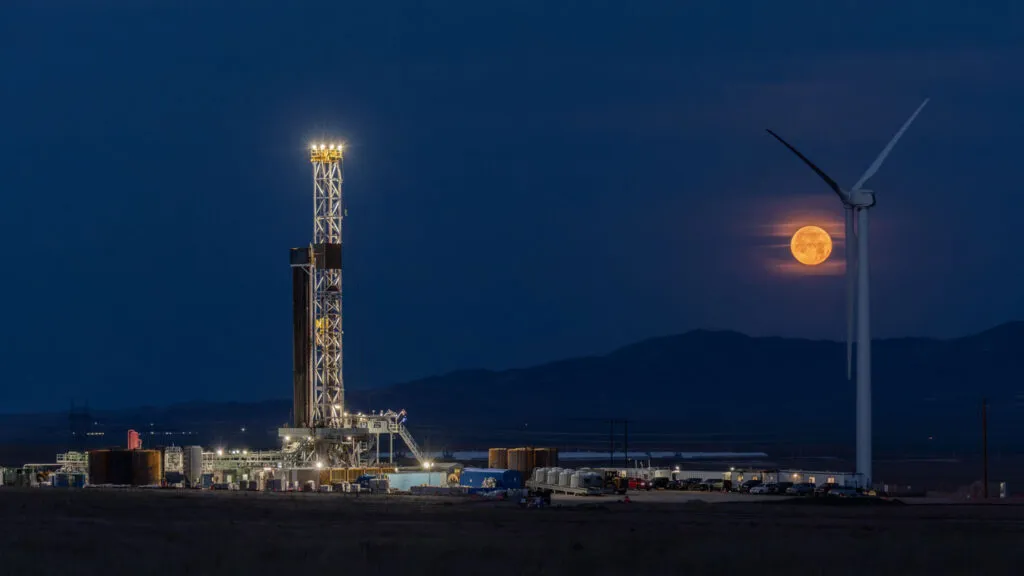
The first third of the plant is switched on, the target is 100 megawatts, and the site could reach 4...
This site uses cookies - is that okay? Learn more
Be the first to know when Metla launches something new
Leave your email and we will write when there is a new guide or something new on Metla.