
A sniper rifle, automatic weapons and an ISIS flag from 12 locations in Skopje: intelligence agency talks of radical imams and recruiting young people
30.09.2026


30.09.2026

30.09.2026
30.09.2026

30.09.2026

30.09.2026

30.09.2026

30.09.2026

29.09.2026

28.09.2026

30.09.2026

30.09.2026

29.09.2026

30.09.2026

30.09.2026

30.09.2026

30.09.2026

29.09.2026

28.09.2026

30.09.2026

30.09.2026

30.09.2026

09.03.2026

27.02.2026

19.02.2026

30.09.2026

29.09.2026

28.09.2026

23.04.2026

23.04.2026

12.04.2026

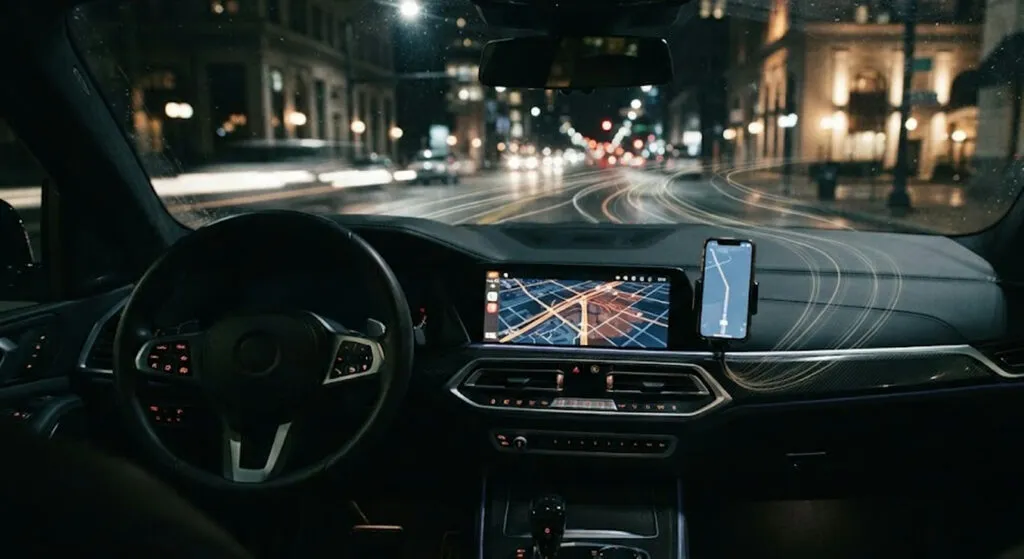
A modern car with Wi-Fi, GPS and a phone app collects piles of data about its owner - and that data doesn't stay with them. Researchers at America's Northeastern University, working with consumer protection organisation Consumer Reports, tested 21 cars from the latest model lines of 17 manufacturers, as well as 30 companion apps. The peer-reviewed study comes out this week.
The vehicles tested include GM brands Cadillac and Chevrolet, plus Ford, Lucid, Rivian, Tesla and Toyota. The result: 19 of 21 vehicles sent traffic to at least one third party, and 7 of 30 apps handed sensitive data - vehicle identification numbers (VIN), email addresses, phone numbers and precise location - to companies involved in tracking and advertising. Among the firms receiving the data are Google, Meta, Microsoft, Adobe, Snap and Yahoo.
Worse still, the same company often gets several kinds of data at once. That's how advertisers and data brokers build detailed profiles of people, and those profiles are then sold on - including to insurers and banks. Once you're in a profile like that, it's hard to get out. Pairing the app with the car roughly doubled exposure to advertising and tracking companies.
The phenomenon itself isn't new - there have been investigations and lawsuits over how driving data reaches insurers. What's new is the scale, and how hard it is to avoid. There's really only one way out: not using the car, or conveniences like remote start and unlocking. Who buys a new car so they can not use its features?
And how did the carmakers react? All of them except Honda pointed the finger elsewhere, often at consumers themselves. Honda improved its practices and ordered its supplier Amplitude to delete all the geolocation data it had received. Several manufacturers told Consumer Reports that some links in their apps open external pages with cookies that collect data. However the data got there, drivers were never told.
The study is American, but most of these brands are on our streets too, with the same apps on our phones. Has a single regulator in the region even asked where the data from cars sold here ends up?
The latest 10 news from this category

It all started when Microsoft cut off the International Criminal Court prosecutor's email. Now France is switching state computers to...

AI agent safety is being offered as open source, but full protection only works on Nvidia chips. And the company...

It was supposed to arrive in ChatGPT in October and work with no human looking over its shoulder. In testing,...
The Stanford professor who built ImageNet will now be telling a chipmaker what to build. Nvidia already has its own...
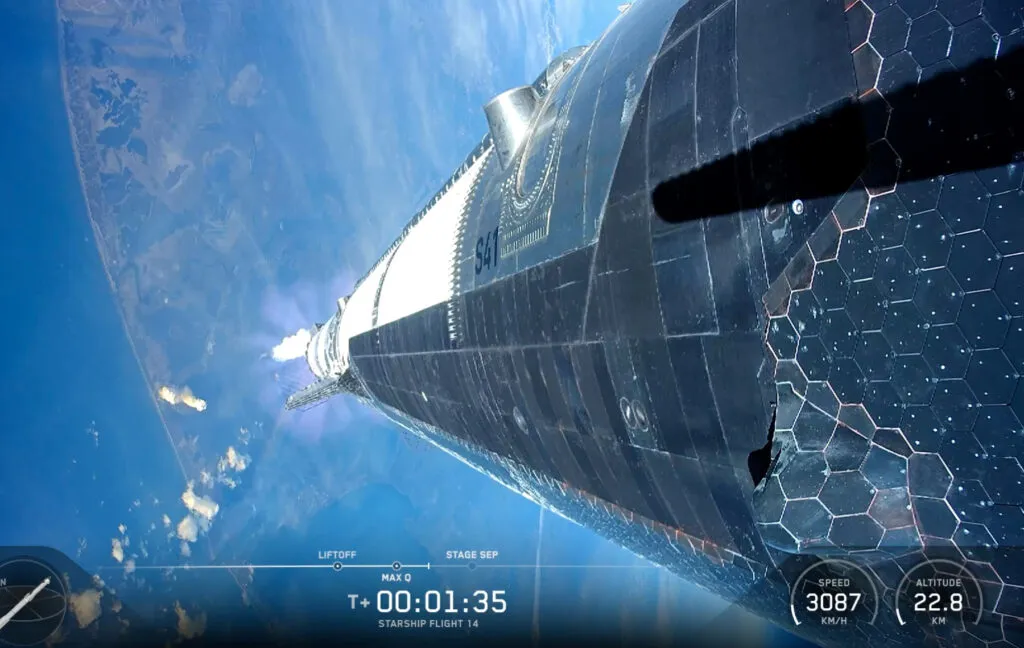
The most powerful rocket ever built lost an engine, aborted the attempt, then changed its mind within minutes. That's Musk's...

When someone insists everything is on track while sending a legal notice about events beyond their control, the document says...
A documentary with a 100% score on Rotten Tomatoes couldn't buy advertising on the biggest networks because its trailer was...
Images people uploaded to OpenAI's models ended up in training data, and from there on public websites. Who uploaded them...

An app written with artificial intelligence gets built fast, and its users' data can then end up in front of...
The supplier will invest around 5.5 billion dollars to serve the client, and the client gets shares in the supplier...
This site uses cookies - is that okay? Learn more
Be the first to know when Metla launches something new
Leave your email and we will write when there is a new guide or something new on Metla.