НАУЧНИЦИТЕ ОТКРИЈА: ТАЈНАТА НА ПОБАВНОТО СТАРЕЕЊЕ МОЖЕ ДА СЕ КРИЕ ВО НАШИТЕ ЦРЕВА!
27.10.2026


27.10.2026

27.10.2026

27.10.2026

27.10.2026
27.10.2026

27.10.2026

27.10.2026

27.10.2026

26.10.2026

27.10.2026

27.10.2026

26.10.2026

27.10.2026

27.10.2026

27.10.2026

27.10.2026

26.10.2026

25.10.2026

27.10.2026

27.10.2026

27.10.2026

27.10.2026

26.10.2026
26.10.2026
27.10.2026
26.10.2026

24.10.2026

23.04.2026

23.04.2026

12.04.2026

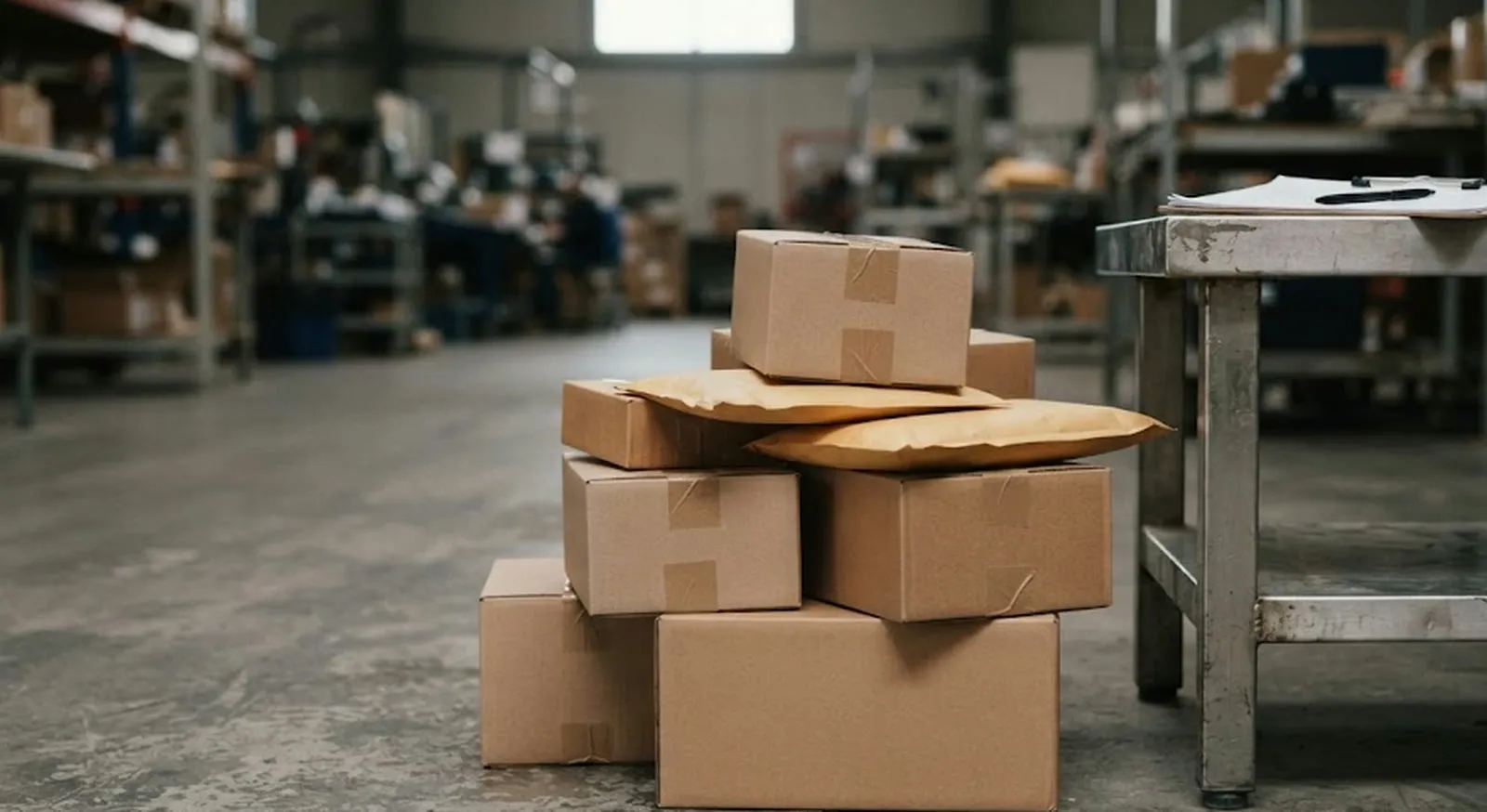
The EU Council has approved the biggest reform of the Union's customs system in decades. If that sounds like news for bureaucrats in Brussels - it is not. It is news for anyone who has ordered a three-euro T-shirt, a phone cable or a case from a Chinese platform.
The key change: online platforms selling goods in the EU are from now on treated as importers. They handle the customs procedure, pay the duties and answer for whether the product meets European safety standards. Until now that obligation, at least formally, rolled downhill - all the way to the buyer standing at a counter with a parcel, not knowing what they are signing.
By 1 November at the latest the EU is also introducing a new single fee for processing small shipments. How much it will be has not been decided yet; the European Commission sets the amount. The fee is not a customs duty and does not include VAT. It is a straight charge for the cost of control, and that cost is enormous: in 2025 European customs processed around six billion parcels from online shopping.
Who is in the firing line
The rules formally name neither a country nor a company. In practice they hit Temu, Shein and AliExpress - because more than 90 percent of e-commerce parcels entering the EU come from China. The platforms can pass their additional cost on to the buyer through the product price or the delivery charge. It is close to certain that they will.
The penalties show how seriously this is meant. The maximum fine for a trader who fails to meet customs obligations or sells a product that does not meet standards runs up to six percent of the annual value of their imports into the EU. Companies can lose customs facilitations and have their access to the platforms restricted.
New body, new headquarters, new deadlines
The reform also creates a new EU Customs Authority headquartered in Lille, France, starting work in 2027, plus a single European customs data hub where import and export information will converge so that a risky shipment can be spotted faster. E-commerce traders must switch to the new system by 1 July 2028, and everyone else by 1 March 2034. The European Parliament is due to confirm the final text in September.
This builds on something that already happened this summer: on 1 July the EU scrapped the customs exemption for cheap shipments under 150 euros. The November fee is an additional measure, not a replacement for it.
And Macedonia?
We are not in the EU, so formally none of this binds us. But platforms do not write separate rules for each market - they change the whole business model, the prices and the logistics in one move. When Temu and Shein have calculated the new European costs, those figures will show up in the basket of a buyer in Skopje too.
There is another layer. Part of the reform is not about money at all but about safety - the Union says openly that many products fail to meet standards for safety, labelling or composition. If Europe starts turning such shipments back at the border, where will they go? The markets without that kind of control are right here, next to us. Whether our own customs service even has the capacity to spot what passes under its hands is a question nobody here asks out loud, not even now that Brussels is asking it about itself.
The latest 10 news from this category

Levica filed it, SDSM backed it, the majority voted it down. The minister says she built her ministry "from scratch"...
AI hyperscale data centres draw hundreds of megawatts, the biggest over 1,000. The government is negotiating with five or six...

The company that warns its technology could be dangerous for humanity is now asking the stock market for money. The...

Nearly a billion dollars in two years, for a kit that drives the excavator instead of a person. The company...

The platform of short clips now wants videos as long as a film. There's just one question without an answer:...
Oil went up about six percent in a week, and diesel in Macedonia is already more expensive than both grades...

The deputy prime minister is promising a satellite network and lower bills on Facebook, "from the information I have". All...
The average August wage jumped to 48,733 denars, but the holiday bonus is calculated from a three-month average. Exactly how...
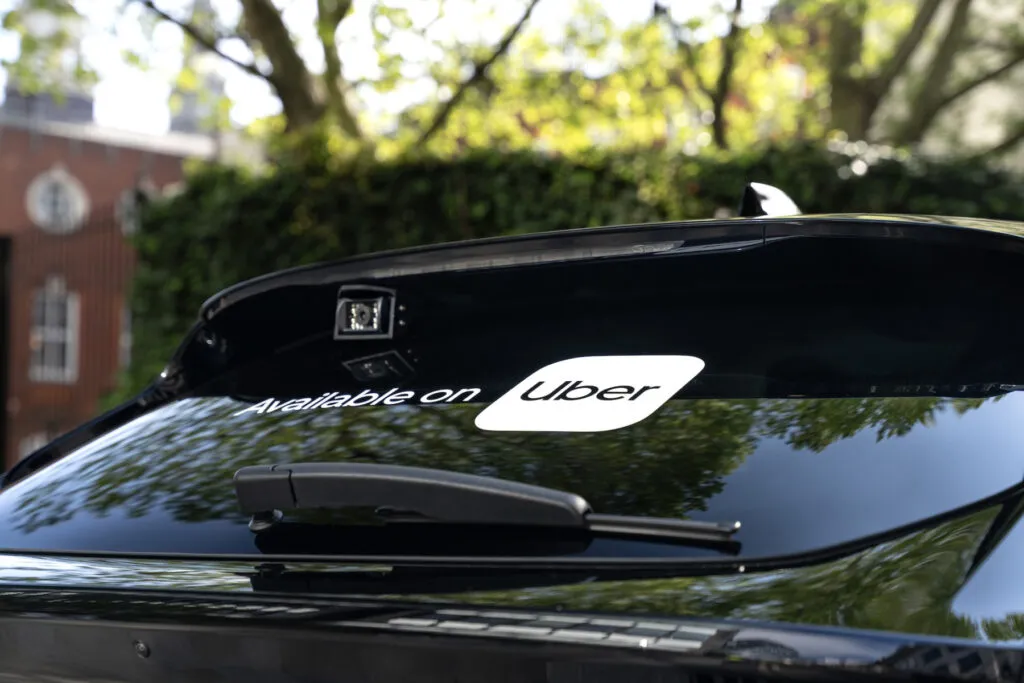
A 1,000-person pilot showed that 80 percent of the first users weren't engineers. Nobody is saying how much Uber pays,...
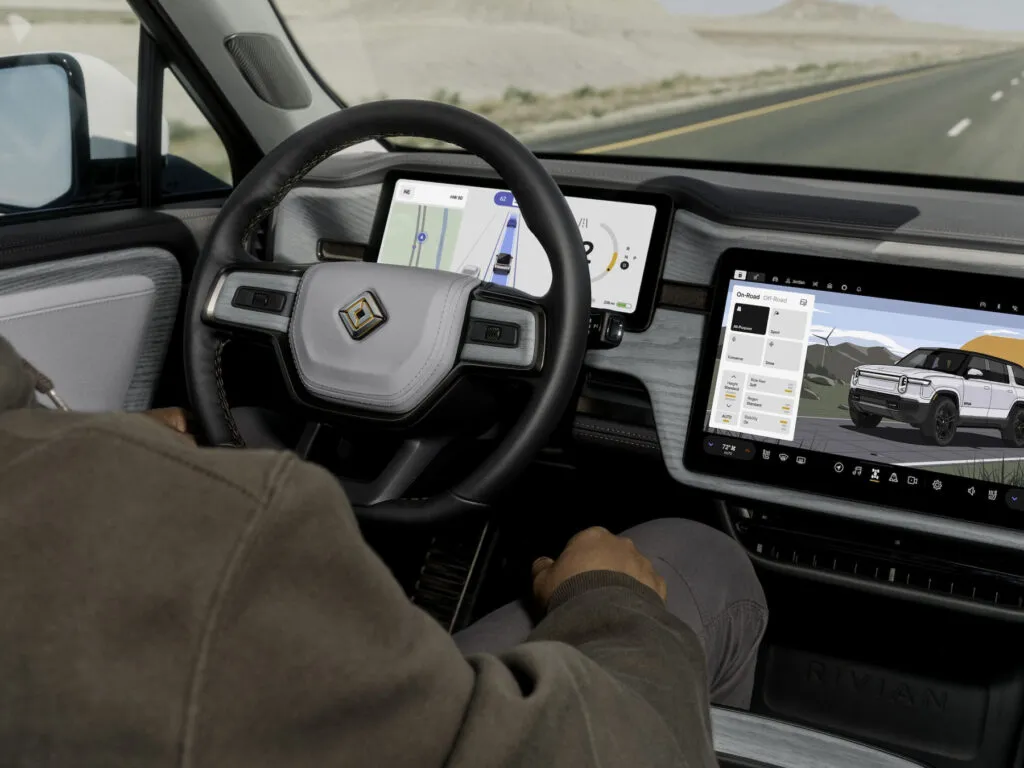
Every day Rivian receives more than 400,000 recorded scenes from its customers' cars. Now it also has a tool that...
This site uses cookies - is that okay? Learn more
Be the first to know when Metla launches something new
Leave your email and we will write when there is a new guide or something new on Metla.