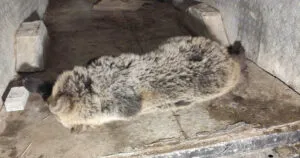
Bear cub killed on the Skopje-Tetovo motorway: the fence is a legal obligation, while the rescue team exists only in a Viber group
25.10.2026


25.10.2026

25.10.2026

25.10.2026

25.10.2026

25.10.2026

25.10.2026

25.10.2026

25.10.2026

25.10.2026

25.10.2026

25.10.2026

24.10.2026

25.10.2026

25.10.2026

25.10.2026

25.10.2026

24.10.2026

23.10.2026

25.10.2026

25.10.2026

25.10.2026

25.10.2026

25.10.2026

25.10.2026

25.10.2026

25.10.2026

24.10.2026

24.10.2026

22.10.2026

20.10.2026

23.04.2026

23.04.2026

12.04.2026

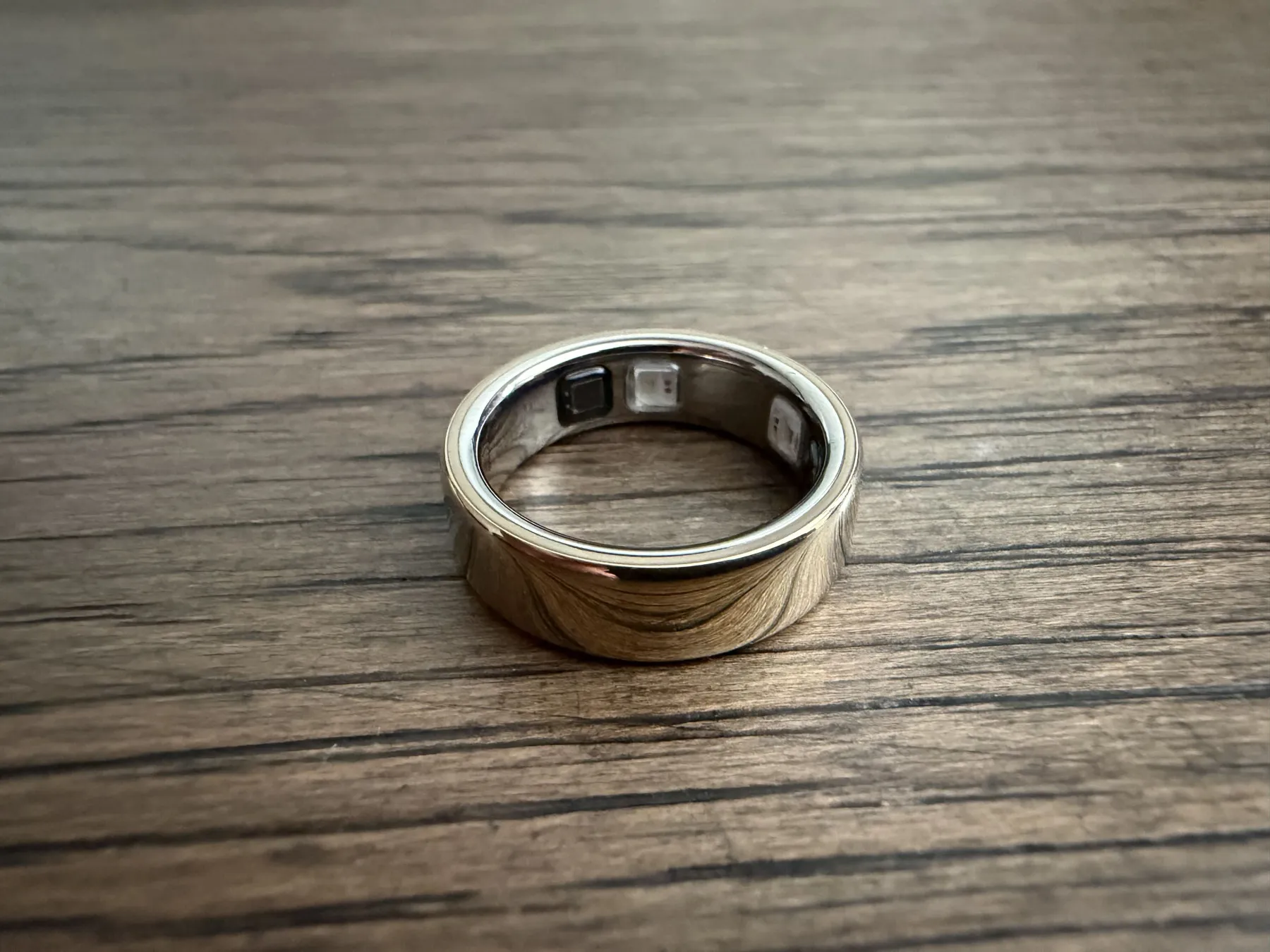
Finland's Oura has filed with the US Securities and Exchange Commission and is going public. The figures in the filing explain why now: revenue for the nine months to 30 June jumped from 697 million to 1.2 billion dollars. That is growth of around 72 percent in a year, on a product that is a ring.
The curve is even steeper over a longer view. The company previously said it made 500 million dollars of revenue in 2024, around a billion in 2025, and expects close to two billion this year. It sold 3.6 million rings in twelve months and has around 5 million paying members - people paying a monthly subscription to look at their own data. The ring costs between 350 and 400 dollars, but the story is in the subscription.
And here is the figure that matters most: 85 percent membership retention after twelve months. Eight out of ten people who subscribe are still paying a year later. For a company that sells a device, that is worth more than any revenue line - it means Oura is not selling a ring, it is renting out access to something every user wears on a finger all the time.
The company admits as much without much make-up. The filing says it has assembled "one of the largest and highest-quality longitudinal biometric datasets in consumer health" - over 50 health parameters and close to 42 billion hours of physiological data. That data, it goes on, feeds its artificial intelligence models, which become more precise as a member's history deepens.
Read that sentence again. The longer you wear the ring, the more valuable you are to the model. Founded in Finland in 2013, the company is seeking around 3 billion dollars on the market at an estimated valuation of 16 billion - up from 11 billion less than a year ago. What is being valued is not ring manufacturing. It is the database.
The same filing carries the other half. Oura was recently hit with a proposed class action claiming it misled users about the accuracy of its sleep measurement - that the rings cannot capture the physiological signals needed to determine sleep stages and instead rely on algorithm-generated estimates, which the suit describes as barely more reliable than a coin toss. The company rejects the allegations and has said it will defend itself.
The suit does not have to succeed to be interesting. The entire 16 billion valuation rests on the assumption that the measurement is accurate enough for somebody to pay for it every month - and that the health insurers, employers and doctors Oura is openly courting will accept that measurement. If the accuracy falls in court, it is not one feature that falls. It is the reason the database is worth anything at all.
The latest 10 news from this category
The company says a secure browser has become too expensive to maintain. Users want at least the code opened up...

The state isn't just handing over money, it's taking equity - for electronics that have to survive the plasma. Fusion...
Over 80 percent of the US military's working dogs come from Europe, and fewer than half are fit for service....
Three founders and a promise that AI can be trained on far less data. In Silicon Valley that's now worth...
A company from a small Baltic country raised 100 million dollars to tell humans from machines online. The trick is...

The app for emotions and to-dos claims revenue in the tens of millions of dollars. Seventy percent of its users...

Blood tests and ice baths will no longer be a privilege of the rich - or so the Hollywood actor...
From unicorn to bankruptcy in five years: Google took the founders back, Disney takes part of the assets, and the...
Fakes have become so good they've earned their own name. Veritas offers a chip built into the product, and it's...
In four months its valuation jumped by 16 billion dollars. Automating boring expense reports in America is a 60-billion business...
This site uses cookies - is that okay? Learn more
Be the first to know when Metla launches something new
Leave your email and we will write when there is a new guide or something new on Metla.