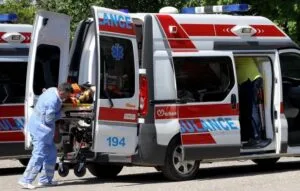
Bogovinje: A 16-Year-Old "Accidentally" Shot a 15-Year-Old With a Pistol - So Where Did He Get the Gun?
26.10.2026


26.10.2026
26.10.2026
26.10.2026
26.10.2026
26.10.2026
26.10.2026
26.10.2026

25.10.2026
25.10.2026
26.10.2026

26.10.2026

25.10.2026
26.10.2026
26.10.2026

26.10.2026
26.10.2026
25.10.2026

24.10.2026
26.10.2026

26.10.2026
26.10.2026
26.10.2026

26.10.2026
25.10.2026

26.10.2026
25.10.2026
25.10.2026
24.10.2026
22.10.2026
20.10.2026

23.04.2026

23.04.2026

12.04.2026

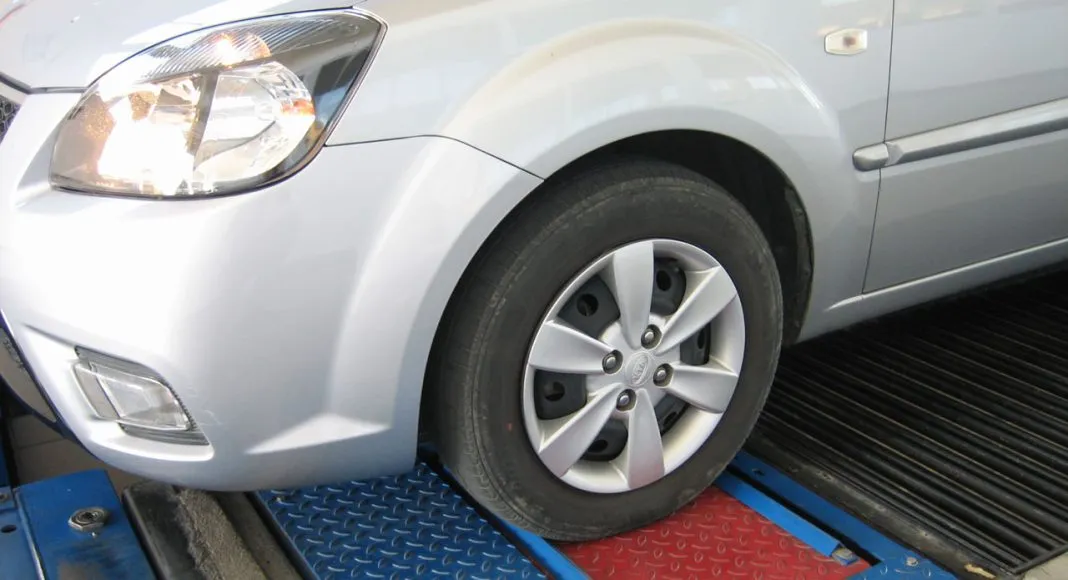
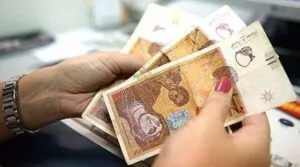
138,877,419 denars. That is the figure the Prosecutor's Office for Organised Crime and Corruption has put on paper as unlawfully acquired property in the case of falsified reports on fees collected during vehicle registration. In euros - 2.26 million.
The mechanism is so simple it hurts. A vehicle inspection company from the village of Kučevište, licensed since 2011, drew up false reports on the fees it had collected. So: the driver pays at the counter, the money genuinely comes in, but the report that goes to the institutions states a different figure. The difference stays with somebody else.
According to the investigation, this ran from 1 January 2021 to 20 January 2026. Five years.
Who was left short
This is not abstract damage to "the state". The prosecution broke it down by address:
The Public Enterprise for State Roads - 48,434,406 denars. Municipal budgets and utility fees - 83,371,988 denars. The Ministry of Environment - 5,585,098 denars. The Red Cross - 1,485,926 denars.
The Red Cross. A million and a half denars taken out of an organisation that uses that money to run first aid training and keep field services running.
The money did not move on its own
The most interesting part of the order is not the theft but the route the money took. The collected fees ended up in the accounts of an insurance brokerage - even though, as the Interior Ministry points out, the law allows only insurance premiums to be collected into a brokerage account. There they were mixed with regular income, moved between corporate accounts, and part of it went into buying property.
So this is not a man taking cash out of a drawer. This is a construction with an accountant who booked false data and filed tax returns that did not show the company's real position.
And then comes the hardest question
Among the suspects is the assistant director for finance at the Public Enterprise for State Roads. Her job was to control the collection of the fees and check the submitted reports. The prosecution claims she did not do that, and that she additionally informed the head of the inspection station about the amounts credited to the enterprise's account.
That is the difference between an oversight and a system. If reports went unchecked for five years, the question is not only who forged them - but how many other inspection stations in this country are sending in reports nobody opens.
Three people are in custody. Searches turned up 27,735 euros, 38,500 denars, 750 Swiss francs, 100 dollars, mobile phones and two vehicles. The prosecutor requested detention for three of them.
Five years of collection without control, and they were caught at the end of the fifth. Which post inside the state roads enterprise exists to stop this in the first?
The latest 10 news from this category
Father and son turned themselves in to police and handed over a pistol with an empty magazine. What the Interior...
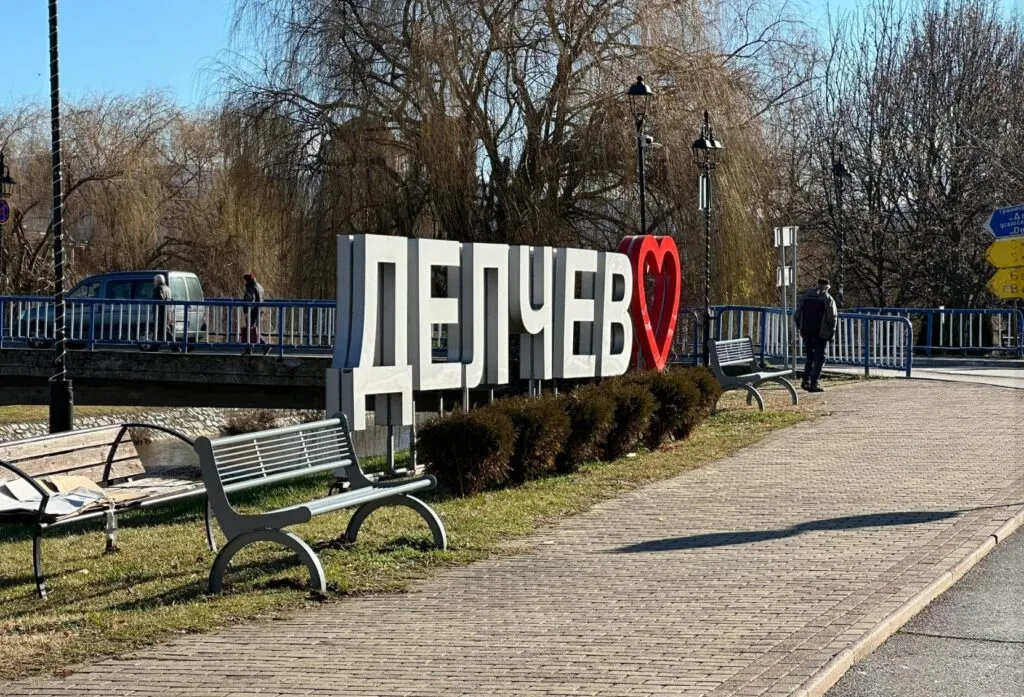
Next to the money, someone's ID card and passport were also lying in the street. The young man from Delchevo...
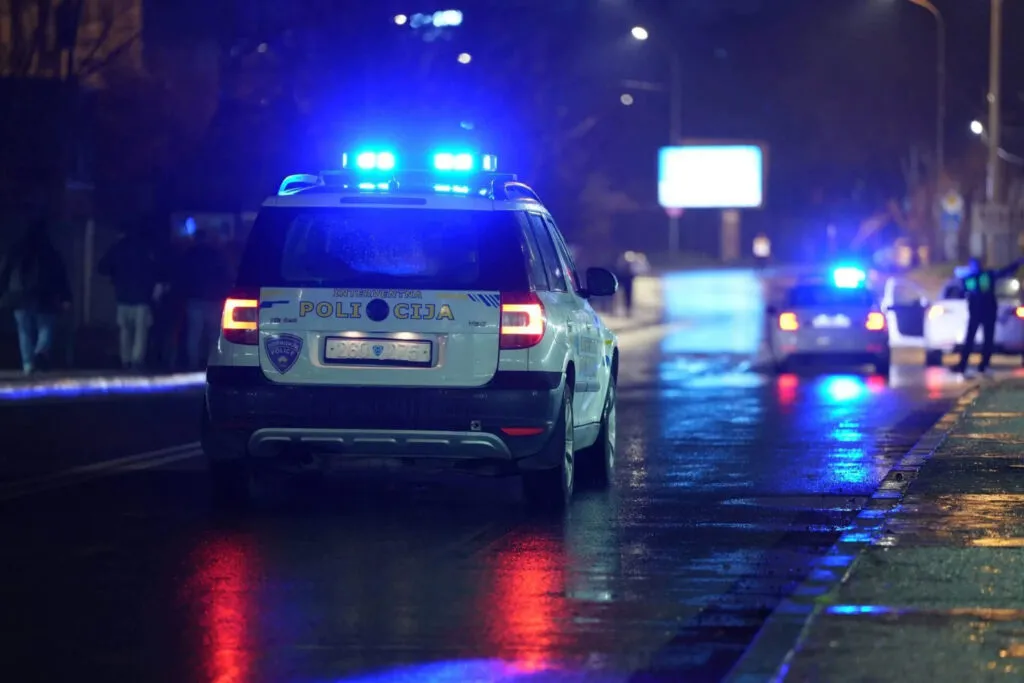
Two 19-year-olds, one with no licence, and a driver at 2.22 per mille who hit three boys and fled. Every...
The justice minister wants an independent judiciary and non-selective prosecutors. Meanwhile, the European Commission records that the share of citizens...
In Serbia the students won, and the leader of Macedonia's SDSM is already counting which government should fall next. No...

The heads of Macedonia's Public Security Bureau and Financial Police are among 16,000 police professionals in Orlando, at the invitation...
The power distributor is rebuilding the grid, while Vrtekica, Ramni Gaber, Pagarusha and part of Dolno Kolichani wait out the...
From the sewers on "Meri Boshkovska" to the detailed plan for Rasadnik - the neighbourhood's wish list is long. Now...
Paved walkways, a play corner with a tower and a little horse figure: the park has been announced. The price...
The Ohrid police reserve force had a live-fire exercise booked at the "Bejbunar" range for Sunday morning. The announcement went...
This site uses cookies - is that okay? Learn more
Be the first to know when Metla launches something new
Leave your email and we will write when there is a new guide or something new on Metla.