

НАУЧНИЦИТЕ ОТКРИЈА: ТАЈНАТА НА ПОБАВНОТО СТАРЕЕЊЕ МОЖЕ ДА СЕ КРИЕ ВО НАШИТЕ ЦРЕВА!
27.10.2026


27.10.2026

27.10.2026

27.10.2026
27.10.2026
27.10.2026

27.10.2026

27.10.2026
27.10.2026

26.10.2026

27.10.2026

27.10.2026

26.10.2026
27.10.2026

27.10.2026

27.10.2026

27.10.2026
26.10.2026

25.10.2026

27.10.2026

27.10.2026

27.10.2026

27.10.2026

26.10.2026
26.10.2026
27.10.2026
26.10.2026

24.10.2026

23.04.2026

23.04.2026

12.04.2026

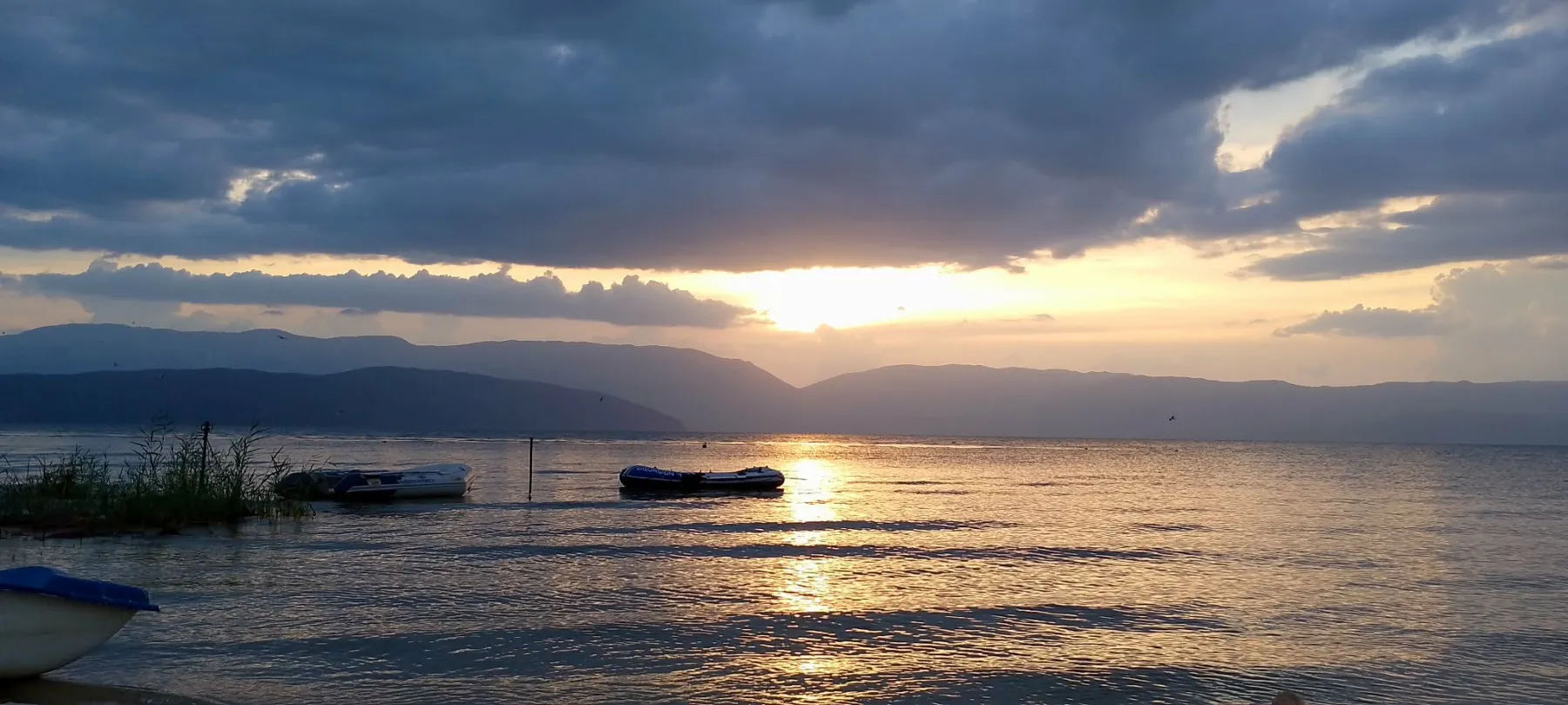
On 7 September the water level of Lake Prespa was 53 centimetres higher than on the same date last year. That is good news and it deserves to be said out loud - last year's wet season was exceptionally generous and pushed the level up by a full 111 centimetres. The problem is that a season like that happens once every fifteen years.
The rest of the figures in the water-level analysis are less pleasant. The dry period started about twenty days earlier this year - on 30 May, from a mark of minus 562 centimetres. From then to the start of September the lake lost 43 centimetres. That drop is within the average seasonal range, so no reason to panic. By early December, when the wet period usually sets in, another 20 to 25 centimetres are expected to go. The annual minimum will land somewhere between minus 620 and minus 630 centimetres.
Why 53 centimetres up is not a turning point
One good rainfall does not undo two bad years. Over the previous two seasons Prespa was losing 50 to 55 centimetres a year - nearly three times the multi-year average of around 18 centimetres. Which means the lake slid far below what the trend predicted, and has now simply come back to the line along which it was falling anyway.
The difference between "the lake is higher" and "the lake is recovering" is the difference between one good year and a changed trend. For the second outcome, wet seasons like last year's would have to repeat several years in a row - which the analysis considers unlikely.
Eight metres in fifty years
The long-term numbers show the real size of the problem. According to satellite data, between 1984 and 2020 Lake Prespa lost around seven percent of its surface area and almost half of its volume. Compared with the late seventies, the water level is more than eight metres lower.
Half the volume. Not half the surface - half the water it holds inside itself. That is not seasonal fluctuation, that is a lake disappearing in slow motion, slowly enough never to make the daily news and fast enough to be measured against a single human life.
Next winter is uncertain for another reason too. An El Nino is forming over the southern Pacific, the strongest in 150 years. Given the distance, the effect on the Balkans will be weak and hard to predict, but most climate simulations forecast a mild winter and spring - which usually also means less precipitation.
So: this year Prespa will not fall to a new century low. That is all that can be said with certainty. That the level is now 53 centimetres higher is exactly as true as the fact that it is eight metres lower than when the grandfathers of today's Prespa residents swam in it. Which of those two numbers the institutions will reach for when irrigation, concessions and water management plans come up for discussion - that is already a political question, not a hydrological one.
The latest 10 news from this category

Шеснаесет државни објекти заведени со вредност од само еден денар, имот вреден 140 милиони денари без соодветна документација, набавки од...

487 to 35 for Vučić in Kumanovo; in Serbia, the students won. In two Facebook posts the deputy prime minister...
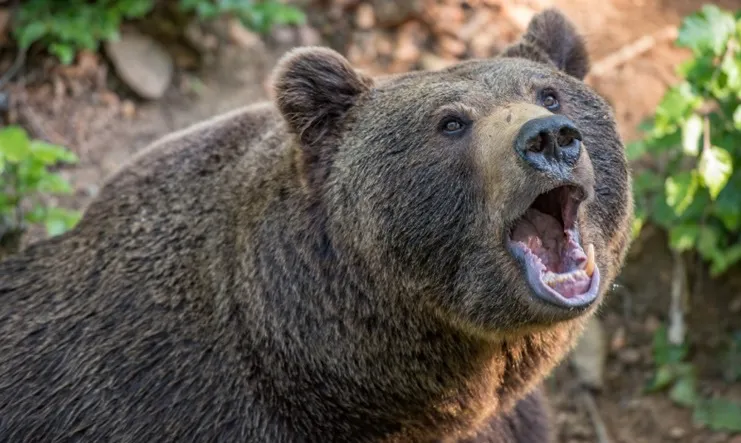
The brown bear is strictly protected and hunting it has been banned since 2009, while farmers in Vrapčište say clearing...

Ahead of the Constitution's 35th anniversary, the president says the preamble has been changed twice and the text is full...
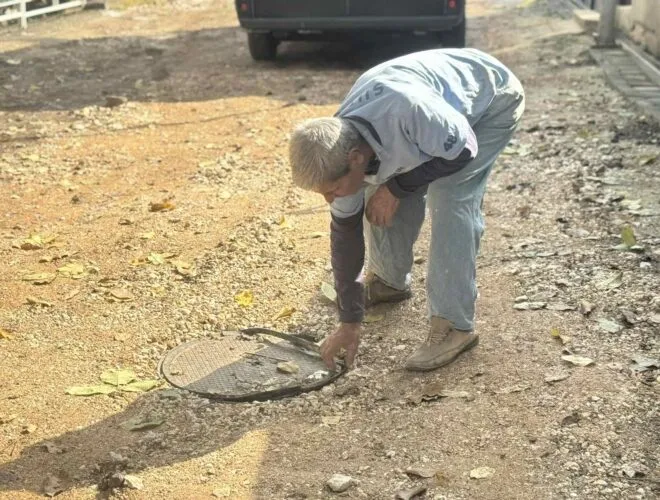
320 metres of pipe and 15 manholes on Sasa Street in Kisela Voda. Good news for the residents - and...

Lazar Banov asks where the greenery and parking went in Skopje's Centar. A fair question - but the answer, if...

Meetings with Gashi, Siljanovska-Davkova and Mickoski, talks with mayors and a visit to the Museum of Contemporary Art. The protocol...
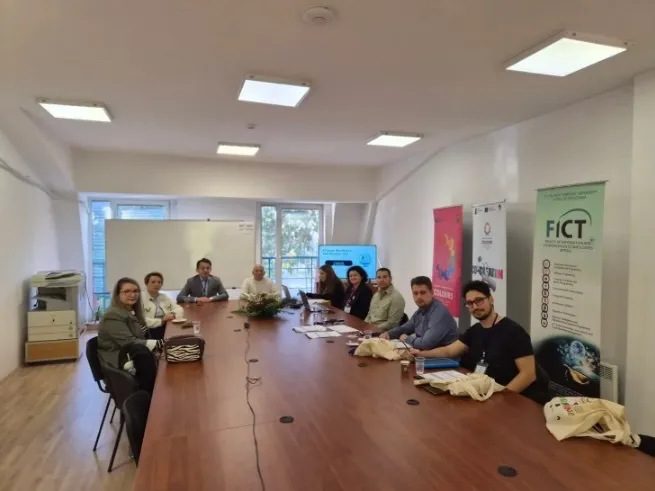
The CRIL project is part of the European COLOURS alliance. Good news for Bitola - the real test is whether...

The heads of Macedonia's Public Security Bureau and Financial Police are among 16,000 police professionals in Orlando, at the invitation...
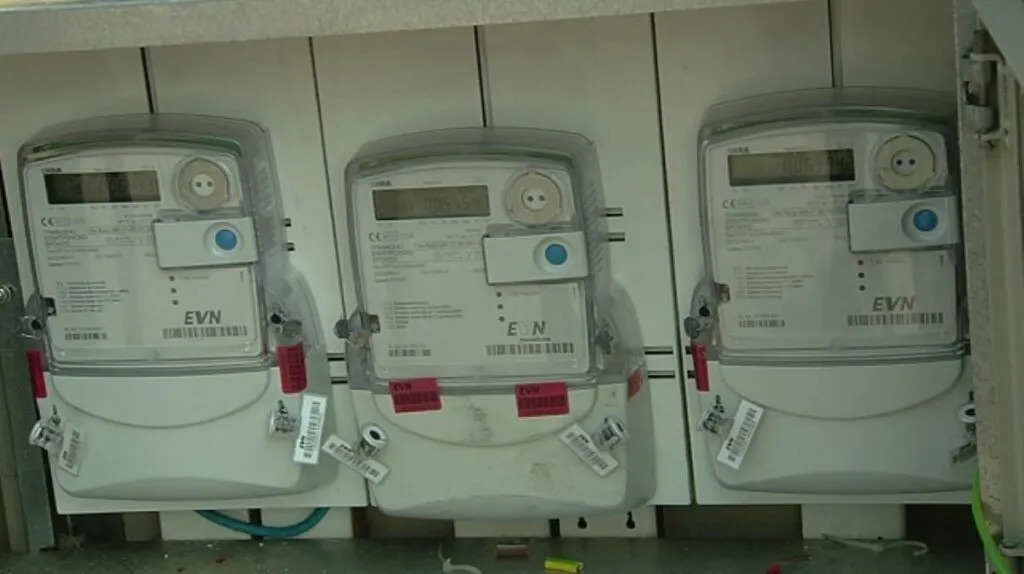
The power distributor is rebuilding the grid, while Vrtekica, Ramni Gaber, Pagarusha and part of Dolno Kolichani wait out the...
This site uses cookies - is that okay? Learn more
Be the first to know when Metla launches something new
Leave your email and we will write when there is a new guide or something new on Metla.