After 19 Months on the Run, Bajrami Handed Himself In at Blace at 5:35 AM: Same Crossing, Same Early Hour as Grubi
10.09.2026


10.09.2026

10.09.2026
10.09.2026
10.09.2026
10.09.2026

10.09.2026

10.09.2026
09.09.2026
08.09.2026

10.09.2026

10.09.2026

09.09.2026

10.09.2026

10.09.2026

10.09.2026

10.09.2026

08.09.2026

07.09.2026

10.09.2026

10.09.2026
10.09.2026
10.09.2026

10.09.2026

09.09.2026

09.03.2026

27.02.2026

19.02.2026

23.04.2026

23.04.2026

12.04.2026

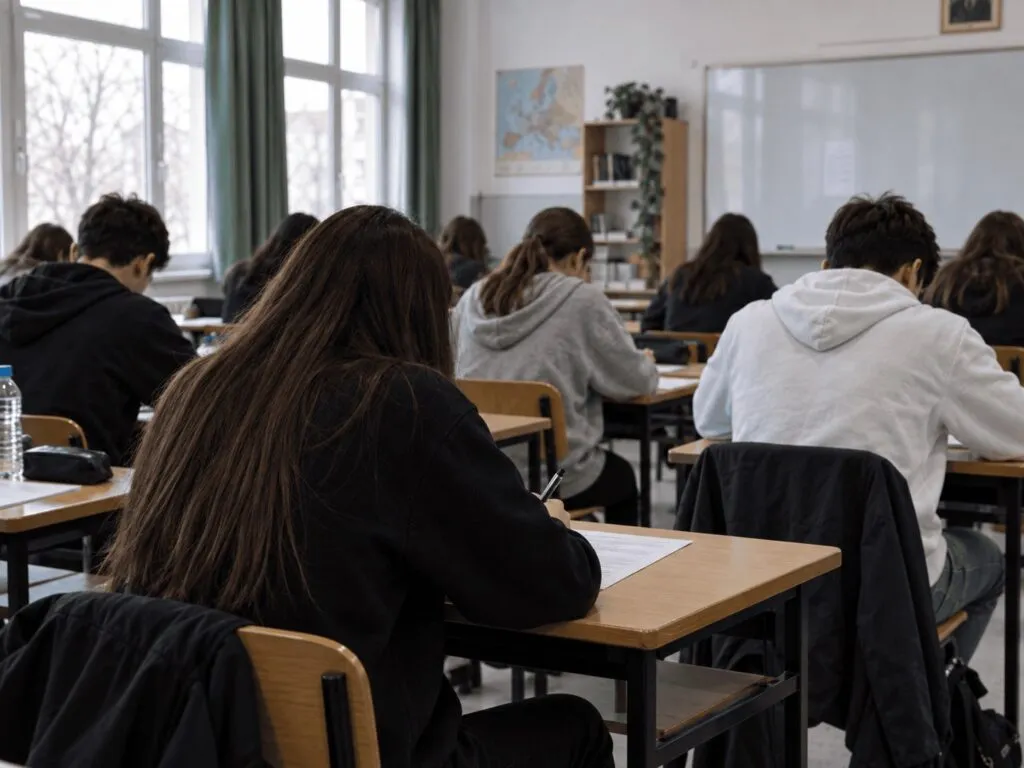
Twenty-six percent. That is how many Macedonian fifteen-year-olds reach level 2 in reading - the minimum PISA defines as functional literacy. The average across OECD countries is 69 percent.
In maths the figure is 32 percent against 65 in the OECD. In science, 36 percent against 74. In other words: three out of four fifteen-year-olds in Macedonia cannot reliably identify the main idea in a text of moderate length.
Level 2 is not a high bar. A pupil at that level should be able to find information against given criteria and, with clear guidance, reflect on the purpose of a text. In science, they should recognise the correct explanation for a familiar phenomenon. That is the baseline for reading a contract, a medicine leaflet, an election manifesto or an electricity bill. It is not an academic discipline - it is a condition for living independently.
Nobody at the top
Even more worrying than the bottom is what is happening at the top. In Macedonia there are no pupils who reached level 5 or 6 in science - the OECD average is 7 percent. In reading, the same: zero, against 6 percent in the OECD. In maths only 1 percent of pupils get to those levels, against an 8 percent average.
Levels 5 and 6 are the pupils who understand long texts, handle abstract concepts and tell fact from opinion when it is not spelled out. These are the future engineers, doctors, researchers, lawyers. A country that produces zero such fifteen-year-olds in science in a single round of testing is not dealing with an education problem - it is dealing with the question of whether anyone will be running anything in twenty years.
The gap between the strongest and weakest pupils widened further between 2022 and 2025 in all three areas.
The minister's answer
Education and Science Minister Vesna Janevska called the results "very bad", then immediately put up the fence: "These are the results of reforms carried out earlier. We came to power in 2024, and these tests were done just six months later, in 2025."
That is factually correct. A pupil who is fifteen in 2025 spent nine years in a system nobody in the current government designed. But the same logic has a flip side, which the minister stated herself: the results of the current reform will show in nine or ten years. So every minister inherits somebody else's result and leaves their own to somebody else. If everyone is right in that arithmetic, then nobody is ever accountable - and the system has been the same for two decades.
Janevska recalled that the country's best results came in 2018, which teachers and the analysis attribute to the "Cambridge" reform. That reform was later abandoned. The pattern in Macedonian education is not a shortage of reforms - it is that each incoming government scraps the previous one before it can show a result.
Phones, absences and artificial intelligence
Thirty-five percent of pupils said they had skipped at least one full school day in the two weeks before the test - against an OECD average of 22 percent. As many as 41 percent skipped at least one lesson, and 57 percent arrived late. In 2022 those shares were 28, 37 and 50 percent. So absence is rising too.
Pupils spend on average 1.5 hours a day on digital devices for learning at school - plus another 1.4 hours on devices for things unrelated to lessons. Those who reported that digital distraction disrupts their lessons score on average 22 points lower in science.
The minister, meanwhile, claims that "in a vast number of schools in Macedonia phones are not used throughout the entire day" and that children leave them in boxes. The pupils in the survey say something else - a third of them reported that classmates are regularly distracted by phones in most or all science lessons. Two opposing pictures of the same classroom, and only one of them has been measured.
Forty-four percent of Macedonian pupils use artificial intelligence to help with studying at least once a week - almost identical to the OECD average of 46 percent. Here we are at world level. The problem is that here the text-summarising tool has reached a pupil who does not have level 2 in reading.
And in the same week
On the same day the minister was commenting on the PISA results, she announced that the ministry is withdrawing the elective subject Comprehensive Sexuality Education for secondary school pupils, in order to carry out a "deep revision at the request of the public". The subject was optional and covered topics such as family, protection from sexually transmitted diseases, protection from unwanted pregnancy and gender equality.
There is a positive figure worth stating too: 80 percent of pupils say their teacher shows interest in their learning, 77 percent say the teacher keeps explaining until they understand. So teachers are working. The question left unanswered today is why none of that shows up in a single one of the three results.
The latest 10 news from this category
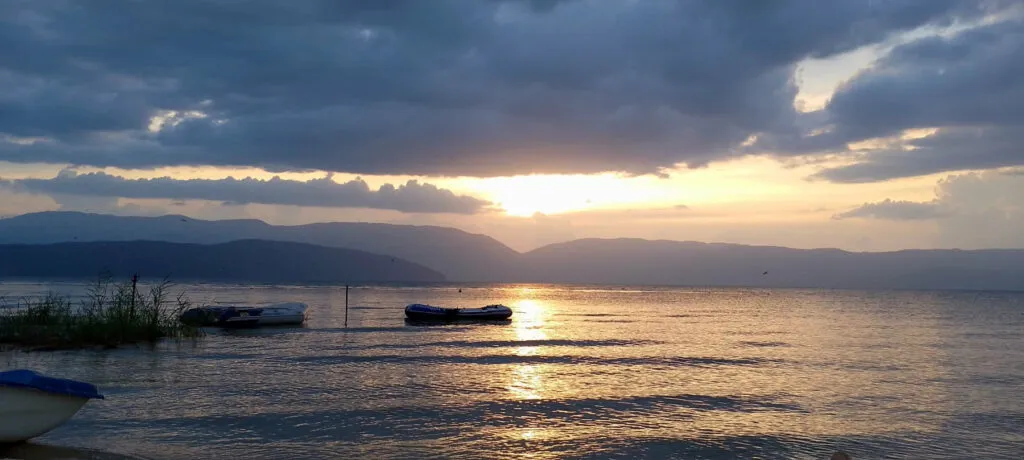
Heavy rainfall last season lifted the lake by 111 centimetres. That does not undo the fact that since 1984 Prespa...
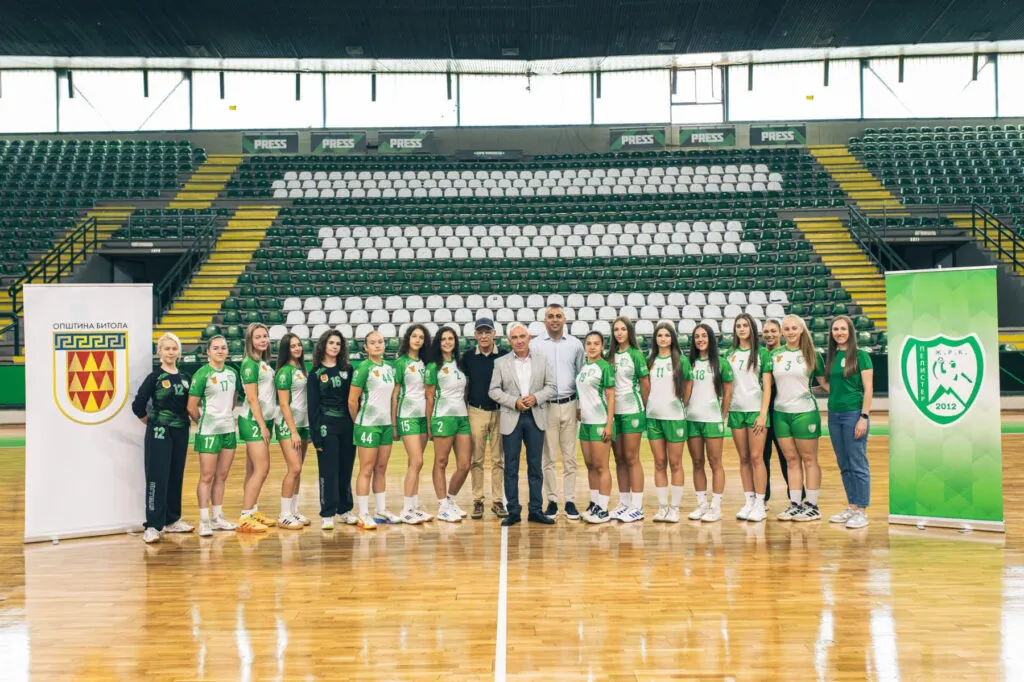
The municipality says the agreement does not mean a merger, a takeover, a split or any change to the club's...
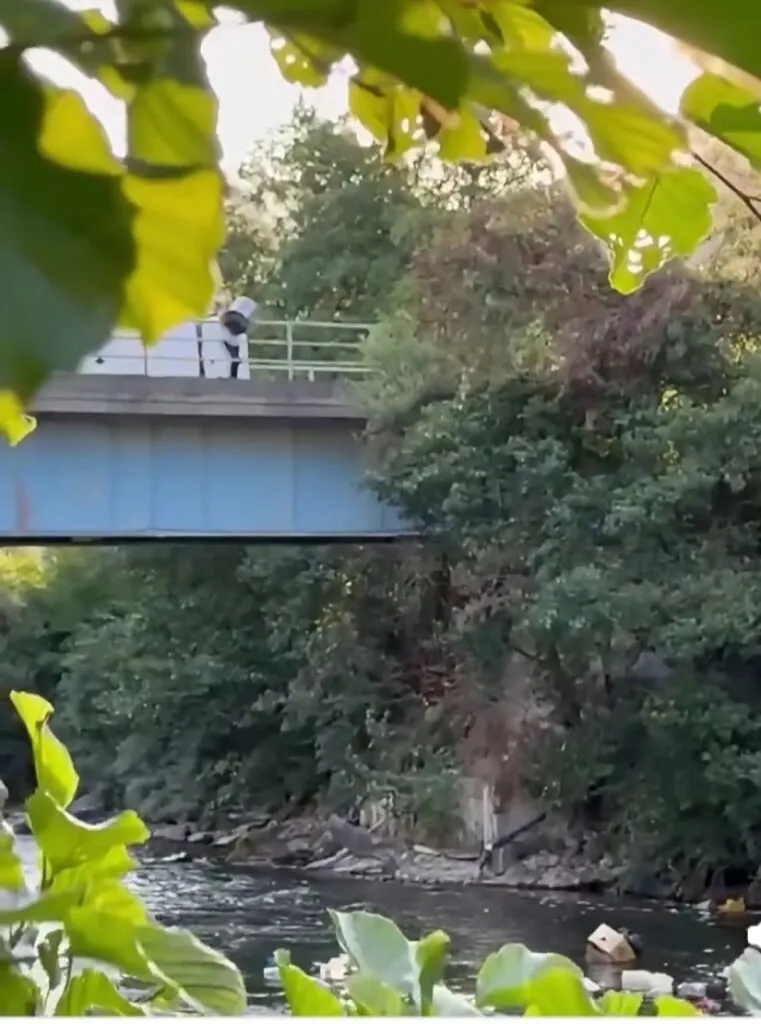
The footage was published by the Debar angling society Trofta, and the Interior Ministry then announced it was working to...
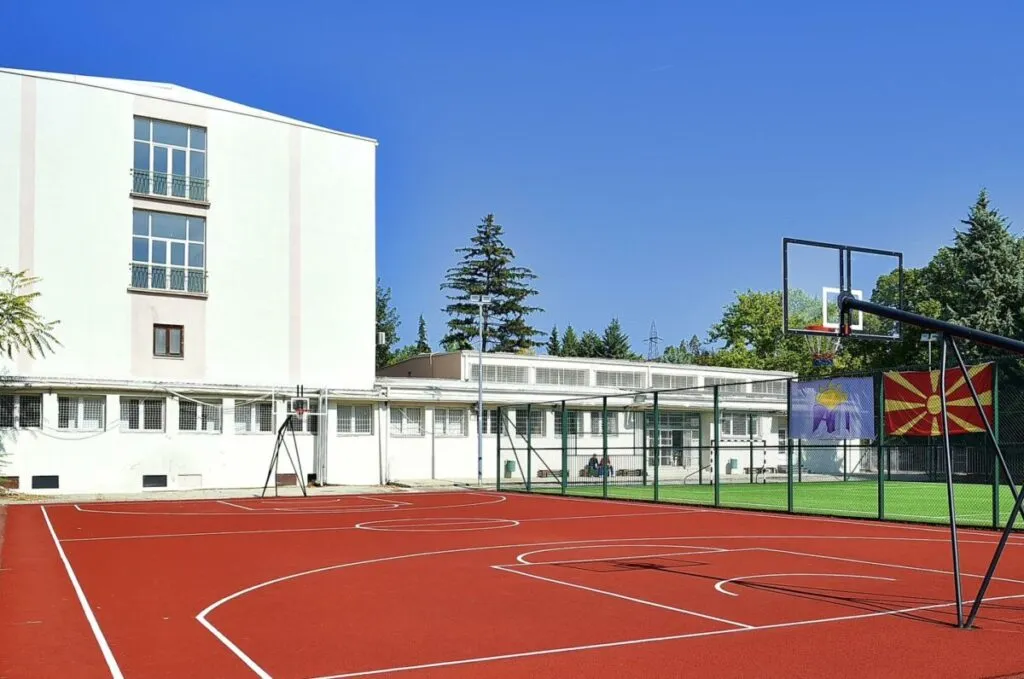
The inspectorate found serious violations, but what the report actually says the councillors never learned. The opposition claims the violations...

Mayor Gjorgjievski thanked the workers who spent the night on the ground. Their labour is the only item in the...
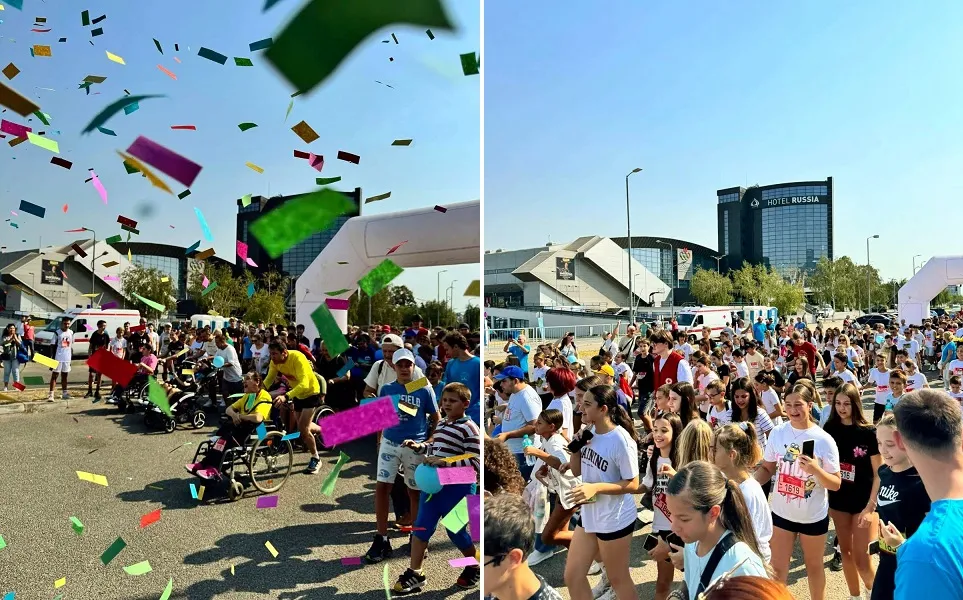
Every kilometre covered at No Finish Line Skopje goes towards helping the Kozle children's hospital. The format removes the barrier...
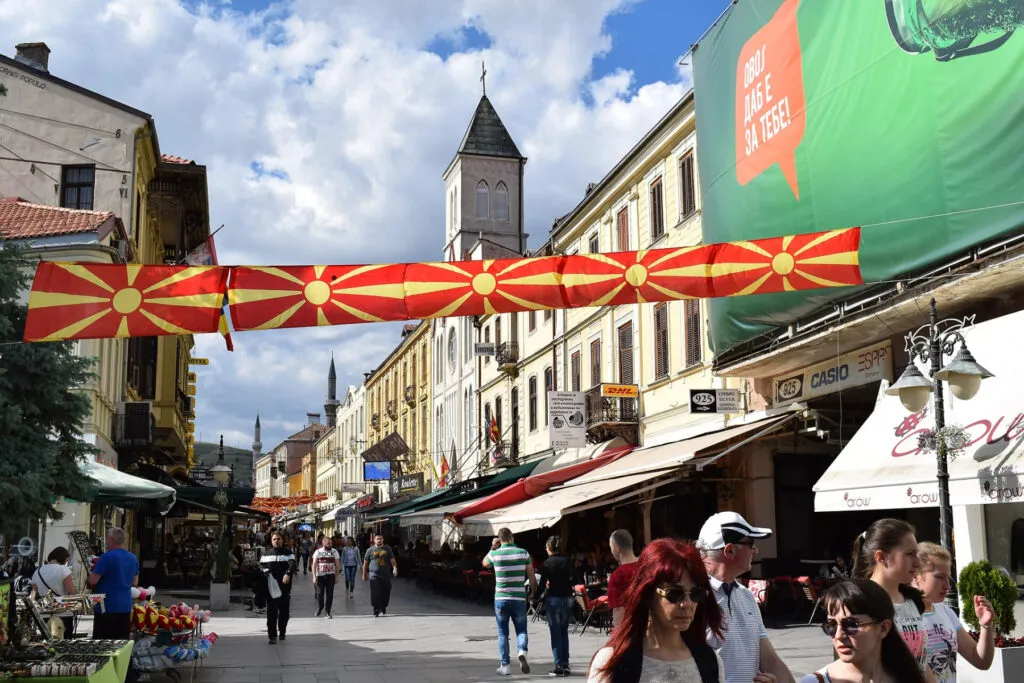
Konjanovski's report is full of figures - 10 kilometres of streets, 220 parking spaces, 96 million for the cinema. But...
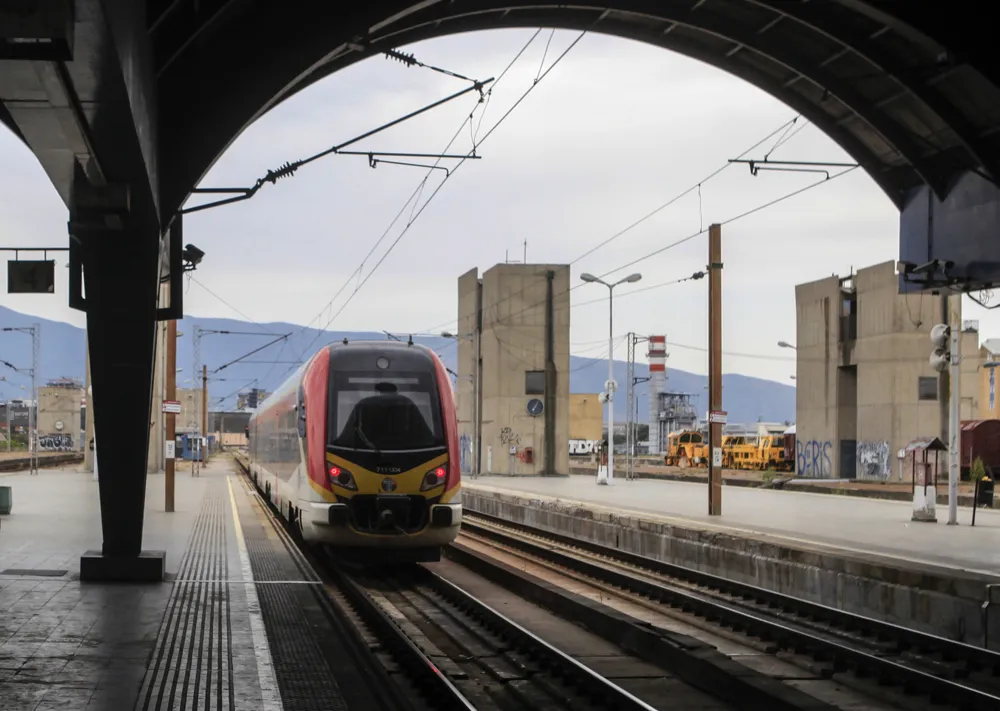
A monthly pass costs 1,850 denars, under 90 denars a day for the round trip. If rail is the fastest...
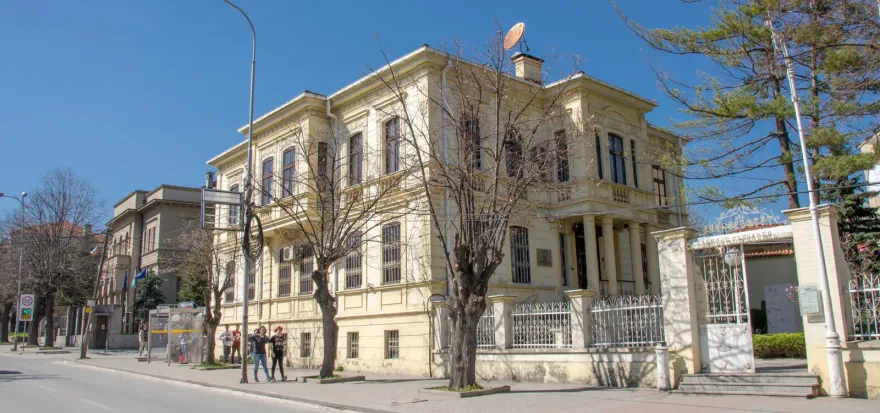
The emptiest is the Technical Faculty with 269 places, while two of its own programmes filled up in the first...

Local history remembers quietly, with a few bouquets and one speech. State history remembers with a stage and lights. The...
This site uses cookies - is that okay? Learn more
Be the first to know when Metla launches something new
Leave your email and we will write when there is a new guide or something new on Metla.