
Fifty-two fires in a single day: the flames reached houses in Bogomila, and the whole country has three air tractors
14.08.2026


14.08.2026

14.08.2026

14.08.2026

14.08.2026

14.08.2026

14.08.2026

14.08.2026
14.08.2026

14.08.2026
14.08.2026
14.08.2026

13.08.2026
14.08.2026

14.08.2026

14.08.2026

14.08.2026

13.08.2026

12.08.2026

14.08.2026

14.08.2026

14.08.2026

14.08.2026

14.08.2026

13.08.2026

09.03.2026

27.02.2026

19.02.2026

14.08.2026

13.08.2026
12.08.2026

23.04.2026

23.04.2026

12.04.2026
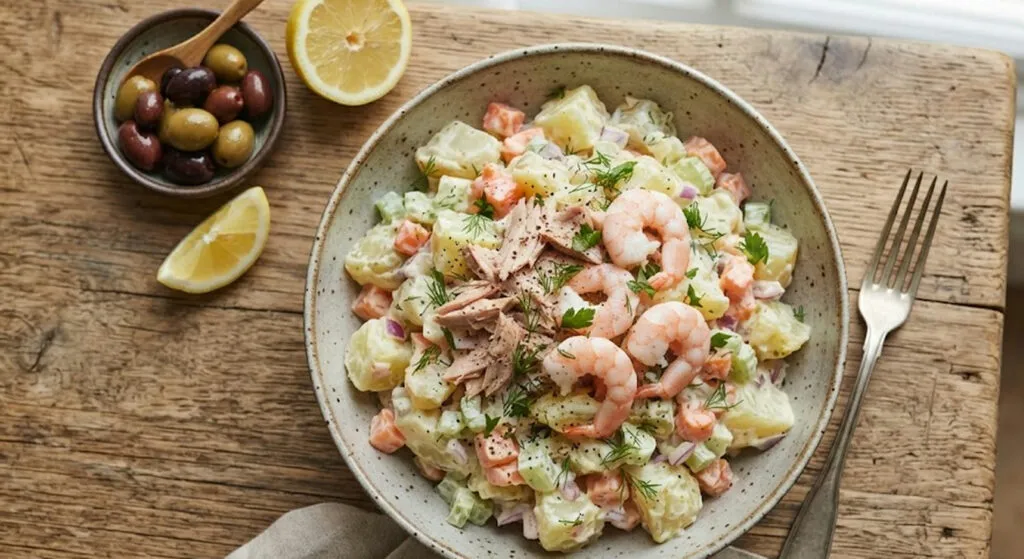
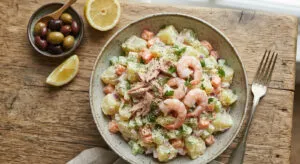
There is no official recipe for Russian salad and that is precisely its greatest strength. Every household makes it differently, everyone insists theirs is the correct one, and nobody can prove the other is wrong. Spanish chef Alberto Chicote admits this openly - and then explains how he makes it his own.
The difference in his version is not in the ingredients but in the liquid everything is cooked in. First he boils prawns in salted water with two bay leaves - one minute if they are fresh, a little longer if frozen. Then he peels them and returns the shells and heads to the same water to carry on simmering. That is the move. From there on, nothing is boiled in plain water.
Into that same stock go five carrots for around twenty minutes, then five medium potatoes for around forty - until a knife slides in without resistance. Once cooled, the carrot is cut into cubes of roughly six by six millimetres, the potato into small pieces. Two tins of tuna in oil are added, drained and torn apart with fingers, not a fork.
On the mayonnaise Chicote is unambiguous - homemade. Whole eggs in a blender, a little lemon and salt, a short blitz without frothing, then slowly a mild olive oil while blending. The acidity is adjusted with more lemon at the end. It is worth knowing the second half of that decision too: homemade mayonnaise means raw egg, which means 24 to 48 hours in the fridge and nothing more. With shop-bought mayonnaise the salad keeps a little longer, but after the second day the texture is no longer the same.
That leaves the question of how much mayonnaise. „I am a big mayonnaise lover and I like to add a fair amount, but if you want the salad more blended, you will need less of it and more mashing with a fork until everything breaks down”, he says. So the quantity is a choice between a salad where every piece is recognisable and a salad that is one mass.
From there it is an open field: gherkins, olives, peppers, hard-boiled egg, roasted red pepper or pomegranate seeds. None of it is compulsory and that is exactly why the recipe has survived.
Here we call this salad Russian and eat it mostly in winter, usually with whatever is to hand. The prawn version sounds expensive until you remember that the whole point is the water from the shells - the cheapest part of the dish carries the entire difference.
The latest 10 news from this category
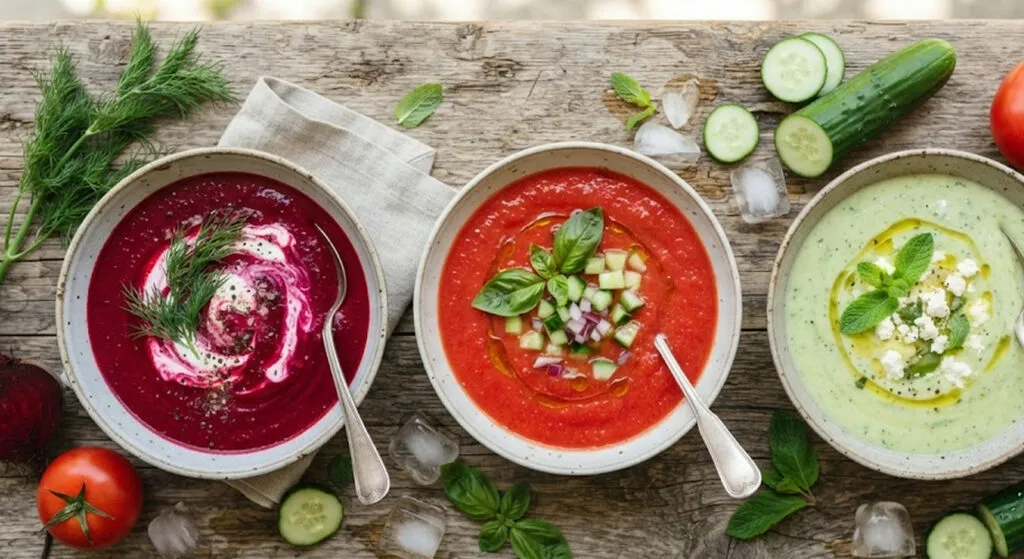
Minerals improve absorption, fibre releases the water gradually. A juicer removes it - and with it a large part of...
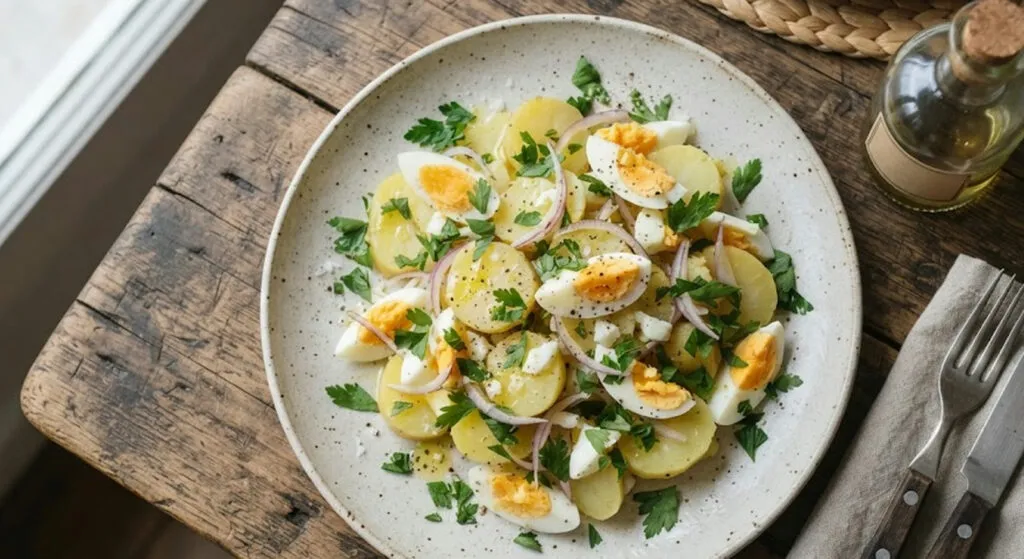
Warm potato absorbs the liquid, cold potato just carries it on the surface. When there is no sauce to hide...
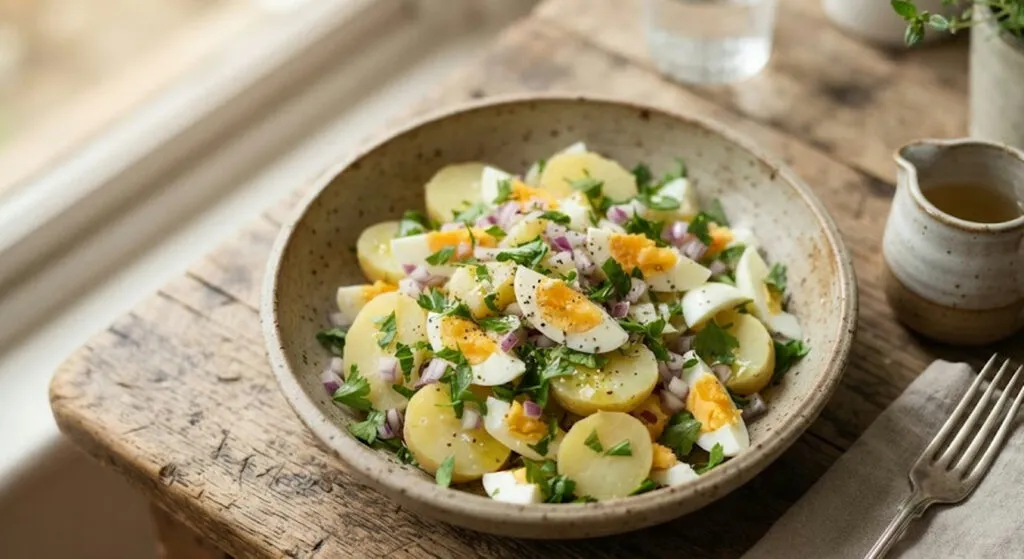
Warm potatoes, not cold. Whoever told you the salad should be chilled in the fridge first sent you in the...
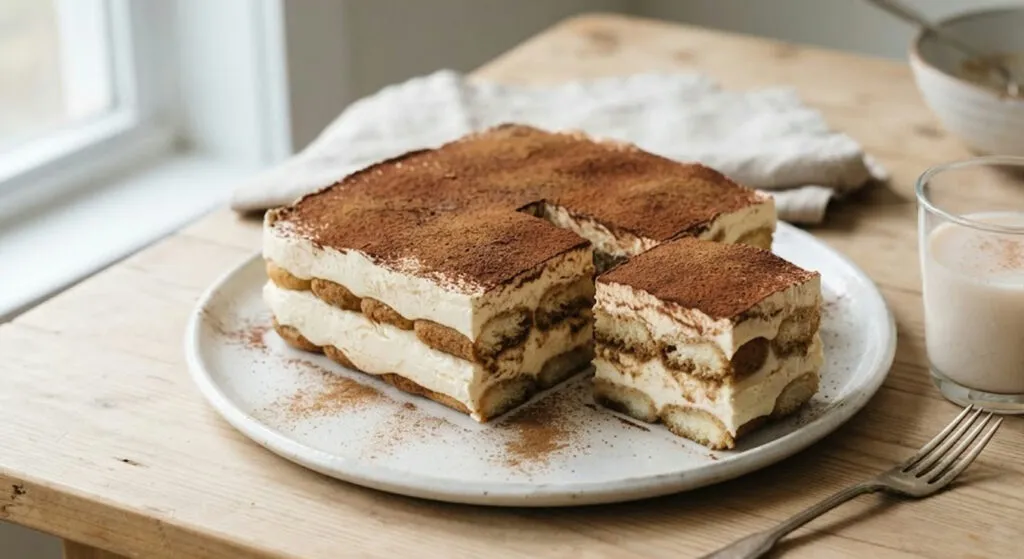
The story about the king who exclaimed „this is gold” is invented, but tiger nut really does contain neither gluten...
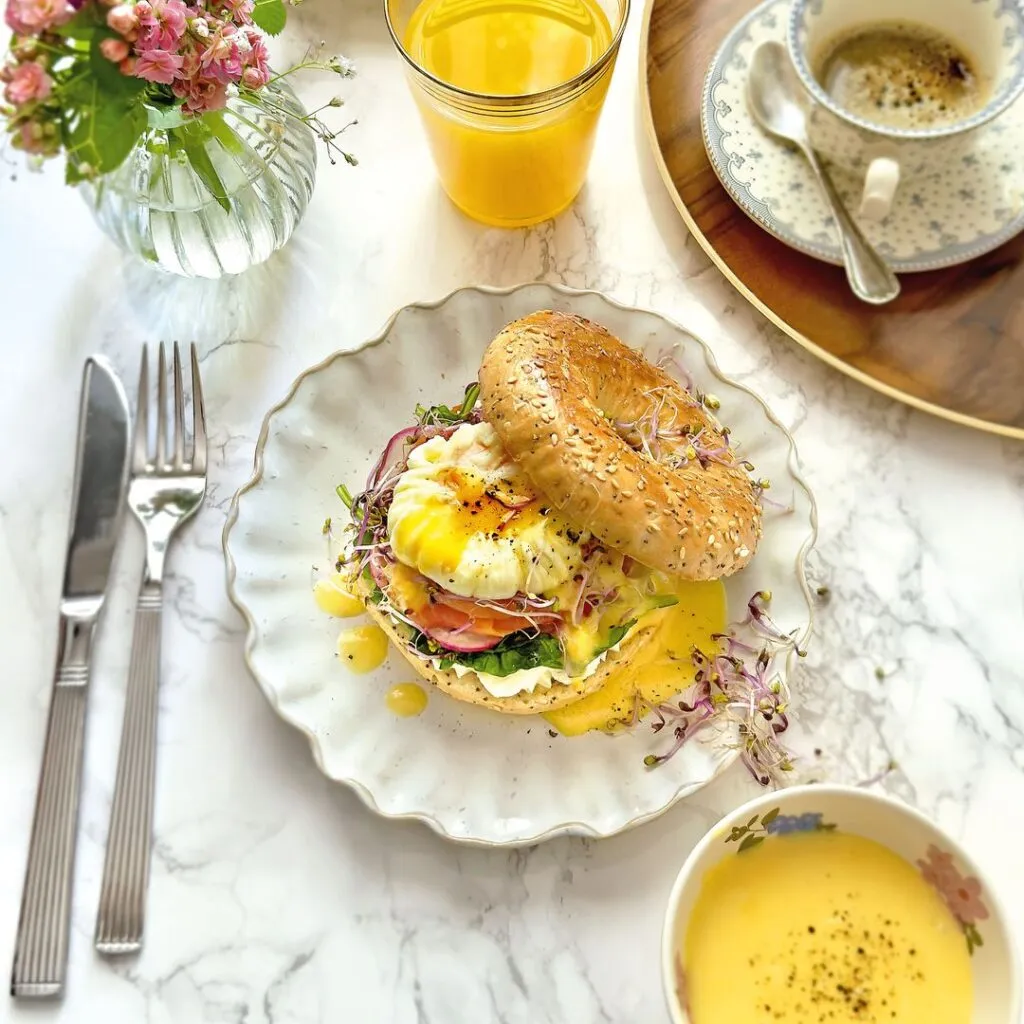
None of the three requires mastery, but all three fail in the same place. Full measures, timings, and the trick...
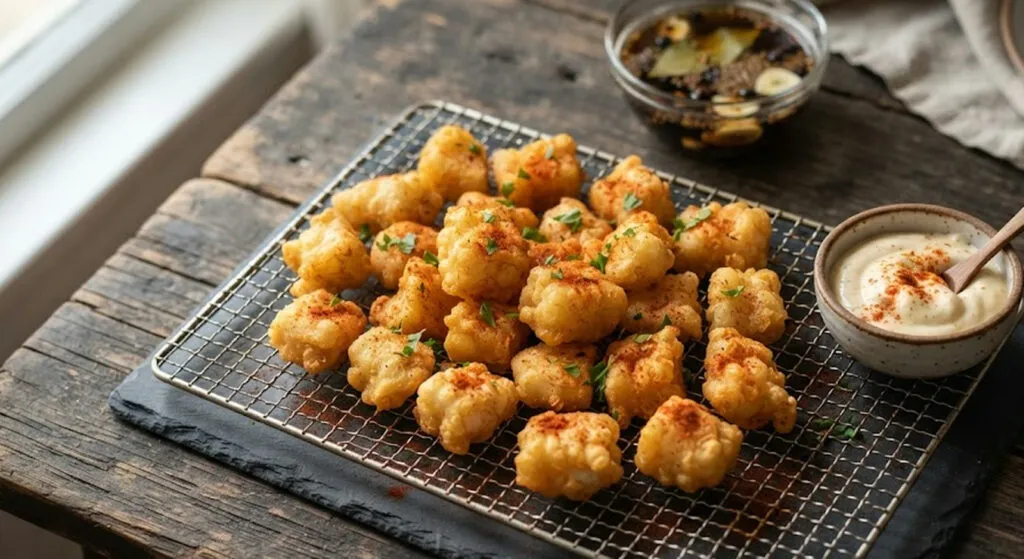
Two steps decide everything - the marinade is not rinsed off, and after frying the fish goes on a rack,...
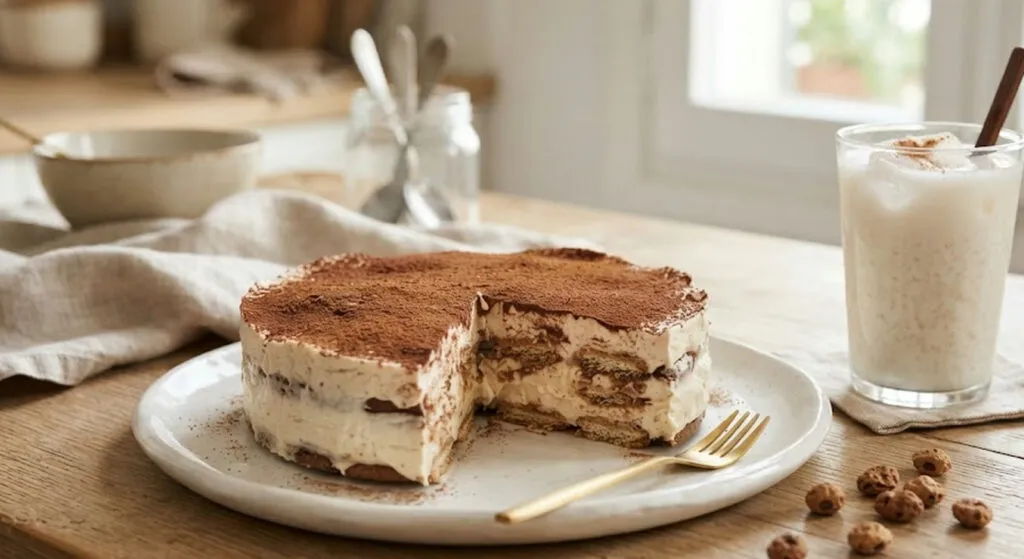
The hardest part is waiting eight hours without opening the fridge. And not holding the sponge fingers in for more...
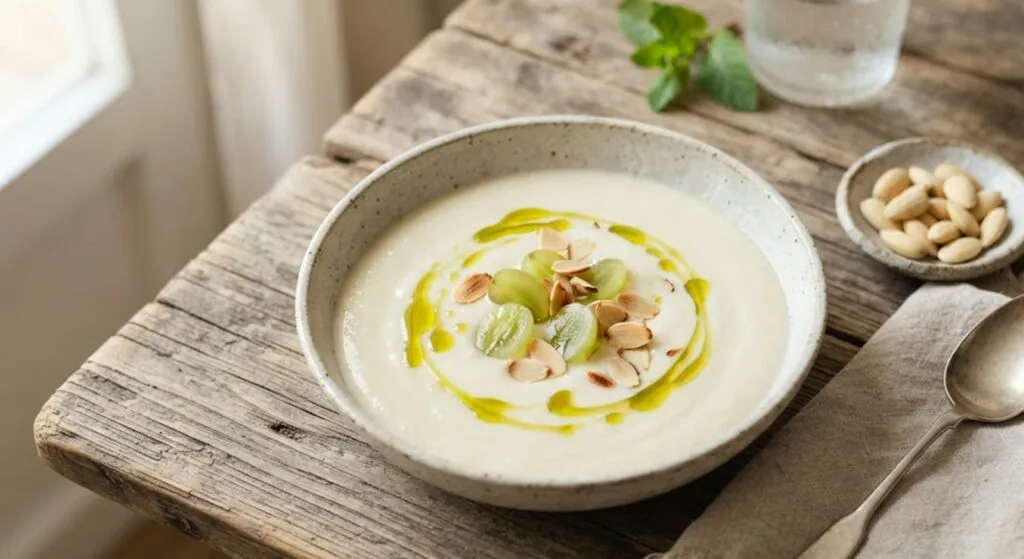
Almonds, bread and garlic - a technique from al-Andalus that survived seven centuries. Gazpacho and salmorejo are the younger versions.
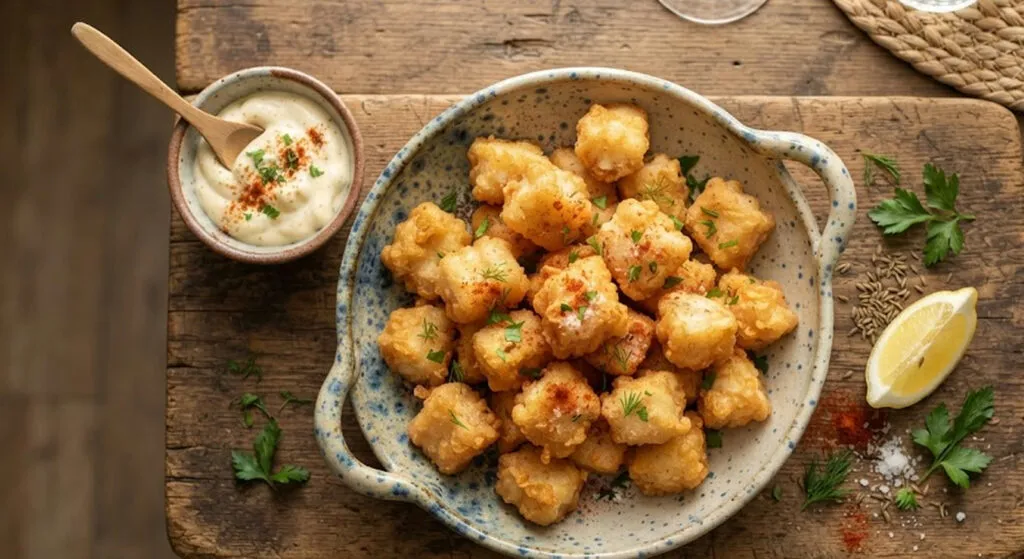
Cazón en adobo was not invented for pleasure but out of necessity - vinegar was the only refrigerator. The full...
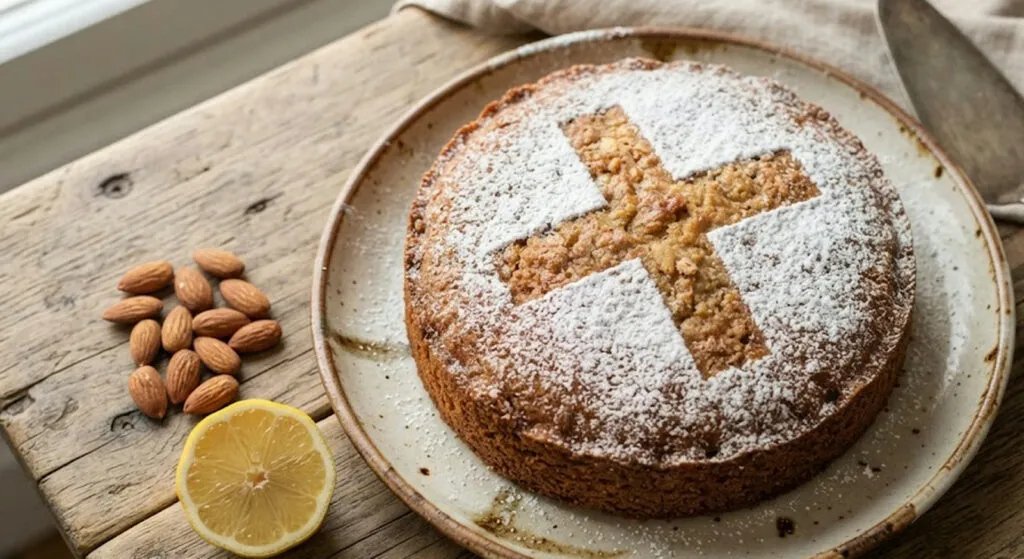
33 percent almond, 33 percent sugar, 25 percent egg - written into a protected designation. And the cross everyone takes...
This site uses cookies - is that okay? Learn more
Be the first to know when Metla launches something new
Leave your email and we will write when there is a new guide or something new on Metla.