Glasses and a Watch for a Heads-Up on Tax Inspections: Nine Charged With Bribery and Forgery Around Puls
27.10.2026


27.10.2026
27.10.2026

27.10.2026
27.10.2026
27.10.2026

27.10.2026

27.10.2026
27.10.2026

26.10.2026

27.10.2026

27.10.2026

26.10.2026

27.10.2026

27.10.2026

27.10.2026

27.10.2026

26.10.2026

25.10.2026

27.10.2026

27.10.2026

27.10.2026

27.10.2026

26.10.2026
26.10.2026
27.10.2026
26.10.2026

24.10.2026

23.04.2026

23.04.2026

12.04.2026

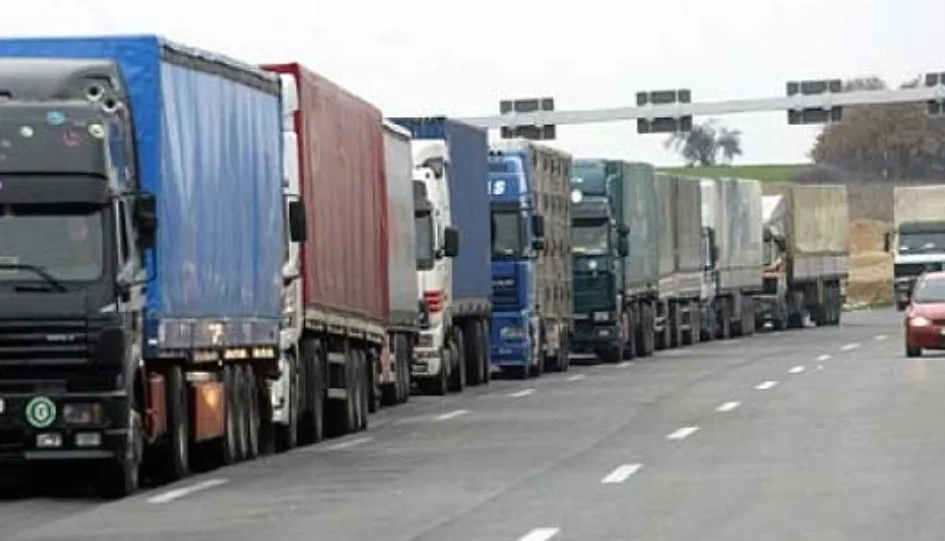
The State Statistical Office has published foreign trade data for January to July. Exports stand at 5.1 billion euros, up 8.4 percent. Imports stand at 7.2 billion euros, up 7.9 percent.
Both figures are growing. That is good news right up to the moment you notice they are growing from different bases.
Import coverage by exports is 70.9 percent. The trade deficit reached 2.44 billion dollars.
One place where the number hurts
Over seven months, food exports from Macedonia came to 331.6 million euros. In the same period we imported food worth 656.6 million euros.
Twice as much food imported as exported, in a country that has Pelagonia, Tikveš, the Strumica valley and Ovče Pole. That is not a data point about global trends - it is a data point about what we have stopped producing for ourselves.
What we actually export
The top of the export list has been consistent for years: catalytic converters on precious metal supports, ignition wiring sets for vehicles, aircraft and ships, and seat parts.
Those are products of foreign factories in the technological-industrial zones. Macedonian export statistics are in large part the statistics of somebody else's production cycle passing through our territory.
The best confirmation is the import list. Top of it is platinum and platinum alloys, unwrought or in powder form. In other words: the raw material comes in as platinum and leaves as a catalytic converter. The difference in value is our contribution - and it is real, but smaller than the export figure suggests.
Who we trade with
Germany, the United Kingdom, China, Greece and Serbia account for 49.4 percent of total trade volume. EU member states - 58.7 percent.
So nearly three fifths of everything entering and leaving this country passes through one economic zone. That is fine as long as that zone is trading. When Germany sneezes, we feel it in the export figure the following quarter.
And one detail about reading statistics
The same report, read in dollars, shows export growth of 13.9 percent. Read in euros - 8.4 percent. Read in denars - 8.45 percent.
The difference is exchange rate, not production. Next time somebody hands you a figure for export growth, the first question is not how much - but in which currency.
The latest 10 news from this category
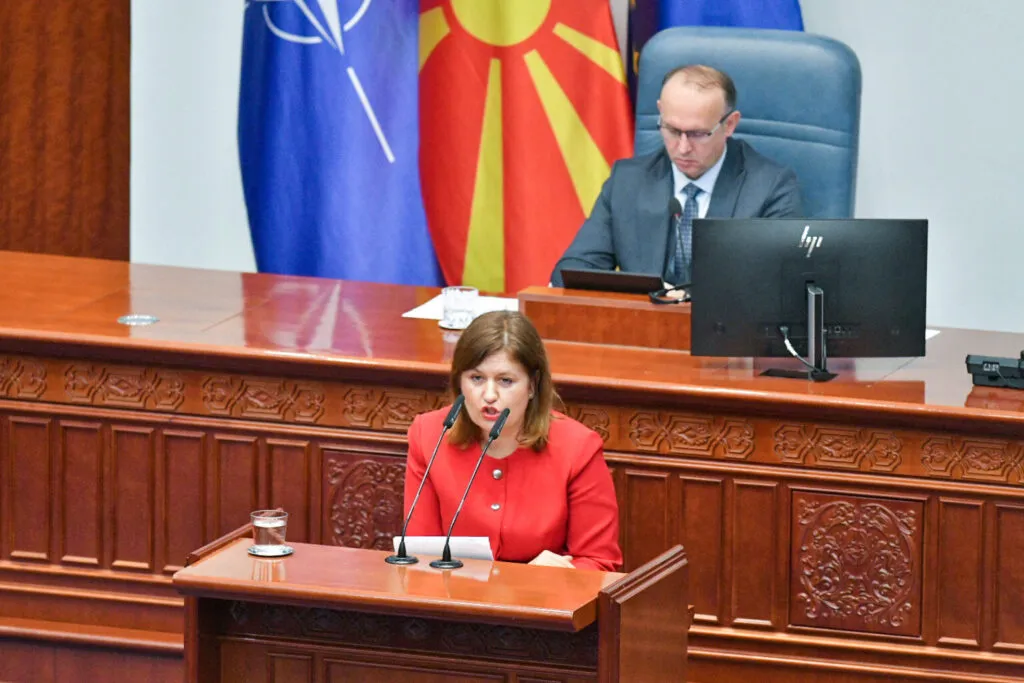
Levica filed it, SDSM backed it, the majority voted it down. The minister says she built her ministry "from scratch"...
AI hyperscale data centres draw hundreds of megawatts, the biggest over 1,000. The government is negotiating with five or six...

The company that warns its technology could be dangerous for humanity is now asking the stock market for money. The...

Nearly a billion dollars in two years, for a kit that drives the excavator instead of a person. The company...

The platform of short clips now wants videos as long as a film. There's just one question without an answer:...
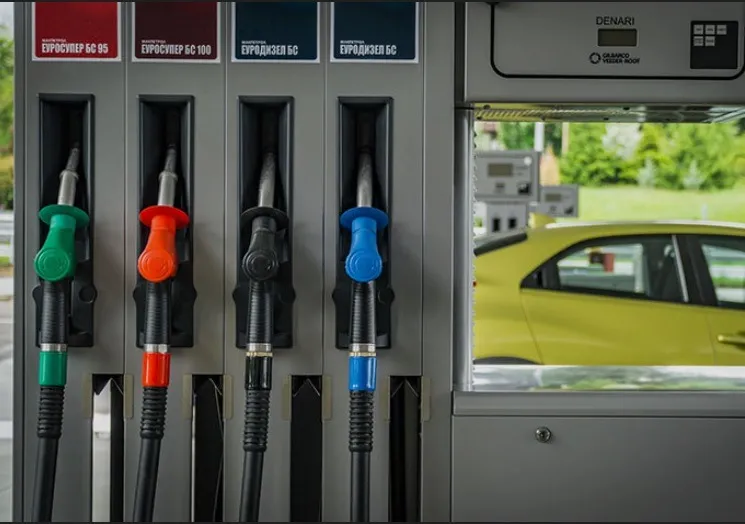
Oil went up about six percent in a week, and diesel in Macedonia is already more expensive than both grades...

The deputy prime minister is promising a satellite network and lower bills on Facebook, "from the information I have". All...
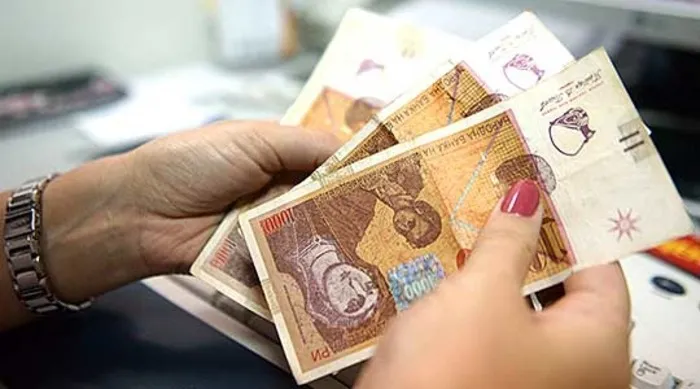
The average August wage jumped to 48,733 denars, but the holiday bonus is calculated from a three-month average. Exactly how...

A 1,000-person pilot showed that 80 percent of the first users weren't engineers. Nobody is saying how much Uber pays,...
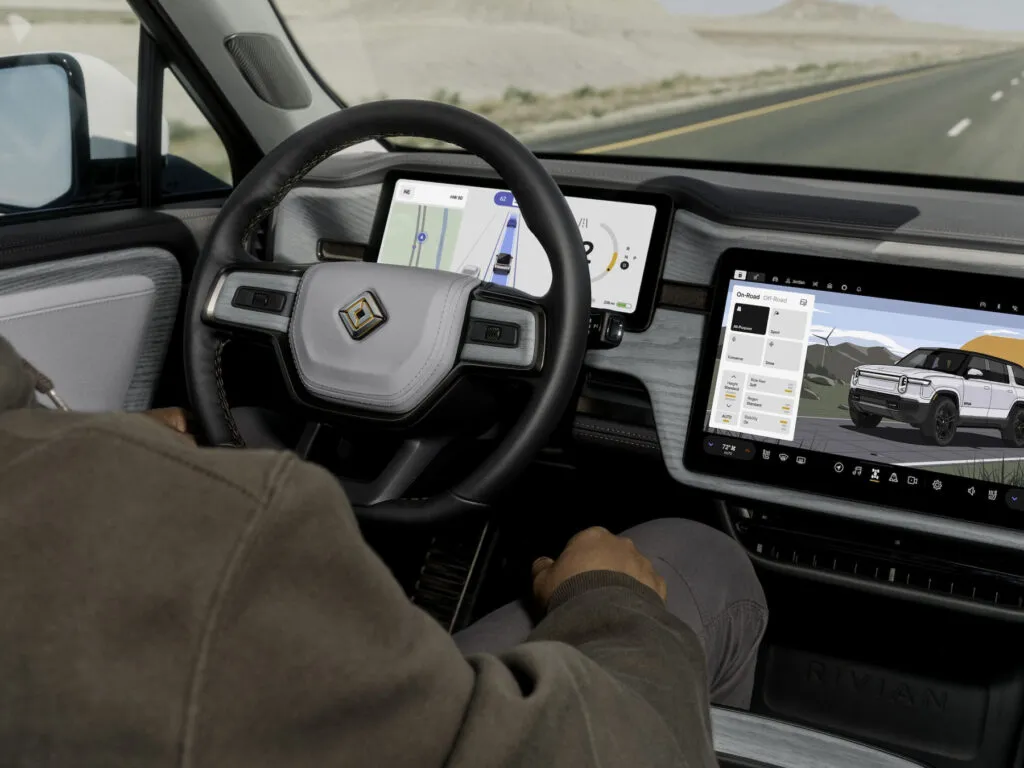
Every day Rivian receives more than 400,000 recorded scenes from its customers' cars. Now it also has a tool that...
This site uses cookies - is that okay? Learn more
Be the first to know when Metla launches something new
Leave your email and we will write when there is a new guide or something new on Metla.