
34 fires in 24 hours: three still burning, and the warnings put out nothing
09.09.2026


09.09.2026

09.09.2026

09.09.2026

09.09.2026

09.09.2026

09.09.2026

09.09.2026
08.09.2026

07.09.2026

09.09.2026

08.09.2026

08.09.2026

08.09.2026

08.09.2026

08.09.2026

08.09.2026

07.09.2026
06.09.2026

09.09.2026

09.09.2026

09.09.2026

09.09.2026

09.09.2026
08.09.2026

09.03.2026

27.02.2026

19.02.2026

23.04.2026

23.04.2026

12.04.2026

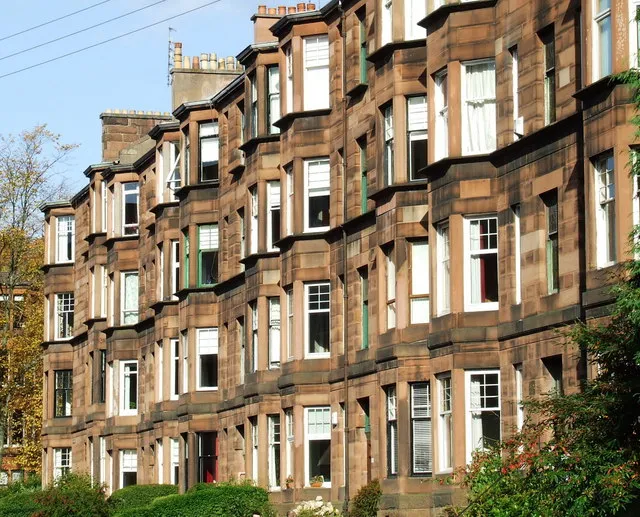
The headline circulating through European media this week says that over 70 percent of Europeans cannot afford their own flat. That is not what the study says. The difference is not cosmetic - it is the difference between panic and data.
What the study actually establishes is that more than 70 percent of the European population lives in regions where the average income, even with a 30-year mortgage, does not allow the purchase of a home larger than 75 square metres. Not "no flat". Not "no loan". But: not over 75 square metres, in that region, on that income.
The research is by Franziska Zilker and Selim Banabak of the Technical University of Vienna, published on 2 September this year in the scientific journal "Journal of Maps". It is not a survey - the authors analysed more than 22 million valid sale and long-term rental listings across 31 European countries, collected from March 2024 to March 2025, and cross-referenced them with regionally adjusted disposable income data.
The methodology is what makes the study valuable. Instead of declaring a city expensive or cheap, it asks how much living space can realistically be financed on the average income in that specific region. The model is a 30-year mortgage, the calculation includes taxes and mandatory transaction costs, and the overburden threshold is set at spending around a third of income on housing.
Renting offers no way out. According to the same analysis, more than 39 percent of the population lives in areas where a third of the average income buys less than 50 square metres on the private rental market. In parts of rural Europe the problem is different and worse - a formal long-term rental supply barely exists at all.
The geography of the pressure is predictable and that is exactly why it matters. It is strongest in capitals, large urban centres, coastal tourist areas and Alpine regions. The areas around Paris, Berlin and Madrid are among the examples where high local incomes are no longer enough to offset rising prices. That is the key: these are not poor regions, these are regions where a good salary no longer means a roof.
The other figure doing the rounds comes from Deutsche Bank Research's "Mapping the World's Prices 2026" report, according to which a square metre of flat in central Zurich reaches an average of 22,910 euros. That report compares 69 major world cities, 28 of them European - and it refers to central urban markets, not to a national average. Anyone pulling that number out as "the price in Switzerland" has not read the report.
The consequence runs far beyond the property market. When a working person cannot live near where they work, travel time and costs rise, families are pushed towards the periphery, and ownership increasingly depends on inheritance, family help or two stable incomes in the household. Owning a home stops being the result of work and becomes a question of origin.
The Balkans read this map with a particular feeling. Here, owning a flat was for decades the measure of adulthood - you leave your parents' home when you buy your own. If that model is already cracking in the regions with the highest incomes in Europe, it is worth asking on what income it is being defended here.
The latest 10 news from this category

The largest round ever by a European tech firm is led by Samsung, and Macron called it a third way...

The queue for putting cargo into orbit is growing faster than the capacity, and one supplier holds almost all of...

A consultant paying 200 dollars a month could not get an itemised bill for his own usage. When he asked...

The headline number is low. But year on year recreation went up 8.8 per cent and food 1 per cent...
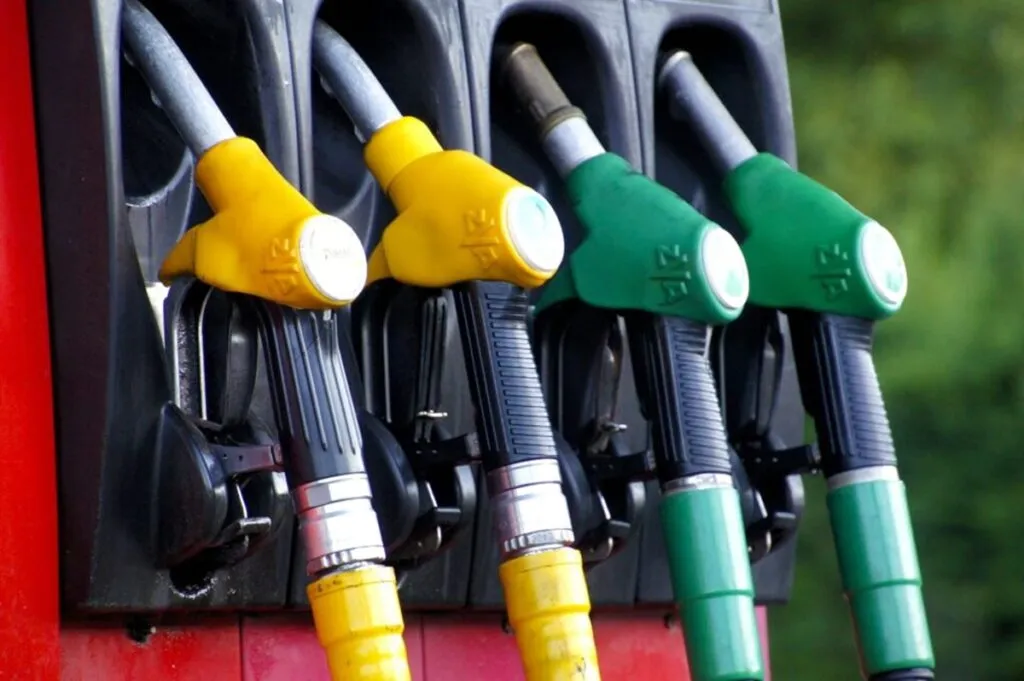
Extra-light heating oil went up by 8 denars and reached 105 denars a litre. That is the fuel some households...
Nikoloski called it the highest quarter on record. The growth comes from projects set up in 2024 - which means...
Opendoor's founder raised 25 million dollars for an app that tells construction workers whether they installed something correctly. What the...

They set off at three in the morning, reached the summit at seven in the evening, spent the night in...

The head of Google Photos boasted about an agent for her 143,206 photos. The feature applies only to paying users...

Prices up over 60 percent since 2013, short-term rentals up 93 percent since 2018. The Commission presents its Affordable Housing...
This site uses cookies - is that okay? Learn more
Be the first to know when Metla launches something new
Leave your email and we will write when there is a new guide or something new on Metla.