34 fires in 24 hours: three still burning, and the warnings put out nothing
09.09.2026


09.09.2026

09.09.2026

09.09.2026
09.09.2026
09.09.2026

09.09.2026

09.09.2026

08.09.2026

07.09.2026

09.09.2026

08.09.2026

08.09.2026

08.09.2026

08.09.2026

08.09.2026

08.09.2026

07.09.2026

06.09.2026

09.09.2026

09.09.2026

09.09.2026

09.09.2026

09.09.2026
08.09.2026

09.03.2026

27.02.2026

19.02.2026

23.04.2026

23.04.2026

12.04.2026

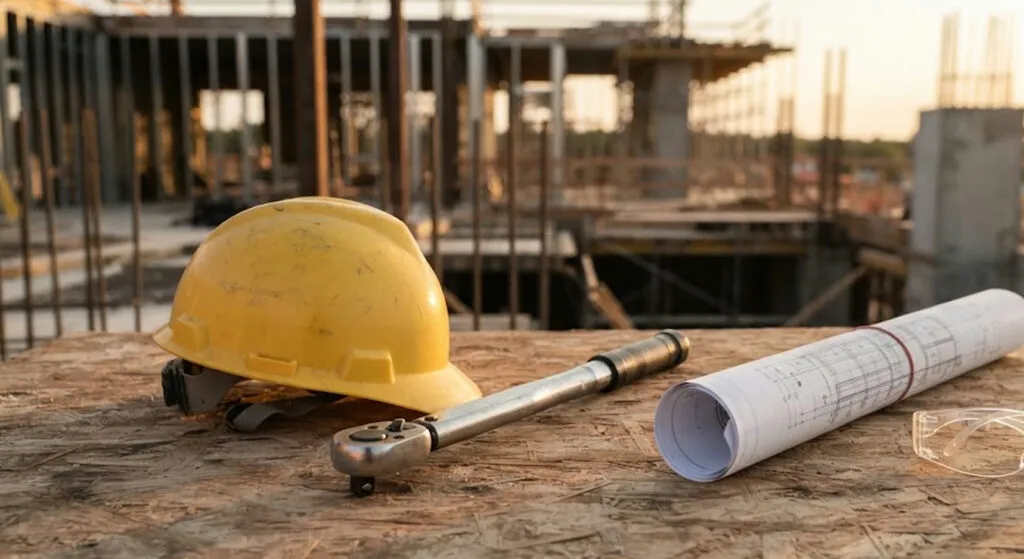
Opendoor founder Eric Wu left his own business in 2022 when interest rates jumped and house sales in America stalled. Three years later he came back with a new company and with a sentence that captures the entire current investment cycle: "I knew that if I looked back in ten years and had not done something connected to this, I would most likely regret it."
That "something" is called NavigateAI, and it is software that whispers to construction workers. A worker points a camera at what he is building and asks in plain language - is this installed correctly, is the torque right, does it meet code. The app runs on a phone, but the real idea is for it to run through Meta's smart glasses, so the hands stay free. The company is even negotiating for Meta's glasses to get safety certification for sites where protective eyewear is mandatory.
The number holding the whole story together is not technological but demographic. The American association of construction contractors calculated that this year alone around 349,000 workers are missing to keep pace with demand. The workforce is ageing, deportations are draining it, and at the same time projects are being planned on a scale the industry does not remember.
This is where the data centres come in. When people talk about them, they talk about electricity and billions - almost never about people. Yet a large campus that used to need around 750 workers at peak construction now needs 4,000 to 5,000. Meta's Hyperion campus in Louisiana is reported to require around 5,000 construction workers, and 6,400 people worked on OpenAI's Stargate site in Abilene, Texas. The staffing company Kelly says 90 per cent of data centre operators now cite the shortage of workers as the key obstacle to building or expanding.
NavigateAI came out of stealth in May with 25 million dollars (around 23 million euros) in seed funding at a valuation of 225 million dollars. The round is led by Elad Gil and includes Khosla Ventures, Fifth Wall, construction giant Lennar, Tishman Speyer, electrical contractor Helix Electric and a string of individuals including Tony Xu of DoorDash, Apoorva Mehta of Instacart and Coinbase chief executive Brian Armstrong. Gil was an investor in Opendoor. Keith Rabois of Khosla Ventures is a co-founder of Opendoor. The network closes into a circle, as usual.
The most interesting part is the billing model, because it reveals where the money actually moves. The company started with classic usage-based pricing and is shifting new contracts to a share of the savings created. If NavigateAI helps a builder drop the cost of a house from 300,000 to 280,000 dollars, the company takes around 20 per cent of that 20,000 difference. Wu says Lennar spends around 9 billion dollars a year on labour and installation, so even a five to ten per cent improvement means hundreds of millions.
Only, who will prove the house was built faster because of the software, and not because of the weather, the crew or the materials arriving on time? Wu admits this openly - it requires comparative testing between divisions and is, by his own account, approximate. An argument about who saved how much can get uncomfortable when the client is also an investor.
There is one more problem no funding round solves. Wu says younger workers accept the product, while tradesmen with thirty years of experience trust their own eye and are in no hurry to strap a computer to their face. And those are precisely the people whose knowledge would make the software smart. If the system approves a connection that later fails, who answers for it? Liability for construction defects is one of the most litigated areas there is.
And here comes the part Wu says most openly: the real product is not the software. Every completed job records labelled first-person video - a worker installing something correctly and incorrectly. That is a dataset Wu believes will one day be worth as much to robotics companies as the software is worth to construction firms today. So the worker in the glasses is not only a user. He is also the one training his replacements.
The latest 10 news from this category
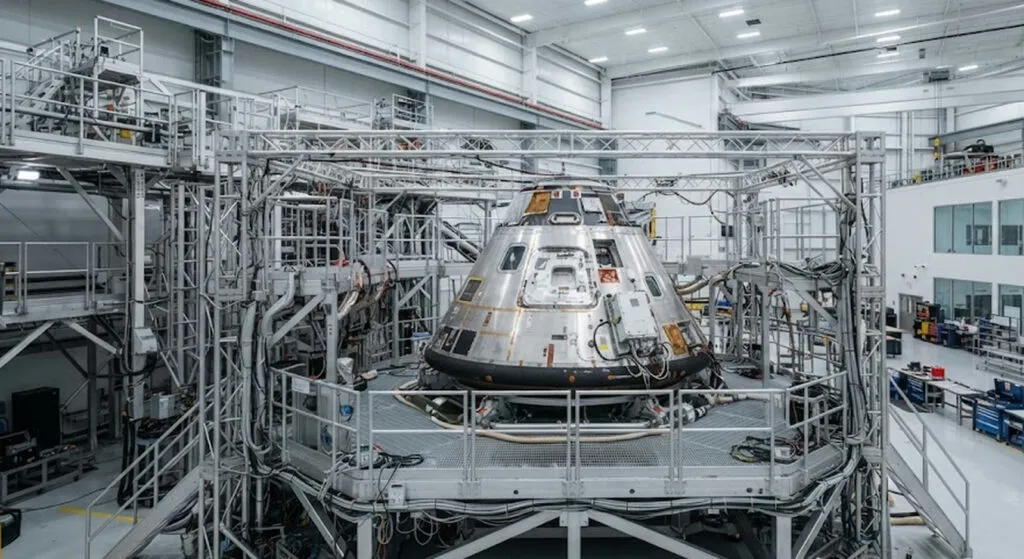
The queue for putting cargo into orbit is growing faster than the capacity, and one supplier holds almost all of...
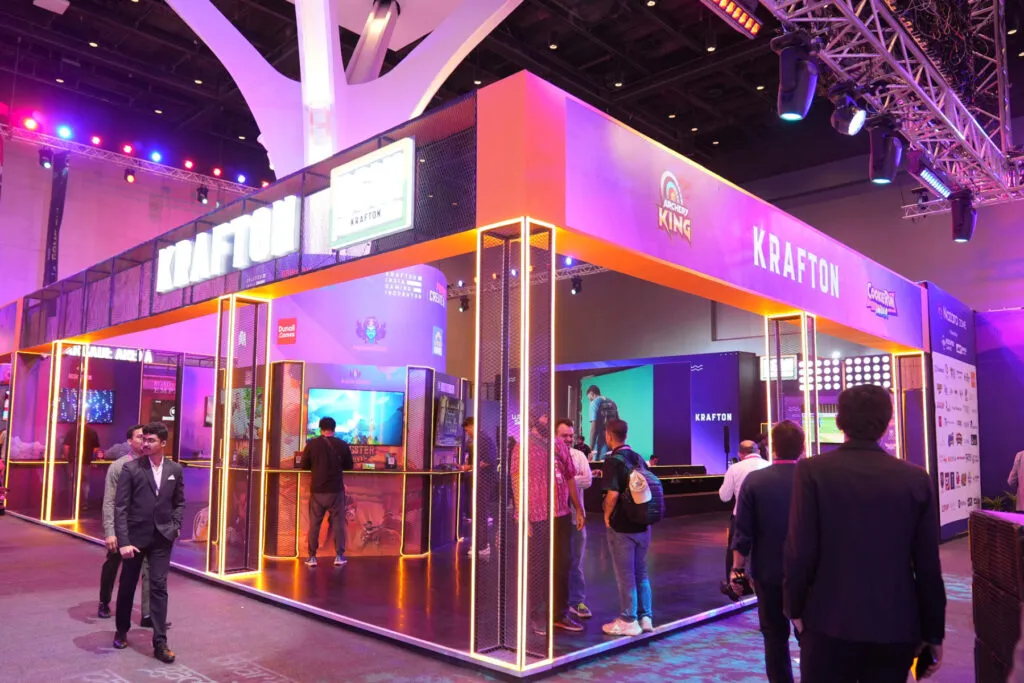
Twice they threw its game off the Indian market. Now the company is investing half a billion there, and outside...
Budgets are growing, contracts are shortening. When a client re-examines you twice a year, a valuation built on multi-year revenue...
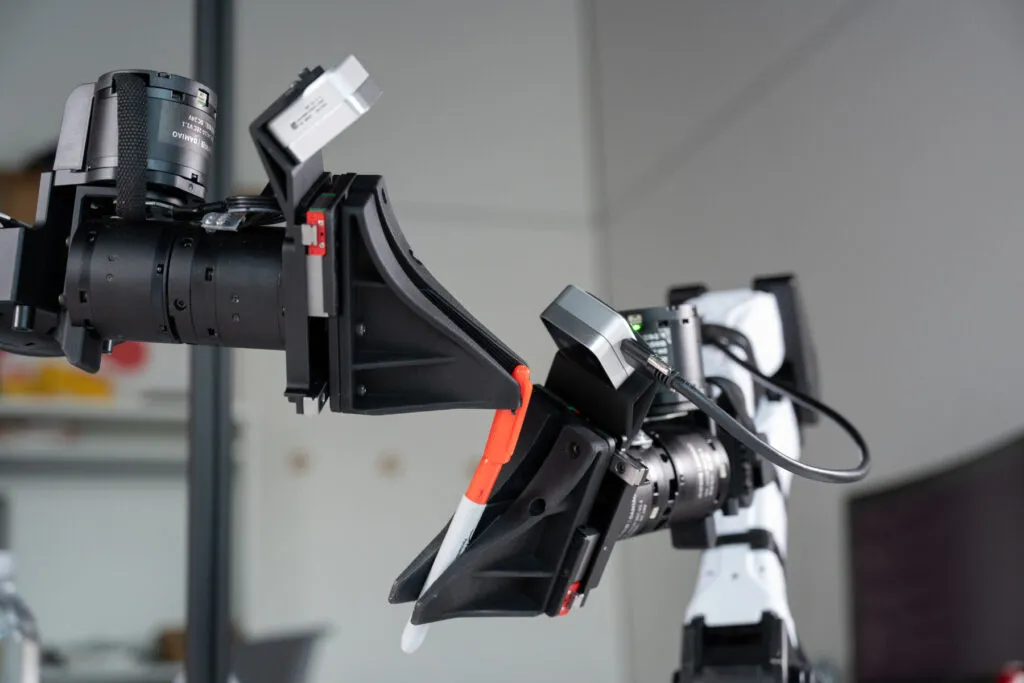
The large models had the entire internet to learn from. Robots have nothing of the sort, and that very gap...

Revenue jumped from 697 million to 1.2 billion in a year, and 85 percent of subscribers stay after twelve months....
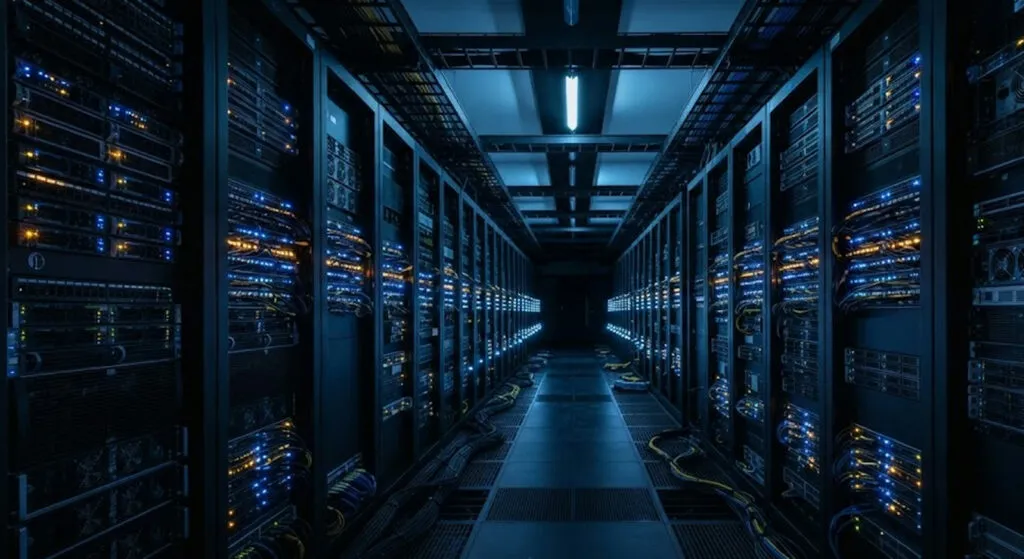
When HiddenLayer started out in 2023, nobody could point to a single real attack on artificial intelligence. This year companies...

It hires doctors and lawyers to teach the software how they work. A professional's knowledge is bought once and sold...
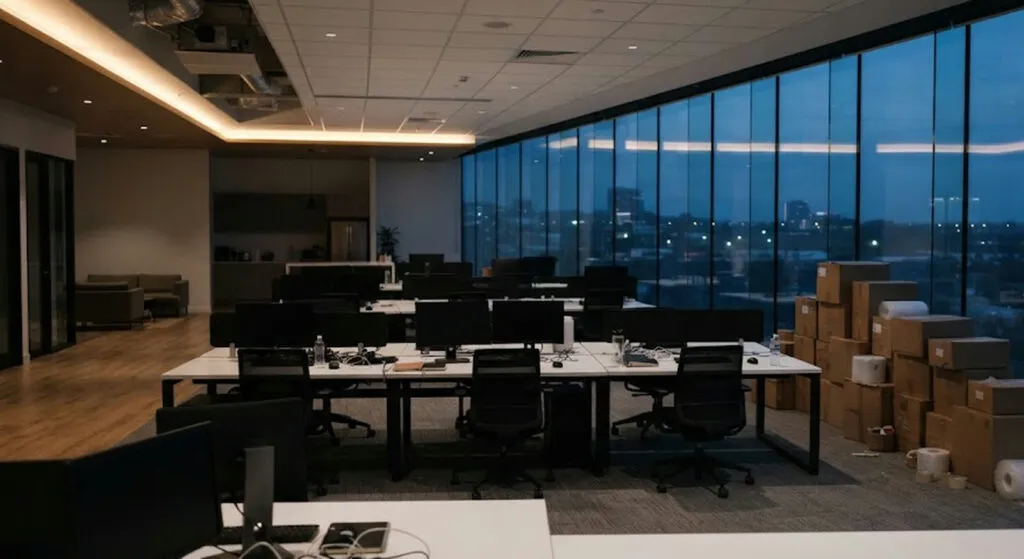
The company lost 97 percent of its value and 93 percent of its staff. The founder is putting in 5...

A startup with 65 people opens a factory to compete with Chinese electric vehicles. The co-founder says the idea of...
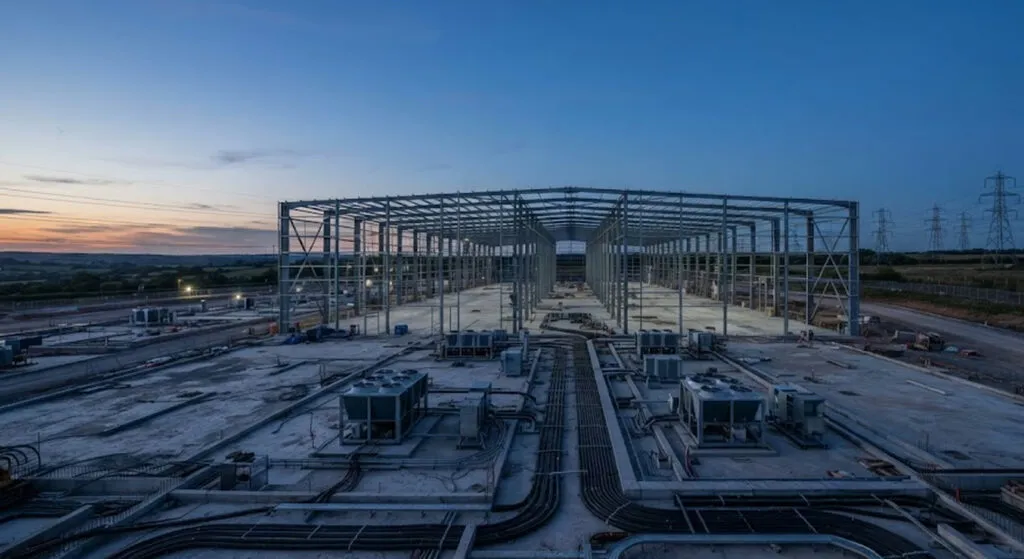
The fund that spent years making money on code is now investing in cooling, electricity and land. When a private...
This site uses cookies - is that okay? Learn more
Be the first to know when Metla launches something new
Leave your email and we will write when there is a new guide or something new on Metla.