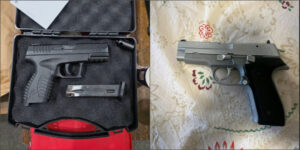
They Fired Guns at a Party in Dobridol - and Police Only Moved Once the Video Went Viral
02.08.2026


02.08.2026
02.08.2026
02.08.2026

02.08.2026

02.08.2026

01.08.2026

02.08.2026

01.08.2026

31.07.2026
02.08.2026

02.08.2026

02.08.2026

02.08.2026

02.08.2026
01.08.2026

09.03.2026

27.02.2026

19.02.2026
02.08.2026

01.08.2026
31.07.2026

23.04.2026

23.04.2026

12.04.2026
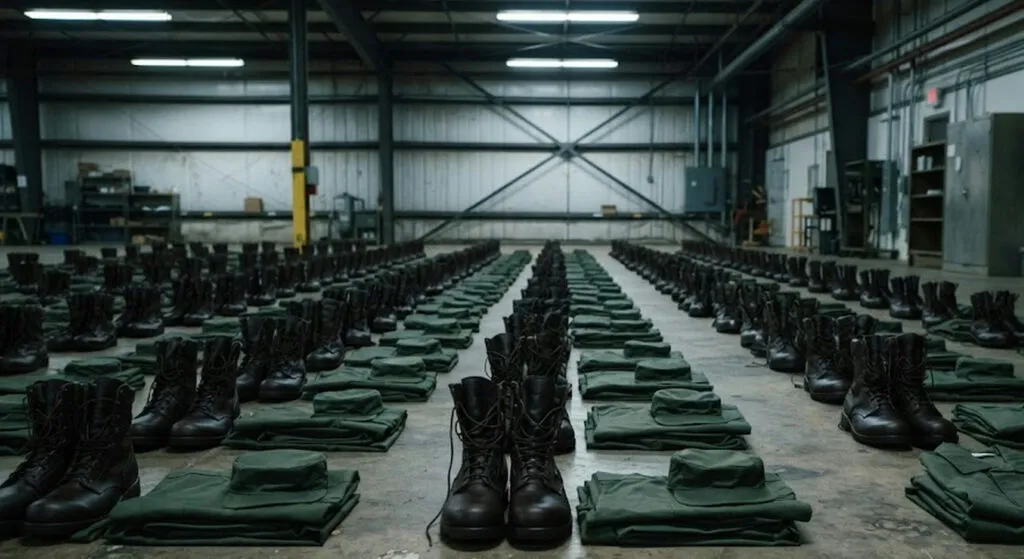
A Russian military expert on air defence appeared on the television channel of the parliamentary assembly of Russia and Belarus and explained that the West is planning for Germany to replace Ukraine in the war against Moscow. The year he named is 2030. That is the year Vladimir Putin's current term expires.
Yuri Knutov claims Berlin is rapidly turning into Europe's main military centre and that a militarist spirit thought to have been suppressed after the Second World War is reawakening among Germans.
„The danger that the Germans will fight against us is very serious. The year 2030 is being mentioned. There will be elections in Russia then, President Putin's term expires and new elections will need to be held. They want to time everything for exactly that moment“, he said.
Read that sentence again
According to the same expert, Ukrainian strikes on Russian refineries, logistics hubs and trading platforms are also timed - to stir discontent among the population ahead of September's State Duma elections. So German rearmament and the strikes on refineries all unfold according to the Russian electoral calendar.
That is an analysis in which every event in the world just happens to revolve around one date in Moscow. When somebody explains that Berlin, Kyiv and Washington are all working to a schedule that coincides with the Russian electoral cycle, it is worth asking which channel he is saying it on and who put him in the studio.
But the numbers are real
And here it gets more complicated. Because the part that is not speculation - German rearmament - is genuinely happening, and at a pace Europe has not seen in decades.
Germany has budgeted roughly 108 billion euros for defence in 2026. By 2035 Berlin plans to have more than 260,000 active soldiers and approximately 200,000 reservists. From 2026, all eighteen-year-olds receive questionnaires on their readiness to serve, and from July 2027 men born in 2008 and later will have to undergo compulsory medical examinations.
Chancellor Friedrich Merz has said the Bundeswehr must become the strongest conventional army in Europe. That is not a Russian interpretation - it is an official German objective.
Both things can be true at once
Moscow has an interest in presenting German rearmament as preparation for attack, because it justifies its own war economy. Berlin officially maintains the aim is deterring Russia and strengthening NATO. Neither side is a neutral narrator.
What is left once you strip away both interpretations is simpler and harder. Europe's largest economy, a country that spent eighty years building an identity around not being a military power, has set itself the published goal of fielding the continent's strongest army. Compulsory medical examinations for boys born in 2008 are not one Russian analyst's theory - they are scheduled.
The Balkans have a long memory for what it means when Europe's great powers start counting reservists. You do not need to believe Knutov to notice that the continent is arming faster than it is talking about it.
The latest 10 news from this category
The EU fertility rate has fallen to 1.34 children per woman, and in South Korea nurseries are being converted into...

German factories are already cutting output because the river is not there. When Europe counts the damage in billions, it...
Climate models show an anomaly above three degrees - super El Niño territory. Europe responds with a lag, which means...
An arrested president, sold oil and a map in the colours of the American flag. The Balkans hold an entire...
He wanted to invite her for a cider. Security opened his backpack and found three knives. A court in Lund...
Sixty thousand crossed in a single day, and 53,000 went back on their own once they realised the promises were...
Sixty thousand people crossed into Ceuta and went back the same day. That is not a crisis - it is...
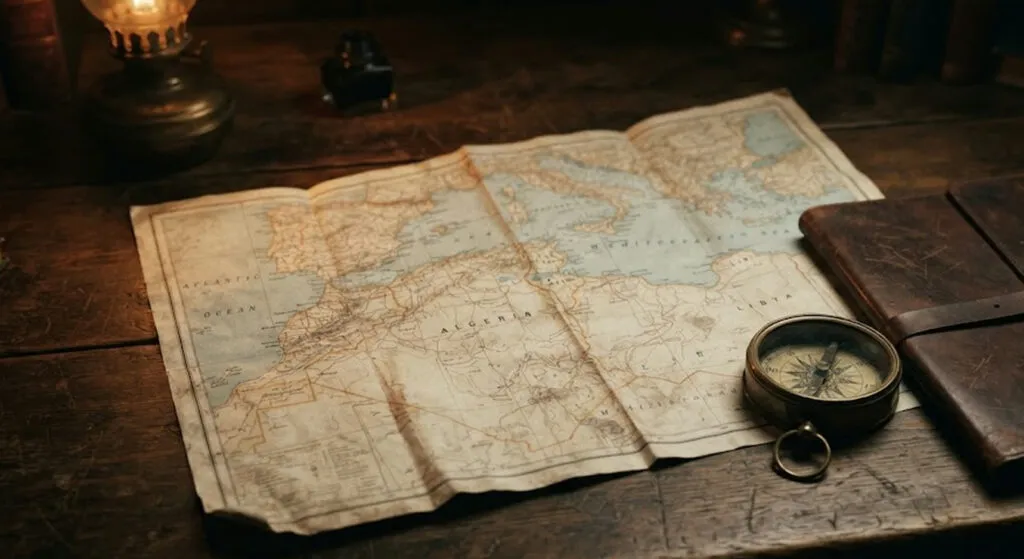
Morocco has proven for years it can seal that border. It gave way exactly ten days after Madrid embraced Algeria....
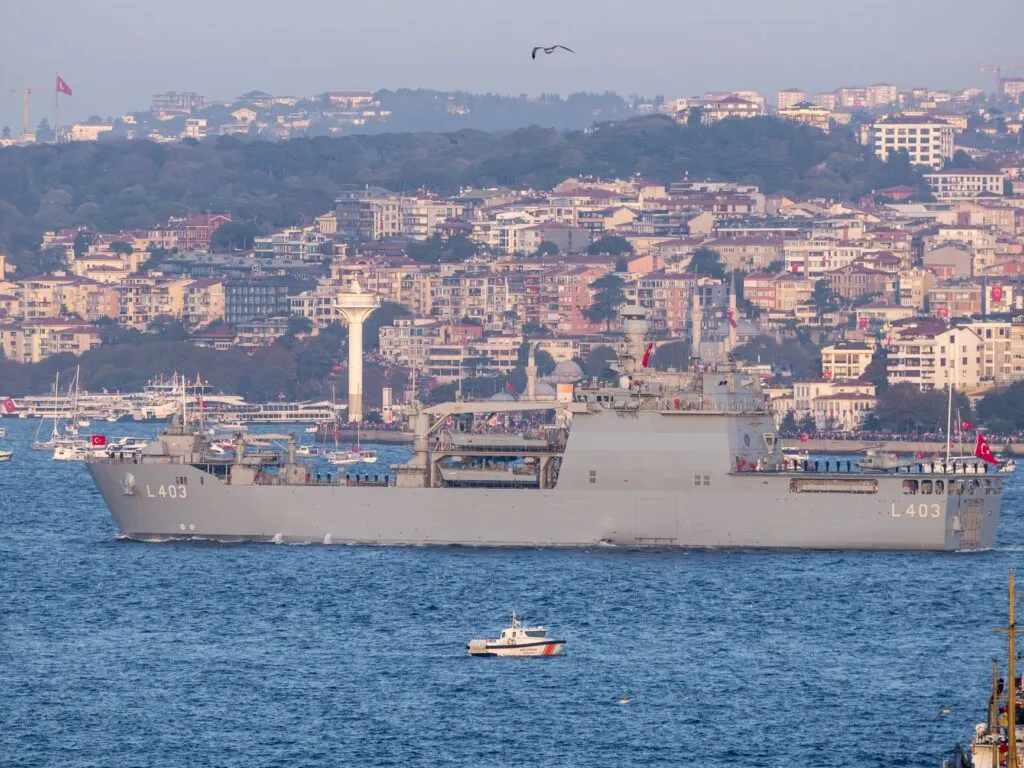
The Bosphorus is 700 metres wide, and that is precisely why Ankara decides who enters the Black Sea. A 1936...
She was interning at SHAPE, the Alliance's most sensitive military headquarters. She became a suspect because she asked odd questions...
This site uses cookies - is that okay? Learn more
Be the first to know when Metla launches something new
Leave your email and we will write when there is a new guide or something new on Metla.